Are you sure you know what stretcher transport1 means? Many buyers get it wrong, leading to costly mistakes. The key is to see it as a process, not just a product.
Stretcher transport is not just about carrying a person. It is the complete process of safely, continuously, and controllably moving and handing over a patient within a specific space. Thinking of it this way changes how you choose your equipment and plan your operations.
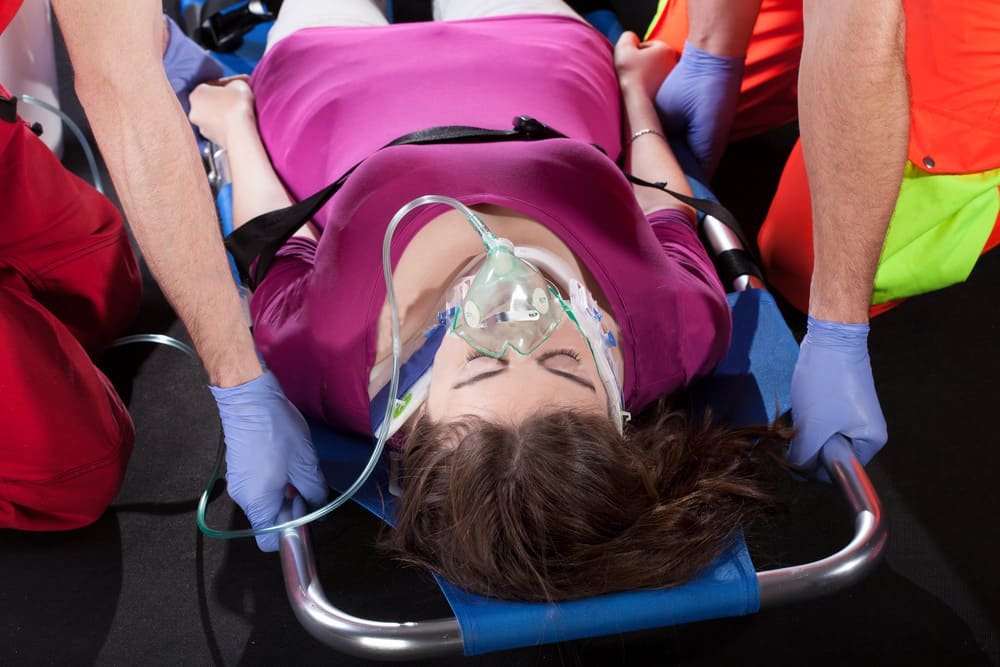
When I first started in this business, I thought a stretcher was just a stretcher. I learned quickly that this simple view was wrong. A customer once called me, frustrated that the "expensive" ambulance cot2 he bought was clumsy and difficult to use inside his clinic. He had bought a tool designed for a high-speed vehicle to use in narrow hallways. It was the right product for the wrong job. This taught me a valuable lesson: before we can talk about products, we must first understand the complete transport process. That conversation is the key to getting you the right equipment and ensuring patient safety. Let’s break down what that really means.
Is It a Short Transfer or a Long Haul?
You know you need a stretcher, but the options are overwhelming. Choosing a heavy-duty ambulance cot2 when you only need to move patients between rooms wastes money and creates unnecessary work for your staff.
The first step is to define the distance and context. Short-distance transfers, long-distance transport3, and ambulance loading systems4 have completely different needs. Matching the stretcher type to the primary task is the most important decision you will make.

To choose the right tool, you first need to understand the job. I always ask my clients, "Tell me about the journey the patient will take." Will they be moved ten meters from a ward to an X-ray room? Or will they be transported for thirty kilometers between hospitals? Or do you need to safely load them into a moving vehicle? The answers change everything. A simple folding stretcher is perfect for a quick transfer, but it would be uncomfortable and unsafe for a long road trip. An ambulance cot2 is secure in a vehicle but might be too bulky for a small clinic. We must break down the requirements based on the typical transport scenario to find the most efficient and safest solution for you.
Short-Distance Transfers
This is the most common type of in-hospital movement. Think about moving a patient from their room to the operating theater or to the radiology department. The journey is short, often on smooth, flat surfaces. The priority here is speed, ease of use, and maneuverability. You don't need heavy, complex equipment. Instead, you need something lightweight that can be stored easily. Scoop stretchers are excellent for lifting patients from the floor or a bed without moving their spine. Simple folding stretchers or portable stretchers5 are also great options because they are light and can be deployed in seconds. The key is simplicity and efficiency for a quick, safe trip down the hall.
Long-Distance Transport
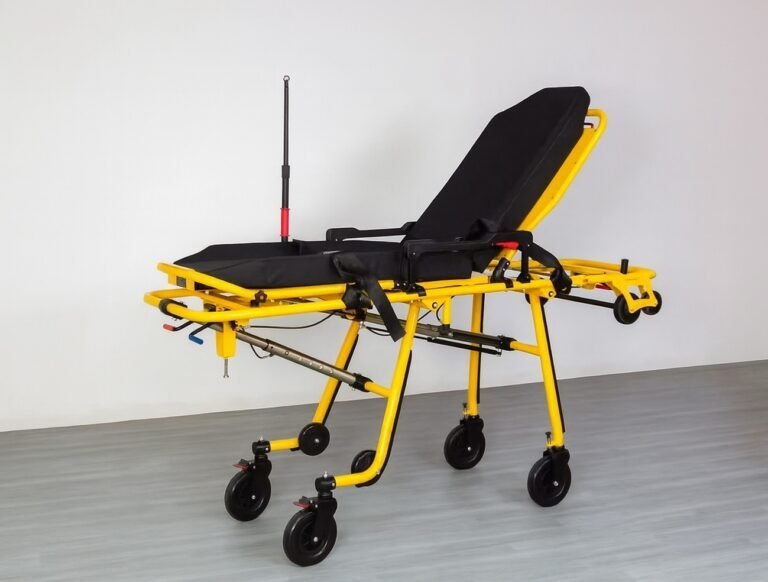
When a patient needs to be moved between facilities, comfort and stability become much more important. This could be a transfer from a local clinic to a major hospital. The patient will be on the stretcher for a longer period. For these situations, you need a transport stretcher6 or a basic ambulance cot2. These stretchers have thicker mattresses for comfort, sturdy wheels that can handle different surfaces, and often include features like adjustable backrests and IV pole mounts. They are built to be more durable to handle the demands of a longer journey and ensure the patient remains stable and secure from start to finish.
Ambulance Loading Systems
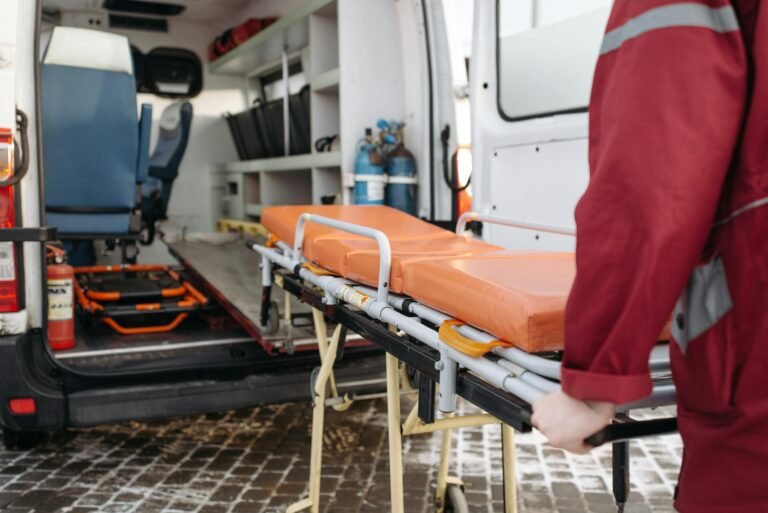
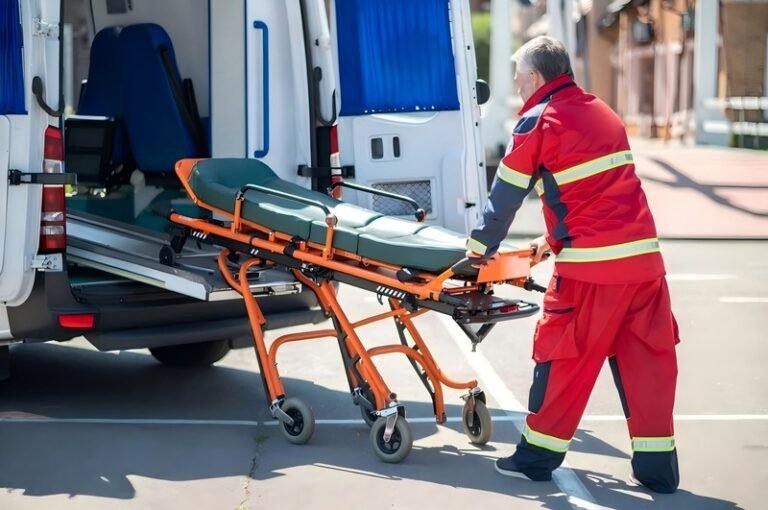
This is a highly specialized category. It's not just about the stretcher; it's about how the stretcher interacts with the ambulance. These stretchers, often called ambulance cot2s, are designed with specific undercarriages that collapse and lock into a fastening system inside the vehicle. The primary concerns are the safety of the patient and crew during transit, and the efficiency of loading and unloading. You have to consider the height of your vehicle's floor, the type of fastener you use, and the weight capacity. I've seen customers buy a beautiful cot that didn't fit their ambulance's locking system. It's critical to see the stretcher and the vehicle as one integrated system.
| Transport Type | Primary Goal | Common Stretcher Types | Key Features |
|---|---|---|---|
| Short-Distance | Speed & Maneuverability | Scoop, Folding, Portable | Lightweight, Compact, Easy to Store |
| Long-Distance | Patient Comfort & Stability | Transport Stretcher | Thick Mattress, IV Pole, Sturdy Wheels |
| Ambulance System | Loading Efficiency & Safety | Ambulance Cot | Collapsible Undercarriage, Vehicle Fastener |
Are You Buying a Stretcher or a Complete Transport System?
You have a budget for a new stretcher and you think you're covered. But when it arrives, you realize that without the right accessories, the stretcher is incomplete and potentially unsafe for certain patients.
Stretcher transport is a total system. It includes the stretcher, patient straps, a head immobilizer7, and even the transfer process. Buying only the stretcher is like buying a car without seatbelts. It’s an incomplete solution.
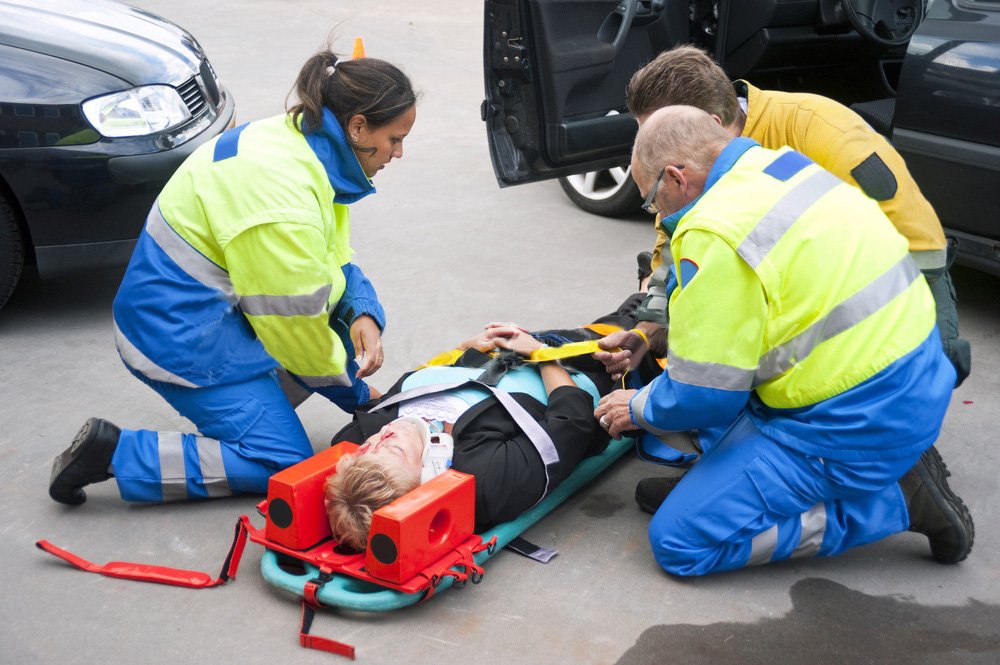
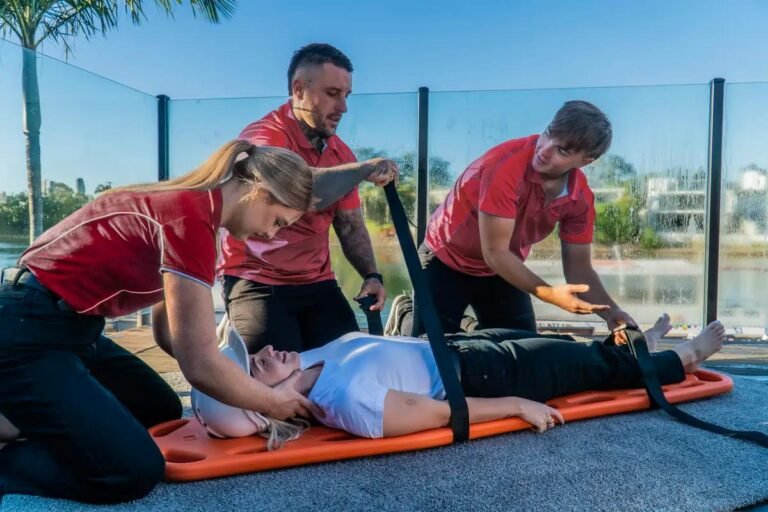
I often have to explain to new customers that the stretcher is just the beginning. It's the platform, but the safety and effectiveness come from the other parts working with it. Imagine you need to transport a patient with a suspected spinal injury. A simple stretcher alone is not enough. You need a way to keep their head and neck perfectly still. You need secure straps to prevent any movement during transport. Without these components, you risk making the injury worse. We don't just sell products; we provide solutions. That means helping you build a complete system that covers the stretcher, the necessary fixation devices8, and the best practices for using them together to ensure every patient is moved with the utmost care.
The Core: The Stretcher
This is the foundation of your system. It's the mobile platform that carries the patient. As we discussed, the type of stretcher you choose—whether it's a simple folding model, a scoop stretcher, or a sophisticated ambulance cot2—depends entirely on its primary job. Its design dictates the patient's basic comfort and the crew's ability to move them. But on its own, it's just a bed on wheels. It provides the "transport" but not necessarily the "safety" or "stability" required for professional medical care. It is the starting point from which the rest of the system is built.
The Essentials: Fixation and Immobilization
These are the non-negotiable accessories. For any patient, you need patient straps or a "spider strap" system to hold them securely on the stretcher. This prevents them from falling during movement, especially over uneven ground or on ramps. For patients with potential head, neck, or spinal trauma, a head immobilizer7 is absolutely critical. This device attaches to the stretcher or a spine board and uses foam blocks and straps to keep the head in a neutral position, preventing movement that could cause permanent damage. I always tell my clients to consider these items as part of the stretcher itself, not as optional extras. They are essential for patient safety and your duty of care.
The Process: Handling and Handover
This is the human element of the system. The best equipment in the world is useless if the team doesn't know how to use it correctly. This includes the physical techniques for lifting and moving patients to avoid injury to both the patient and the crew. It also involves clear communication during the transfer. For example, moving a patient from a scoop stretcher on the ground to an ambulance cot2 requires a coordinated team effort. The handover process, where one medical team transfers care to another, is also part of this system. Information must be exchanged clearly, and the patient must be moved seamlessly from one surface to another. A well-defined process makes the entire transport operation smooth and safe.
| System Component | Function | Why It's Critical |
|---|---|---|
| The Stretcher | Provides the mobile platform | Forms the foundation for transport |
| Fixation Devices | Secures the patient to the stretcher | Prevents falls and movement during transport |
| Immobilization | Stabilizes head, neck, and spine | Prevents secondary injury in trauma cases |
| Handling Process | Defines how the team uses the equipment | Ensures safety for both patient and crew |
Does a Hospital Need the Same Stretcher as an Ambulance?
You might think a stretcher is a universal tool. But putting a heavy ambulance cot2 in a busy hospital is like driving a truck in a small alley—it's inefficient and causes problems.
No, their needs are very different. Hospitals prioritize smooth bed-to-bed transfers and easy movement through corridors. Emergency medical services (EMS) teams focus on fast loading into a vehicle, durability for outdoor use, and performance in tight spaces.

The environment where the stretcher will be used is one of the most important factors. A hospital is a controlled environment. The floors are smooth, the climate is stable, and the distances are relatively short. In contrast, an EMS team works in an uncontrolled environment. They face rain, uneven ground, stairs, and tight corners. Their stretcher has to be a rugged, all-purpose tool that can handle anything. When I work with a hospital procurement manager, we talk about patient comfort and ease of cleaning. When I talk with an EMS chief, we discuss durability, weight, and loading height. They are two different worlds, and they require two different types of tools to do their jobs effectively.
The Hospital Environment: Control and Continuity
Inside a hospital, stretcher transport1 is all about seamless workflow. The goal is to move a patient from one department to another with minimal disruption and maximum comfort. For this, you need patient transfer stretchers or hydraulic stretchers. These models often have features like adjustable height to match the level of a hospital bed, making the transfer smooth and easy for both the patient and the staff. They also have side rails for safety, smooth-rolling casters that can turn easily in hallways, and strong brakes. Ease of cleaning is also a major factor in a hospital setting to prevent the spread of infection. The focus is on creating a controlled and comfortable transition for the patient within the hospital's walls.
The Pre-Hospital (EMS) Environment: Speed and Security
For EMS teams in the field, the priorities are completely different. Their work is unpredictable. They need equipment that is fast to deploy, extremely durable, and can secure a patient for transport in a moving vehicle. This is the world of ambulance cot2s, scoop stretchers9, and stair chairs10. An ambulance cot2 must be able to collapse and load into the ambulance quickly and securely, often by just one or two people. It needs to be rugged enough to be rolled over pavement, grass, or gravel. Maneuverability is also key. Responders often have to navigate tight spaces, so equipment like stair chairs10, which allow a patient to be moved down stairs in a seated position, become essential tools. In this environment, speed, security, and durability are what save lives.
| Feature | Hospital Priority | EMS Priority |
|---|---|---|
| Primary Goal | Patient comfort, smooth workflow | Speed, durability, vehicle safety |
| Key Features | Adjustable height, side rails, IV pole | Collapsible frame, vehicle locks, all-terrain wheels |
| Common Types | Hydraulic transfer stretcher | Ambulance cot, scoop stretcher, stair chair |
| Environment | Controlled, indoor, smooth floors | Unpredictable, outdoor, varied terrain |
Is the Best Stretcher Useless Without a Good Team?
You've spent a lot of money on a top-quality stretcher. But your team still seems to struggle, and you're not seeing the efficiency you expected. You start to think the equipment is flawed.
Yes, absolutely. The safety and success of any stretcher transport1 depend more on the team's training than on the stretcher's features. A skilled, coordinated team can work wonders with basic equipment, while an untrained team can make even the best stretcher a liability.
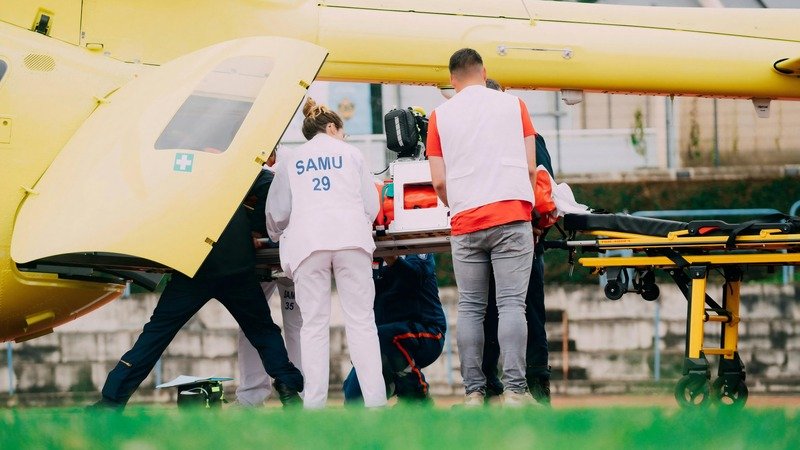
This is a point I cannot stress enough. I can sell you the most advanced stretcher on the market, but I cannot sell you the skill to use it. The human factor is the most critical part of the stretcher transport1 system. I once visited a client who had bought a new ambulance cot2. Their team was complaining that it was difficult to load. I watched them and realized they were trying to lift it into the vehicle manually, fighting against the mechanism. They had never been trained on how to use the automatic loading feature. After a ten-minute training session, they were loading it smoothly with half the effort. It was a powerful reminder that the equipment is only a tool. The real performance comes from the hands of a well-trained and coordinated team.
Why Training Matters More Than Features
A stretcher can have dozens of features, but they are worthless if the team doesn't know they exist or how to use them properly. Training covers several critical areas. First is ergonomics—how to lift and move the stretcher without causing back injuries to the crew. This is one of the most common sources of injury for emergency responders. Second is proficiency with the specific model. Every stretcher has its own set of levers, locks, and release mechanisms. A team needs to practice until using them becomes second nature, especially under pressure. Finally, training establishes communication protocols11. Simple commands like "Ready to lift on three. One, two, three, lift!" ensure everyone works together, making the movement smooth and safe for the patient.
The Difference Between a Novice and a Pro Team
You can spot the difference immediately. A novice team is often hesitant. Their movements can be jerky. You might hear them asking questions about how the stretcher works during the transport itself, which does not inspire confidence for the patient or the team.
A professional team looks completely different. Each person knows their role before the patient is moved. One person leads the command, others control the lifting points, and everyone moves at the same rhythm. The stretcher is locked, straps are checked, brakes are confirmed, and the patient is reassured throughout the process. This level of coordination makes the transport smoother, safer, and more controlled.
Understanding stretcher transport as a process ensures you choose the right equipment and plan operations effectively for patient safety. ↩
Learn how ambulance cots are designed for high-speed vehicle use and why they may not suit other environments like clinics. ↩
Explore stretchers designed for comfort and stability during extended patient transfers between facilities. ↩
Understand the integration of stretchers with ambulance systems for safe and efficient patient transport. ↩
Find out why portable stretchers are ideal for quick deployment and easy storage in short-distance transfers. ↩
Discover the features of transport stretchers that ensure patient comfort and stability over longer journeys. ↩
Understand how head immobilizers prevent secondary injuries in patients with potential head, neck, or spinal trauma. ↩
Learn how fixation devices secure patients to stretchers, ensuring safety during movement. ↩
Learn about scoop stretchers and their role in safely lifting patients without moving their spine. ↩
Discover how stair chairs enable safe patient movement down stairs in emergency situations. ↩
Understand how clear communication ensures coordinated and safe patient handling during transfers. ↩