
Blog
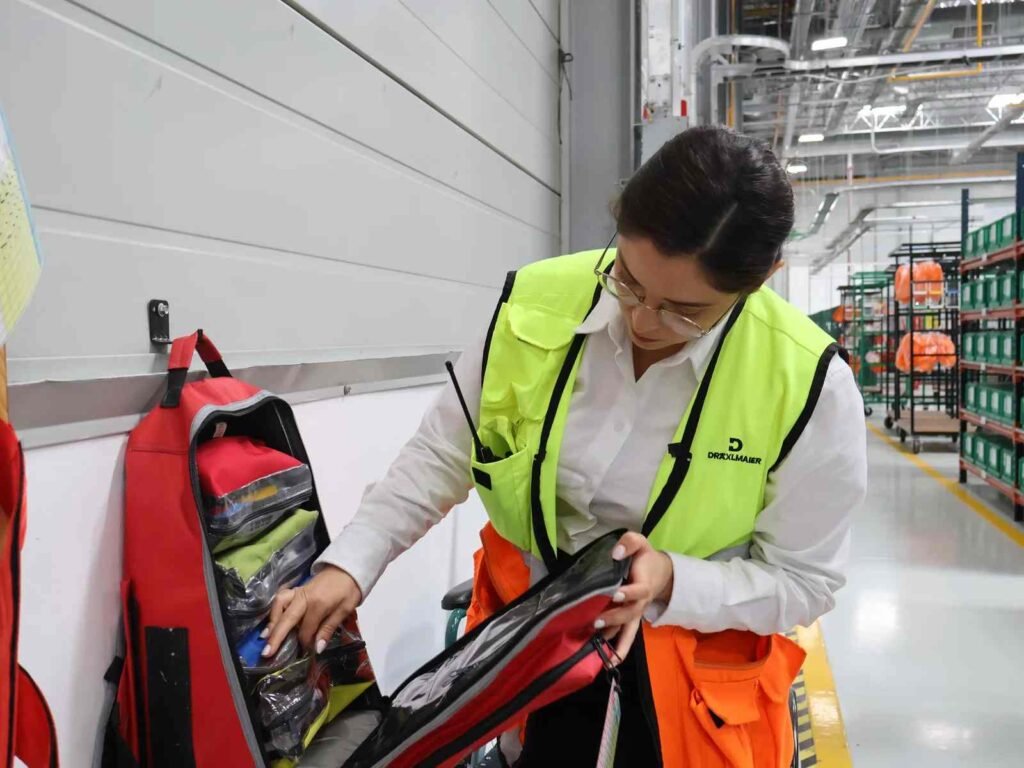
How Often Should Workplace First Aid Kits Be Inspected and Restocked?
A first aid kit can be full on Monday and incomplete by Friday. Someone uses two dressings. The scissors are taken to another room. A bottle leaks inside the case. From the outside, the box still looks ready. That is why checking only when something expires is not enough. The short answer: Give every workplace […]
Read More
Workplace First Aid Kit Requirements: What Procurement Teams Should Check
A workplace first aid kit can look perfect from the outside. The box is bright, the label is clear, and the item count sounds impressive. Then someone opens it. The gloves are too small. Several dressings expire soon. The box cannot be mounted where people need it. Worse, nobody knows where to buy replacement items […]
Read More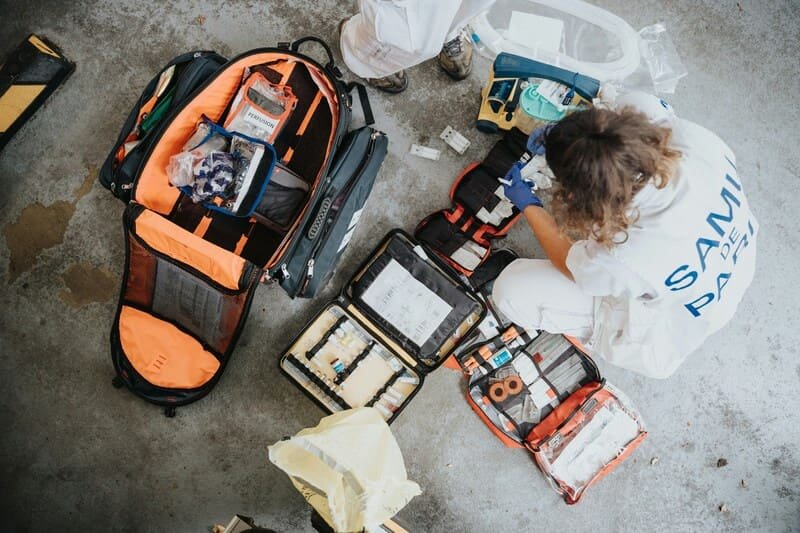
How to Choose First Aid Kits for Factories, Vehicles, and Worksites
When buyers ask which first aid kit to choose, they often start with the items inside. I usually start with the style of the kit. A wall box suits a factory line. A compact case fits a van. A backpack is easier to carry around a building site. The location changes the answer. The short […]
Read More
What Is a Head Immobilizer and How Does It Work with Spine Boards?
When buyers first see a head immobilizer, it can look like two foam blocks, a base, and a few straps. That description is not wrong, but it misses the important part: the device only makes sense when it works as part of a system. A spine board supports the patient’s body and provides a firm […]
Read More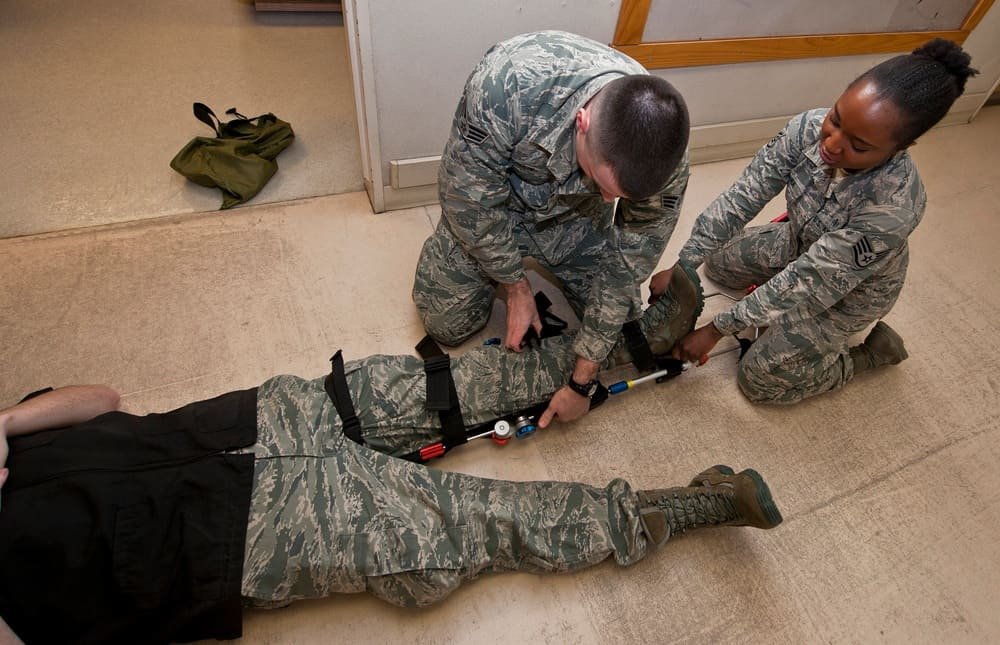
Traction Splint vs Vacuum Splint: Which Should You Choose
When buyers ask me, “Which is better, a traction splint or a vacuum splint?” I usually have to slow the conversation down a little. They may both be carried in an ambulance, and both are used to support injured limbs. But they do not do the same job. A traction splint is a specialist. It […]
Read More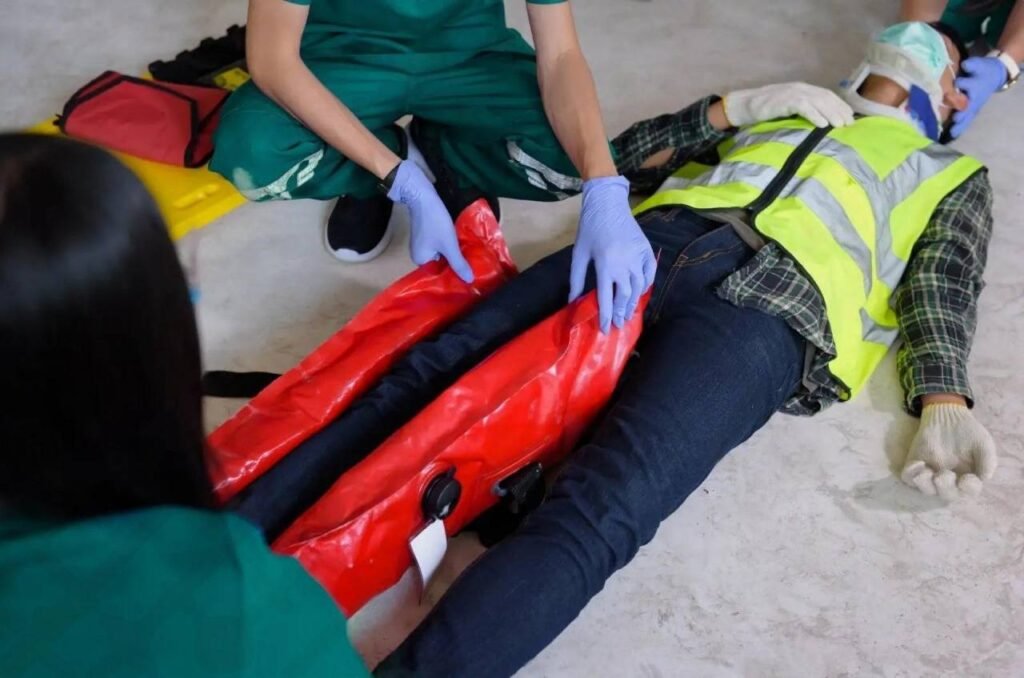
Vacuum Splint vs Rigid Splint: Which Is Better for Immobilization?
Picture a responder opening a splint kit beside someone with a lower-leg injury. One device is soft until a pump removes the air. The other is already firm, but its shape and padding need to fit the limb. Both can provide support. The question is which one the team can use well, check during transport, […]
Read More
Manual vs Electric Ambulance Stretchers: Which Is Better for EMS?
When a buyer asks me whether a manual or electric ambulance stretcher is better, I usually answer with another question: which part of the job do you want the equipment to make easier? That is not an attempt to avoid the question. It is the question. Some powered stretchers raise and lower the patient, some […]
Read More
How to Choose a Tourniquet for Emergency, Tactical, and Workplace First Aid?
When buyers ask me to recommend a tourniquet, I understand why they hope for a quick answer. The product is small, the basic structure looks simple, and many models appear quite similar in photographs. It is natural to compare the price, choose a color, and move on to the next item in the first-aid kit. […]
Read More