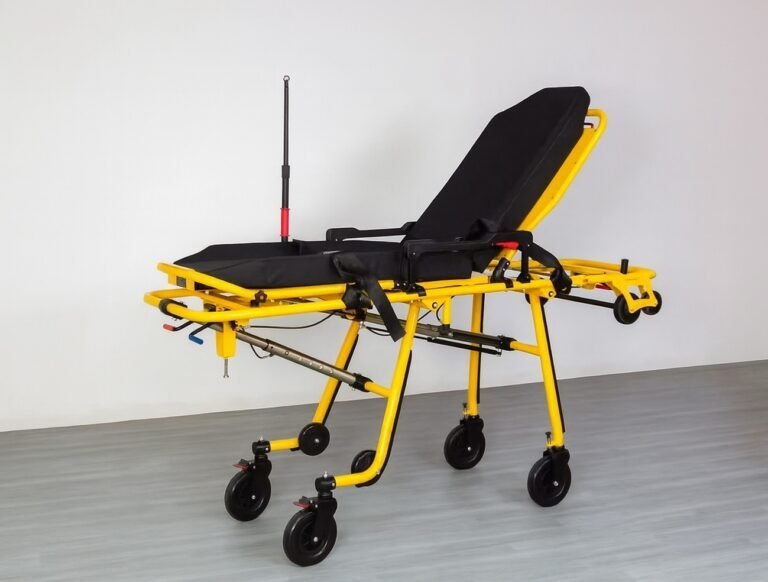

You worry a scoop stretcher might fail during a critical transfer. A quick look might miss a hidden flaw, risking patient safety. The key is knowing the specific failure points to inspect.
Focus your check on three critical areas. First, test the locking mechanism to ensure it engages securely without force. Second, inspect the scoop surfaces for any cracks, dents, or warping. Finally, run a gloved hand over the patient-facing side to check for sharp edges.
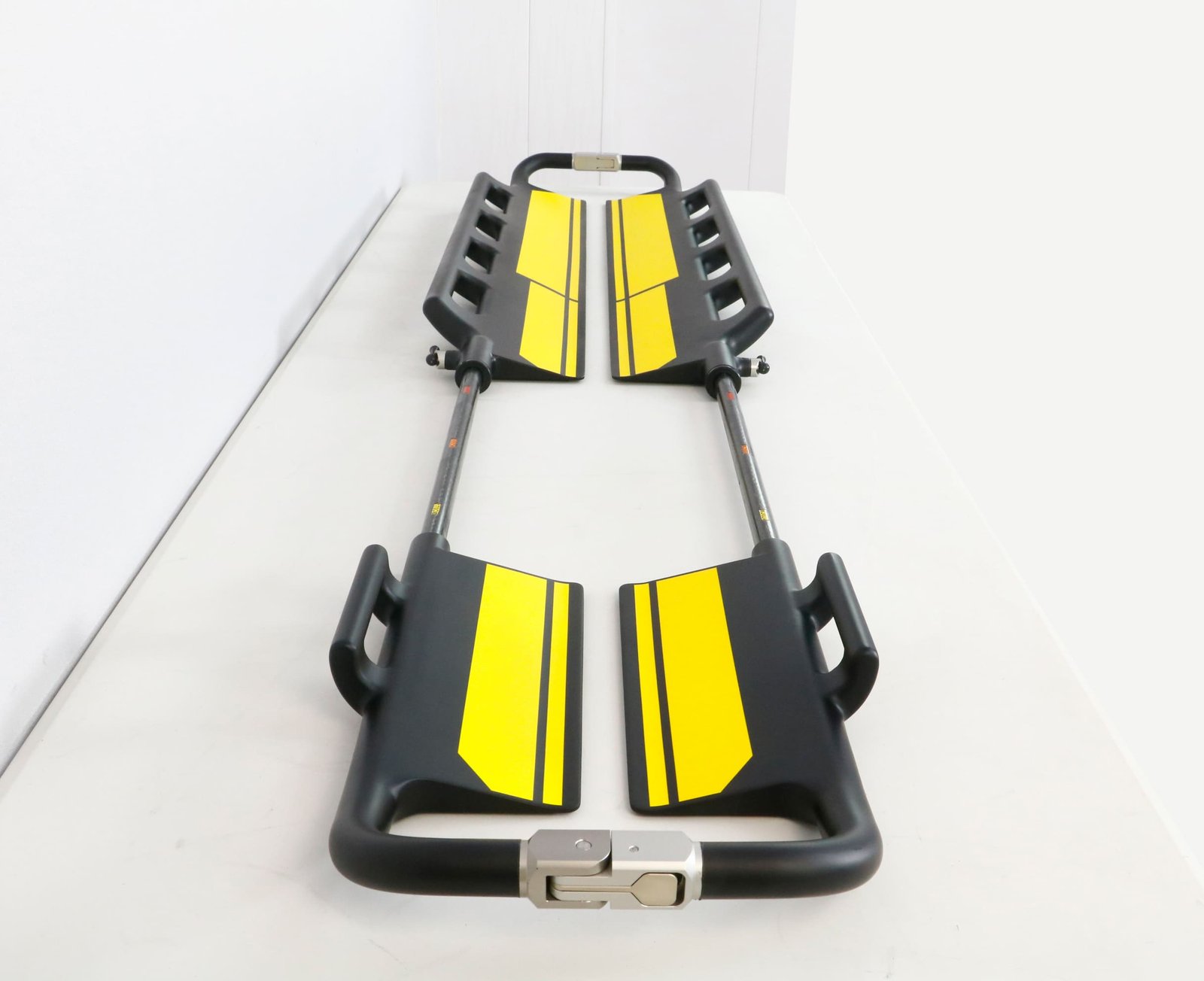
Those three steps are a great start. But a truly reliable check goes deeper than a simple list. It begins with understanding why these specific parts can fail. As a manufacturer, we handle questions about product safety every day from our B2B clients. This experience gives us a unique view of what really matters. Let's break down how you can move from a basic check to a professional inspection.
Why is the Locking Mechanism the Most Critical Checkpoint?
The two halves of the scoop stretcher feel loose or won't connect smoothly. Forcing them or ignoring the issue could mean the stretcher separates under the patient's weight, causing a catastrophic fall.
The locking mechanism is the single point of failure that can cause a complete collapse.1 Check that the pins engage cleanly and the lock feels solid. Any wiggle, stiffness, or visible wear on the pins or housing is a major red flag that requires removing it from service.
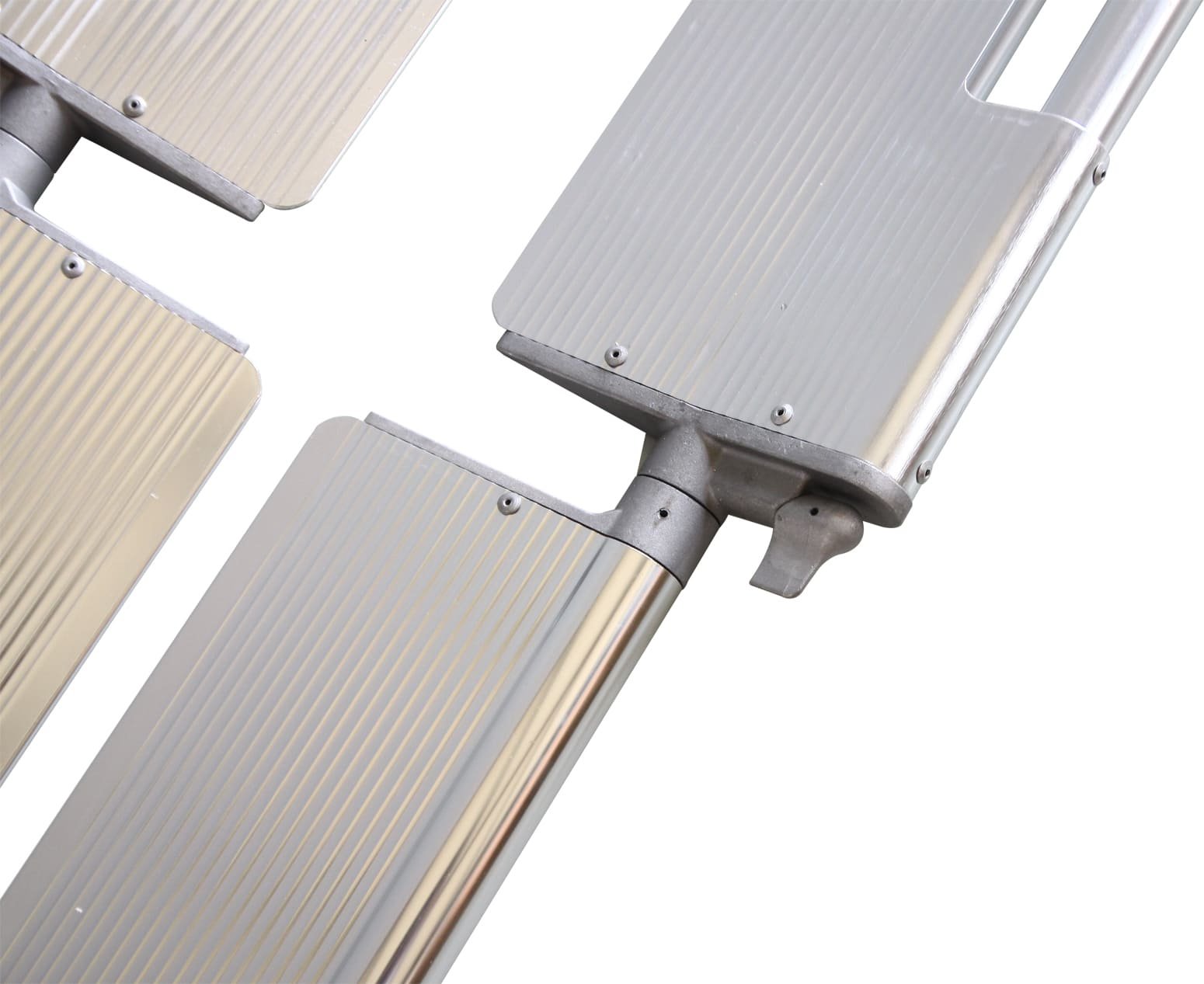
In our factory, the locking mechanism receives the most attention during quality control. It is not just one part, but a system of parts that must work together perfectly. From our experience, failures almost always start here. Understanding this system helps you spot a real problem.
The Pin and The Latch
The core of the system is the pin and the latch. The pin, usually made of steel, must be perfectly smooth and sized correctly. The latch it connects with must be machined with precision. If there is a tiny mismatch between them, the connection can feel stiff or loose. We have seen cases where suppliers use lower-grade materials that wear down quickly, creating a loose fit over time. A lock should click into place securely. It should not require you to use force, and it should not rattle once engaged.
Material and Manufacturing
We also see different manufacturing methods. Some locking parts are cast from metal, while others are machined from a solid block. Machined parts are generally stronger and more reliable because they don't have the risk of hidden air bubbles or weak spots that can occur in the casting process. When you source stretchers, you can ask the supplier about the manufacturing process for these critical components. Their answer will tell you a lot about their commitment to quality.
| Issue | What it Looks Like | Immediate Risk | Long-Term Concern |
|---|---|---|---|
| Stiffness | Requires force to lock/unlock | Delay in patient care, potential damage to the mechanism | Progressive wear, eventual failure |
| Looseness | Audible rattling or visible gaps when locked | Stretcher separation during transfer | Stress on other parts of the stretcher frame |
| Visible Wear | Scratches or gouges on the pin or latch | Weakened components, unpredictable failure | Corrosion, material fatigue |
How Do You Spot Structural Weakness Before It's Too Late?
An aluminum or plastic scoop stretcher can look perfectly fine after years of use. But hidden stress fractures or material fatigue could be waiting to cause a sudden break under a heavy load, especially during a lift.
Look beyond obvious damage. Pay close attention to the areas around connection points and hinges for hairline cracks. For aluminum, look for dents or warping. For plastic models, check for discoloration or spiderweb-like cracks, which signal material degradation and brittleness.
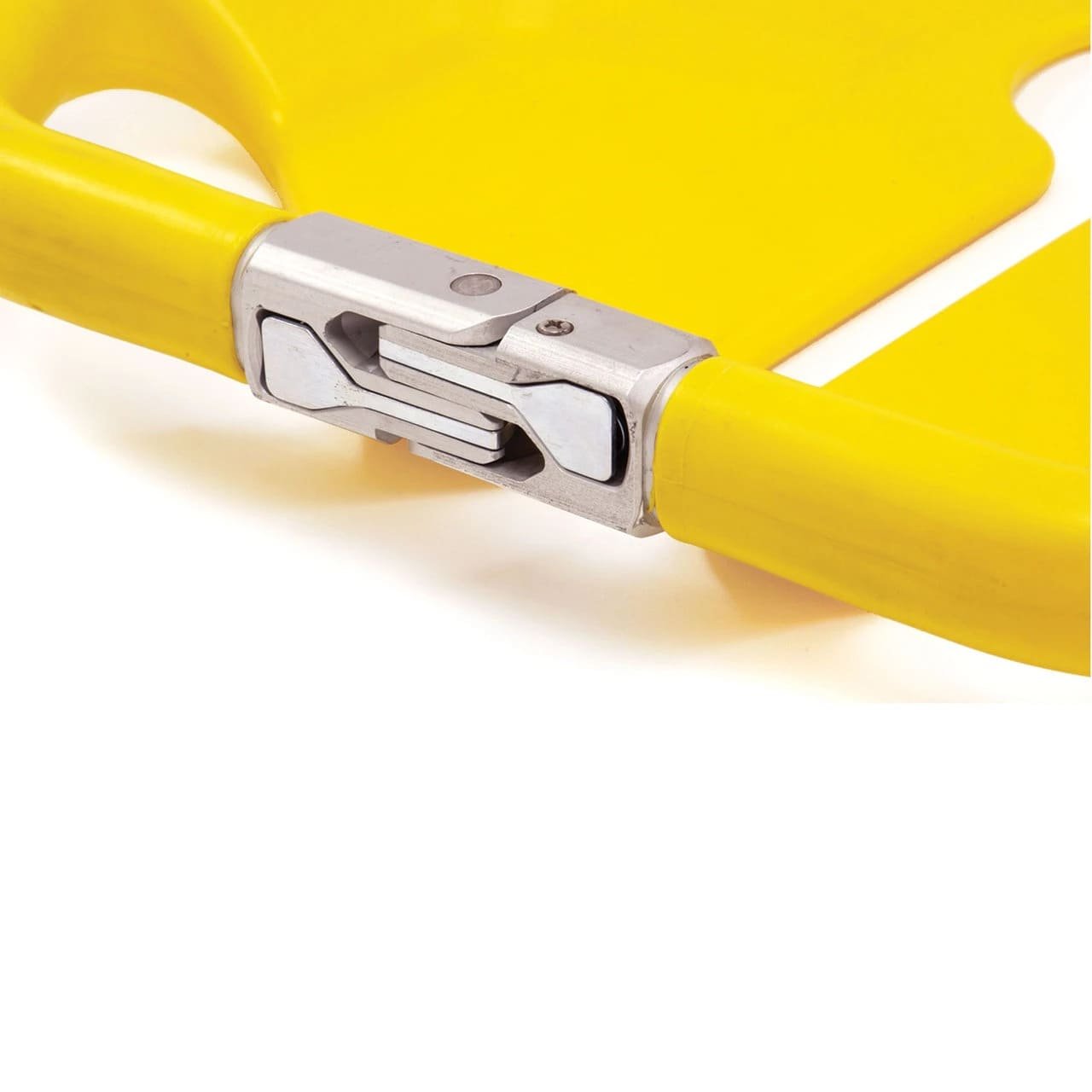
Concerns about long-term durability are common questions we get from distributors. The structural integrity of the scoops themselves is just as important as the lock. The material choice and where you inspect it are key. A small flaw can grow into a major failure point.
Aluminum vs. Polymer
Aluminum is very strong and widely used, but it can dent and bend if dropped or hit. A significant dent is not just a cosmetic issue; it creates a weak point in the structure. We use specific high-grade aluminum alloys to resist this, but no material is perfect. Polymer or high-density plastic stretchers are lighter and don't dent, but they have their own concerns.2 Over time, exposure to sunlight (UV radiation) or harsh cleaning chemicals can make the plastic brittle. You need to know which material you have to know what to look for.
The "Hidden" Stress Points
The most likely failure points are not in the flat middle of the scoop.3 They are where force is concentrated. This includes the area around the locking mechanism, the hinges, and the narrowest parts of the frame. When you lift a patient, these spots carry the most stress. A good practice is to run a gloved fingertip along these key areas. Sometimes you can feel a crack or a deformation before you can see it.
| Stretcher Material | Primary Inspection Zone | What to Look For | Why It's Critical |
|---|---|---|---|
| Aluminum | Around the locking mechanism & hinge points | Hairline cracks, deep scratches, any bending or warping | These are high-stress areas where fractures start. |
| Polymer/Plastic | Edges and surface near connection points | Discoloration (yellowing), spiderweb cracks, brittleness | Indicates material breakdown from age, UV, or chemicals. |
| All Types | Underside of the scoop | Dents from being dropped or hitting objects | An impact on the underside can compromise the top's strength. |
What Makes a Good Supplier Different from a Bad One?
You need to source scoop stretchers, but many suppliers look the same online. Choosing the wrong one based on price could mean you get products with hidden defects that put patients and your staff at risk.
A good supplier welcomes questions about their quality control. Ask for material certifications for the aluminum or polymer they use.4 Inquire about their testing process for locking mechanisms. Reliable manufacturers provide documentation and clear answers, proving their commitment to safety.5

This is a question we discuss with potential distributors all the time. Your pre-use check is the final defense against an accident, but your procurement process is the first and most important one. Choosing the right partner from the start is the best way to ensure safety and reliability.
Beyond the Certificate
Any factory can show you an ISO or CE certificate. That is the minimum requirement to enter the market. A great partner, however, can talk you through their process. For instance, we perform a 100% function test on every single locking mechanism before it is assembled and again before it ships. We do not just test a random sample from a batch. Ask a potential supplier, "Do you test every lock, or do you batch test?" Their answer reveals their true quality standard.
Tracing the Materials
We also believe in material traceability.6 This means we know exactly where our raw aluminum and polymer come from. We have long-term relationships with our material suppliers and keep detailed records. If a problem ever occurs, we can trace it back to its source. A supplier who cannot tell you about their material sources may be buying from the cheapest bidder, which can result in inconsistent quality.7 This transparency is a sign of a trustworthy partner.
| Question Category | Specific Question to Ask | What a Good Answer Looks Like | What a Red Flag Looks Like |
|---|---|---|---|
| Quality Control | "What specific tests do you run on the locking mechanism, and at what frequency?" | "We do a 100% functional and load test on every unit before shipping." | "We follow standard procedures." (A vague answer) |
| Materials | "Can you provide a material spec sheet for the alloy or polymer you use?" | "Yes, we can provide the technical data sheet for the specific grade we use." | "It's high-quality aluminum." (No specifics provided) |
| After-Sales Support | "What is your process if we discover a defect after delivery?" | "Contact us immediately. We have a clear warranty and replacement process." | "All sales are final." or "That is very unlikely." |
Conclusion
A proper scoop stretcher check combines a daily, hands-on inspection of critical points with a smart procurement strategy. This ensures safety for both the patient and the first responder.
This source explains the critical role of locking mechanisms in medical equipment safety, emphasizing their potential as single points of failure. ↩
This source outlines the advantages and limitations of polymer materials in medical equipment, including their susceptibility to brittleness. ↩
This source identifies common stress points in medical equipment, particularly around hinges and connection areas. ↩
This source highlights the role of material certifications in verifying the quality of medical equipment components. ↩
This source explains the importance of documentation and transparency in medical equipment manufacturing for ensuring safety. ↩
This source explains the concept of material traceability and its importance in ensuring consistent quality in medical equipment. ↩
This source discusses how lack of material source transparency can lead to inconsistent quality in medical equipment. ↩