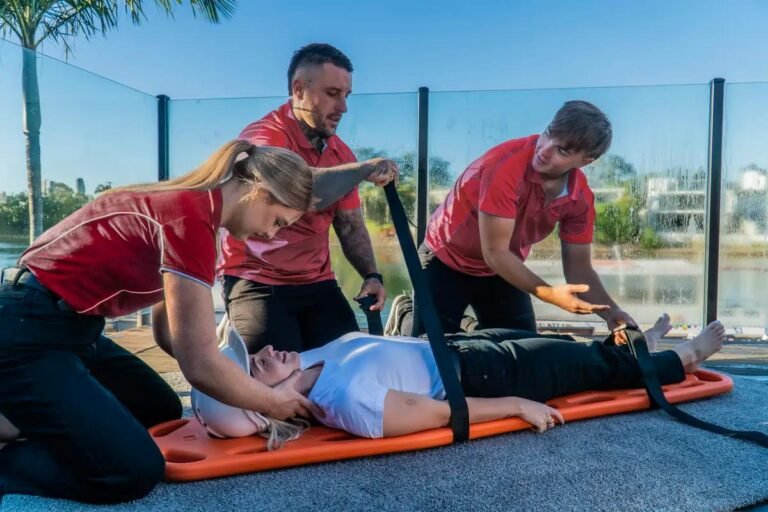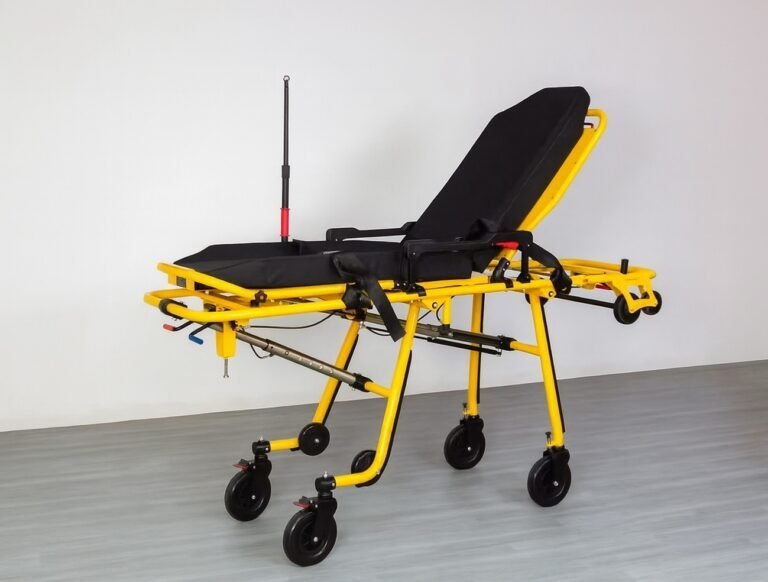
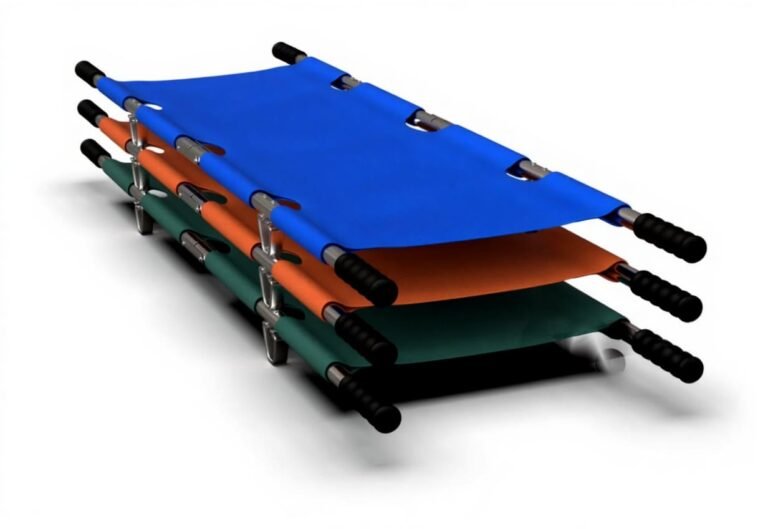
Struggling to choose the right stretcher? The term "folding stretcher" is confusingly broad. This mistake can lead to buying equipment that doesn't fit your operational needs.
A folding stretcher is a patient transport device designed to be collapsed for compact storage and easy portability.1 The key types are 2-fold and 4-fold, usually made from aluminum alloy or steel. Your choice depends on your specific needs for portability, storage space, and durability.
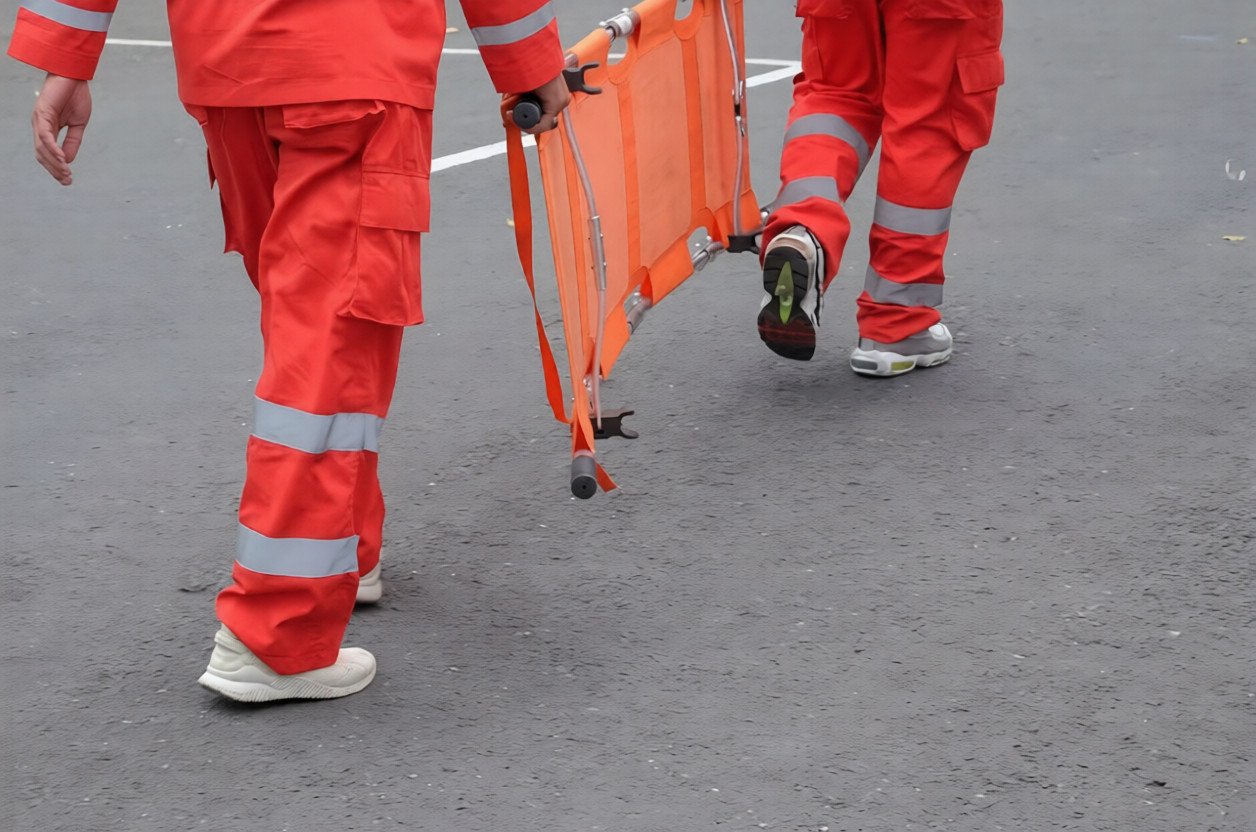
I often see buyers ask for "just a folding stretcher." But that's like asking a car dealer for "just a car." The real question isn't what it is, but which one is right for you. As a manufacturer, we see all the different requests, and I want to help you understand the options. To answer that, we need to look closer at the details. Let's break it down so you can make a smart choice for your customers or your team.
How Do 2-Fold and 4-Fold Stretchers Differ?
Worried about storage space? A bulky stretcher can be a logistical nightmare. Choosing the wrong fold type means wasting valuable room in an ambulance or storage closet, which can be critical.2
A 2-fold stretcher folds once in the middle, offering great strength and fast deployment.3 A 4-fold stretcher folds in half twice, making it much more compact for storage.4 The best choice depends on balancing extreme portability against frequent, heavy-duty use.

Based on the orders we process here at our factory, the choice between a 2-fold and a 4-fold stretcher comes down to one thing: logistics. It’s not about which one is "better" overall, but which one better solves a specific logistical problem. A frequent question from distributors who outfit ambulance fleets is about durability for high-frequency use. In this case, the 2-fold stretcher is often the top choice.
The 2-Fold Stretcher: The Workhorse
The 2-fold stretcher is simple and robust. It folds once along its length. This means it has fewer moving parts and hinges compared to a 4-fold model. In our experience, this straightforward design translates to incredible durability for daily, repetitive use. It can be opened and closed thousands of times with minimal wear. It’s the standard for many ambulance services because it's fast to deploy and extremely reliable. The trade-off is its folded size. It remains quite long, which is fine for a dedicated spot in a vehicle but not for compact kits.
The 4-Fold Stretcher: The Space-Saver
The 4-fold stretcher is an exercise in efficiency. It folds in half lengthwise and then in half again widthwise. This turns a full-sized stretcher into a small, portable package that can fit in a car trunk, a storage closet, or a large emergency backpack. We see a huge demand for 4-fold stretchers from clients preparing for mass casualty incidents, government tenders for disaster relief, or corporate clients needing on-site emergency equipment. When you need to store 50 stretchers, the space saved by the 4-fold design is a massive advantage. While it's still very strong, its primary benefit is its compact footprint.
| Feature | 2-Fold Stretcher | 4-Fold Stretcher |
|---|---|---|
| Folded Size | Long and relatively flat | Short and squarish |
| Portability | Good | Excellent |
| Deployment Speed | Very Fast | Fast |
| Best For | Ambulances, frequent daily use | Mass casualty kits, tight storage, mobile teams |
| Key Advantage | Simplicity and ruggedness | Compactness and portability |
Should I Choose an Aluminum or Steel Frame Stretcher?
Concerned about weight and long-term durability? The frame material seems like a small detail. But choosing wrong can lead to a stretcher that's too heavy for your team or rusts in humid climates.
Aluminum alloy stretchers are lightweight and naturally rust-resistant, making them ideal for mobile teams and diverse climates.5 Steel stretchers are heavier and stronger, often chosen for industrial settings or when budget is the top priority and weight is not a factor.6
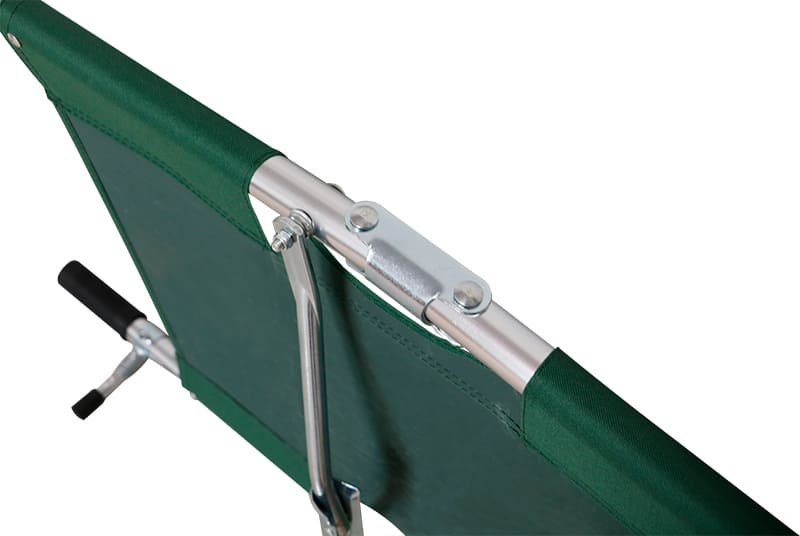
As a manufacturer, we work with both materials every day. A frequent question from distributors is about the cost-benefit analysis of aluminum versus steel. The answer almost always depends on the end-user's environment and budget. We can produce both to the highest standards, but their characteristics serve very different needs. It's important to understand the implications of this choice beyond just the sticker price, as it affects everything from shipping costs to user fatigue.
Aluminum Alloy: The Modern Standard
Most of the folding stretchers we export are made from high-strength aluminum alloy.7 There's a good reason for this. Aluminum is significantly lighter than steel. This matters a lot. It makes the stretcher easier for one or two people to carry over long distances. It also reduces the overall weight of a fully-stocked ambulance or emergency kit. From a procurement standpoint, lighter weight can even lead to lower international shipping costs.8 Another major advantage is its natural resistance to corrosion. We get many orders from clients in Southeast Asia and South America, where humidity is high.9 For them, an aluminum frame is essential to prevent rust and ensure a long service life.
Steel: The Budget-Friendly Powerhouse
Steel stretchers have their place, too.10 Steel is denser and typically stronger than aluminum, and it is almost always less expensive.11 We see steel frames requested by buyers for industrial first aid stations, construction sites, or mining operations. In these environments, the stretcher often stays in one place and isn't carried far. The extra weight isn't a problem, but maximum strength and a lower purchase price are key priorities. We use a powder-coating process on our steel frames to protect them from rust, but in very harsh, wet environments, aluminum still has the long-term advantage. If your budget is tight and the stretcher will be used in a relatively dry, fixed location, steel is a very practical choice.
| Feature | Aluminum Alloy Frame | Steel Frame |
|---|---|---|
| Weight | Lighter | Heavier |
| Corrosion Resistance | Excellent | Good (requires protective coating) |
| Strength-to-Weight Ratio | High | Lower |
| Cost | Higher | Lower |
| Best For | Mobile teams, all climates, ambulance use | Fixed first aid stations, budget-focused projects |
How Do I Choose the Right Folding Stretcher for My Needs?
Feeling overwhelmed by all the options? It's easy to make a costly purchasing mistake. Choosing without a clear system can mean getting equipment that fails your team when it matters most.12
To choose the right stretcher, start with your use case, not the product specs. First, define the operational environment. Second, assess your storage limits. Finally, consider your budget and required durability. This simple framework will guide you to the perfect choice.

When I talk to new distributors or procurement managers, I advise them to stop looking at product catalogs first. Instead, I ask them to create a simple requirements list. The "best" stretcher doesn't exist; the "right" stretcher for a specific job does. This is the exact process we use internally when a client requests an OEM/ODM product. We help them build their own selection criteria before we even talk about specific models. This approach removes the guesswork and ensures the final product is perfectly suited for its intended purpose.
Step 1: Define Your Primary Use Case
First, who will be using the stretcher and where? A paramedic team responding to emergencies in a city has very different needs than a factory safety officer. The paramedic needs a lightweight, quick-to-deploy stretcher that fits in an ambulance. An aluminum 2-fold is often perfect. The factory officer, however, might need a sturdy, low-cost stretcher for an on-site infirmary. A steel 2-fold could be ideal. If you are supplying a disaster relief agency, they will need hundreds of units that can be stored compactly and transported easily. A 4-fold aluminum stretcher is the clear winner here. Defining the use case is the most important step.
Step 2: Ask the Right Logistical Questions
Once you know the use case, ask these practical questions. I always push my clients on this.
- Storage: How much space do you have? This is the primary decider between a 2-fold and a 4-fold model. Be precise. Measure the compartment in your vehicle or your storage room.
- Environment: What is the climate? High humidity and rain demand aluminum.
- Budget: What is your cost per unit? This helps decide between steel and aluminum if other factors are equal.
- Transport: How far will it be carried? If the answer is more than a few meters, the lighter weight of aluminum becomes a critical safety and efficiency feature.
| Question to Ask | Why It Matters for Your Choice |
|---|---|
| Where will it be used most? (Ambulance, field, industrial site) | Determines the priority: portability, ruggedness, or cost. |
| How much storage space is available? | This is the main deciding factor between a 2-fold and 4-fold stretcher. |
| What is the climate like where it will be used? (Humid, wet, dry) | Influences the material choice between aluminum (rust-proof) and steel. |
| How far will your team need to carry it? | A key factor for choosing a lightweight aluminum frame over a heavier steel one. |
| What is the budget per unit? | Helps you balance features against cost, especially when choosing the frame material. |
Conclusion
Choosing a folding stretcher is simple when you focus on your specific use case. By considering the fold type, frame material, and your logistical needs, you can select the right equipment confidently.
This source defines folding stretchers as collapsible patient transport devices, emphasizing their portability and storage benefits. ↩
This source discusses the impact of stretcher fold types on storage efficiency in emergency vehicles. ↩
This source explains the structural design and deployment advantages of 2-fold stretchers. ↩
This source describes the compact storage benefits of 4-fold stretchers due to their folding mechanism. ↩
This source highlights the lightweight and rust-resistant properties of aluminum alloy stretchers, suitable for various climates. ↩
This source discusses the strength and cost advantages of steel stretchers, particularly for industrial use. ↩
This source provides export data or industry trends showing the prevalence of aluminum alloy stretchers. ↩
This source explains how the weight of medical equipment affects international shipping costs. ↩
This source provides regional demand data for aluminum stretchers in humid climates. ↩
This source discusses scenarios where steel stretchers are preferred, such as industrial or fixed-location use. ↩
This source compares the density, strength, and cost of steel versus aluminum in medical equipment. ↩
This source emphasizes the importance of systematic procurement in avoiding equipment mismatches. ↩