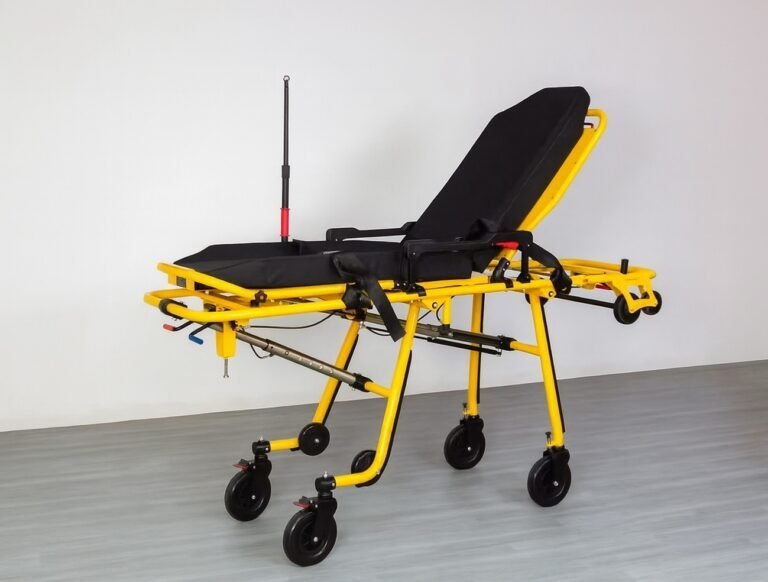
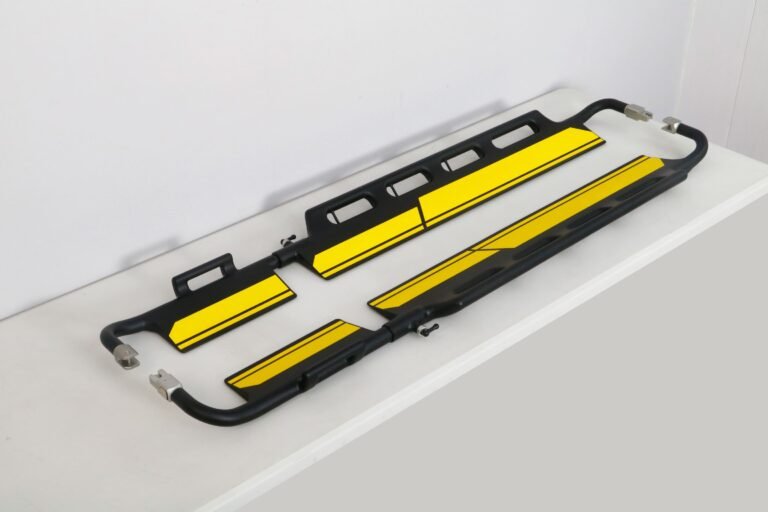
You need to purchase scoop stretchers, but the wrong choice can lead to field failures and operational risk. Making a smart investment requires looking beyond the basic definition.
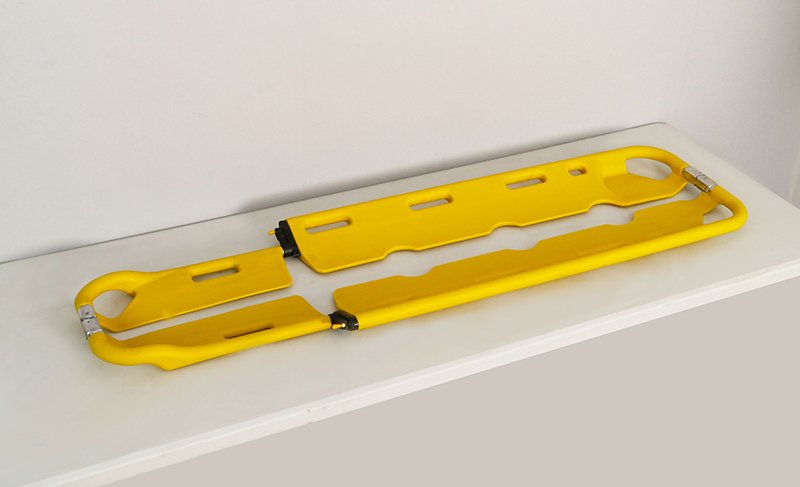
A scoop stretcher is a device designed to lift a patient with a suspected spinal injury onto a backboard or hospital bed. It splits vertically into two halves, which are gently slid under the patient and reconnected. For a B2B buyer, its true definition includes the material, design, and compliance risks you must evaluate before purchasing.
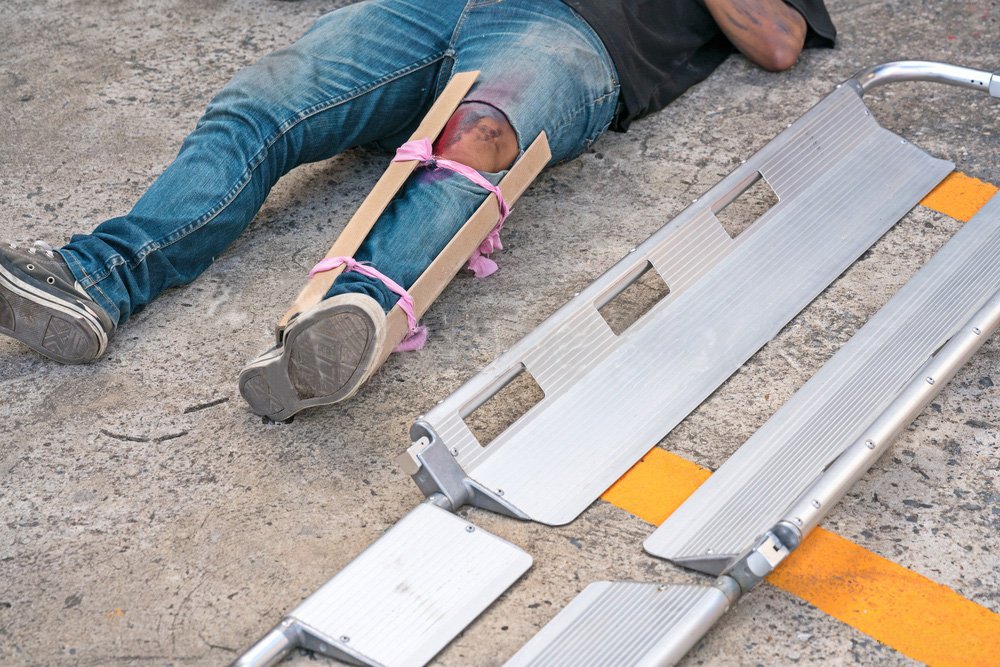
Most people stop at the basic definition. They see it as a simple tool. But as someone who reviews product documentation for a living, I can tell you that this view is risky. The real challenge for a procurement manager isn't understanding what it is, but understanding the differences between the dozens of models on the market. These differences directly impact user safety, patient outcomes, and your organization's budget. To make a responsible choice, you have to dig deeper. The real question is, what should you be looking for?
How Do Materials Impact More Than Just Weight and Cost?
You see "aluminum" or "plastic" on a spec sheet and think the choice is simple. But the specific grade and quality of these materials hide risks that affect durability and patient care.
The material—typically aluminum alloy or a high-density polymer—dictates the stretcher's weight, durability, and X-ray compatibility.1 Buyers must ask for specifics beyond the simple label, as the grade of the material directly impacts long-term performance, cleaning protocols, and patient safety during medical imaging.2
When we analyze product files, we see that the term "material" can be misleading. It’s not a single choice but a range of options with different trade-offs. A common point of confusion for buyers is treating all stretchers made of the same base material as equals. They are not. You need to break down what the specifications actually mean for your operations.
Deconstructing Material Specifications
Let's look at the two main categories and what you should ask a supplier about each.
| Material | Key Considerations for Buyers | What to Ask Your Supplier |
|---|---|---|
| Aluminum Alloy | Grade & Durability: Not all aluminum alloy scoop stretchers use the same material grade. Higher-grade aluminum alloy can offer a better strength-to-weight ratio, helping the stretcher stay lightweight while resisting bending, deformation, and daily rescue wear. Surface Treatment: Ask whether the surface is anodized or powder-coated. A well-treated surface can improve corrosion resistance, make cleaning easier, and help the stretcher maintain a professional appearance after repeated use.3 | What aluminum alloy grade do you use for this scoop stretcher? Is the surface anodized or powder-coated? Can you provide material or surface treatment details before bulk order? |
| High-Density Polyethylene (HDPE) | Radiolucency: HDPE scoop stretchers are commonly chosen because the material can support X-ray imaging, helping reduce unnecessary patient movement during emergency assessment or hospital transfer.4 Durability & Temperature Resistance: The quality of HDPE affects impact resistance, cracking resistance, and cleaning performance.5 Buyers should confirm whether the material is virgin HDPE and whether the stretcher has been tested for hot, cold, or outdoor rescue environments. | Is this scoop stretcher made from 100% virgin HDPE? What temperature range has the material been tested for? Can the stretcher be cleaned and disinfected repeatedly without surface damage? |
From my experience reviewing supplier documents, a lower price often correlates with a lower-grade material. This might not be obvious from a sales brochure. The only way to be sure is to ask for material specification sheets.
Are All Locking Mechanisms and Hinges Created Equal?
You assume the mechanism connecting the stretcher's two halves is standard. But a weak or complex lock can cause delays, create training problems, or make your equipment unusable.
No, locking mechanisms are a critical and highly variable component. They directly impact the speed and safety of a rescue. Buyers should assess if a lock is intuitive, durable under stress, and uses standard parts to avoid future maintenance and replacement issues.
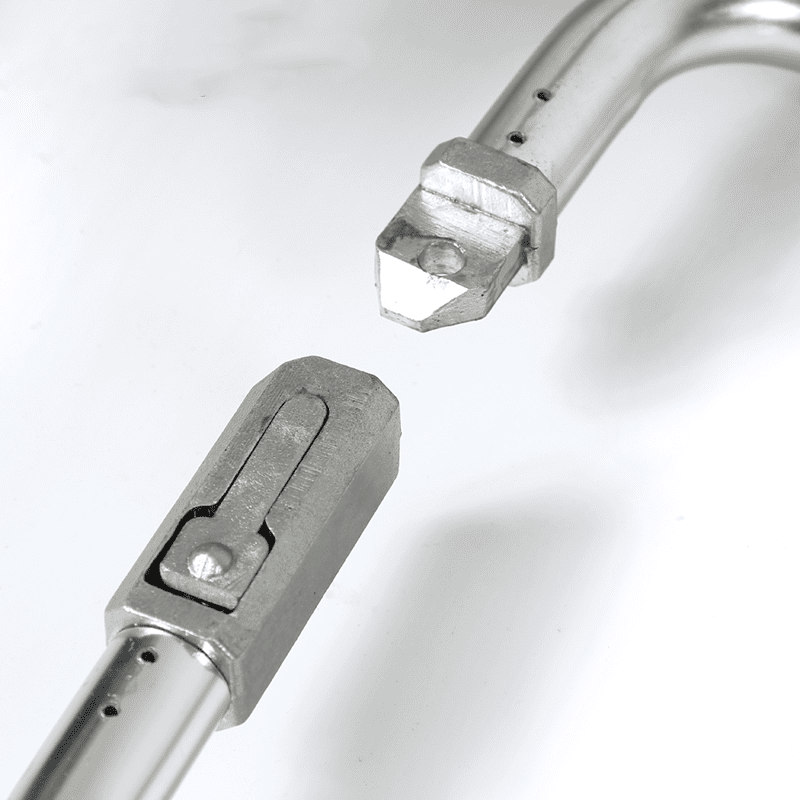
The hinge and lock system is where a scoop stretcher either succeeds or fails. In a high-stress situation, fumbling with a difficult lock wastes precious seconds. From a procurement standpoint, it's also a major point of long-term risk. A "unique" or "innovative" design might sound good in a sales pitch, but it can become a huge problem down the road. You must evaluate these small parts as major components of your operational system.
Evaluating Design Features as Operational Risks
Think of the design not in terms of features, but in terms of potential problems.
-
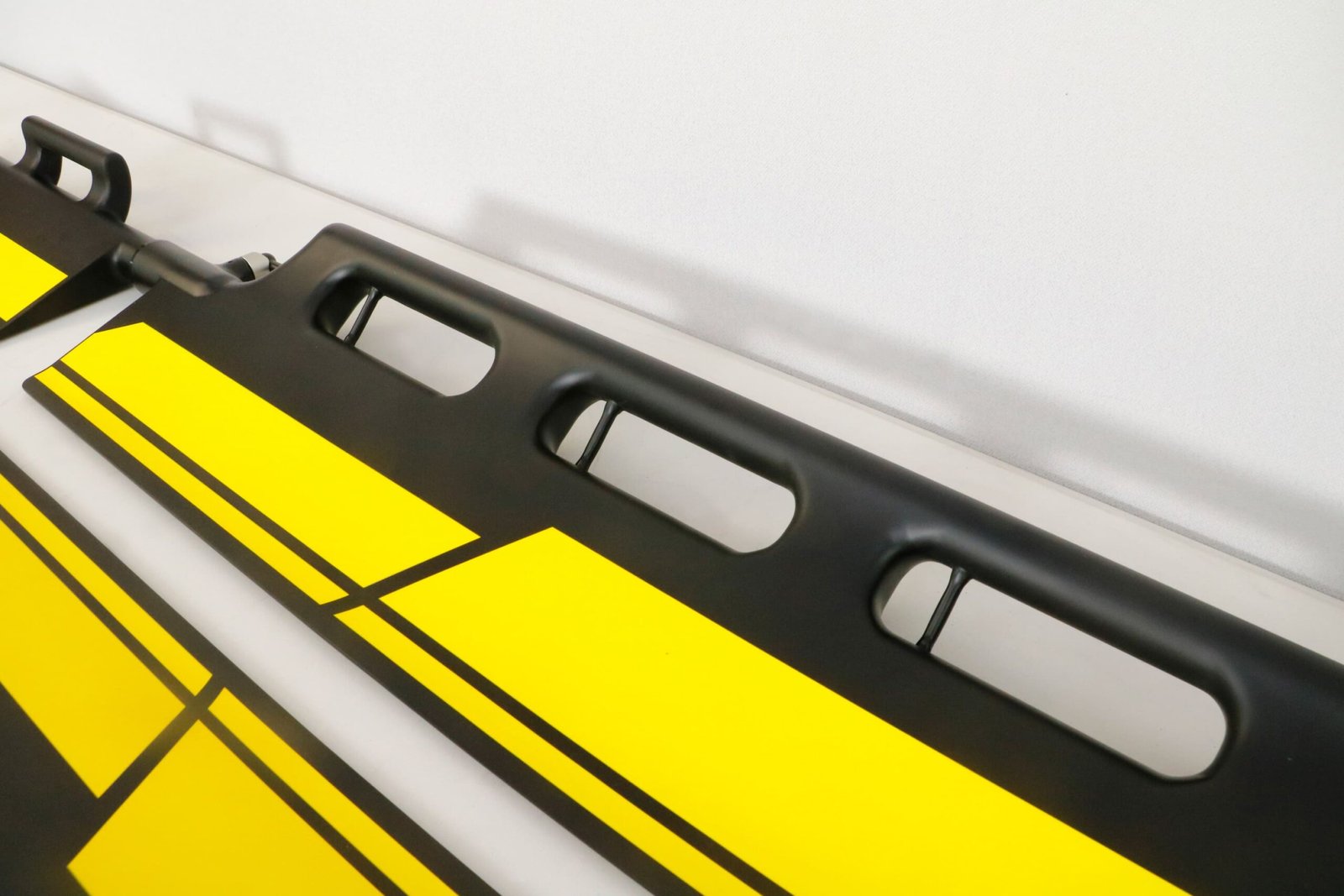
The Locking Mechanism: We see two common types in product designs: simple pin-style locks and more complex clutch or clasp systems. Pin-style locks are often faster and more intuitive, especially for users wearing thick gloves. When evaluating a supplier, ask about the materials used in the lock itself. Are they metal or plastic? Plastic components may wear down or break more easily over time.6 The most important question is: "Is this a proprietary design?" If it is, and the supplier stops making that part, your entire stretcher could become useless. This is a serious supply chain risk.
-
The Hinge System: The hinge is the pivot point where the stretcher separates.7 Based on product testing data, this area is under constant stress. Look at how the hinge is constructed. Is it a separate component bolted onto the frame, or is it integrated into the main body of the stretcher? Integrated designs tend to be stronger and have fewer failure points.8 Ask the supplier for details on the hinge's construction and any stress testing data they have. A reliable hinge ensures the two halves align perfectly and securely every time, which is critical for patient safety.
How Can You Verify a Supplier's Quality and Compliance Claims?
A supplier promises high quality and full compliance with regulations. But without proof, these are just marketing words. An uncertified product could be a major liability for your organization.
Verify supplier claims by requesting and inspecting key documents. Do not rely on promises. Ask for their ISO 13485 certificate, the relevant CE or FDA registration for your market, and load capacity test reports. These documents provide objective proof of manufacturing standards and product safety.
In my role, I help buyers navigate this exact problem. A sales representative will always say their product is the best. Your job is to verify that with objective evidence. An unusually low price is often a red flag, signaling potential shortcuts in materials or a lack of proper certification. Protecting your organization means doing your due diligence and looking at the paperwork. This isn't about mistrust; it's about responsible procurement.
A Buyer's Checklist for Due Diligence
A common point of confusion for buyers is knowing which documents matter. Here are the essentials to request from any potential supplier.
| Document | What It Proves | What to Look For |
|---|---|---|
| ISO 13485 Certificate9 | Process Quality: This shows the manufacturer has a certified Quality Management System specifically for medical devices. It proves they have documented and repeatable processes for design, production, and control. | Make sure the certificate is current and issued by an accredited body. Note that ISO 9001 is a general quality standard; ISO 13485 is the specific standard for our industry. |
| CE / FDA Certificates10 | Market Access & Safety: This proves the product is legally allowed to be sold in your target market. CE is commonly used for Europe, while FDA-related documentation is relevant for the USA. It confirms the product meets applicable market requirements. | Ask for the actual certificate or registration number, not just a logo on a website. You can often verify the number in the regulatory body's public database. |
| Load Capacity Test Report11 | Product Strength: This provides evidence for the claimed weight capacity. A claim of "rated for 200 kg" is meaningless without a test report to back it up. | Look at the test methodology. Was the test for the "Safe Working Load" or the "Breaking Point"? A responsible supplier provides the safe working load, which includes a safety margin.12 |
Requesting these documents moves your conversation from a sales pitch to a professional evaluation. A trustworthy supplier will have them readily available.
Conclusion
Choosing the right scoop stretcher is not about its basic definition. It's a process of evaluating materials, design risks, and verified supplier claims to ensure safety and long-term value.
1.Reference for material behavior and imaging-related polymer discussion. ↩
2.Reference for healthcare equipment cleaning and disinfection considerations. ↩
3.Reference for anodized aluminum surface properties. ↩
4.Reference for imaging quality and patient movement concerns. ↩
5.Reference for HDPE performance in low-temperature environments. ↩
6.Reference for medical equipment risk and failure assessment. ↩
7.Reference for hinge-like stress and mechanical design discussion. ↩
8.Reference for medical device design and regulatory discussion. ↩
9.Reference for medical device quality system requirements. ↩
10.Reference for FDA device approval and clearance information. ↩
11.Reference for safety and performance testing of medical equipment. ↩
12.Reference for medical device risk assessment and safety evaluation. ↩