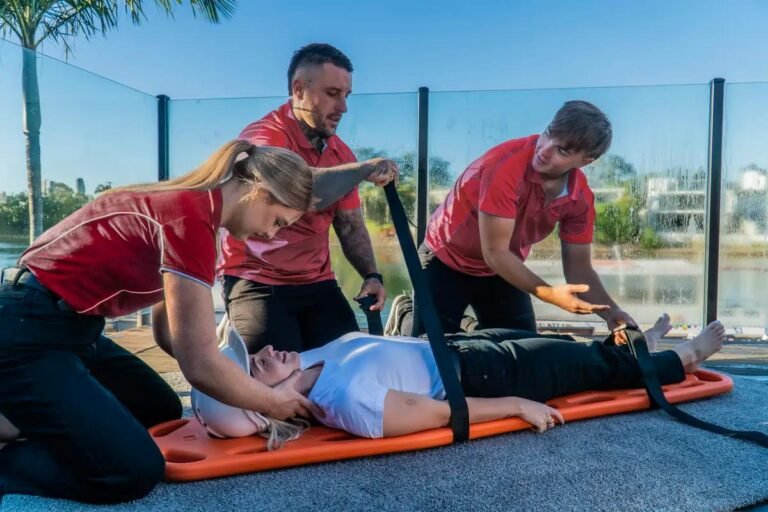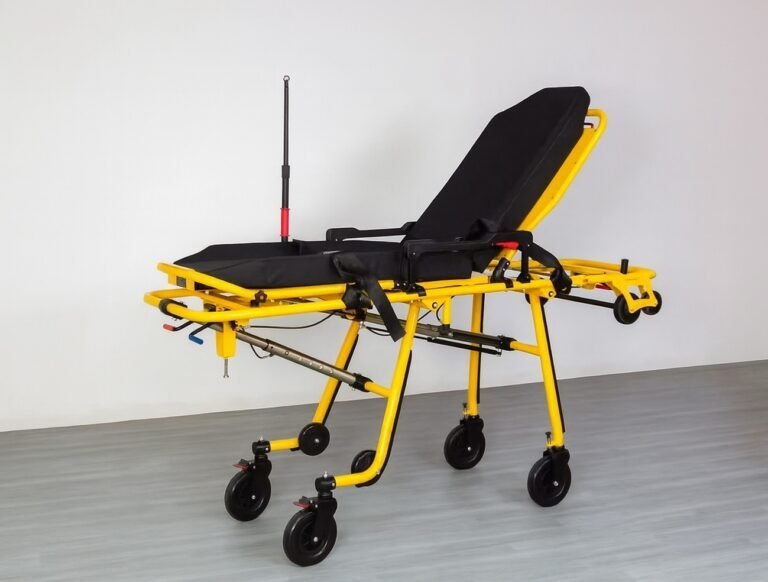
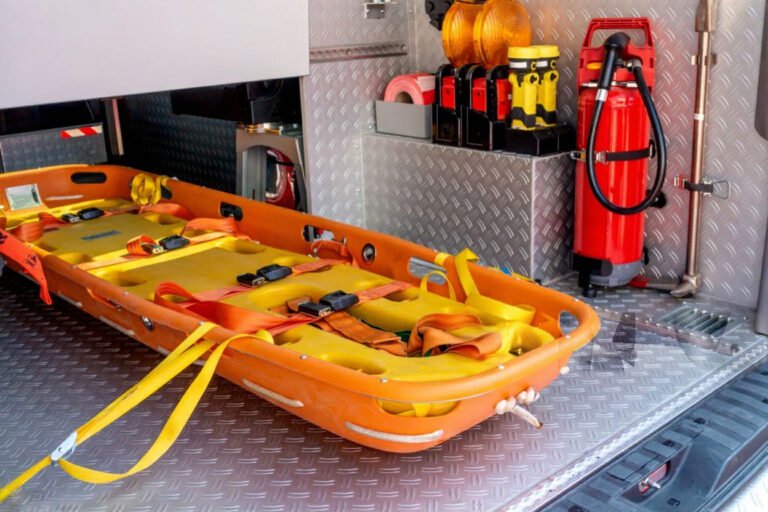
Before a basket stretcher carries a patient, the team has to get it to the scene. That is where the choice usually starts: can a full-length basket fit through the route, or does the team need something that packs shorter?
The short answer: Basket stretchers are most clearly divided into one-piece and split-apart (two-piece) designs. “Folding” usually describes how a model packs for storage; it is not a consistent third structural category. Ferno's Model 71 Series manual1 lists a standard basket and a two-piece Model 71-S, while a U.S. Department of Homeland Security equipment survey2 also uses “one-piece” and “split-apart.”
The Two Main Basket Stretcher Structures
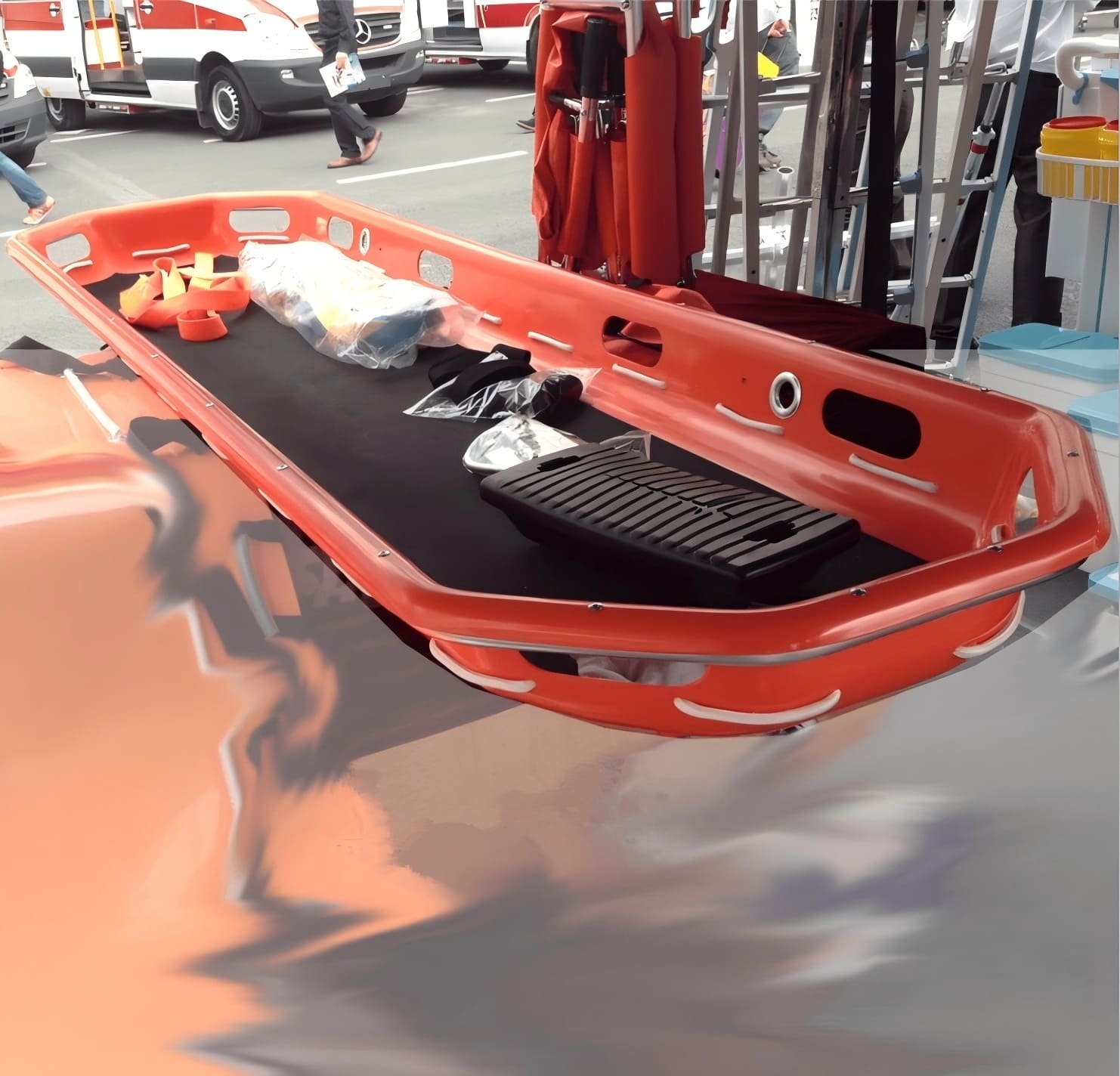
One-piece: simple to prepare, full length to carry
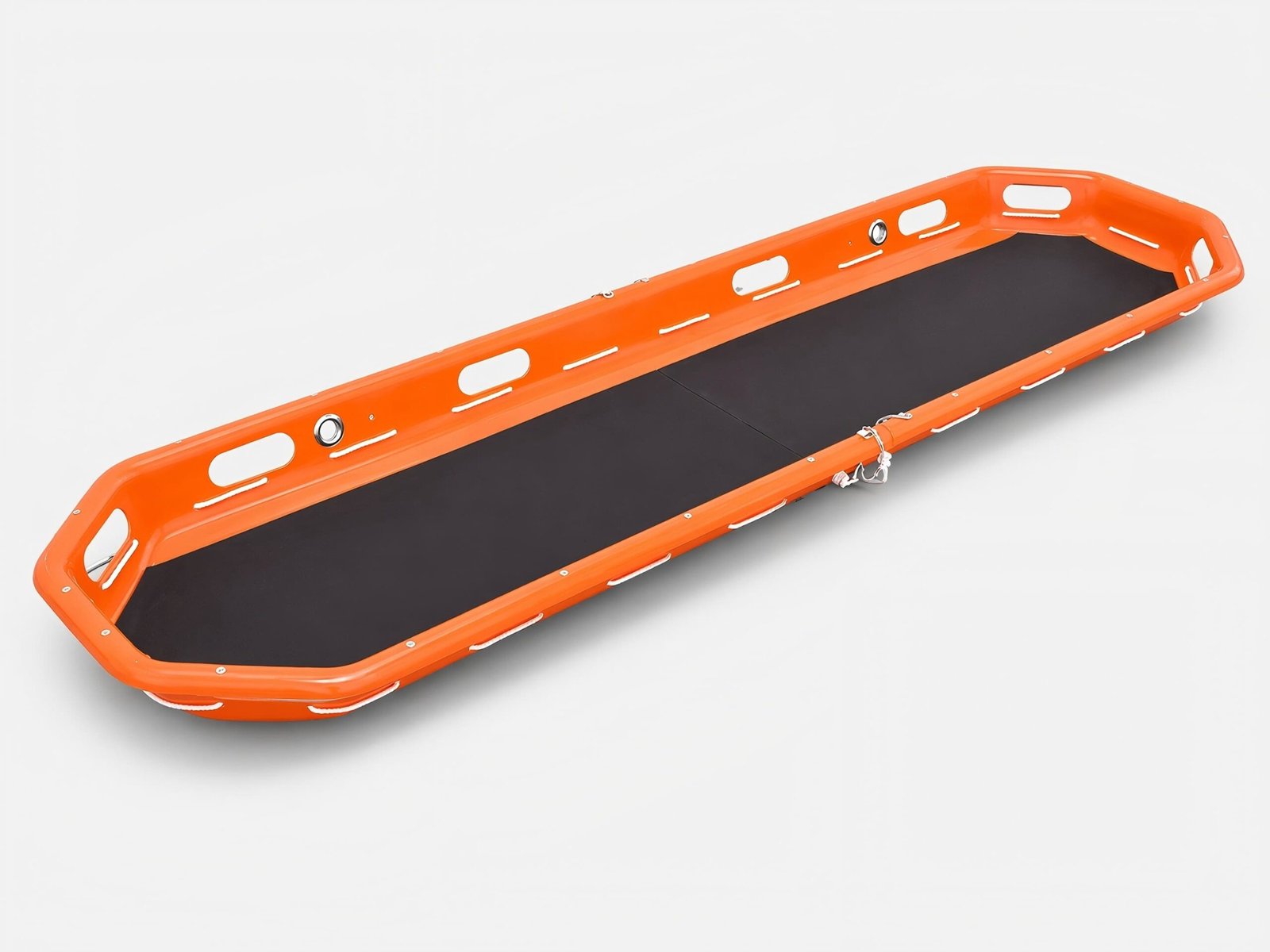
A one-piece basket stays assembled. It may be a molded plastic shell or a fixed metal frame. There is no middle section to open or join, but the team needs enough room to store it and bring it through doors, stairs, hatches, and turns.
If you are considering one, measure the narrowest part of the route, not just the ambulance compartment.
Split-apart: easier to carry and store
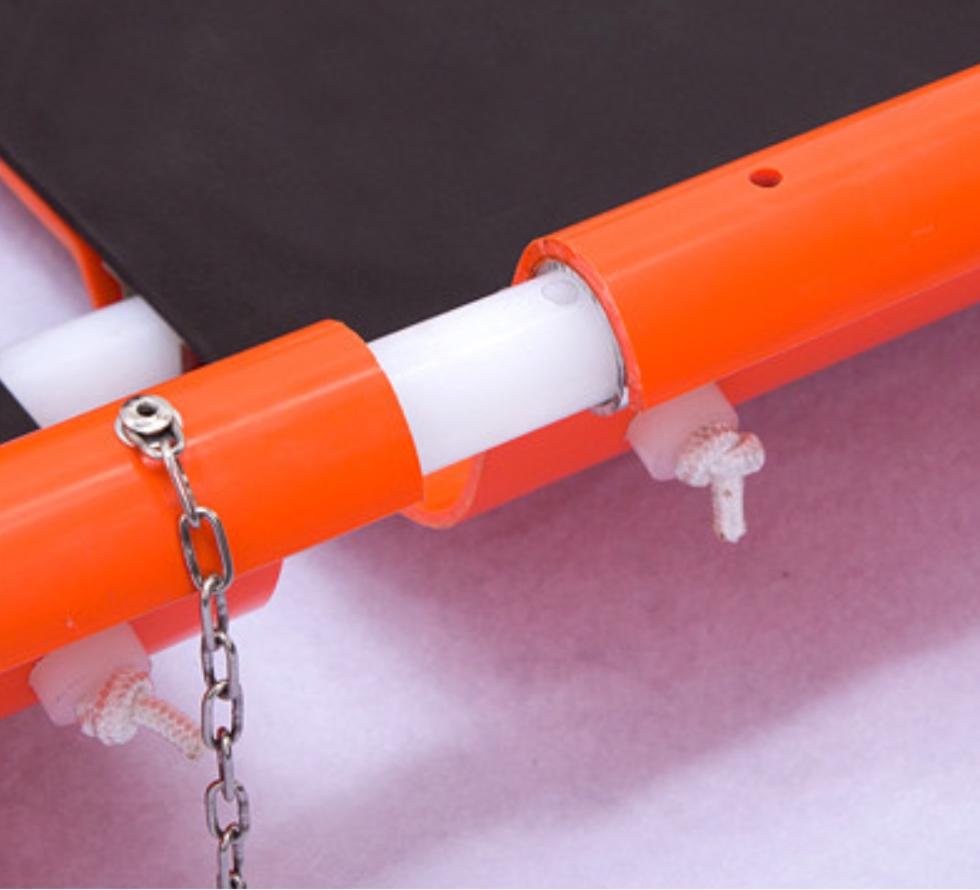
A split-apart basket separates into two sections for transport or storage. Choose this structure when the route includes narrow stairs, hatches, caves, steep approaches, or a long walk from the vehicle. The sections are joined before the patient is placed in the basket.
What Does “Folding” Mean on a Product Page?
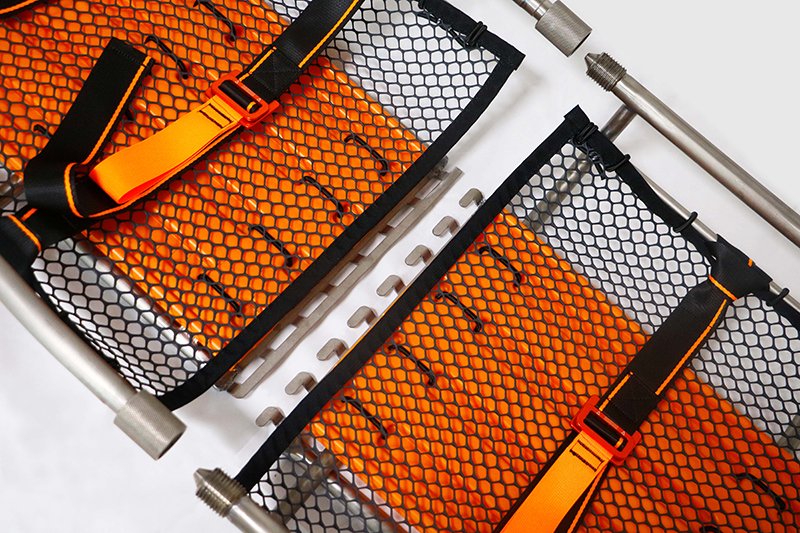
It means the basket packs into a shorter size, but the mechanism may differ. One model may fold at a hinge; another may separate at the center and stack or nest for transport. Look at the folded dimensions and connection method to see what the supplier actually means.
For example, the YJK-B-7(1) titanium-alloy basket stretcher is described as foldable, packs to about 109 cm, and uses a detachable center connection. If you need this compact, separable style, Jiekang offers a more affordable option with dependable build quality.
Which Type Should You Look At First?
| Your main concern | Start by comparing | Check closely |
|---|---|---|
| Quick setup and a clear route | One-piece | Full length and storage space |
| Limited storage or a difficult approach | Split-apart | Packed size, connection method, and assembly steps |
Plastic or Metal: Which Should You Choose?
The material choice becomes easier when you start with the working environment:
- Choose a polyethylene basket when you want an enclosed shell, a surface that is easy to wipe down, and good resistance to water and corrosion. It is a practical starting point for general rescue, wet or dirty environments, and teams that clean equipment frequently. Most molded models remain full length, so check storage space and access first.
- Choose stainless steel when durability and a rigid frame matter more than carrying weight. It suits teams expecting frequent use, rough handling, or demanding industrial, fire, coastal, and technical-rescue environments. The trade-off is weight: a steel basket can be tiring to carry over a long approach.
- Choose titanium alloy when the basket must be carried farther, moved through restricted access, or handled by a smaller team. It offers the strength and corrosion resistance of a metal frame at a lower weight than stainless steel. A compact or separable design can also make it easier to store in a rescue vehicle.
My simple rule is this: polyethylene for easy cleaning and an enclosed shell, stainless steel for rugged everyday durability, and titanium alloy when lower weight and portability matter most.
Material alone does not approve a basket for water rescue, vertical lifting, helicopter use, or any other technical operation. Check the instructions, lifting points, restraints, slings, rated load, and approved accessories for the exact model. You can compare these details across Jiekang's polyethylene, stainless-steel, and titanium-alloy basket stretchers.

Five Things to Check Before Ordering
- The route: Will the full basket or its packed sections fit the vehicle and the tightest access point?
- The setup: Does it hinge, separate, or use both mechanisms? What must be checked after opening or joining it?
- The rated load: Use the model's stated load capacity. A suspension pull-strength figure is a different specification.
- The complete kit: Confirm restraints, liner, foot support, and any needed lifting accessories individually. The Ferno Model 71 basket manual1 is one example of model-specific guidance for patient restraints.
- A sample trial: Have trained users check assembly, patient securing, carrying, cleaning, and repacking with the exact model.
Frequently Asked Questions
Is “folding” a third basket stretcher type?
Not as a universal classification. It describes compact storage. The basket may use a hinge or detachable sections, so check the mechanism shown in the product specifications.
Can every basket stretcher be used for hoisting?
No. Check the manufacturer's instructions for the exact basket, approved lifting accessories, rated limits, and intended method. The basket's patient-load rating and a sling's pull-strength figure do not mean the same thing.
Which basket should I choose?
Start with the route to the patient and the space available for storage. Then compare how each model packs, how the team prepares it, and what equipment comes with it. The right basket is one your team can get to the scene and use as its instructions allow.
[Model 71 Series Basket Stretchers manual](https://ferno.com/getmedia/dc8cb9c5-f1ec-4b95-8f66-e76a7853641d/71-basket-series-0237-06.pdf?ext=.pdf), Ferno. Lists the standard Model 71 and two-piece Model 71-S. ↩
[Extrication Devices Market Survey Report](https://www.dhs.gov/sites/default/files/publications/Extrication-Devices-MSR_1114-508_0.pdf), U.S. Department of Homeland Security. Includes one-piece and split-apart basket stretchers. ↩