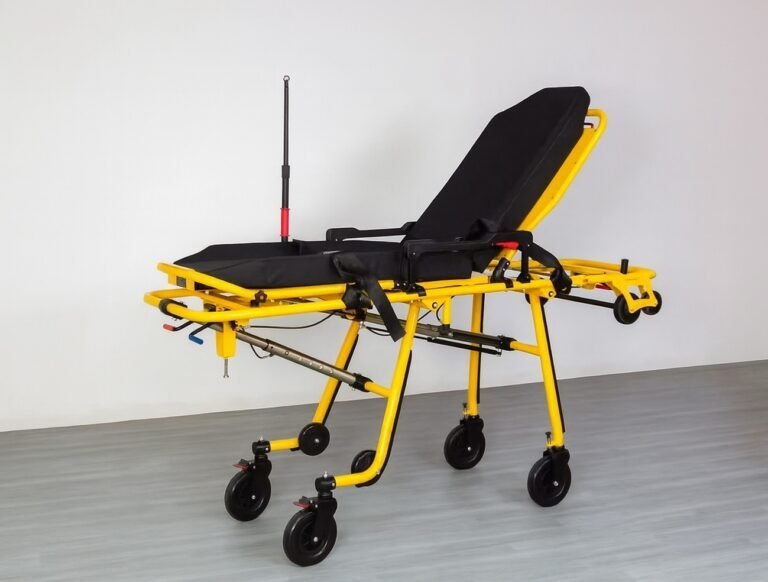

You're sourcing ambulance stretchers from China but worry they won't fit your Western ambulances. A simple mismatch can make your purchase useless, causing project delays and financial loss.
Yes and no. While basic dimensions are often similar, the true difference is not in the stretcher's size but in the ambulance's locking system and guide rails. These are tied to regional standards like EN 1789 in Europe. Focusing only on stretcher dimensions is a common, costly mistake.
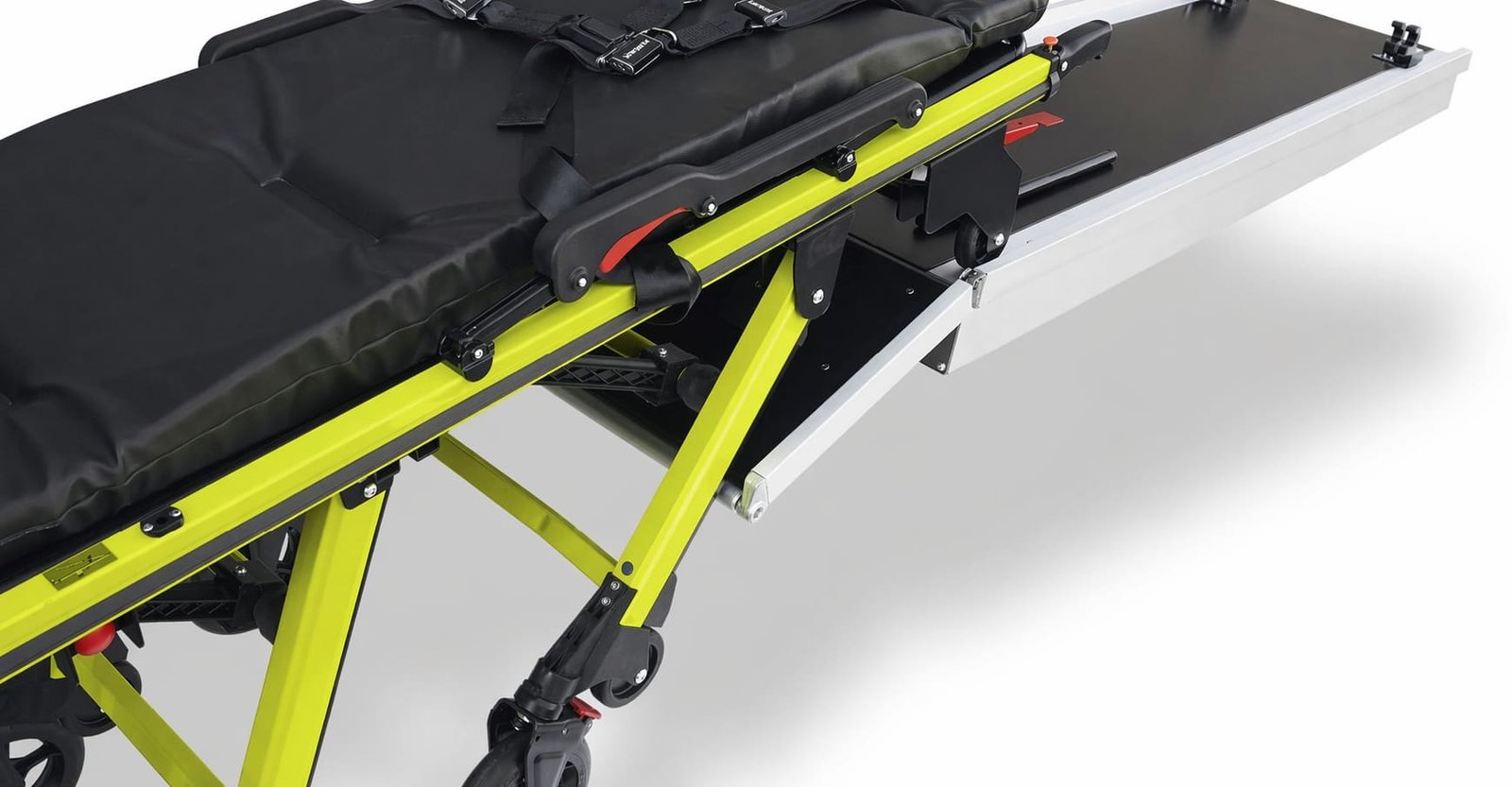
When I first started in this business, many people asked me for a stretcher of a specific length and width. It seemed like a simple request. But I quickly learned that the most important questions were not about the stretcher itself, but about the vehicle it was going into. A stretcher that is the perfect size on paper is completely useless if it cannot be secured safely in a moving ambulance. So, if it's not just about length and width, what are the critical details you must check before placing an order? Let's break it down.
Why Is "What Vehicle Is It For?" a Better Question Than "What Are the Dimensions?"?
You have found a stretcher with the right dimensions. You feel confident about the purchase. But what if it doesn't lock into your ambulance? The perfect size means nothing if it's not secure.
This question shifts the focus from simple measurements to the crucial interface between the stretcher and the ambulance. It forces a discussion about the locking mechanism, guide rail width, and loading height1. These are the true determinants of compatibility, not just the stretcher's length and width.
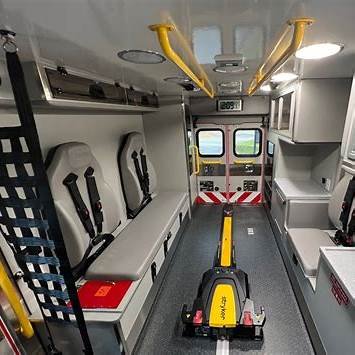
In my experience, the most successful projects start with a conversation about the ambulance, not the stretcher. I remember a client from Europe who was very focused on getting a stretcher that was exactly 190cm long. We had a model that matched, but I had to ask, "What ambulance model are you using?" It turned out their ambulance used a specific rail locking system that our standard model did not fit. We were able to provide a compatible fastening system, but only because we asked the right question first. This saved the client from receiving a stretcher they couldn't use. To avoid this, you need to look beyond the spec sheet and check the mechanical interfaces.
Key Compatibility Checks
| Check Point | Why It Matters |
|---|---|
| Locking System | This is the most critical safety feature. It secures the stretcher during transport. A mismatch can be dangerous for both the patient and the medics. |
| Guide Rail Spacing | This determines if the stretcher's wheels will align with the tracks on the ambulance floor. If the spacing is wrong, the stretcher won't slide in. |
| Loading Height | The stretcher's height when the undercarriage is folded must align with the ambulance floor. If it's too high or too low, loading becomes difficult and unsafe. |
| Cabin Interior Width | You need enough space for the stretcher and for personnel to work around it. Always measure the narrowest point of the ambulance cabin. |
Are European EN 1789 Standards the Only Thing That Matters?
You see "EN 1789 compliant" and assume the stretcher is perfect for your European market. But compliance is complex. A stretcher might meet some parts of the standard but still not fit your specific setup.
No, it's not the only thing, but it's a vital framework for the European market. EN 1789 dictates requirements for the stretcher and its fastening system. This means a compliant stretcher must work with a compliant lock, ensuring a tested and safe combination for the entire system.
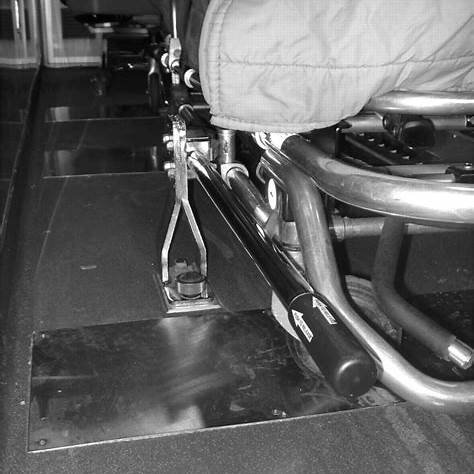
EN 1789 is a European standard for medical vehicles and their equipment. It's a comprehensive guide that ensures everything works together safely. Our European customers always ask about EN 1789 compliance2. It is often the first item on their checklist because it provides a baseline for safety and quality. However, in other regions, the focus can be very different. For example, some of our clients in South America or Asia are more concerned with fitting a stretcher into a specific Toyota HiAce or Ford Transit van they already use. These vehicles may not follow any official standard. This highlights a key difference in procurement focus across markets.
Regional Focus Differences
- European Market:
- Primary Concern: Full compliance with the EN 1789 system.
- Key Question: "Is your stretcher and its fixing system certified to EN 1789?"
- Other Markets (e.g., Domestic China, some developing countries):
- Primary Concern: Direct fitment into existing, often non-standardized, vehicle fleets.
- Key Question: "Will this stretcher fit in my current ambulance model?"
This shows that while standards are an excellent starting point, the practical application and local vehicle realities are just as important.
Do Electric Stretchers Change the Compatibility Equation?
Electric stretchers seem like a great upgrade for safety and ease of use. But their added weight and complex systems introduce new compatibility challenges you might not expect. This requires more planning.
Yes, absolutely. Electric stretchers require more than just mechanical compatibility. You must verify the ambulance's floor can support the extra weight and that its electrical system can handle the stretcher's charging requirements. The fastening system must also be rated for the higher weight of the electric cot.

We are seeing a huge increase in demand for electric ambulance cots, especially from our Western clients. They reduce the risk of back injuries for paramedics, which is a major benefit. But this upgrade is not a simple swap. An electric stretcher is much heavier than a manual one. This extra weight puts more stress on the ambulance floor, the wheels, and the locking mechanism. I always advise clients to think of an electric stretcher as a 'system upgrade' for the ambulance, not just a new piece of equipment. It requires a more holistic check of the vehicle's capabilities.
Key Considerations for Electric Stretchers
- Weight Capacity: An electric stretcher can be 20-30 kg heavier than a manual one. Can the ambulance floor and the locking mechanism handle this extra load safely? This is a critical safety point that must be confirmed.
- Power System: How will the stretcher's battery be charged? Does the ambulance have a dedicated, correctly wired charging port? You need to ensure the vehicle's electrical system can support it without issues.
- Clearance and Space: The motors and battery housing add bulk. You must re-check all clearances, including the loading height1 and the space inside the ambulance cabin, to ensure it still fits and leaves room for medics to work.
How Can I Be 100% Sure a Chinese Stretcher Will Fit My Ambulance?
You are ready to order, but a small doubt about fitment remains. An incorrect order could mean expensive return shipping or a useless product stuck in your warehouse. You need certainty.
The best way is to conduct a physical test with a sample. Don't just check the dimensions on paper. You must test the entire process: loading it, securing the lock, unloading it, maneuvering it through hallways, and checking if it fits in elevators.

When we work on a large export project, we always recommend a sample validation phase3. It seems like an extra step, but it has saved our clients so much time and money down the line. Reading a technical data sheet is one thing, but seeing how the stretcher works with your vehicle and in your environment is another. It moves the discussion from theory to reality. There is no substitute for a real-world test. Based on my experience helping clients with this, I've put together a simple checklist to ensure you cover all the important points.
The Ultimate Sample Test Checklist
- The Docking Test: Does the stretcher slide into the vehicle's guide rails smoothly? Does the lock engage securely with a clear 'click' and feel solid?
- The Loading/Unloading Test: Can one or two people load and unload the stretcher without excessive strain? Does the height align correctly with the ambulance floor?
- The Maneuverability Test: Can you easily navigate tight corners in a building or hallway? Do the wheels roll smoothly?
- The Elevator Test: This is the one people often forget. Does the stretcher fit comfortably inside the elevators of the hospitals you serve most often?
By running through these real-world scenarios, you move beyond technical sheets and confirm practical usability. This is the gold standard for ensuring a perfect fit.
Conclusion
Choosing the right ambulance stretcher goes beyond dimensions. Focus on the vehicle system, locking compatibility, and real-world testing to ensure a safe and successful purchase every time.
Loading height alignment is crucial for safe and efficient stretcher loading into the ambulance. ↩
EN 1789 compliance ensures the stretcher meets European safety and quality standards, vital for the European market. ↩
Testing a stretcher sample ensures real-world compatibility, saving time and money on incorrect orders. ↩