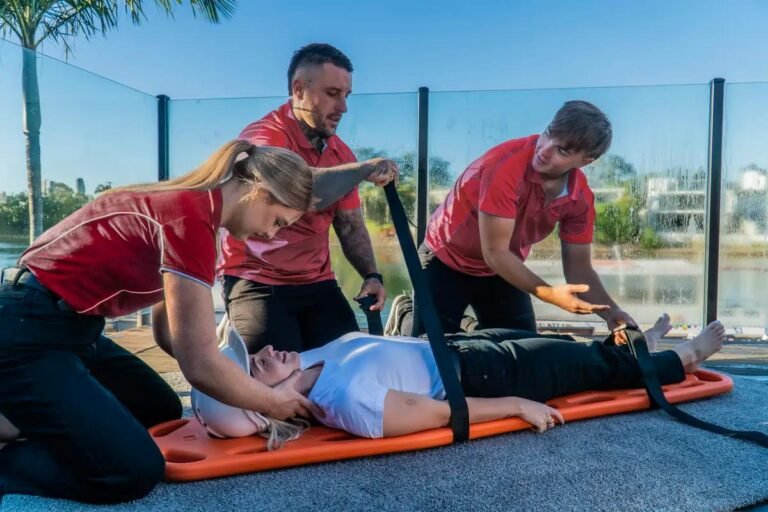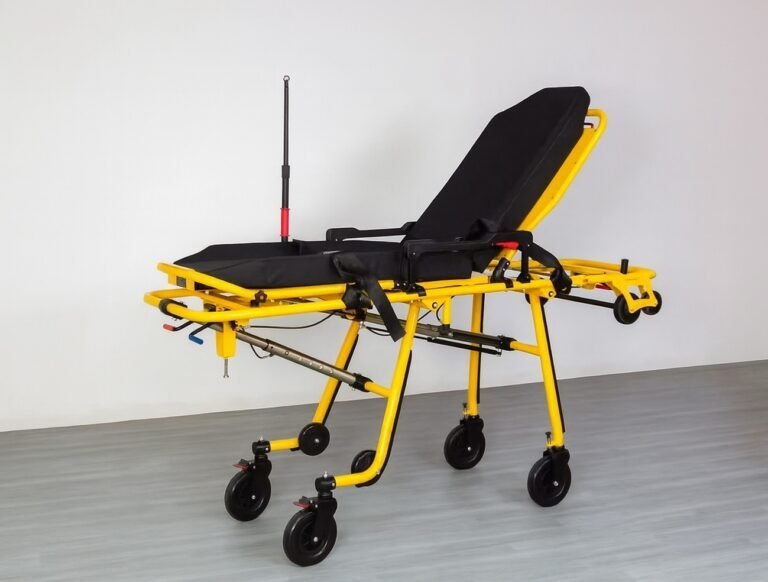
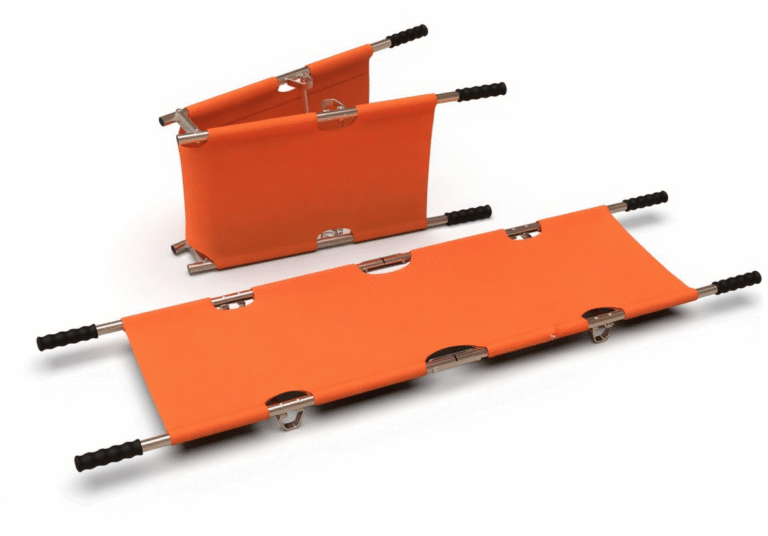
Choosing the wrong folding stretcher can be a critical mistake. Don't risk patient safety or operational efficiency. My guide ensures you make the right choice every time.
To choose the right emergency folding stretcher, focus on material quality1, weight capacity2, and folded/unfolded dimensions3. Always ask about the supplier's maintenance policy4 and the availability of spare parts5. This ensures long-term reliability and a lower total cost of ownership6 for your team.

I've been in this business for years. I have seen clients make simple mistakes that cost them a lot of money later on. It is not just about the first price you pay. It is about getting a tool you can rely on when lives are on the line. Let's break down the key things you must think about.
Why Do Unfolded and Folded Dimensions Matter So Much?
Worried your new stretcher won't fit your ambulance or storage? This common mistake can cause major delays. Here’s why you must check both unfolded and folded dimensions before buying.
Unfolded dimensions ensure patient comfort7 and compatibility with other equipment like head immobilizers8. Folded dimensions are critical for storage in ambulances9 and emergency closets10. Verifying both prevents logistical problems11 and ensures your stretcher is always ready for immediate use when you need it most.
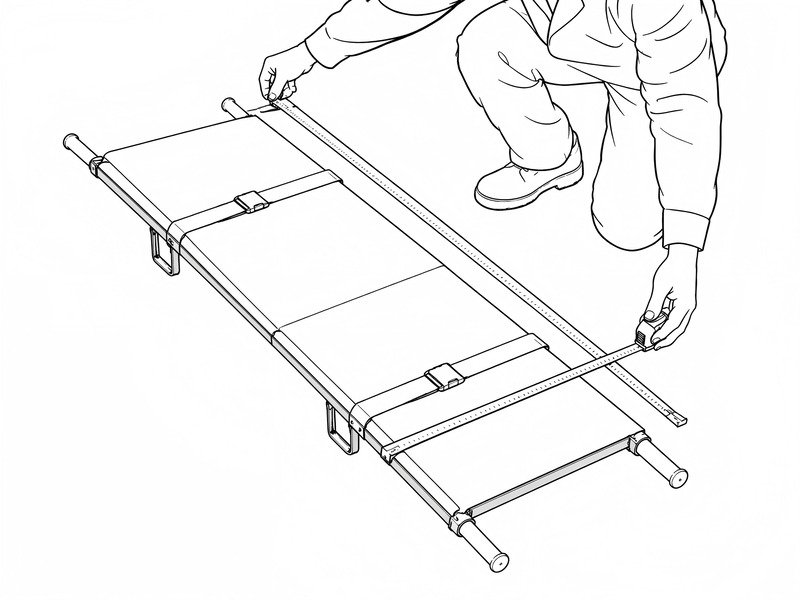
When you are buying a folding stretcher, it is easy to focus only on the price or the material. But I have learned that dimensions are one of the most important details. A stretcher is useless if it doesn't fit where you need it to. Let's look closer at why both sets of measurements are so important.
Unfolded Dimensions: More Than Just Size
The unfolded size is about the patient. A stretcher needs to be long and wide enough to hold a person comfortably and securely. If it is too narrow, the patient may not feel safe. It also needs to be compatible with your other gear. For example, will your head immobilizers8 and strap systems fit correctly? The height when unfolded is also important. It affects how easily you can transfer a patient to an ambulance cot or a hospital bed. A good fit reduces risk for both the patient and your team.
Folded Dimensions: The Key to Readiness
This is where many people make a mistake. The folded size determines if the stretcher will fit in your ambulance, your response vehicle, or your storage closet. I once had a client who bought 20 stretchers without checking the folded length. They were two inches too long for their ambulance cabinets. It was a costly error. You must measure your storage space carefully. A compact folded size12 means you can store it efficiently. This makes it faster to grab and go in an emergency.
| Dimension Check | Why It's Critical |
|---|---|
| Unfolded Length/Width | Patient comfort, accessory fit, stability |
| Unfolded Height | Easy transfer to beds or gurneys13 |
| Folded Size | Fits in ambulance or storage space |
| Folded Weight | Portability for first responders |
Should You Ask About Maintenance and Spare Parts Before Buying?
Think a stretcher is a one-time purchase? A broken wheel14 or torn fabric can take it out of service. I will explain why a good parts policy is so important.
Absolutely. Asking about maintenance and spare parts before you buy is essential. It shows the manufacturer's commitment to long-term support. A clear policy on replacing common wear-and-tear items like wheels, handles, and fabric ensures a lower total cost and makes the stretcher last longer.
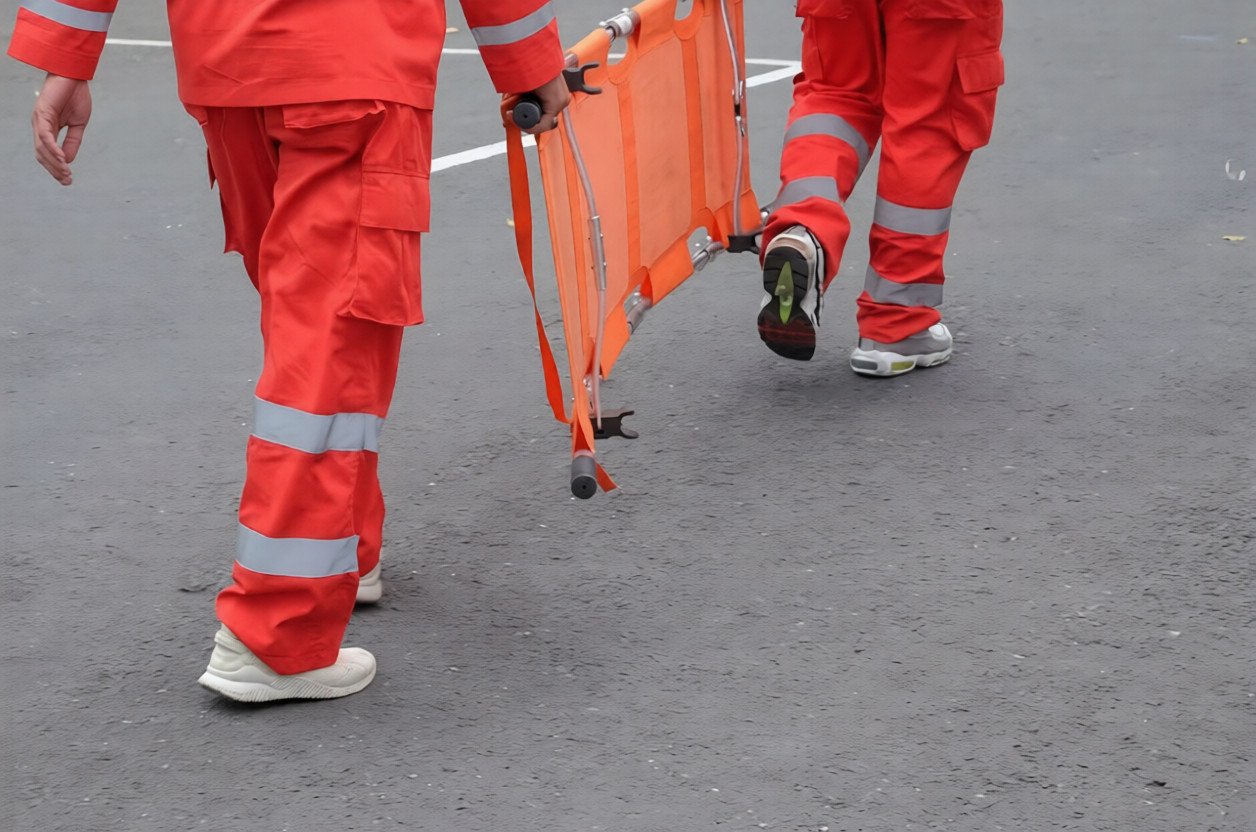
A low price can be very attractive. But what happens six months later when a small but critical part breaks? I always tell my customers that the real cost of a stretcher is not just the purchase price. It is the total cost over its entire life. This is why talking about maintenance and spare parts from the beginning is one of the smartest things you can do.
The Total Cost of Ownership Trap
The initial price is just the start. A cheaper stretcher might seem like a good deal. But if you cannot get spare parts for it, it becomes disposable. A single broken wheel14 could force you to buy a whole new stretcher. A more reliable supplier might charge a little more upfront. But they will have a full inventory of spare parts ready to ship. This means you can repair your equipment quickly and cheaply. Over five years, this approach saves a lot of money. It also means your equipment is always ready to use.
Common Wear-and-Tear Parts
Every stretcher has parts that will wear out with use. These are the items you should ask about specifically.
- Wheels: They can crack or the bearings can wear out.
- Fabric/Bed Surface: Can get torn or stained over time.
- Handles/Grips: Can wear down or get damaged.
- Locking Mechanisms: The hinges and locks for folding can wear out.
- Straps and Buckles: These are used often and can fray or break.
Key Questions for Your Supplier
Before you place an order, ask your supplier these direct questions:
- Do you stock all common spare parts for this model?
- What is the process for ordering spare parts?
- How long does it take to get parts delivered?
- Do you provide a maintenance manual or service guide?
A good supplier will have clear and confident answers. If they hesitate, it might be a sign that long-term support is not their priority.
What Materials Make the Best Folding Stretcher?
Does the stretcher's material really matter? A heavy or hard-to-clean frame can be a nightmare in an emergency. Let's break down the best materials for durability and ease of use.
The best folding stretchers are typically made from high-strength aluminum alloy15 for the frame and durable, waterproof, anti-bacterial fabric like Oxford cloth or PVC for the bed surface. This combination offers an excellent balance of strength, low weight, portability, and easy cleaning.
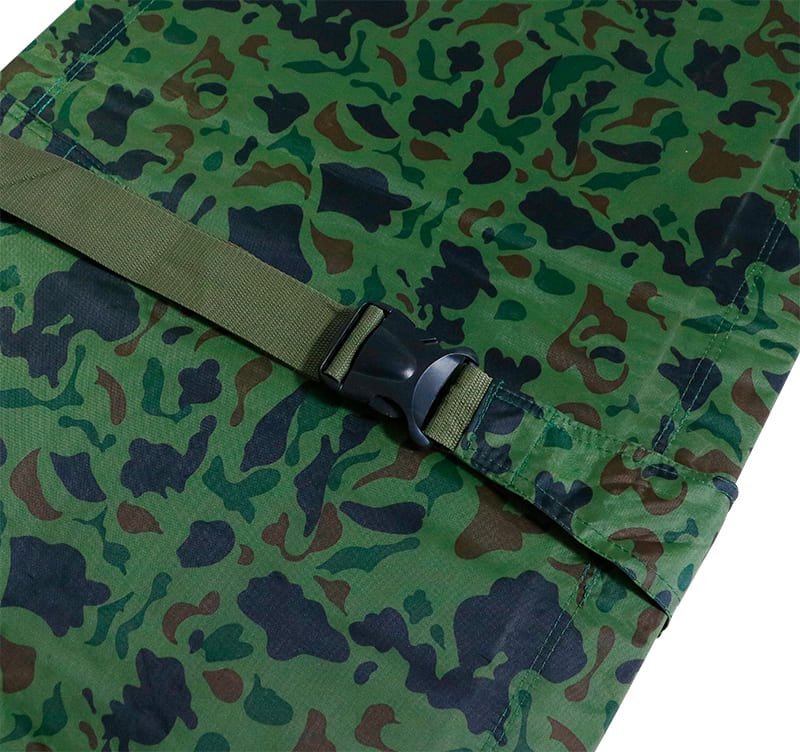
The materials used to build a stretcher directly affect its performance, weight, and lifespan. As a manufacturer, I know that choosing the right materials is a balance between strength, weight, and cost. For you as a buyer, understanding these materials helps you pick a stretcher that will perform well in the field for years.
Frame Materials: Aluminum is King
For folding stretchers, the frame material is the most important factor.
- High-Strength Aluminum Alloy: This is the best choice for most folding stretchers. It is very strong, so it can handle heavy loads. But it is also very lightweight. This makes the stretcher easy for your team to carry and maneuver. Aluminum also resists rust and corrosion, which is important for equipment that is often exposed to different weather and needs to be cleaned regularly.
- Steel: Steel is stronger than aluminum, but it is also much heavier. This extra weight makes it a poor choice for a portable, folding stretcher. It makes the team tired and slows down response times.
Bed Surface Fabrics: More Than Just Canvas
The fabric part of the stretcher is where the patient lies. It needs to be strong, comfortable, and easy to clean.
- High-Density Oxford Fabric: This is a very popular choice. It is a synthetic fabric that is strong, lightweight, and resists tearing. It is usually coated with a layer of PVC to make it waterproof and easy to wipe down.
- PVC/Vinyl: This material is completely waterproof and non-porous. This makes it extremely easy to clean and decontaminate. It is an excellent choice for situations where you expect contact with bodily fluids.
| Feature | Aluminum Alloy Frame | High-Density Oxford Fabric | PVC/Vinyl Fabric |
|---|---|---|---|
| Weight | Lightweight | Lightweight | Moderate |
| Strength | High | Very Durable | Tear-resistant |
| Cleaning | Easy to wipe down | Good, if coated | Excellent |
| Best For | Most emergency uses | General purpose | High-risk spills |
How Important is Weight Capacity and Stretcher Weight?
Worried about a stretcher's strength or if it's too heavy to carry? This is a critical balance. Let's explore how to match weight capacity2 and portability to your team's needs.
Weight capacity and the stretcher's own weight are critically important. A higher capacity, like 159kg or 350lbs, ensures safety for many patients. A lightweight design, under 10kg or 22lbs, reduces responder fatigue. This allows for faster and safer transport, especially over difficult terrain.

When you look at a stretcher's specifications, you will see two numbers for weight. The first is the weight capacity2, which is how much the stretcher can safely hold. The second is the weight of the stretcher itself. Both of these numbers are extremely important for the safety of the patient and the effectiveness of your team.
Understanding Weight Capacity
The weight capacity2 is a safety rating. You should always choose a stretcher with a capacity that is much higher than the average weight of the people you will be helping. The industry standard is often around 159 kg (350 lbs). This provides a safe margin for most situations. Never buy a stretcher if its capacity is not clearly stated by the manufacturer. Overloading a stretcher can cause it to fail, which is a dangerous situation for everyone.
The Impact of Stretcher Weight
The actual weight of the stretcher affects your team. A heavy stretcher is hard to carry. It can cause fatigue and increase the risk of back injuries for your responders. Imagine carrying a heavy stretcher plus a patient up three flights of stairs. Every kilogram matters. A lightweight aluminum stretcher, for example, might weigh only 7-9 kg (15-20 lbs). This makes it much easier to deploy and carry, which means your team can work faster and more safely. The goal is to find the lightest stretcher that still meets your high weight capacity2 needs.
| Scenario | Recommended Focus |
|---|---|
| Urban Ambulance Service | Moderate weight, high maneuverability, easy to fold |
| Search & Rescue / Wilderness | Very lightweight, durable, comes with a carry bag |
| Industrial / Event First Aid | High weight capacity2, strong build, easy to clean |
| Hospital / Clinic Transfer | Smooth wheels, patient comfort7 |
Conclusion
Choosing the right folding stretcher involves checking dimensions, materials, and weight. Most importantly, always ask about long-term maintenance and parts support. A smart purchase ensures reliability for years.
Understanding the materials used in stretchers helps ensure durability and ease of use, crucial for emergency situations. ↩
Knowing the weight capacity ensures the stretcher can safely support patients, preventing accidents during transport. ↩
Dimensions impact storage and patient comfort, ensuring the stretcher fits in vehicles and provides adequate support. ↩
A good maintenance policy ensures long-term reliability and reduces costs by covering repairs and spare parts. ↩
Access to spare parts ensures quick repairs, maintaining the stretcher's functionality and reducing downtime. ↩
Understanding total cost includes maintenance and spare parts, ensuring long-term affordability and reliability. ↩
Proper dimensions ensure the patient feels secure and comfortable, reducing stress during transport. ↩
Compatibility with head immobilizers is essential for patient safety, preventing head movement during transport. ↩
Efficient storage ensures quick access during emergencies, saving time and improving response efficiency. ↩
Proper storage in emergency closets ensures readiness and quick deployment during urgent situations. ↩
Avoiding logistical issues ensures the stretcher is always ready for use, preventing delays in patient care. ↩
A compact size allows for efficient storage and quick access, crucial for emergency readiness. ↩
Correct height facilitates smooth transfers, reducing risk of injury to both patients and responders. ↩
A broken wheel can render a stretcher unusable, highlighting the importance of maintenance and spare parts. ↩
Aluminum alloy offers strength and lightweight properties, ideal for portable emergency equipment. ↩