
Blog
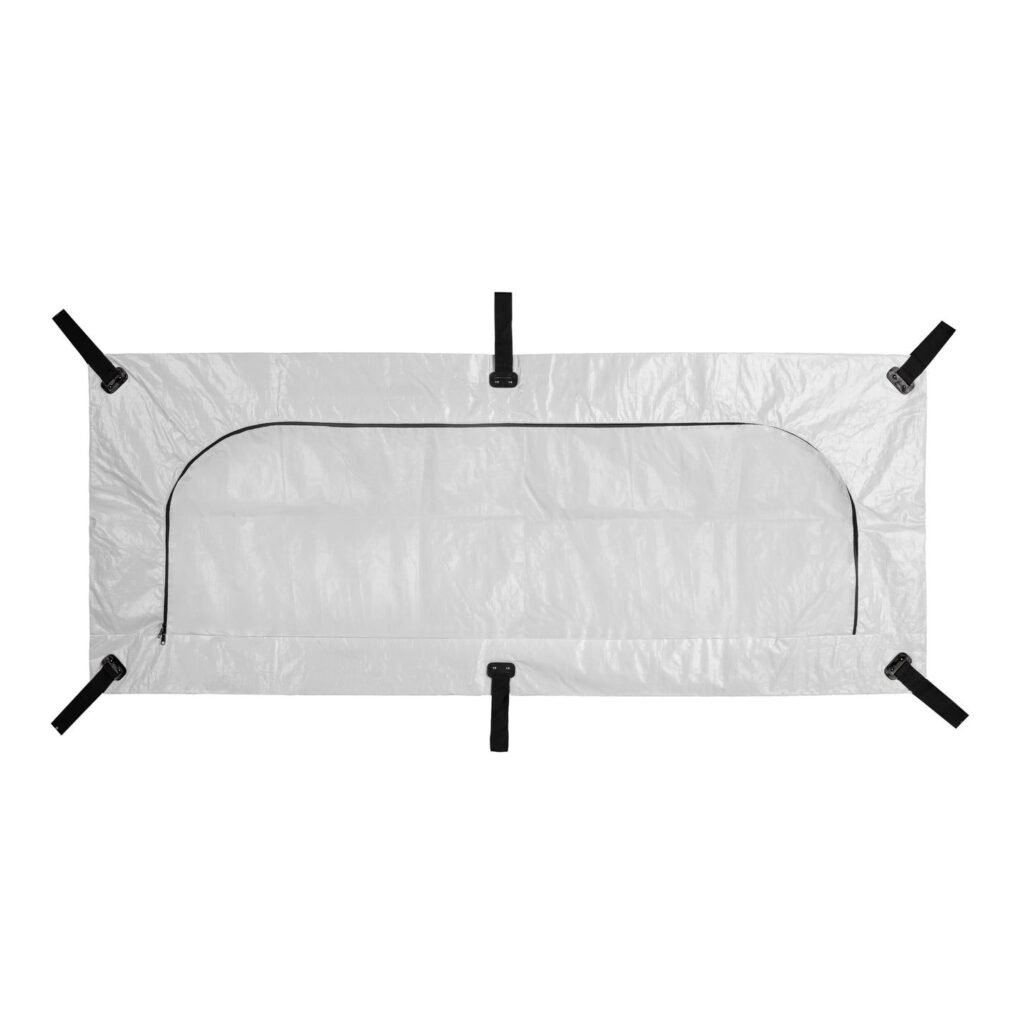
Body Bag Types, Materials, Sizes, and Features: A Procurement Guide
Choosing a body bag is mostly about matching it to the job. A hospital or funeral service handling routine transfers may need a different size and setup from a team that works in cold conditions or follows a special infection-control plan. The quick guide: start with who will use the bag and where it will […]
Read More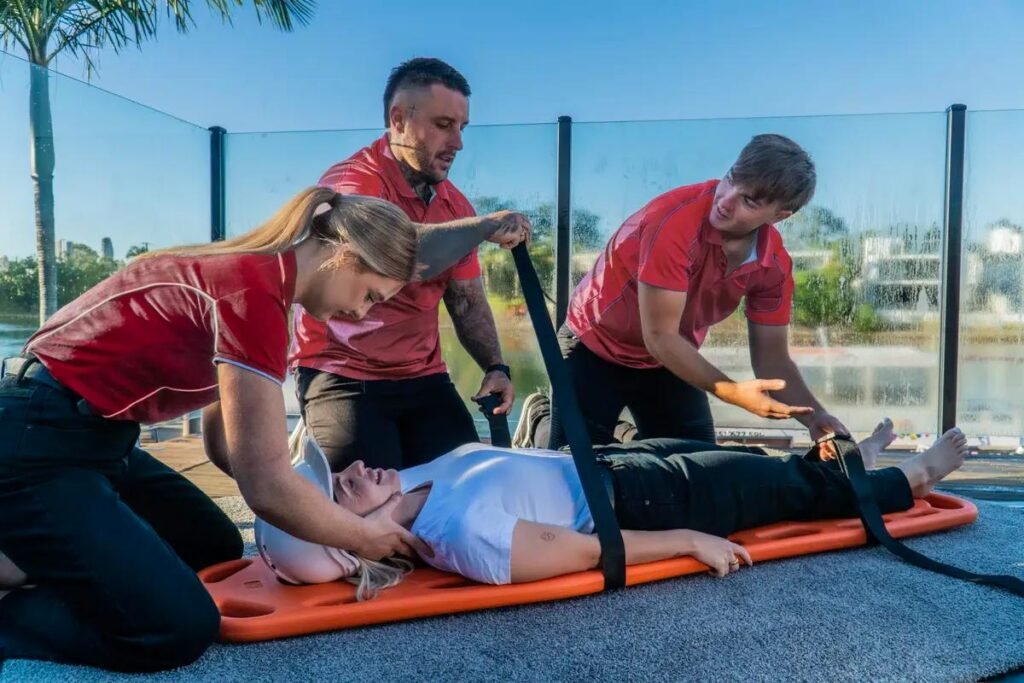
Spine Board Strapping Guide: Common Systems and Procurement Considerations
When you compare spine boards, the straps can seem like a small detail. Then you notice there are loose straps, connected “spider” systems, buckles, hook-and-loop, and speed clips. What is the difference, and which one should you buy? Here is the simple answer: most buyers are choosing between separate straps and one connected harness. After […]
Read More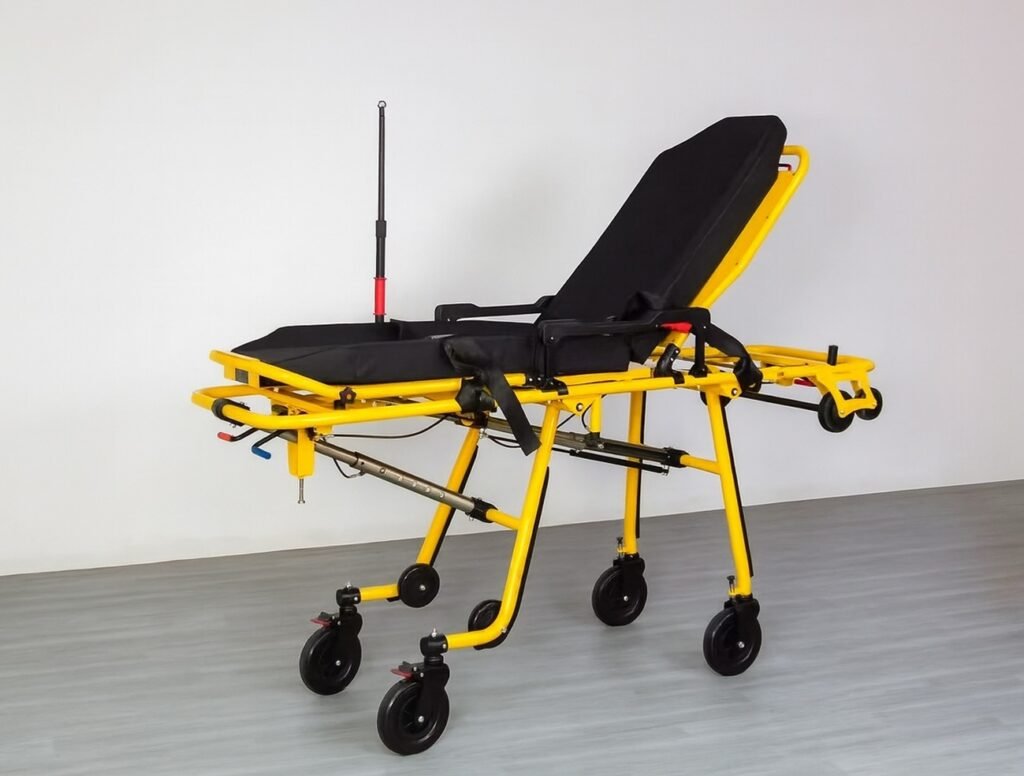
Ambulance Stretcher Specifications Buyers Should Check Before Ordering
Two stretchers can list the same load capacity and still behave very differently at the back of an ambulance. One rolls in and locks. The other does not line up with the vehicle's floor fastener. A product photo will not tell you which one you are buying. My short answer: Check the stretcher's size, rated […]
Read More
What Load Capacity Does an Ambulance Stretcher Need for Daily EMS Use?
How much weight should an ambulance stretcher carry on an ordinary shift? It is easy to look at a catalogue and assume the biggest number must be the best choice. But the better starting point is simpler: who does your team usually transport, what else goes on the stretcher, and what is the plan when […]
Read More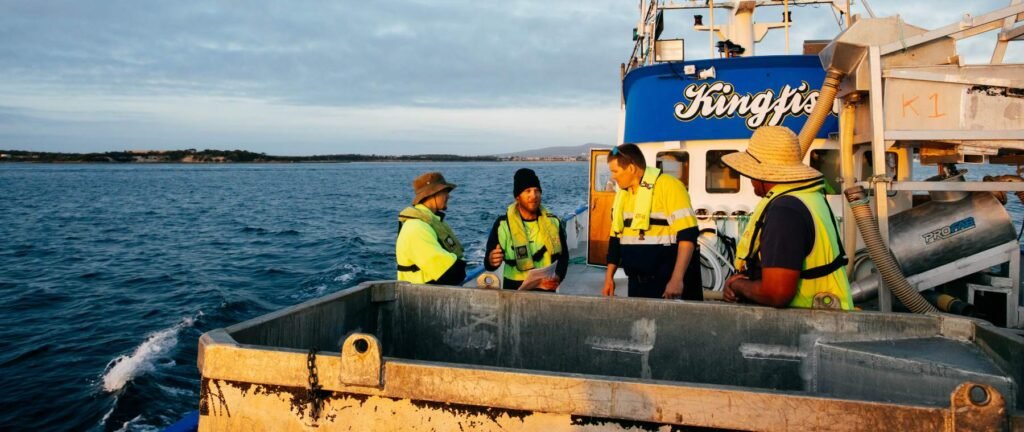
How to Choose Life Jackets for Commercial Vessels and Offshore Operations
A life jacket on a commercial vessel may spend months in a locker. Another may be worn through an entire shift on a wet deck. I would not choose those two jackets in quite the same way. The short answer: First, find out what life jackets the vessel is required to carry. Then decide what […]
Read More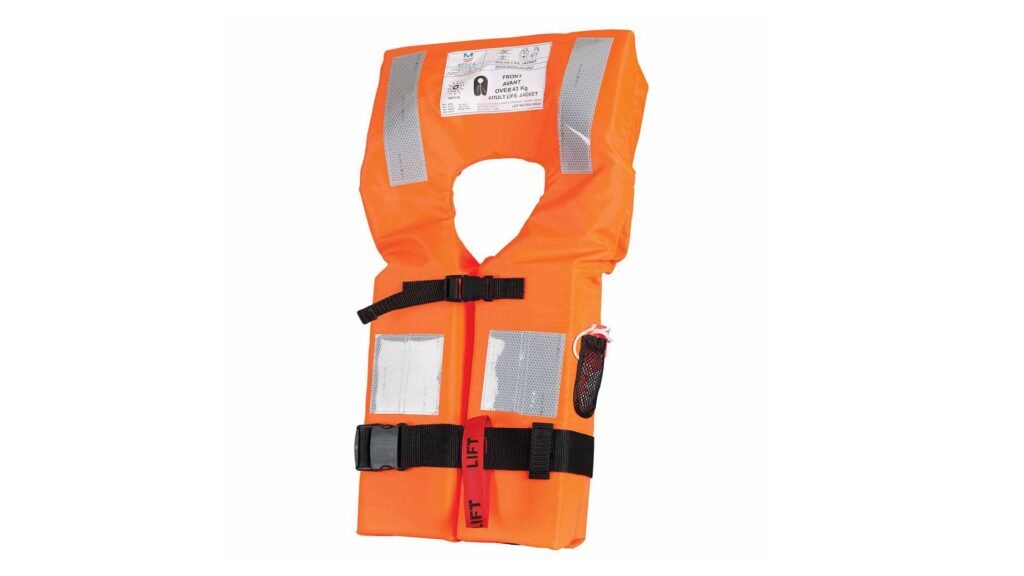
SOLAS vs USCG Life Jackets: What Marine Equipment Buyers Should Know
Put two orange life jackets on a table and they may look almost identical. Both may have reflective tape, a whistle, bright fabric, and plenty of foam. One label says SOLAS. The other says USCG Approved. Can a buyer treat them as the same product? Usually, no. The short answer: SOLAS life jackets are selected […]
Read More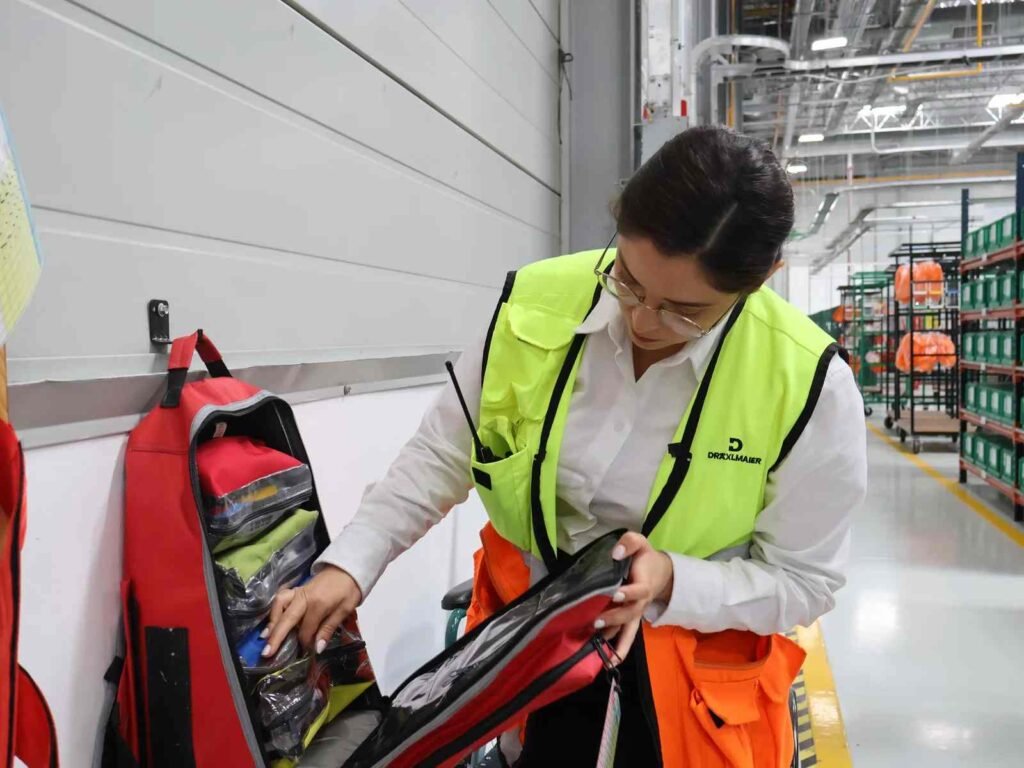
How Often Should Workplace First Aid Kits Be Inspected and Restocked?
A first aid kit can be full on Monday and incomplete by Friday. Someone uses two dressings. The scissors are taken to another room. A bottle leaks inside the case. From the outside, the box still looks ready. That is why checking only when something expires is not enough. The short answer: Give every workplace […]
Read More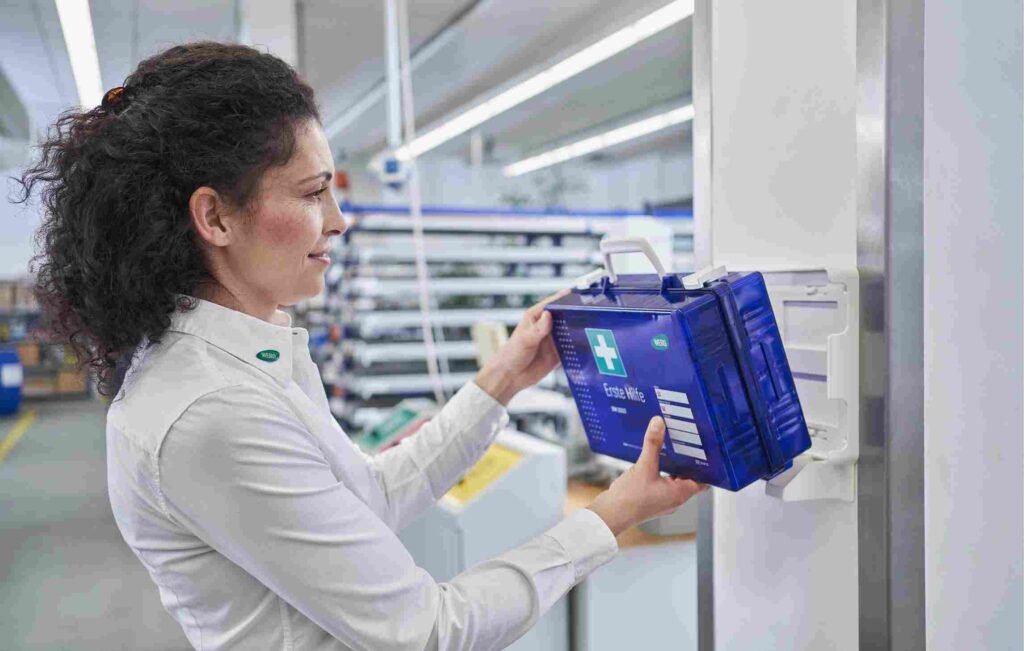
Workplace First Aid Kit Requirements: What Procurement Teams Should Check
A workplace first aid kit can look perfect from the outside. The box is bright, the label is clear, and the item count sounds impressive. Then someone opens it. The gloves are too small. Several dressings expire soon. The box cannot be mounted where people need it. Worse, nobody knows where to buy replacement items […]
Read More