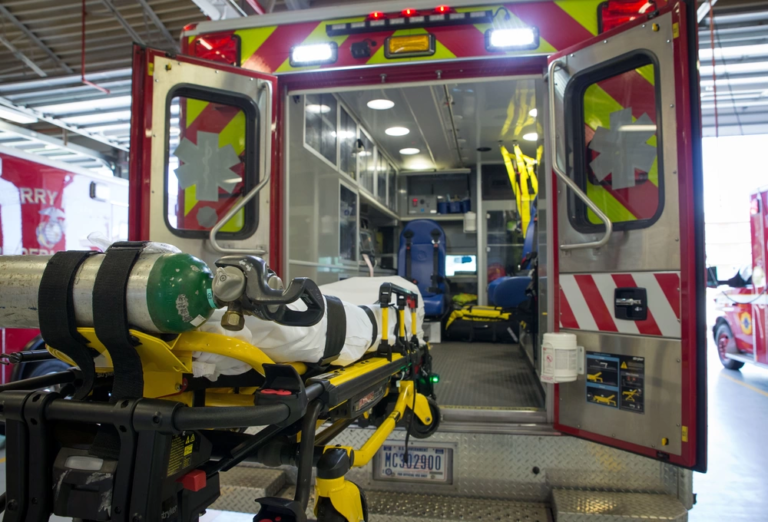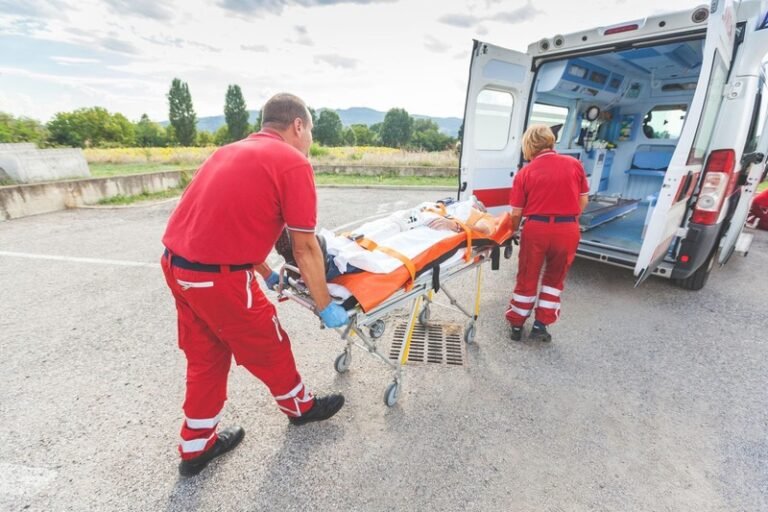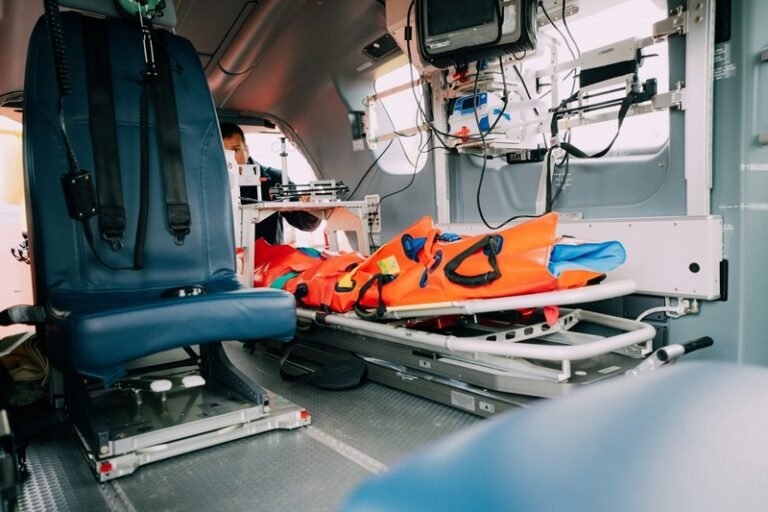
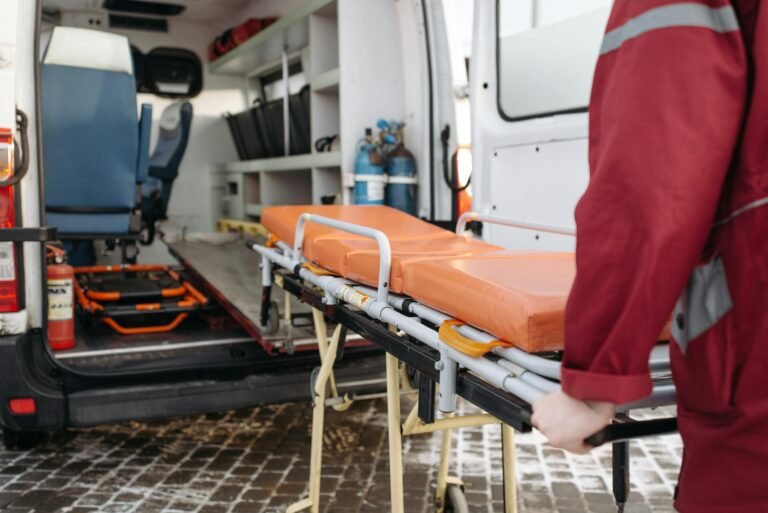
How much weight should an ambulance stretcher carry on an ordinary shift? It is easy to look at a catalogue and assume the biggest number must be the best choice. But the better starting point is simpler: who does your team usually transport, what else goes on the stretcher, and what is the plan when a patient is over its limit?
The short answer: For many services, a properly rated 159 kg (350 lb) stretcher is a reasonable daily-use option. A 180 kg model gives you more room. Teams that regularly transport heavier patients may need a higher-capacity option. The right rating depends on your actual calls and on the complete loading and vehicle system, not the stretcher label alone.
What Load Capacity Is Enough for Daily EMS Use?
I would start with your service's own patient records, if you have them. How often is a patient close to your current stretcher's limit? How often do you call for a different vehicle or a heavier-duty cot? Those answers are more useful than choosing a capacity from a catalogue alone.
For some perspective, CDC data on U.S. adult body weight1 put the 95th percentile at 131.8 kg for men and 119.2 kg for women. That helps explain why a 159 kg rating can be practical for routine work. But these are figures for the general U.S. adult population, not a prediction of who your ambulance will carry.
The EN 1865-1 ambulance stretcher standard2 sets a 150 kg minimum loading capacity for a main stretcher. That is a minimum under this standard, not a rule that 150 kg is right for every EMS team.
Whatever number you choose, treat the rated capacity as a limit, not a target to work right up to. Check the exact model's instructions, especially if other equipment travels on the cot with the patient.
When Should You Choose 159 kg, 180 kg, or More?
Think of these as buying options, not universal rules:
| Rated load | When it may make sense |
|---|---|
| 159 kg / 350 lb | A daily-use candidate when it suits your usual patients and you have an approved plan for anyone above the limit. |
| 180 kg / about 397 lb | More stated load allowance for a general-use cot. Still check loading effort, vehicle fit, and the complete system. |
| Higher capacity | Worth considering when heavier patients are a regular part of your calls or you need a dedicated response option. |
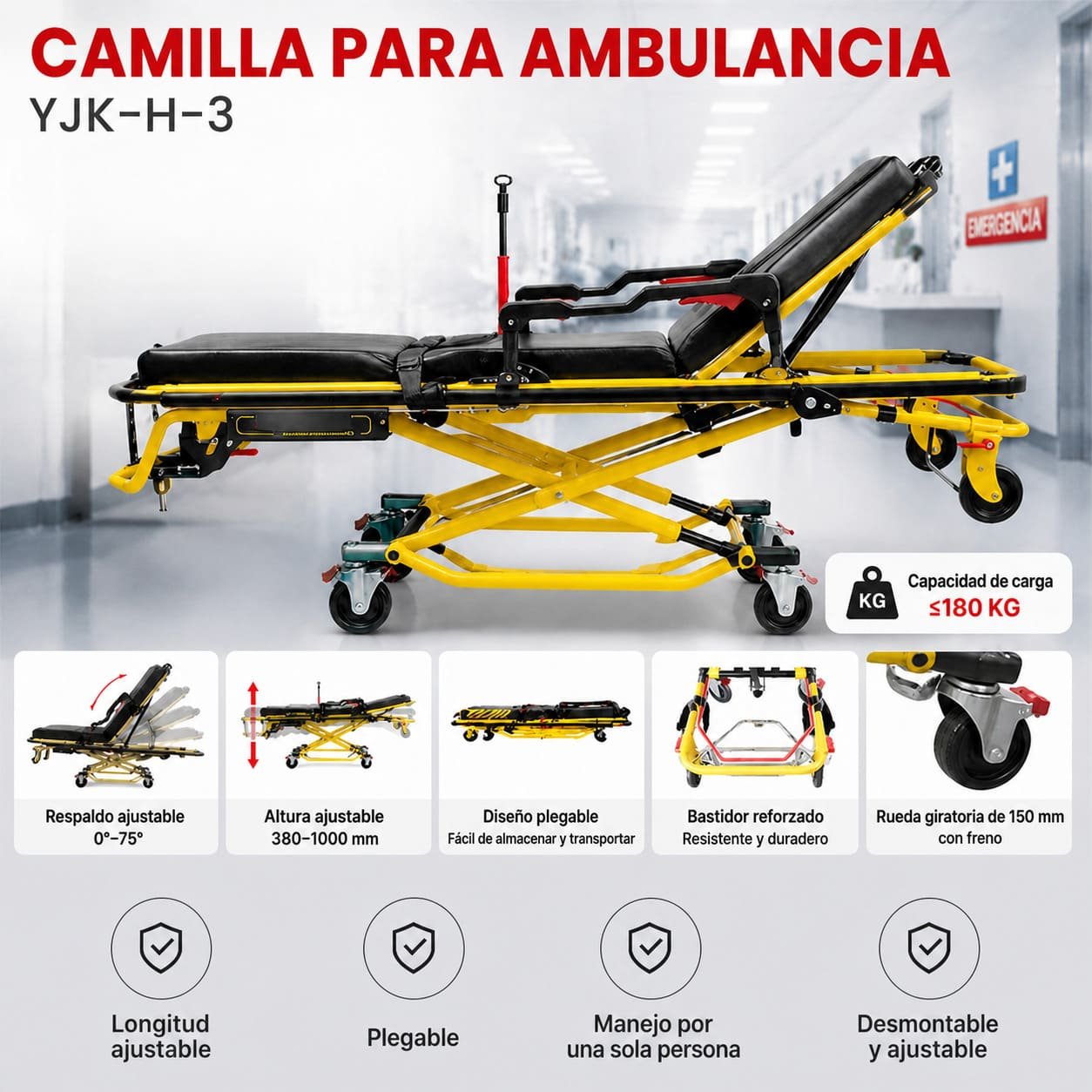
For a real product comparison, our YJK-A5-3 loading stretcher is listed at 159 kg, while the YJK-C-3 ambulance stretcher is listed at 180 kg. The larger number gives more load allowance; it does not, by itself, tell you which cot works better in your ambulance.
What Does the Weight Limit Actually Include?
This is the question I would ask before comparing prices. Does the stated limit mean the patient alone, or the patient plus equipment and accessories attached to the cot?
Do not guess from a product photo. For example, a Stryker cot manual3 defines its safe working load as the combined weight of the patient, incubator, and accessories. Your chosen model may define its rating differently, so check its own instructions.
Then look at the whole journey. Can the cot be loaded at your ambulance's height? Is its fastener approved for that cot? Do the vehicle and loading equipment have compatible limits? A higher rating on the cot does not automatically solve a problem elsewhere in the system.
When Do You Need More Than a Standard Cot?
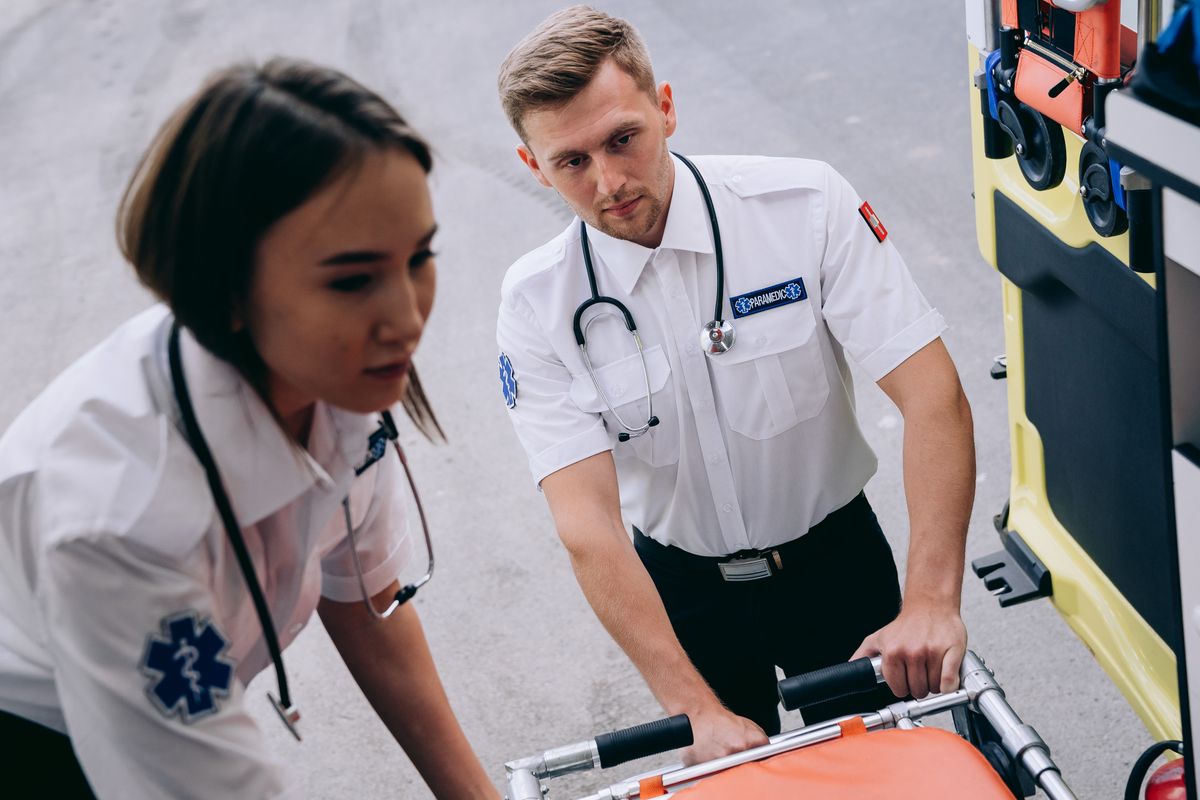
Look at your own call history. Have crews needed another vehicle or special equipment for heavier patients? Can that equipment reach them when it is needed? If the answer is yes, a higher-capacity cot or a dedicated response plan deserves a closer look.
Not every ambulance necessarily needs the highest-rated stretcher. Every service does need a clear way to handle a patient who exceeds the limit of the cot on scene. Adding more people to lift does not raise the cot's rated capacity.
Width matters, too. A patient may be within the weight limit yet need a wider surface or a different handling setup. NIOSH guidance on safe patient handling4 emphasizes suitable equipment and training instead of relying on manual effort alone.

My Simple Buying Check
Before choosing a daily-use model, I would ask for five things:
- The exact model's rated load and the manufacturer's definition of that load.
- Its dimensions, including patient surface width and ambulance loading height.
- The approved loading, fastening, and restraint arrangement for the vehicle.
- A demonstration with the crew and the equipment they actually use.
- The service's procedure for patients who exceed the cot's limit.
If you are still comparing designs, our guide to ambulance stretcher types explains other features that affect daily use.
Frequently Asked Questions
Is a 159 kg stretcher enough for daily EMS use?
It can be for many services. Check your patient mix, what counts toward the exact model's load rating, and your plan for patients above its limit.
Is a 180 kg stretcher always better?
It gives more stated load allowance, but capacity is only one part of the decision. Vehicle fit, loading setup, patient width, and crew handling still matter.
Does every ambulance need a 250 kg stretcher?
No universal rule says so. Some services may need higher-capacity equipment more often than others. The decision should follow their actual calls and response plan.
The Takeaway
For daily EMS use, 159 kg is a reasonable starting point for many teams, and 180 kg offers more room. Neither figure is a universal answer. Choose a cot whose rated load suits your patients and equipment, check that it works with the vehicle's loading and fastening setup, and make sure your team has a plan when a patient exceeds its limit.
[CDC/NCHS adult body-weight data](https://www.cdc.gov/nchs/data/series/sr_03/sr03-050.pdf), Table 3. U.S. general population, August 2021–August 2023. ↩
[EN 1865-1:2010+A1:2015](https://www.iteh.eu/catalog/standards/cen/1e9f37de-95c0-4fb5-905d-095b22df67d5/en-1865-1-2010a1-2015), ambulance patient-handling equipment standard. ↩
[Stryker Power-PRO IT manual](https://techweb.stryker.com/EMS/Ambulance_Cots/6510/1004/6510-309-001B.pdf), example of a combined patient-and-accessory load definition. ↩
[NIOSH safe patient handling guidance](https://www.cdc.gov/niosh/healthcare/sphm/index.html), equipment and training guidance. ↩