
Blog

Adult vs Child Life Jackets: Sizing, Buoyancy, and Safety Differences
Ask most buyers about the difference between an adult and a child life jacket, and the first answer is usually, “The child model is simply smaller.” That is partly true, but it misses the most important point. Adult and child life jackets are designed around different body sizes, weight ranges, fit requirements, and in-water support […]
Read More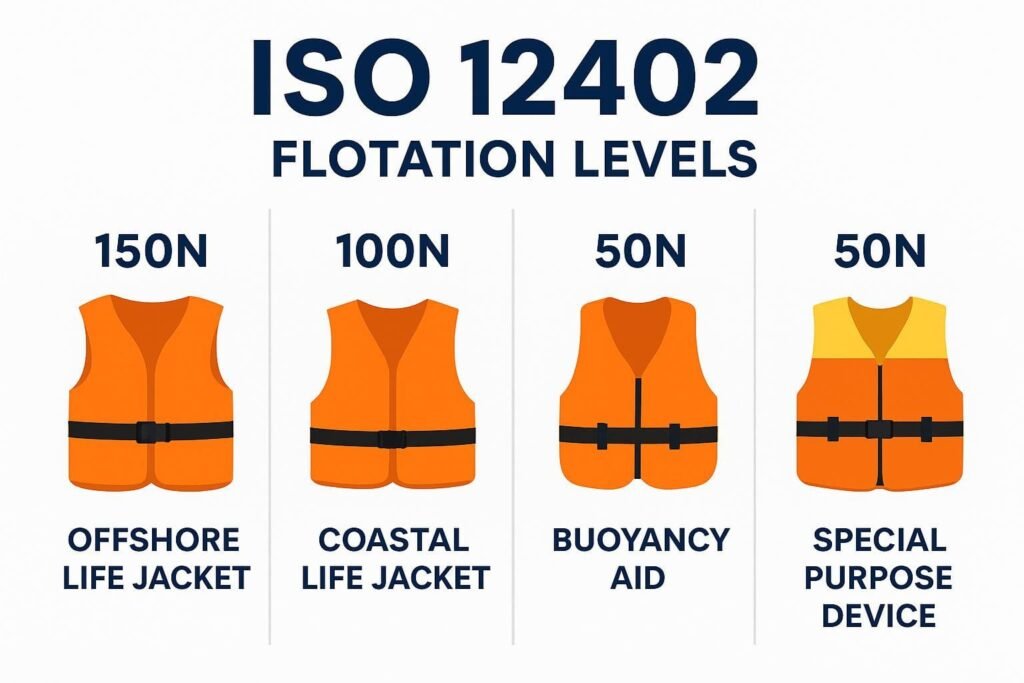
What Do 50N, 100N, 150N, and 275N Mean on Life Jackets?
If you have ever compared life jackets, you have probably seen numbers such as 50N, 100N, 150N and 275N. At first glance, the answer seems obvious: the bigger the number, the safer the jacket. In practice, it is not quite that simple. The number tells you the life jacket’s buoyancy performance level. A higher rating […]
Read More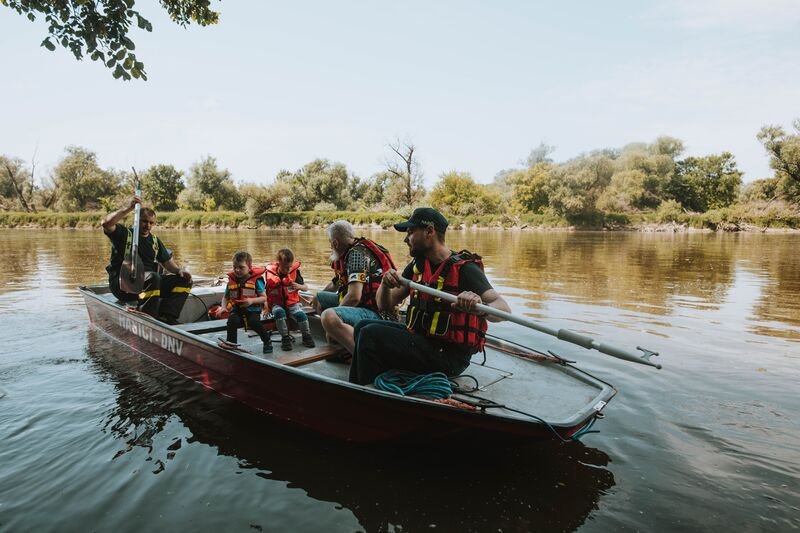
How Much Buoyancy Does a Life Jacket Need for Different Users?
Life jacket labels can be confusing. One product says 70 N, another says 150 N, and an inflatable model may promise more than 30 lb of buoyancy. Does a heavier person always need the biggest number? Not necessarily. Most adults need only about 7–12 lb (31–53 N) of extra buoyancy to keep their head above […]
Read More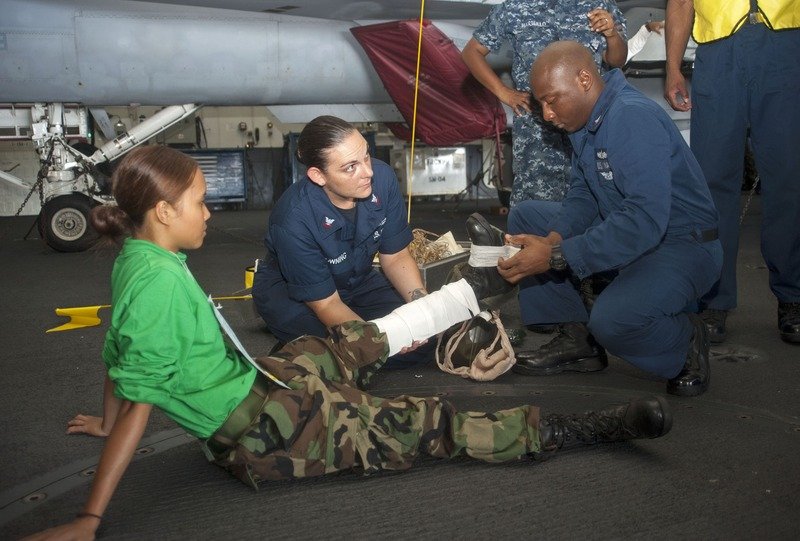
Types of Medical Splints: Uses, Materials, and Emergency Applications
Choosing a medical splint can be confusing. Some splints are rigid, some can be shaped by hand, and others use vacuum or traction systems. They may look similar, but they are not designed for the same injuries or working environments. A medical splint supports an injured body part and limits movement while the patient is […]
Read More
What Is a Cervical Collar and When Is It Used in Emergency Care?
In emergency care, a cervical collar is commonly used when trained responders identify a meaningful risk of cervical spine injury. However, a collar is not automatically required after every fall, traffic accident, or blow to the head. The decision should be based on the patient’s condition, a structured assessment, local protocols, and the responder’s level […]
Read More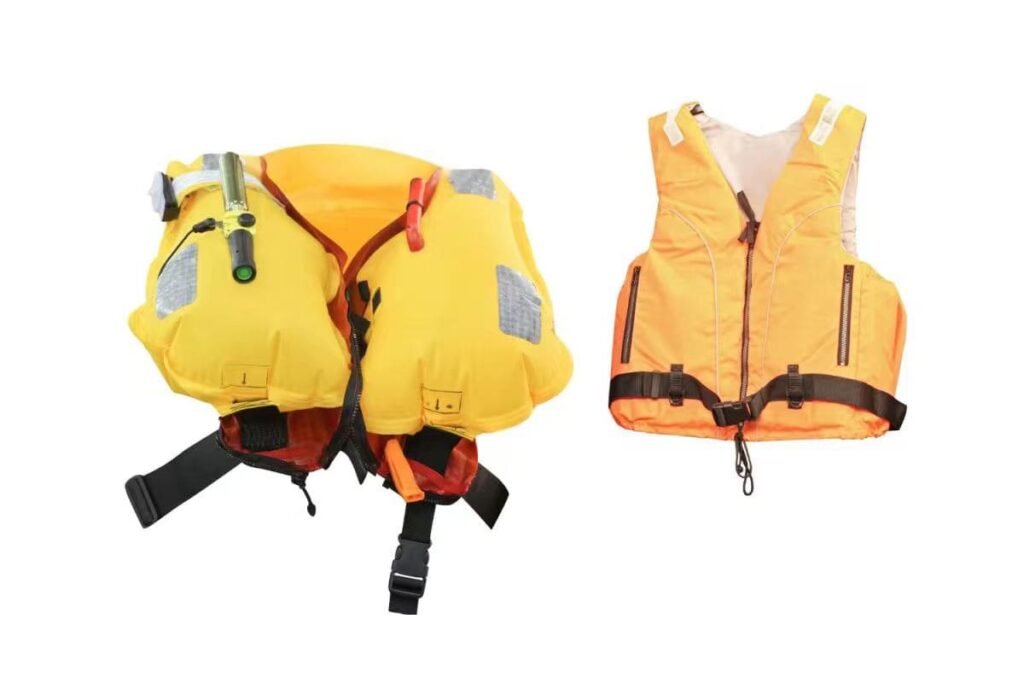
Foam vs Inflatable Life Jackets: Safety, Maintenance, and Applications
Foam and inflatable life jackets can both save lives. But they do not work in the same way, and they are not suitable for every user or every job. A foam life jacket floats as soon as it enters the water. An inflatable life jacket stays slim until its air chamber is filled by a […]
Read More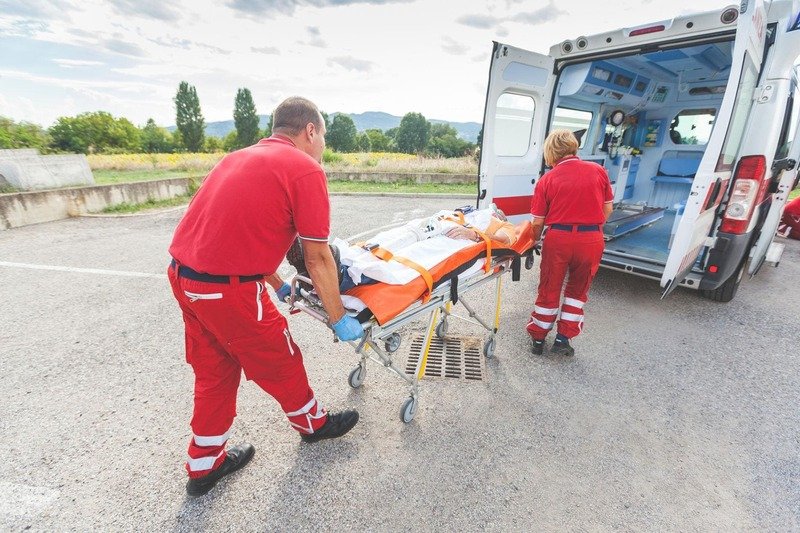
How Much Does an Ambulance Stretcher Cost? A Complete Buyer’s Guide
Ambulance stretcher prices can be confusing because products with similar names may belong to completely different price levels. A conventional manual loading stretcher may cost several hundred dollars, while a premium powered cot and loading system can cost tens of thousands. For distributors, ambulance converters, hospitals, and EMS buyers, the right comparison starts with the […]
Read More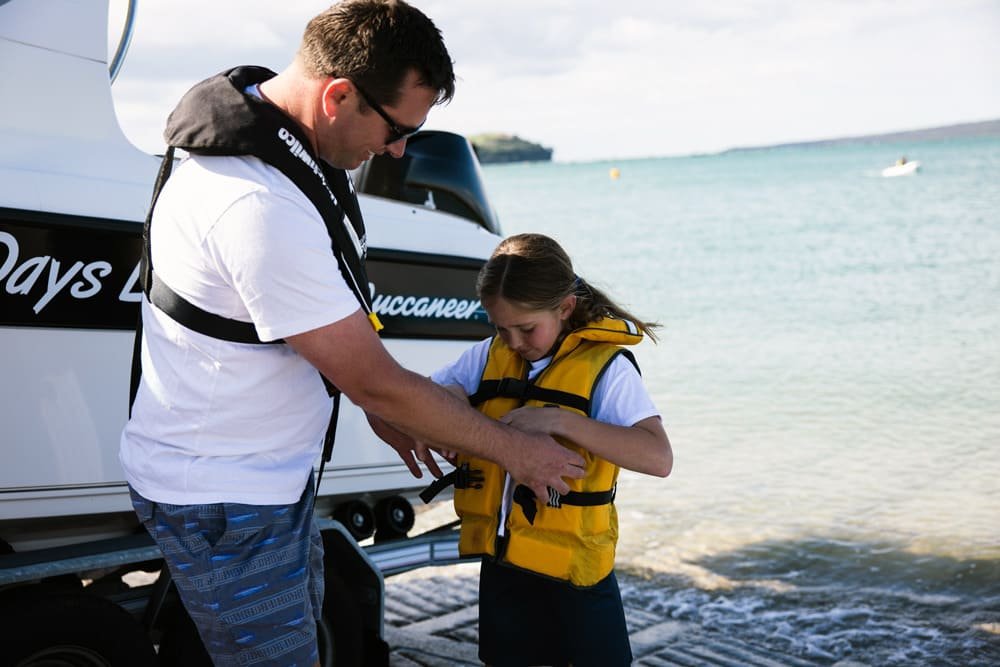
How Should a Life Jacket Fit? A Practical Sizing and Inspection Guide
A life jacket only works properly when it fits the wearer. If it is too loose, it may ride up around the face in the water. If it is too tight, it can restrict breathing, swimming and rescue work. A life jacket should fit snugly without restricting normal movement.1 After all straps and buckles are […]
Read More