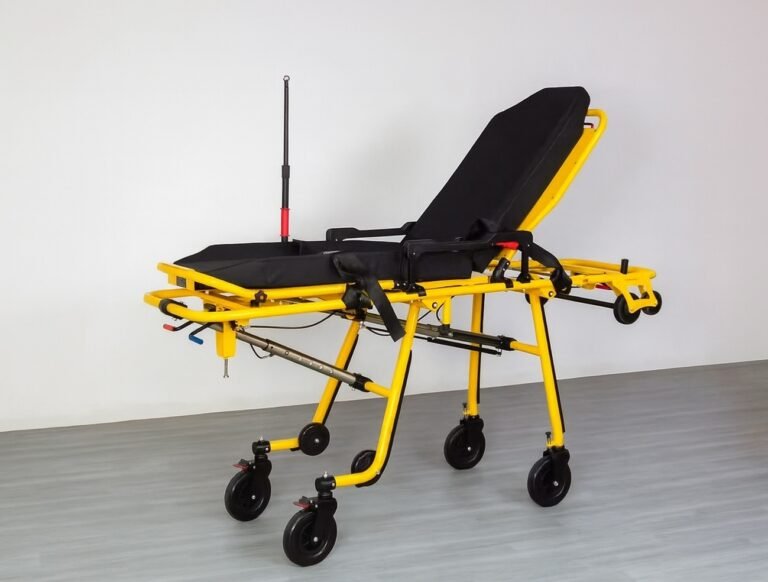
Two manufacturers offer the same style of ambulance stretcher. Both samples pass your checks, and the quotes are close. Which one would I choose? I’d start with what happens six months later. If you need another batch, can the factory pull up the build you approved? If a wheel assembly needs replacing, can someone identify the right part and tell you when it can ship?
For a bulk order, choose the manufacturer that can document the exact setup for your vehicles, repeat it on future orders, and give you a clear plan for spare parts and warranty support. A good sample earns a place on the shortlist. Those answers help you decide who stays on it.
That applies whether you’re an EMS fleet replacing its cots, a converter fitting out new ambulances, or a distributor buying stock for several customers.
Ask who makes the stretcher and who answers for it
Buying factory-direct can make technical changes and repeat orders easier to manage. Buying through a distributor can make installation, spare parts and local service easier. Neither route solves the problem if no one can tell you who is responsible for the stretcher promised on the quote.
I’d ask for the legal manufacturer named on the product label, the actual production site, and the company signing the contract. If those are different, ask who owns the drawings, who approves changes and who will handle a complaint tied to a serial number or production lot. A distributor who can answer those questions in writing may be a better choice than a factory that cannot.
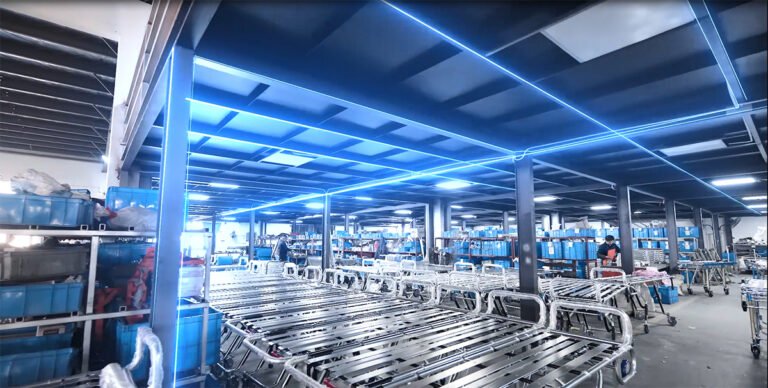
A factory visit is useful, but I wouldn’t spend most of it in the showroom. Ask to follow one comparable model from assembly through final inspection and packing. If the visit is remote, ask to see a sample label and an anonymized inspection record for the same model. You’re checking whether the supplier can connect a finished unit to its production records, not how impressive the factory video looks.
Qualify the stretcher, fastener and vehicle together
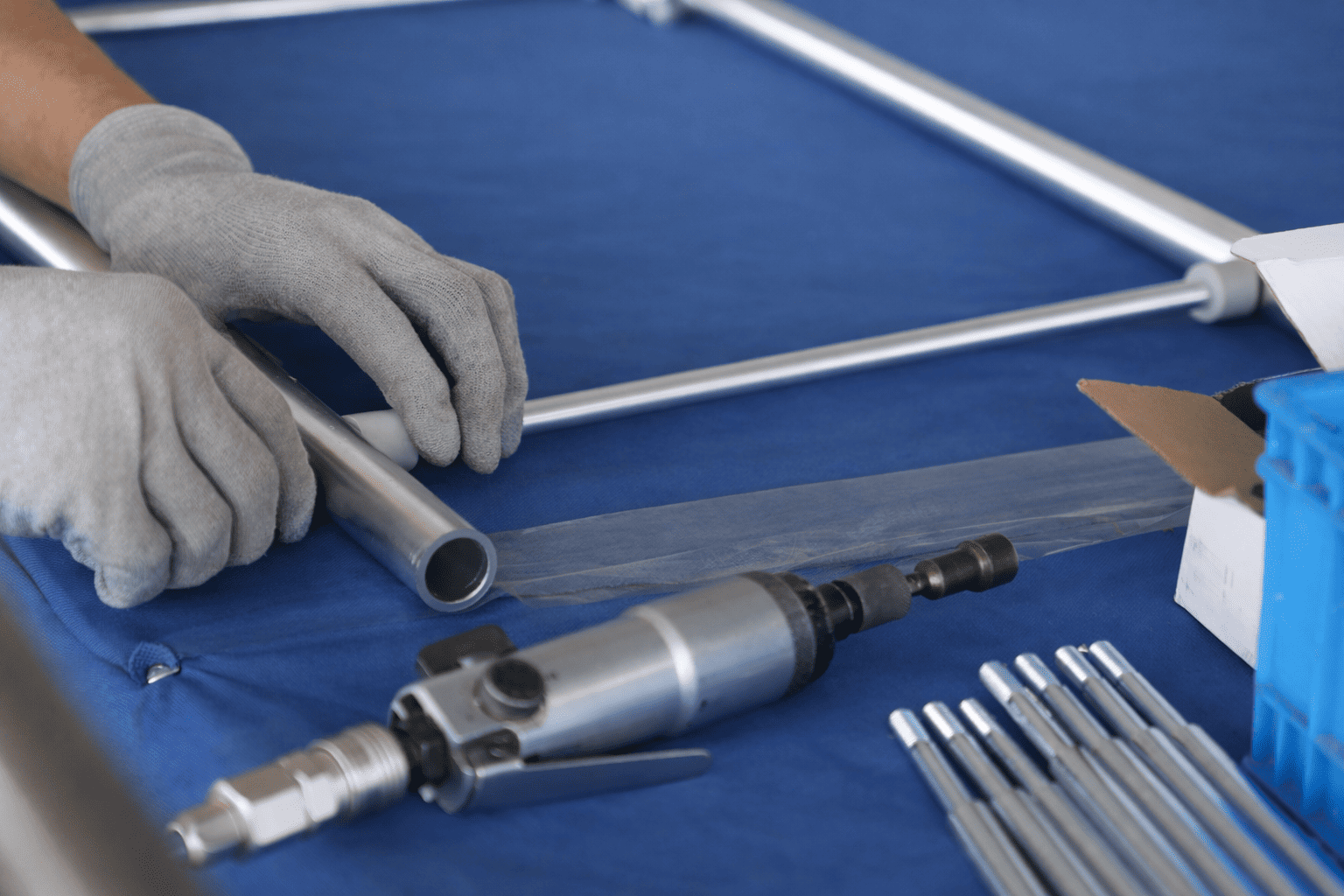
The floor fastener is the hardware that locks the cot into the ambulance. A cot and a fastener can each look right on paper and still be the wrong pair. Start with a list of the vehicles you actually operate. A fleet with two conversions on the same chassis may need two fit checks, even if the vans have the same badge.
Ask the supplier to return a vehicle-to-cot fit sheet: vehicle and conversion, cot model and revision, fastener or loader part number, installation responsibilities, and any conditions attached to the fit claim. For the measurements to send, use our ambulance stretcher specifications guide. If you’re still shortlisting equipment, compare the available ambulance stretcher configurations before you lock the sourcing brief.
Have your vehicle upfitter and fleet team evaluate the representative sample and intended mounting arrangement following the manufacturers’ instructions. A fit check in the actual vehicle is useful. It is not proof of crash performance. Where your tender specifies an impact test, review the applicable test evidence separately.
Match compliance documents to the quoted configuration
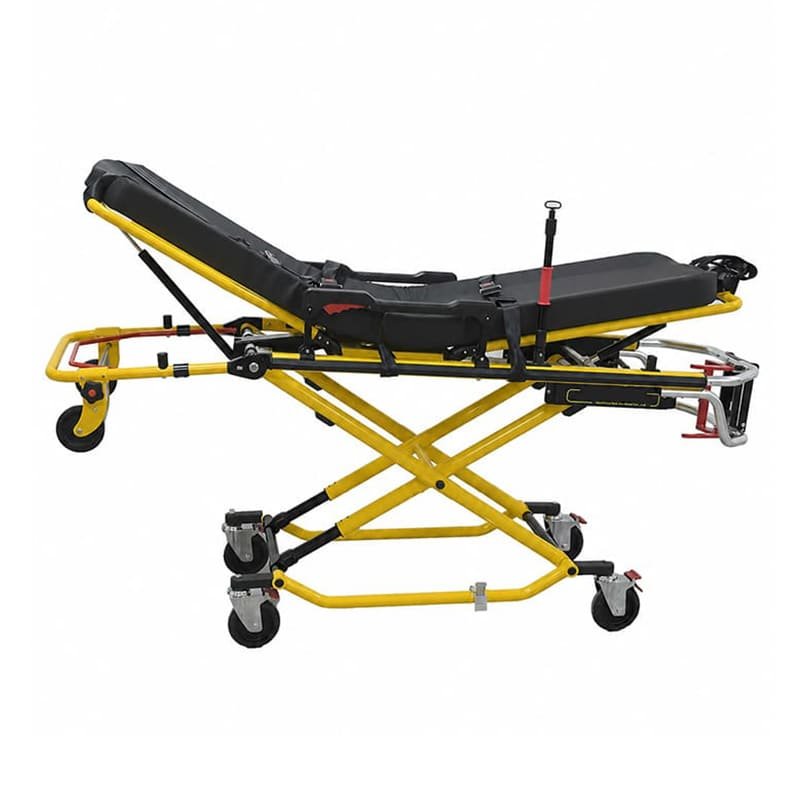
Ask for the tender’s required standards and editions before comparing certificates. Then match each document to what you’re buying: the manufacturer, identifiable model or covered variant, and, where relevant, the retention hardware and patient restraints included in testing.
For a bid referencing European standards, DIN’s road-ambulance standards listing1 distinguishes EN 1789 for road ambulances and their equipment from the EN 1865 series for patient-handling equipment, including different parts for general and power-assisted stretchers. Use the edition and part named by the buyer or applicable requirements. Where the EU Medical Device Regulation applies, check that the declaration for the device can be matched to the quoted model using an unambiguous identifier, as set out in the EU Medical Device Regulation, Article 19 and Annex IV2.
If a bid specifies SAE J30273, ask what litter, retention system and restraint were covered by the dynamic impact testing. A load rating or a video of a cot locking into place cannot answer that question. For US market documentation, the FDA’s registration and listing guidance4 makes a different point: an establishment registration or device listing is not approval, clearance or authorization.
If a test report names a different model or fastener, don’t accept “same series” on its own. Ask which variants are covered and for a documented explanation of why the report applies. If the tender requires specific evidence and the supplier cannot show it, leave that offer out of your price comparison.
Make the approved sample the production reference
A good sample tells you what the supplier can make once. The purchase order needs to say what it must make every time.
Record the approved sample ID and specification revision. Attach a signed configuration sheet that identifies the cot, mounting hardware, restraints, mattress and other included components, along with the label and manual revisions. Put the change rule on the same sheet: no substitution of an agreed component or change to the approved configuration without written approval. Require the supplier to flag any effect on fit, documentation or test coverage before it makes the change.
One line to put on the purchase order: “Build to the approved sample and signed specification revision. Any change to agreed parts, materials or configuration requires written buyer approval before production.”
Then agree on how you’ll accept the batch:
| What to check | What to agree before production |
|---|---|
| Cot and fastener match the approved build | Model and part numbers, revisions, included hardware, and the approved sample or drawings |
| Shipment inspection | Which checks cover every unit, which are sampled, who records the results, and what happens if any check fails |
| Unit and lot traceability | Which serial or lot identifiers appear on the products and how to link them to production and inspection records |
| Labels, manuals and packing | Agreed revisions and languages, carton marks, and a packing list that identifies mixed configurations |
| Corrections and release | Who corrects and rechecks defects, and what evidence the buyer needs before allowing shipment |

For a first order, I’d rather release a small, representative production lot first than find out on delivery that one change was repeated across every unit. When you reorder, reference the same specification revision and ask the supplier to confirm whether anything has changed since the last shipment.
Check how the supplier handles repeat orders and spare parts
I’d give both suppliers the same two questions and compare what they send back. First: “If we reorder in six months, which document and revision would you use to build it?” Second: “If we need a wheel assembly, can you identify the compatible part from the model and serial number or original order, and give us the price, availability and expected dispatch time?” A repeat-order reference and an actual part number tell me more than “no problem” or “we offer after-sales service.”
Ask whether the quoted lead time is for parts already in stock or parts the supplier must source. Confirm who handles a warranty claim, what information they need, and who pays for parts, labor or freight under the written terms. The WHO medical device inventory and maintenance guide5 recommends evaluating spare-parts provision, warranties and technical support when selecting suppliers.

Compare the full cost on the same basis: delivery point, quantities, cot and fastener setup, installation, starter spares and any training. Our ambulance stretcher cost guide breaks those costs down. A converter might also ask the supplier to label and ship cots and mounting kits by vehicle build. A distributor might prefer to buy the most likely replacement parts with the first shipment. For a fleet, the practical question is how long a cot could sit out of service waiting for a part.
Make the delivery promise specific, too. Ask when the production clock starts and separate the planned dates for sample approval, inspection, shipment and arrival. For private-label orders, confirm the minimum order quantity for the exact branding or packaging option, who approves the artwork, and whose name and contact details belong on the label. Don’t treat a change to the frame, restraint or fastener as if it were only a logo change.
Ambulance stretcher supplier checklist
Use the same pass, conditional or fail rating for every supplier. A conditional answer needs a named owner, missing evidence and a due date. Don’t treat unresolved vehicle fit or mandatory documents as minor deductions.
- Manufacturer: Can I match the label, legal manufacturer, production site and party responsible for defects?
- Vehicle fit: Do I have a written match for each conversion, cot revision and fastener or loader?
- Evidence: Do the required declarations and reports cover what we will actually receive?
- Repeatability: Do the signed build sheet, sample ID and change-control clause agree?
- Release: Are inspection, traceability, correction and shipment acceptance defined?
- Support: Can the supplier identify the build for a repeat order, quote a compatible spare, and name the warranty contact?
Frequently asked questions
Should I buy from a manufacturer or a distributor?
Choose the route that lets you verify the source and gives you the support your project needs. Factory-direct may suit recurring orders with controlled specifications. A distributor may be the better choice if it can document the supply chain and take responsibility for local installation, stock or service.
Does one approved sample cover the whole fleet?
Not if the vehicles, mounting hardware or configurations differ. Group the fleet by relevant vehicle and conversion details, then confirm which group each sample represents. Keep the fit check and any required test evidence separate.
What is the minimum order for bulk ambulance stretchers?
There’s no single MOQ across suppliers. Ask for written minimums for the stock configuration, private-label options and any configuration changes. Check whether the sample, first production lot and repeat orders have different minimums.
Conclusion
If two suppliers both meet the project requirements and their prices are close, I’d choose the one that gives me the clearest answers about the next order and the first repair. Keep the approved build reference, the spare-parts list and the warranty contact with the purchase order. Those are the details you’ll reach for long after the sample has been put away.
“Publications of CEN/TC 239/WG 1”, DIN. Lists the scopes and editions of the road-ambulance and patient-handling standards. ↩
“Regulation (EU) 2017/745 on Medical Devices”, European Union. Article 19 and Annex IV describe the EU declaration of conformity and device identification. ↩
“Ambulance Litter Integrity, Retention, and Patient Restraint”, SAE International. The recommended practice describes dynamic testing of the litter, retention system and patient restraint. ↩
“Important Reminders about Registration and Listing”, US Food and Drug Administration. Distinguishes registration and listing from clearance, authorization and approval. ↩
“Inventory and Maintenance Management Information Systems for Medical Devices”, World Health Organization. Section 3.2.1 addresses supplier reliability, spare parts, warranties and technical support. ↩