
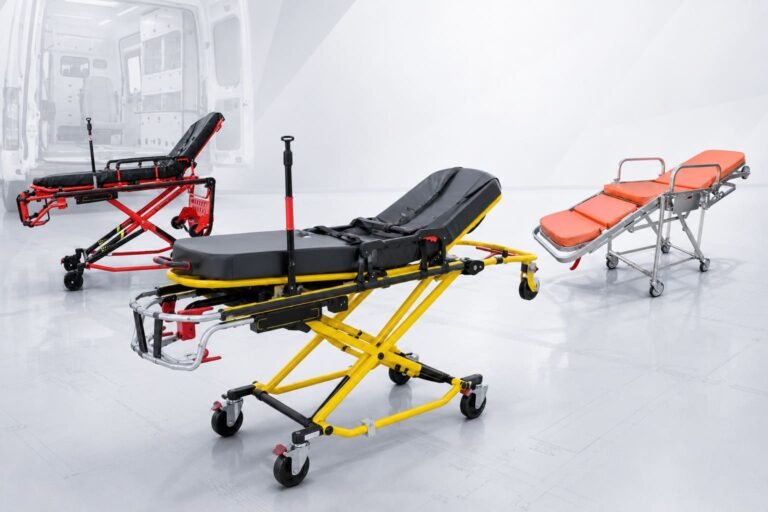
Choosing the right ambulance stretcher isn’t just about picking the fanciest model or the longest list of features. The real key lies in compatibility with your vehicle system1 and making sure the stretcher’s spare parts and support ecosystem will keep it operational for years. In this post, I’ll guide you through what really matters when selecting ambulance stretchers.
There are several types of ambulance stretchers, but the right choice depends on your ambulance’s fixation system, long-term costs (spare parts and downtime), and safe customization options2. Start by confirming your vehicle compatibility, then assess total cost of ownership (TCO) over shiny features.
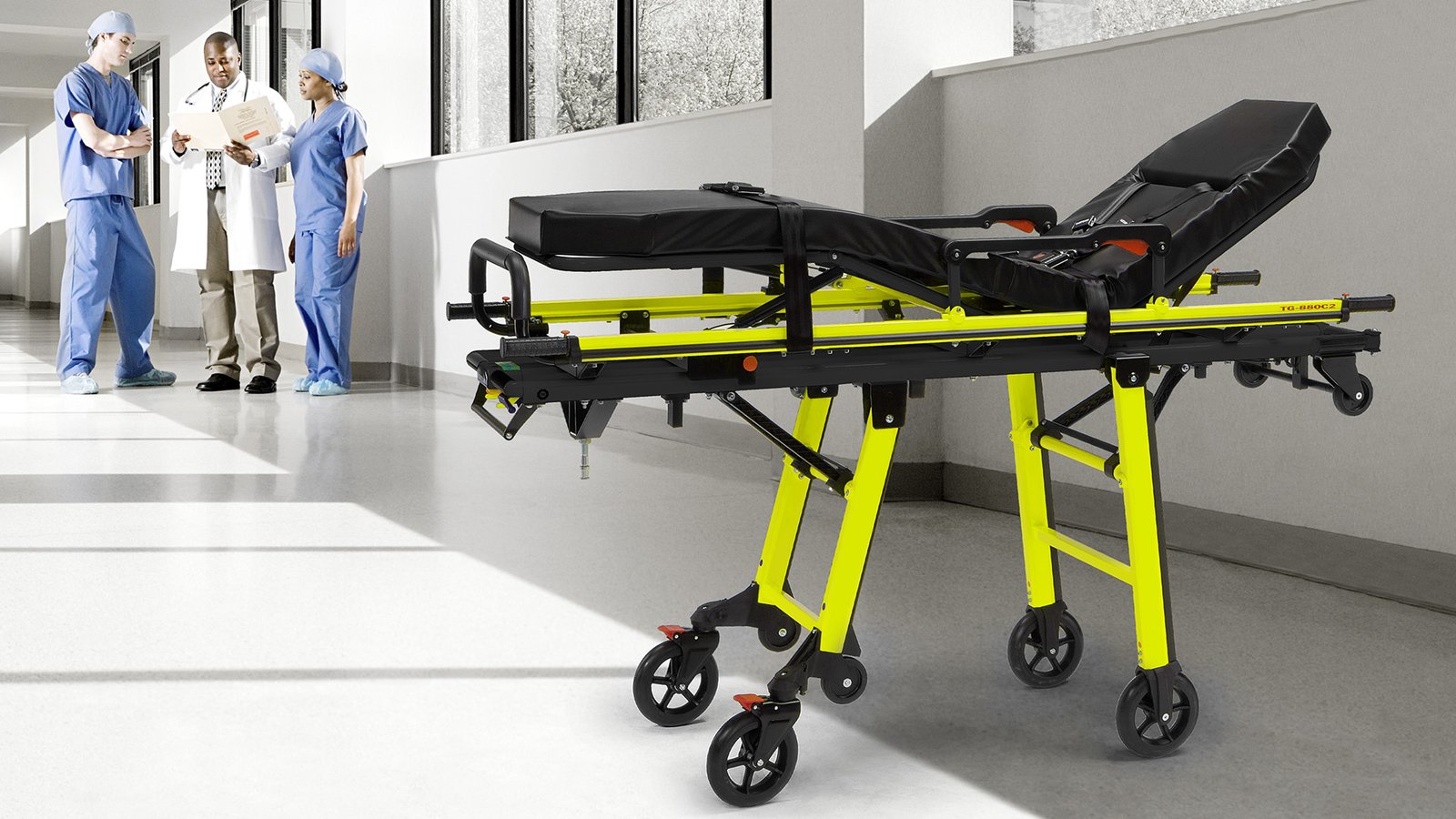
Ambulance stretchers aren’t one-size-fits-all. Let’s break down the process step by step to ensure you make the smartest decision for your fleet or project.
Why is compatibility with the ambulance system so important?
Every stretcher connects to the ambulance through a fixation system or rail. If the stretcher you choose doesn’t fit these systems perfectly, you could face installation headaches, safety risks, or even vehicle downtime.
Confirming compatibility early by asking for exact fixation drawings or interface specs ensures that your stretcher will load and lock securely inside the vehicle. Compatibility issues cause delays and wasted resources, so resolve this first!
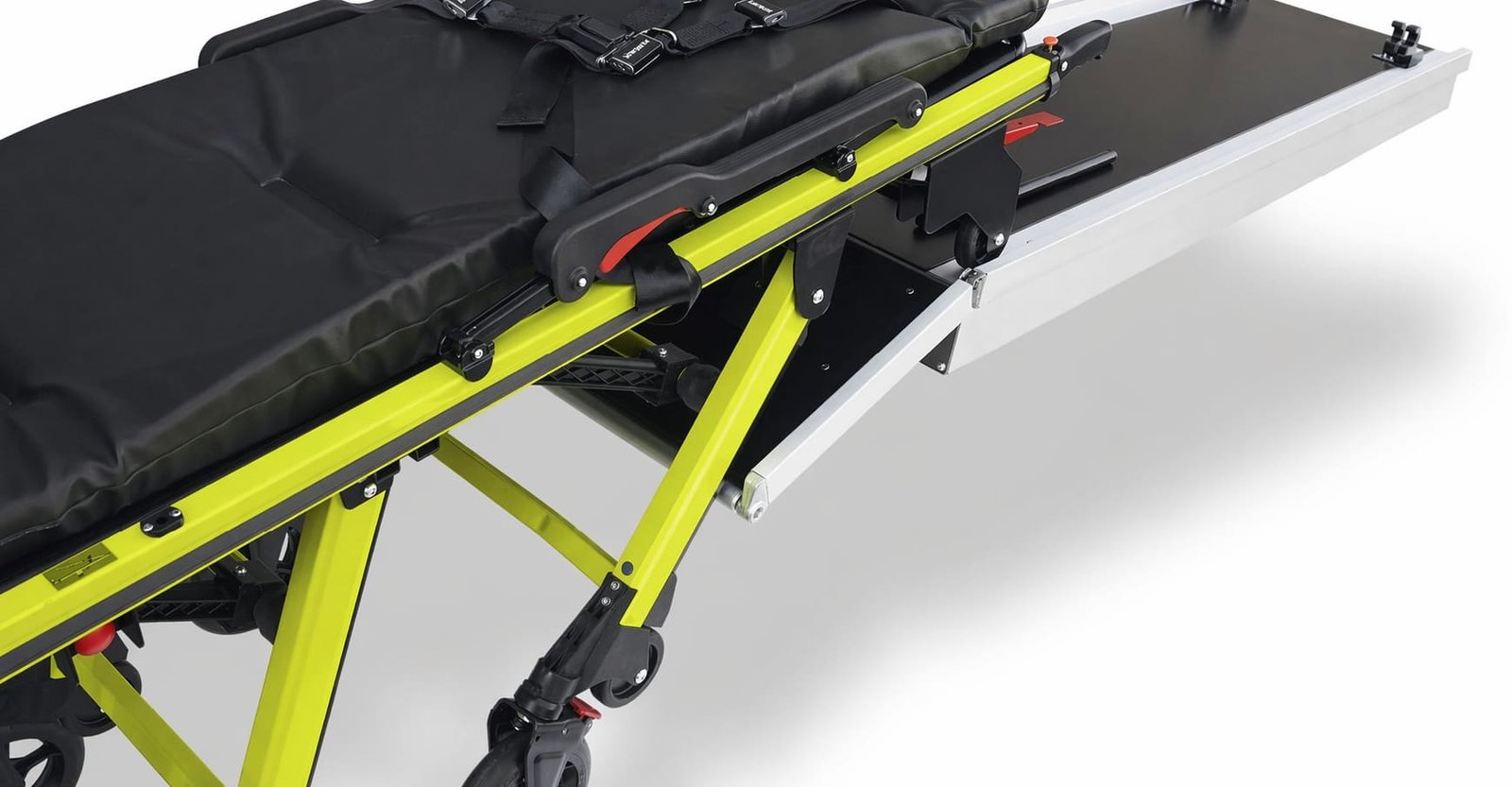
Here’s how to ensure your stretcher choice fits the ambulance:
- Request fixation specs from your ambulance outfitter. Look for fixation brands, locking points, and rail dimensions.
- Share these specs with your stretcher supplier. Ask them to confirm compatibility with dimensioned drawings.
- Be precise about loading height range and wheelbase requirements. If these measurements don’t match your ambulance setup, the stretcher won’t work properly.
Remember, fixation-system compatibility3 is non-negotiable. Without this first step, every other feature on your stretcher will lose its value.
How can Total Cost of Ownership (TCO)4 help me choose better?
Stretchers aren’t just about the upfront price; they cost money to maintain over their service life. Spare parts, downtime, and training can add up quickly. If your stretcher breaks down frequently or spare parts are hard to find, operations suffer—and costs steeply rise.
Think beyond features! Compare stretchers by calculating their TCO: purchase price + planned spare-part costs + expected operational downtime. This way, you’re choosing not just for now but for long-term reliability5.

Here’s how to build a TCO view:
- Purchase price: Start with the base price of each stretcher option.
- Spare parts: Request an itemized spare-parts list (wheels, bearings, straps, latches, etc.), part numbers, and unit prices. Multiply this by estimated annual consumption.
- Downtime costs: Estimate downtime impact (lost operation hours) if stretchers break. Find out spare-part lead times and stocking programs from the supplier.
For example:
| Cost Factor | Stretchers A | Stretchers B |
|---|---|---|
| Base Price (per stretcher) | $1,200 | $1,050 |
| Spare Parts (annual/unit) | $250 | $400 |
| Downtime Costs (annual/unit) | $1,000 | $1,500 |
| Total Annual TCO | $1,450 | $1,900 |
Stretchers A may cost more upfront but save hundreds annually, making them a better investment.
What stretcher features are safe to customize?
Customizing stretchers with your branding is a major perk of OEM suppliers. However, not all features should be modified—changing the wrong dimensions can break fixation compatibility with your ambulance.
Stick to safe customizations: colors, logos, strap labels, and upholstery materials. Never modify fixation or loading dimensions—these are critical for ambulance safety!

Here’s a guide to safe vs risky changes:
-
Safe-to-customize features:
- Color (frame, upholstery)
- Logo placement
- Strap labels or colors
- Mattress covers
- Packaging design
-
Risky changes:
- Frame dimensions (length, width)
- Loading height adjustments
- Latch placement or wheelbase
When requesting customizations, always use dimensioned drawings. Test pre-production samples in the ambulance setup before signing them off for mass production.
What should I ask the supplier about spare parts and sustainment6?
Stretchers live hard lives—wheels wear out, straps tear, and latches break. Suppliers should have robust plans for spare parts availability and long-term support so these common issues don’t cause downtime.
Ask for an itemized spare-parts program7 and confirm availability for at least 5–7 years after purchase. Also, ensure training materials8 explain maintenance and part replacement clearly.

Critical questions for your supplier:
- Spare-parts program: Can you share a stocked spares list with part numbers and lead times? What’s the MOQ for replenishment orders?
- Availability window: How long will spare parts be available after I purchase?
- Training: Do you supply user guides or videos for stretcher maintenance?
- Shipping security: How do you protect sensitive parts (like wheels, latches) during transit?
- For fleet buyers9: Can you recommend an initial spares kit for every 10 stretchers?
Frequently Asked Questions
Can the same stretcher fit multiple ambulance brands?
No. Different ambulance brands use different fixation systems—stretcher compatibility depends on the specific fixation rail and locking points in each vehicle. Always confirm compatibility case by case.
How long do stretchers usually last?
This depends on usage intensity, but quality ambulance stretchers can last 5–10 years with proper maintenance and spare parts. Breakdowns are more likely without access to replacement parts.
Why should spare-parts programs matter to me?
Downtime costs from broken wheels, straps, or latches can overwhelm the initial stretcher price. Suppliers with clear, long-term spare-parts programs reduce this risk significantly.
What type of training should suppliers provide?
Suppliers should offer basic maintenance guides (videos or manuals) showing how to replace worn-out parts safely and keep the stretcher operational.
Are self-loading stretchers10 universal?
No, self-loading stretchers need to fit their ambulance’s loading height range, wheelbase, and fixation system. Choosing universally “good” stretchers without checking these factors could create serious issues.
Conclusion
Choosing the right types of ambulance stretchers isn’t about chasing features—it’s about locking safety and compatibility first, controlling TCO over time, and ensuring customization doesn’t break essential dimensions. Start with vehicle fixation requirements before comparing models or suppliers. Finally, secure a strong spare-parts program and after-sales support to maximize uptime and reduce operational costs11.
If you’re sourcing ambulance stretchers and need reliable, dimension-checked options, reach out to us at Jiekang Medical. We’ll help you navigate compatibility, smooth customization, and after-sales assurance for long-term success.
This source explains why compatibility with vehicle systems is critical for selecting ambulance stretchers. ↩
This source explains that non-critical stretcher features can be customized, while structural modifications may affect safety. ↩
This source explains the importance of fixation-system compatibility for safe ambulance stretcher operation. ↩
This source defines Total Cost of Ownership and explains its value for comparing ambulance stretchers beyond upfront price. ↩
This source discusses how long-term medical equipment reliability depends on build quality, spare parts, and maintenance. ↩
This source explains why spare parts availability is important for reducing downtime and maintaining medical equipment. ↩
This source explains how a spare-parts program helps keep medical equipment operational. ↩
This source discusses the importance of training materials for proper medical equipment operation and maintenance. ↩
This source explains why fleet buyers often need initial spare-parts kits to maintain operational readiness. ↩
This source explains that self-loading stretchers require compatibility with ambulance loading height and fixation systems. ↩
This source discusses how operational costs, including maintenance, spare parts, and downtime, can exceed initial purchase costs. ↩