
Are There International Standards for Ambulance Stretcher Dimensions?
Struggling to find a stretcher that fits your ambulance? The wrong size can cause major operational delays and safety risks. You need a reliable solution that just works.
Yes, there are international standards, but no single universal dimension. Standards like EN 18651 and EN 17892 define safety and performance requirements, which influence dimensions. Buyers must verify stretcher specifications against their specific ambulance model and regional needs to ensure a proper fit.
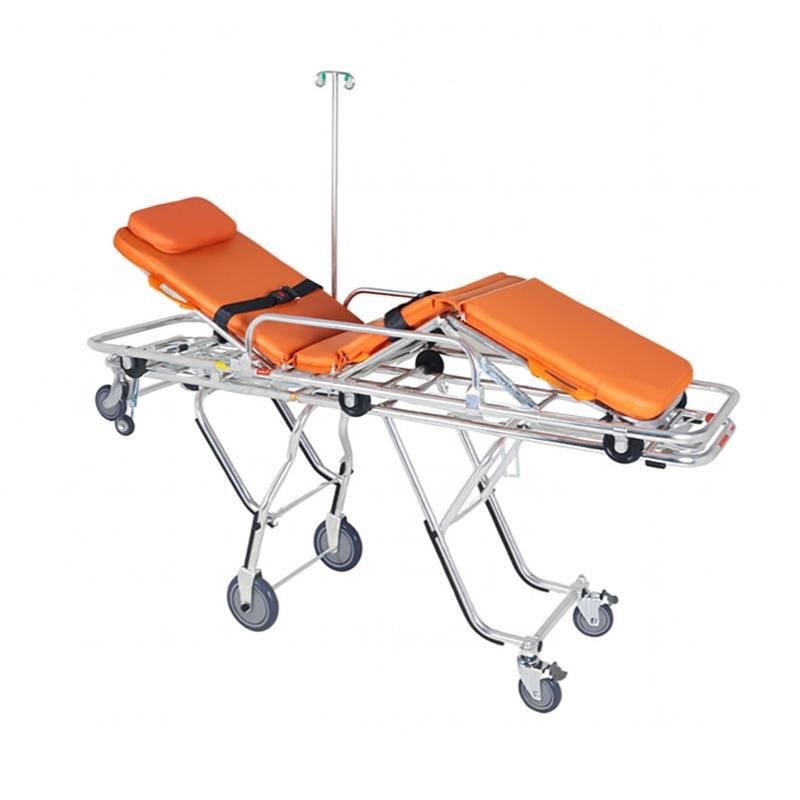
Finding the right equipment for your fleet is a huge responsibility. I know this because my factory in Zhangjiagang, China, has been helping B2B clients with this for years. A stretcher isn't just a product; it's a critical tool that saves lives. Getting the dimensions wrong is not an option. Let's look at the details you need to know to make the right choice every time, ensuring your equipment is safe, compliant, and ready for action.
What size requirements should buyers pay attention to?
Worried that a new stretcher won't fit your ambulance? A small measurement error can lead to a big purchasing mistake. This causes delays and wastes your budget.
When buying an ambulance stretcher, you must check the overall length, width, and height range. Also, check the loading height3 and the compatibility of the fastening system. These dimensions ensure the stretcher fits inside the ambulance and locks securely for patient safety during transport.
When I talk with clients, like medical distributors or ambulance conversion companies4, the conversation always turns to dimensions. It's about more than just the stretcher itself. It’s about how the stretcher works with the ambulance. A stretcher might have great features, but if it doesn't fit, it's useless. I always advise my customers to think about a few key measurements. First, the total length. You need to make sure it fits inside the patient cabin with the doors closed. Second, the width. It must pass through the ambulance doors easily. Third, the height. This is very important. You need to know the minimum and maximum height to ensure it aligns with your ambulance's loading system. I remember a client who almost bought 50 stretchers without checking the loading height3. We caught it just in time by reviewing their ambulance specs. It saved them a lot of trouble.
Here is a simple breakdown of the critical dimensions:
| Dimension | Why It's Important | What to Check |
|---|---|---|
| Overall Length | Must fit inside the ambulance cabin. | Measure your ambulance interior from the back door to the front partition. |
| Overall Width | Must pass through ambulance doors and move freely. | Measure the narrowest entry point of your ambulance. |
| Height Range | Must align with the ambulance floor for loading. | Check the stretcher's minimum and maximum height against your ambulance's floor height. |
| Wheel Base | Affects stability and maneuverability. | Ensure the wheel dimensions are suitable for your ramps and floors. |
| Fastener Position | Must match the locking system in the ambulance. | Compare the stretcher's fastener specs with your vehicle's locking points. |
Which international standards are commonly referenced?
Buying non-compliant equipment is risky. It can fail inspections, endanger patients, and damage your company's reputation. You need equipment that meets recognized safety benchmarks.
The most common international standards for ambulance stretchers are EN 18651 and EN 17892. EN 18651 covers patient transport equipment5 specifications, while EN 17892 specifies the design and equipment for road ambulances, including the stretcher and its fastening system.
In my factory, we live by these standards. They are not just letters and numbers on a certificate. They are a promise of quality and safety. For my B2B customers, providing proof of compliance is essential for winning government tenders or building trust with hospitals. The EN standards are particularly important for clients in Europe and many other regions that have adopted them. EN 18651 gives us the blueprint for building a strong and reliable stretcher. It tells us about load capacity, materials, and operational safety. EN 17892 takes it a step further. It ensures that the stretcher and the ambulance work together as a complete system. It even includes crash test requirements6. I once had a new customer from the Middle East who was unsure about our quality. I walked him through our EN 17892 compliance process, and it immediately gave him the confidence to place an order.
Here’s a look at what these standards mean for you:
Key European Standards
| Standard | What It Covers | Why It Matters to You |
|---|---|---|
| EN 18651 | Specifies minimum requirements for stretchers, including dimensions, ergonomics, and safety features. It ensures the stretcher is robust and safe for the patient. | Guarantees the stretcher's basic quality and performance. It's a mark of a professional-grade product. |
| EN 17892 | Defines requirements for road ambulances, including the stretcher retention system7. It mandates a 10G crash test for the stretcher and its lock. | Ensures the stretcher will remain securely in place during a collision, protecting both the patient and the medical crew. This is a critical safety feature. |
It's also important to remember that different regions have different body types. People in Asia are generally smaller than people in Europe or North America. So, we often customize stretcher dimensions to better suit the local population. This is part of our OEM/ODM service8.
How can you check whether a stretcher really fits your ambulance setup?
Ordering a stretcher and finding out it doesn't fit is a nightmare. This mistake costs you time, money, and creates huge logistical headaches. You need a simple process to avoid this.
To confirm a fit, you must get a technical data sheet9 for the stretcher. Then, physically measure your ambulance's interior, including the loading height3 and the position of the floor-mounted locking system10. Compare these measurements carefully before you place an order.
I can't stress this enough: measure twice, order once. I always send my clients a detailed specification sheet with clear diagrams. But I also urge them to take out a measuring tape and check their own vehicles. Don't rely on the ambulance manufacturer's brochure alone. Modifications can happen. I worked with a rescue service that bought a fleet of used ambulances. The seller's information was outdated. By following my advice to measure each vehicle, they discovered that the floor locking systems were non-standard. We were then able to provide a custom fastener that worked perfectly. This simple step saved them from having to refit their entire fleet. It builds trust, and it's why we have so many long-term partners. It’s part of the service we provide as a direct factory supplier. We want to be your trusted partner, not just a seller.
Here is a simple checklist to follow:
Your Pre-Purchase Checklist
- Get the Stretcher's Technical Data Sheet: Request a detailed spec sheet from the supplier. It should include length, width, height range, and fastener details.
- Measure Your Ambulance Interior:
- Length: Measure from the inside of the rear doors to any cabinet or partition.
- Width: Measure the door opening and the narrowest point inside the patient cabin.
- Height: Measure from the ambulance floor to the ceiling.
- Check the Loading Height:
- Measure the distance from the ground to the ambulance floor.
- Ensure the stretcher's minimum height allows for easy and level loading.
- Inspect the Fastening System:
- Measure the exact position of the locking points on the ambulance floor.
- Compare this with the stretcher's fastener diagram to ensure they align perfectly.
Conclusion
In short, always verify stretcher dimensions against international standards and your specific ambulance measurements. This simple check ensures safety, compliance, and a successful purchase for your operations.
Understanding EN 1865 helps ensure the stretcher meets essential safety and performance standards, crucial for patient transport. ↩
Exploring EN 1789 ensures the stretcher and ambulance system meet rigorous safety requirements, including crash tests. ↩
Accurate loading height measurement ensures the stretcher aligns with the ambulance floor, facilitating safe patient transport. ↩
These companies play a crucial role in ensuring stretcher compatibility, preventing costly errors and enhancing operational efficiency. ↩
Understanding these requirements ensures the stretcher is robust and safe, meeting professional-grade standards. ↩
Knowing these requirements ensures the stretcher can withstand collisions, safeguarding patients and medical personnel. ↩
Understanding the retention system is vital for ensuring the stretcher remains secure during transport, protecting patients and crew. ↩
Exploring OEM/ODM services can offer customized stretcher solutions tailored to specific regional needs and ambulance types. ↩
A technical data sheet provides essential specifications, ensuring the stretcher fits and functions correctly within your ambulance. ↩
Ensuring the locking system aligns with the stretcher prevents operational issues and enhances safety during transport. ↩