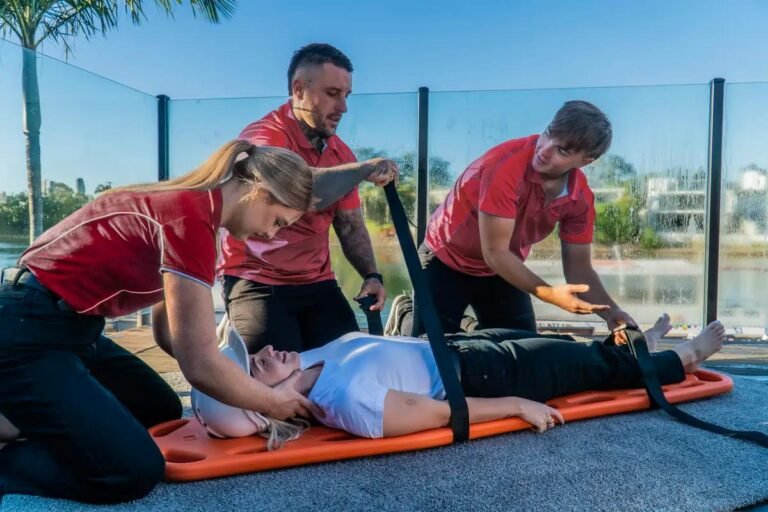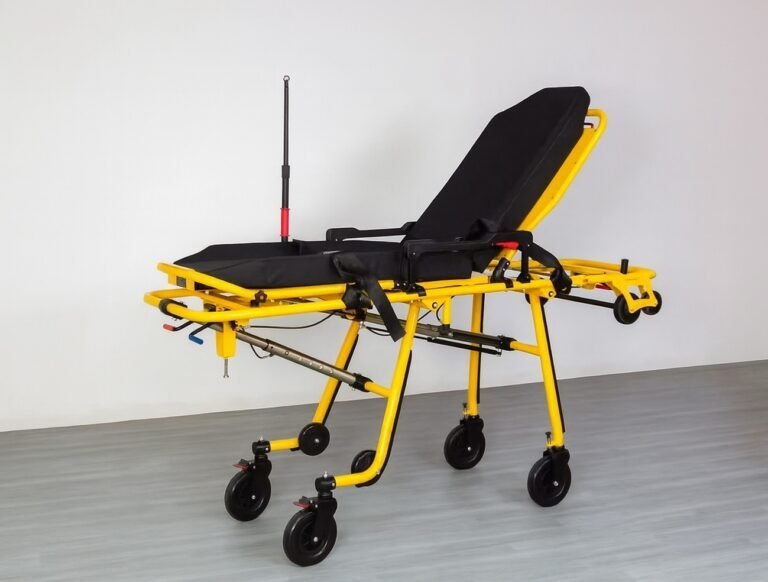
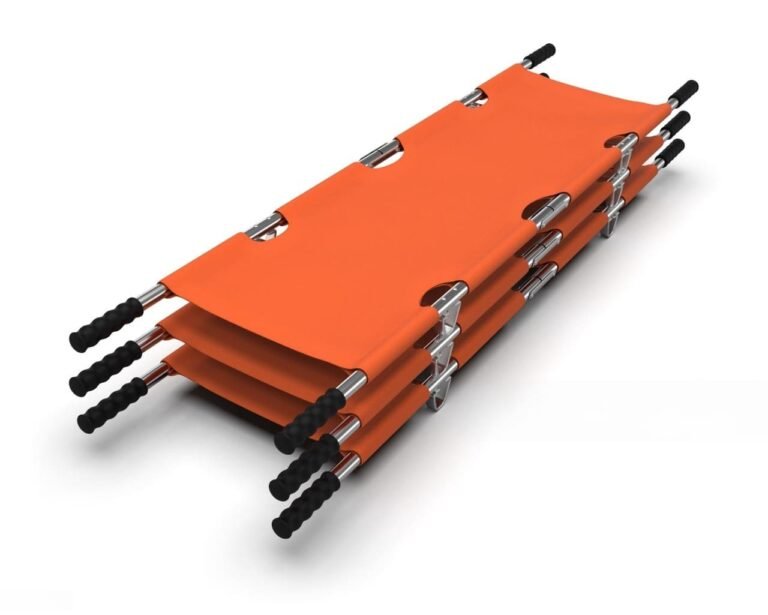
You need a reliable folding stretcher. But every catalog promises the "best" one, making the choice confusing. The secret is finding the right stretcher for your specific team.
A good folding stretcher for EMS balances durable, lightweight materials with a simple, reliable design.1 It must be easy to deploy, clean, and store. Most importantly, it should ensure patient safety and reduce rescuer strain. The best choice always depends on your specific operational needs.
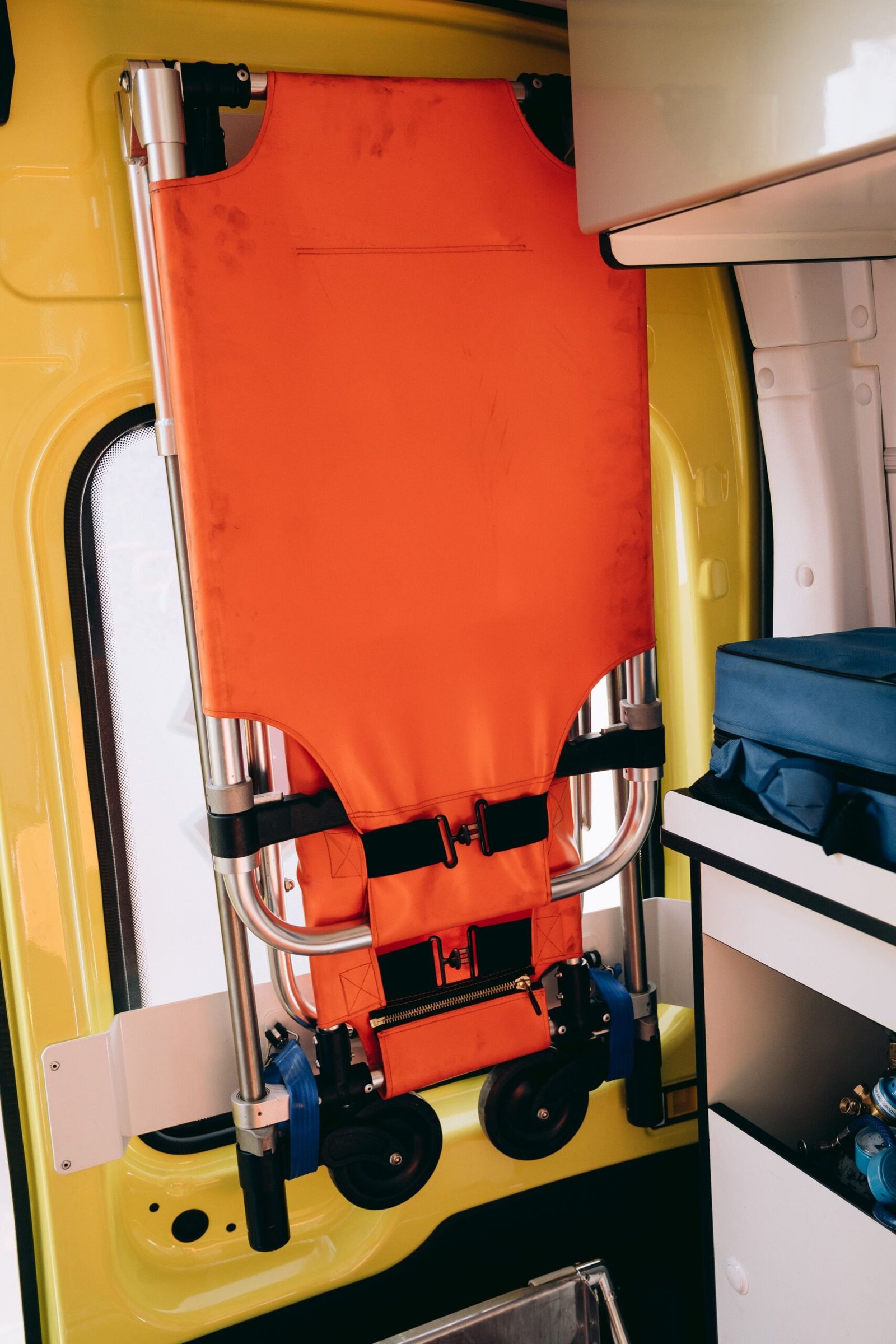
I see this question a lot from distributors and procurement managers. They want a simple answer, but there isn't one. Instead of looking for a single "best" stretcher, you need a better way to decide. I'll walk you through a framework that helps you look beyond the sales pitch and focus on what really matters for your operations. This will help you choose with confidence.
How Do You Judge Stretcher Quality Beyond the Spec Sheet?
You are comparing technical data sheets. They all look similar. How can you tell which stretcher is truly built to last? You need to know what to look for.
Judge quality by inspecting the details that spec sheets miss. Check the locking mechanism for a secure feel.2 Examine the hinge durability. See how easy the fabric is to clean. These usability features determine real-world performance, not just the listed weight capacity or alloy type.
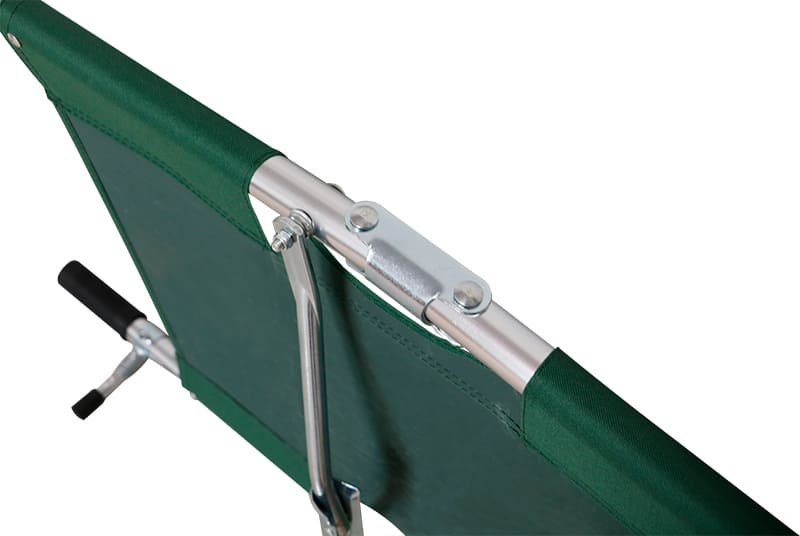
From my experience handling products and talking to buyers, the spec sheet is only the start. A frequent issue buyers miss when evaluating a sample is the small details that signal long-term reliability. A high-grade aluminum alloy means nothing if the welds are poor.3 Here is a more practical way to evaluate a stretcher.
From Paper Specs to Physical Reality
Think of it this way. The spec sheet tells you the ingredients, but the physical product shows you how the meal was cooked. I always encourage buyers to look closely at these areas.
| Spec Sheet Says | What You Should Actually Check |
|---|---|
| Material: High-Strength Aluminum | Reality: Check the welds for consistency. Look at the finish. Is it smooth and free of burrs that could tear gloves or snag on clothing? |
| Hinges: Secure Locking Design | Reality: Fold and unfold it ten times. Does it feel solid or wobbly? Is the locking pin easy to engage and disengage, even with gloves on? |
| Fabric: High-Density Oxford | Reality: Feel the fabric. Is the stitching tight and even, especially around the handles?4 Is the surface non-porous and easy to wipe clean of fluids? |
These details separate a stretcher that just meets a standard from one that will reliably serve your team for years.
Is the Lightest Stretcher Always the Best Choice for Your Team?
A lightweight stretcher seems perfect for reducing rescuer strain. But choosing the lightest option can bring new problems. I will explain the hidden trade-offs you must consider.
Not always. While a lighter stretcher is easier to carry, it might sacrifice durability, rigidity, or patient stability. The best choice balances weight with strength and key features. For high-volume daily use, a slightly heavier but more robust model is often a better long-term investment.
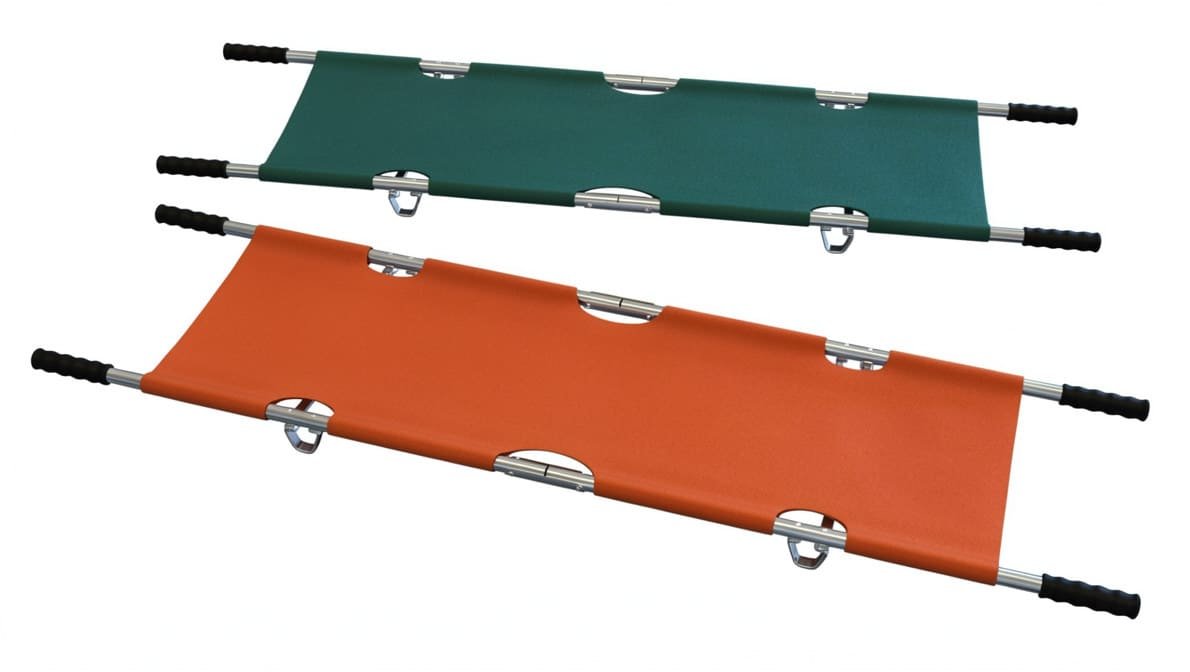
A common question from distributors is about our lightest model. My first question back is always, "What is the primary use case?" Because the answer changes everything. An ultra-light stretcher might be great for one scenario but a liability in another. It's a classic trade-off between portability and durability.
Matching Weight to Mission
An ultra-light frame may use thinner-walled tubing or less reinforcement.5 This can make it more prone to denting or bending from rough handling on a daily basis.
-
For Mass Casualty Incidents (MCI): Yes, lightweight and rapid deployment are the top priorities. You need to move many patients quickly, so sacrificing some long-term durability for portability is a smart trade-off. These stretchers are often stored and used less frequently than primary units.
-
For Daily Ambulance Use: Durability is king.6 This stretcher will be used multiple times a day, slid in and out of the ambulance, and handled roughly. A slightly heavier frame with stronger hinges and thicker fabric will withstand this wear and tear much better, making it a safer and more cost-effective choice over time.
Thinking about the mission first prevents you from buying a product that isn't tough enough for the job.
What Makes a Supplier a True Partner Instead of Just a Vendor?
You need a reliable supplier for long-term success. But many just send a price list and disappear. I will show you how to spot a partner who helps reduce your risk.
A true partner acts as a consultant. They ask detailed questions about your operational environment, cleaning protocols, and local regulations. They guide you to the right product because their goal is your long-term success, not just making a single, quick sale. They help you de-risk your purchase.7

In my role, I speak with buyers every day. The best relationships are built on trust, and that trust starts with the questions we ask. A supplier who just sends a catalog without asking about your needs is shifting all the risk onto you.8 A real partner helps you carry that risk by ensuring the product is the right fit. They demonstrate their expertise by understanding your challenges.9
The Questions a Partner Will Ask
A good supplier should be asking you things like:
- "What are your team's cleaning and decontamination protocols?" Different chemicals can degrade certain fabrics or coatings over time.10 Knowing this helps them recommend a material that will last.
- "What specific certifications are required in your region?11" This is critical. A partner ensures all documentation is in order before you even place an order, preventing compliance headaches later.
- "What is the expected frequency of use and typical environment?" A stretcher for a rural volunteer service has different durability needs than one for a busy urban hospital's ambulance fleet.
When a supplier asks these questions, it shows they are invested in your success. They are using their experience to prevent problems for you down the road.
Conclusion
Finding a good folding stretcher is not about the "best" product. It is about your specific needs. Use this framework to choose the right stretcher and a reliable partner.
This source explains the key features of folding stretchers for EMS, including the importance of balancing durability, weight, and usability. ↩
This source discusses the importance of locking mechanisms in folding stretchers and their role in ensuring safety and usability. ↩
This source highlights the role of weld quality in determining the durability and safety of aluminum-based medical equipment. ↩
This source explains how fabric stitching quality impacts the durability and safety of medical stretchers. ↩
This source discusses the trade-offs between weight and structural integrity in medical stretchers. ↩
This source emphasizes the importance of durability in medical equipment for high-frequency use scenarios. ↩
This source explains how consultative suppliers can help buyers mitigate risks in medical equipment procurement. ↩
This source discusses the role of consultative selling in reducing buyer risk for medical equipment. ↩
This source highlights the importance of supplier expertise in addressing buyer challenges for medical equipment. ↩
This source explains how cleaning chemicals can affect the longevity of fabrics and coatings in medical equipment. ↩
This source provides an overview of regional certification requirements for medical equipment, including stretchers. ↩