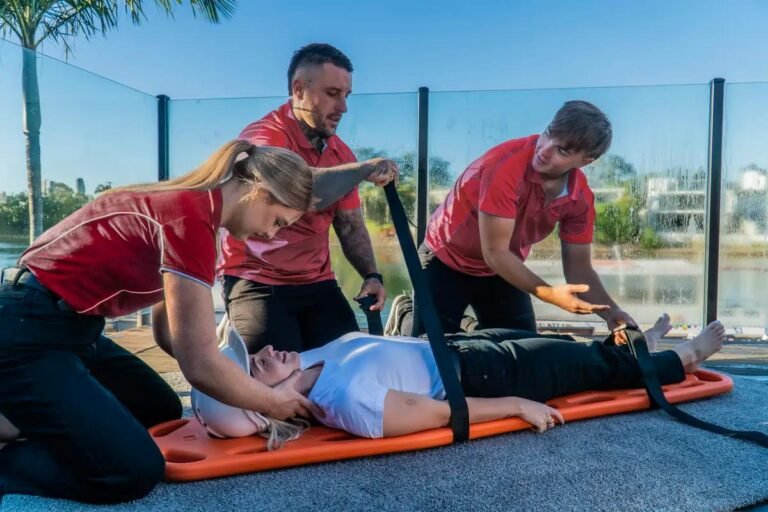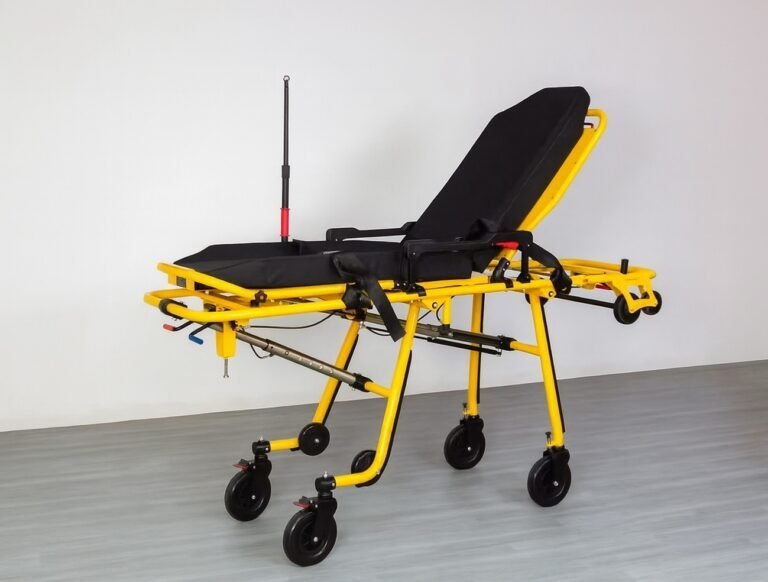

Buyers ask me, how many types of hospital stretchers exist. The question sounds simple. It hides risk. The wrong type triggers returns and delays. I use a task‑first map.
Hospital stretchers split into hospital transfer trolleys and ambulance cots.1 Choose by task, space, cleaning, and interface needs. Do not assume ambulance lock fit. Define compatibility and required adapters. Verify EN1865/EN1789 per tender.2 Standardize accessories and spares to cut cost and avoid returns.

You want a quick catalog answer. I want your project to land and stay quiet in maintenance. So I will not count types. I will draw lines. I will show how I shortlist by task, space, cleaning, and interfaces. I will mark standards and certificates as to be verified per tender. I will share real cases, without names. If you need a list, you will get it at the end of the process. If you want fewer headaches, start here with me.
What is the boundary between hospital transfer trolleys and ambulance cots?
This boundary gets blurred in emails. People ask for one stretcher for all. That promise breaks. Hospitals move inside buildings. Ambulances dock in vehicles. The lock decides many limits.
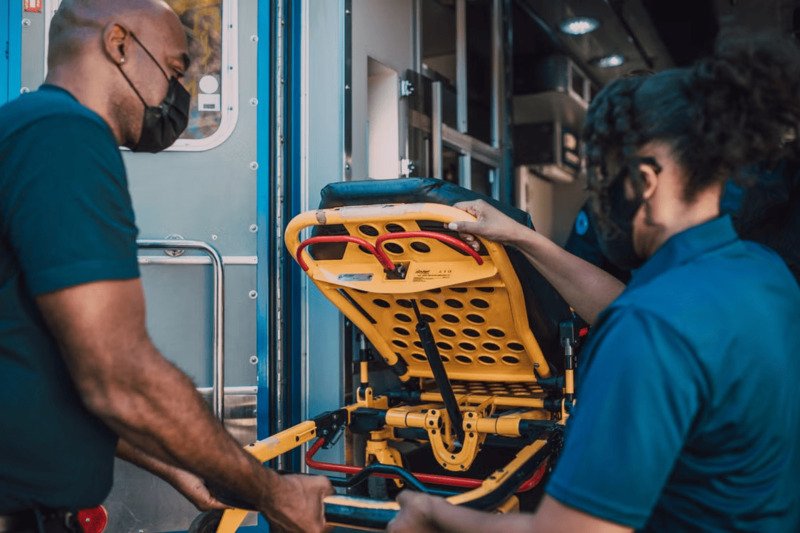
Hospital trolleys serve intra‑facility transfer and cleaning cycles. Ambulance cots serve prehospital work and vehicle locks. Hospital trolleys usually do not fit ambulance floor mounts.3 Compatibility needs specific adapters or transfer bridges. Verify EN1865/EN1789 per tender. Ask for the ambulance model and lock spec before any promise.
Definitions
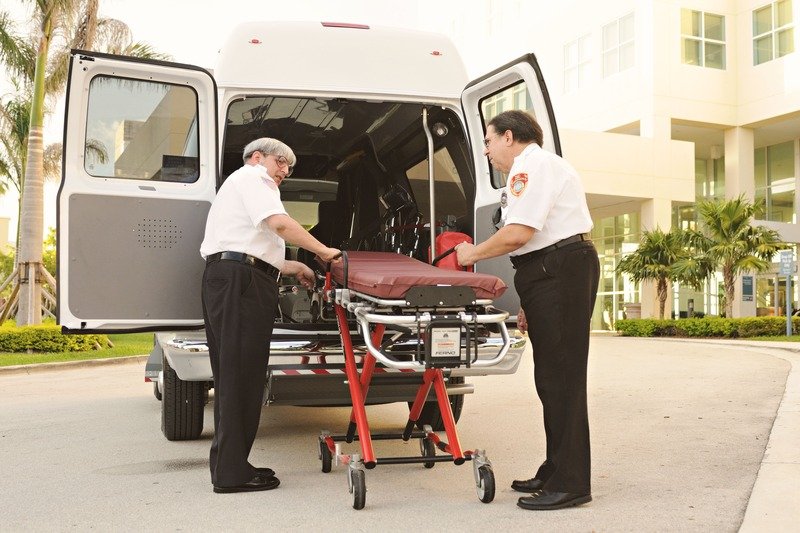
I use clear words. A hospital transfer trolley (also called a gurney) moves patients within a facility. An ambulance cot moves patients from scene to vehicle and locks to a floor mount. These are different worlds. Mixing them causes returns.
Standards and checks (to be verified per tender)
Ambulance cots and locks often reference EN1865 and EN1789. These must be verified per tender and per supplier file. Hospital trolleys may not claim these. Do not assume cross‑compliance.
Locking and docking
Hospital trolleys do not lock to ambulance floor mounts. If someone says “compatible,” I ask for the lock make, model, and photos. I ask for the ambulance model. I ask for desired workflow. Often, the right answer is a safe transfer method, not docking.
| Aspect | Hospital transfer trolley | Ambulance cot |
|---|---|---|
| Primary use | Intra‑facility patient transfer | Prehospital transfer and vehicle docking |
| Locking interface | None to floor locks | Dedicated floor lock system |
| Height control | Manual or hydraulic, wide range | Gas/hydraulic tuned for loading into vehicle |
| Braking | Central brake, steer lock | Brake plus loading guides |
| Mattress | Facility cleaning routines | Field conditions and loading rails |
| Side rails | Yes, for in‑hospital safety | Yes, for field safety |
| Load rating | To be verified per SKU/site | To be verified per SKU/tender |
| Standards | Facility policies | EN1865/EN1789 (to be verified per tender) |
| Cleaning | Disinfectant cycles, high frequency | Field contamination, hose‑down in some cases |
| Wheels | For halls, elevators, thresholds | For curbs, ramps, vehicle loading |
I had a near‑return once. A buyer wrote “must fit our lock,” but no lock data came. I paused the invoice. I asked for photos and the lock type. The lock did not match any adapter we could source. We changed the plan to a transfer bridge and a clear SOP. The project landed. The return risk vanished.
How do I choose a hospital transport trolley by task?
Tasks differ in risk.4 ER to ward needs speed and safety. Imaging needs metal‑free areas sometimes. OR transfer needs precise height. A single SKU fails. A task map reduces pain.
List your transfer routes. Note side rail needs, central brake, mattress type, IV pole use, oxygen holder needs, and height range. Choose manual or hydraulic lift by workload. Match accessories across your fleet. Plan for spare mattresses and straps.

Task categories I map first
I write the routes on one page. ER to ward. Ward to imaging. Ward to OR. ICU transfers. Bariatric transfers. Pediatrics. Each route has different risks and pace. Each route sets features.
Feature checklist I confirm
I confirm side rails, central brake, steer wheel, bumpers, IV pole, oxygen holder, mattress type, restraint type, and height range. I ask who drives the trolley. I ask how often it moves per day. I ask about patient weight mix.
Mapping tasks to features
| Task route | Key features | Notes |
|---|---|---|
| ER → Ward | Central brake, steer wheel, quick rail latch | Speed and turns matter. Avoid footplates that snag curtains. |
| Ward → Imaging | Low minimum height, radiolucent surface if needed | Check imaging room clearances and table heights. |
| Ward → OR | Precise height match, side transfer ease | Request transfer boards and sliding sheets. |
| ICU transfer | Accessory rails, oxygen holder, IV pole stability | Keep pump and cylinder positions stable across fleet. |
| Bariatric | Higher load rating, wider frame, reinforced rails | Verify rating per SKU/tender. Plan staff count per SOP. |
| Pediatrics | Narrow mattress, extra restraint options | Consider integrated pediatric straps. |
A small case from my desk
A distributor asked for “one trolley for all.” I split tasks. We set two SKUs. One base unit for ward routes. One radiology‑friendly unit with low minimum height and rails that clear detectors. Complaints stopped. Spare parts also simplified because both shared rail clamps and IV pole mounts.
How do space and flow shape the shortlist?
Great features fail in tight halls. I have seen stuck trolleys at elevator doors. Delays follow. Measure first. The site shapes the wheelbase, width, and turning plan.
Measure door widths, elevator cabin sizes, thresholds, ramp angles, and turning circles.5 Compare to overall dimensions and wheelbase. Test live with a sample if possible. Capture limits before shortlisting to avoid blocked routes and damage.
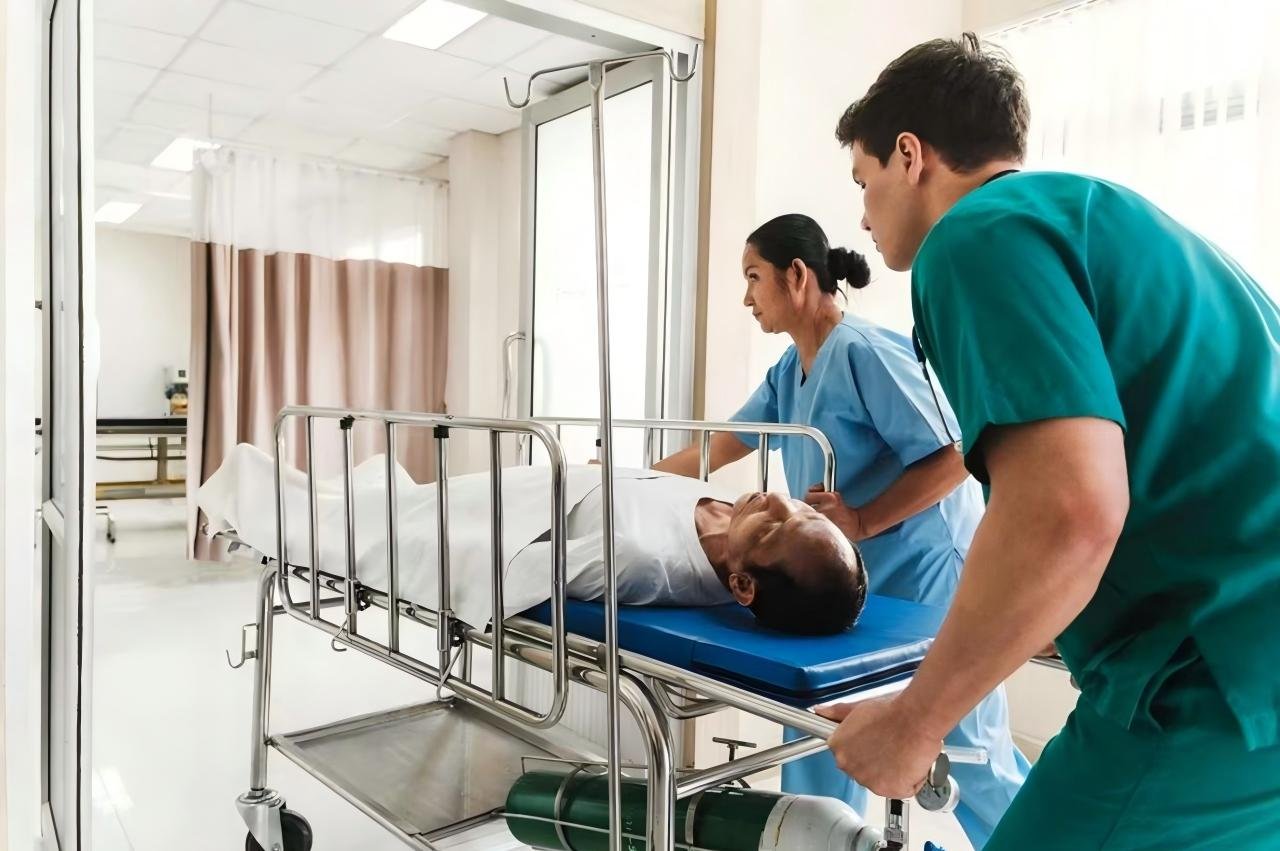
Measure first, then shortlist
I walk the route. I measure the narrowest door clear width, not just frame size. I measure elevator door width and cabin depth. I note threshold heights and ramp angles. I check wall corners for scuff marks. Scuffs show real trouble spots.
Turning and ramps
I look at the wheelbase and the overall width of each trolley. Longer wheelbases track well but need more space to turn. Larger wheels roll better over thresholds, but raise the deck. Ramps add strain. I match wheel size to ramp angle and to staff strength.
Data to collect and test
| Site area | Data to collect | How to test |
|---|---|---|
| Narrowest door | Clear width (mm) | Tape measure at handle height |
| Elevator | Door width, cabin depth and width (mm) | Mock push with a sample trolley if possible |
| Corridors | Width at corners (mm) | Turn a taped outline on floor |
| Thresholds | Height (mm) and edge shape | Roll a loaded trolley over a sample edge |
| Ramps | Angle or rise/run | Push/hold test with rated load |
A quick example
One site had a 1300 mm deep elevator and a 900 mm door. A long trolley nose hit the back wall before the doors closed. We switched to a shorter wheelbase model with a 680 mm deck width. We added corner guards. The move became smooth. These numbers vary by supplier, so I always verify per site.
What cleaning and maintenance choices cut total cost?
Stretchers live in disinfectant. Wrong finishes peel. Mattresses split. Wheels seize. Looks suffer. Staff lose trust. I plan for chemistry first, then spares, then shared parts. That cuts total cost.
Match materials to disinfectants.6 Plan mattress cover replacements by cycle. Standardize accessory interfaces. Choose wheels and bearings that tolerate your wash method. Color and logo choices change MOQ and lead time. Parts commonality lowers spares and downtime.

Disinfectant compatibility first
I ask for the disinfectants in use. I note concentration and frequency. I match finishes to chemistry. Powder‑coated frames handle many agents.7 Anodized aluminum resists some better. Chlorine bleach at high concentration can attack some plastics and coatings.8 I confirm wipe dwell times. I request a small sample for a wipe test on site if needed.
Consumables and planned swaps
Mattress covers and restraint straps wear. I plan replacements by cycle. Heat‑sealed seams resist fluid better than stitched seams in many routines.9 I check zipper type and cover thickness. I keep spare covers and straps in stock. I label SKUs to avoid mix‑ups.
Interface and parts commonality
I standardize IV pole mounts, oxygen holder clamps, and rail sizes across SKUs. I avoid unique accessory rails that trap me into one model. Shared wheels, brakes, and bumpers cut spare stock. This shortens downtime.
Procurement notes (to be verified)
Color and logo add value but set MOQs and extra lead time. I plan these early. Load ratings, fire resistance, and biocompatibility claims must match tender text and supplier files. Always to be verified per tender.
| Material/finish | Disinfectant type | Risk if mismatched | Note |
|---|---|---|---|
| Powder‑coated steel | Quats, alcohol | Gloss loss with harsh chlorine | Good general choice; test bleach exposure |
| Anodized aluminum | Quats, alcohol | Pitting with strong alkali | Light, clean look; avoid abrasive pads |
| ABS plastic trims | Quats, mild chlorine | Cracking with high chlorine | Keep spare trims; test wipe dwell time |
| Mattress PU cover | Quats, alcohol | Seam failure if thin | Prefer heat‑sealed seams; plan cover swaps |
I saw one site with heavy bleach use. ABS corners turned chalky in months. We changed to a different trim and adjusted dwell time. We also moved to a thicker PU cover with heat‑sealed seams. Complaints stopped. Spend a little time here. Save a lot later.
When hospital and ambulance must interface, what does compatible mean?
This word creates trouble. Teams hear it and expect docking. Tenders copy it without detail. Returns follow. I force a definition. I ask what transfer looks like, step by step.
Define the goal: dock into a vehicle lock, or transfer between surfaces.10 If docking, collect the ambulance model and lock spec. If transfer, select boards, bridges, or adapters. Verify EN1865/EN1789 per tender. Do not promise lock fit without exact data.
Interface goals I separate
There are only two goals. One is docking the stretcher to a vehicle lock. The other is safe transfer between a hospital trolley, a bed, and an ambulance cot. These are not the same. I never mix them.
Data I collect before I promise anything
I ask for the ambulance make, model, year, and interior layout. I ask for the floor lock make and model. I ask for photos and measurements. I ask for any national standard called out in the tender. All of this is to be verified per site or tender.
Methods that actually work
Docking needs an exact lock match and a cot that was built for that lock.11 Hospital trolleys usually do not qualify. Transfer needs good tools. I pick rigid transfer boards, bridging devices, or docking adapters that clamp to rails. I write the steps and the staff count.
| Interface goal | Method | Risks if unclear | Documents to verify |
|---|---|---|---|
| Vehicle docking | Cot with matching floor lock | Lock mismatch, safety failure | EN1865/EN1789 (per tender), lock datasheet |
| Bed ↔ Trolley | Sliding board, transfer sheet | Staff injury, patient slip | SOP, training record |
| Trolley ↔ Ambulance | Transfer bridge, adapter clamp | Gap, height mismatch | Adapter manual, site test |
| Mixed routes | Defined transfer SOP + tools | Blame game, returns | Tender spec addendum, sign‑off photos |
I had a case that almost returned. The tender said “compatible with our lock.” No lock data. I held the shipment. We got photos. The lock did not match any hospital trolley. We moved to a defined transfer process with a bridge and a height mark on the rails. We delivered, trained, and closed the file.
Conclusion
Types are many, but tasks, space, cleaning, and interface rules pick the right few. Define compatibility, standardize parts, and
This source explains the distinction between hospital transfer trolleys and ambulance cots, including their primary uses and design differences. ↩
This source outlines the EN1865 and EN1789 standards for ambulance cots and their compliance requirements. ↩
This source discusses the incompatibility of hospital trolleys with ambulance floor mounts and the need for specific adapters. ↩
This source explains how different hospital transfer tasks involve varying levels of risk and require specific stretcher features. ↩
This source provides guidelines on measuring hospital infrastructure dimensions to ensure stretcher compatibility. ↩
This source discusses the importance of matching medical equipment materials to disinfectants to prevent damage and ensure durability. ↩
This source explains the durability of powder-coated frames against various disinfectants commonly used in hospitals. ↩
This source details the effects of high-concentration chlorine bleach on plastics and coatings used in medical equipment. ↩
This source compares heat-sealed and stitched seams in medical equipment, highlighting the superior fluid resistance of heat-sealed seams. ↩
This source outlines the importance of defining specific goals for stretcher compatibility, such as docking or surface transfer. ↩
This source explains the necessity of matching ambulance cots to specific vehicle locks for safe docking. ↩