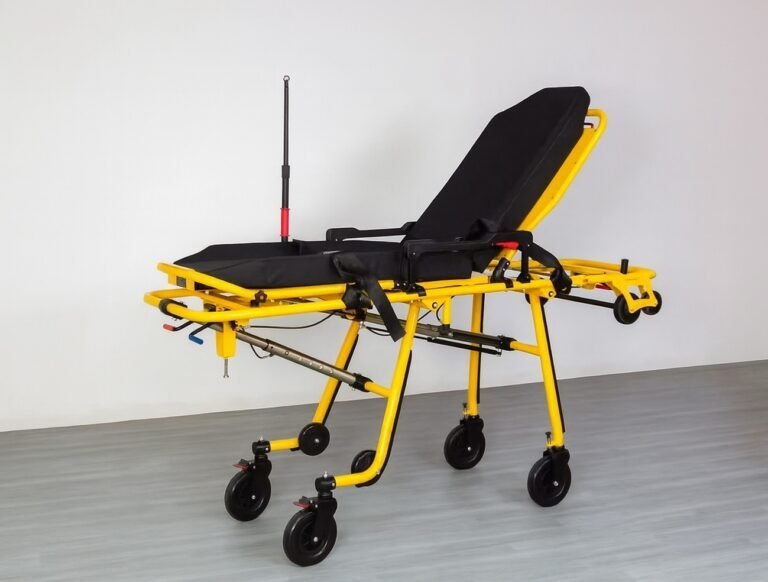

Ambulance stretcher prices can be confusing because products with similar names may belong to completely different price levels. A conventional manual loading stretcher may cost several hundred dollars, while a premium powered cot and loading system can cost tens of thousands. For distributors, ambulance converters, hospitals, and EMS buyers, the right comparison starts with the stretcher type, required configuration, purchasing quantity, and destination-market requirements.
As a practical market reference, conventional manual or automatic-loading ambulance stretchers commonly range from about $300 to $1,300, premium branded manual cots may cost $3,000 to $7,000 or more, and powered ambulance cots can reach $20,000 to $40,000+. These are indicative ranges rather than fixed quotations; specifications, accessories, order quantity, trade terms, and regional compliance requirements can change the final cost significantly.

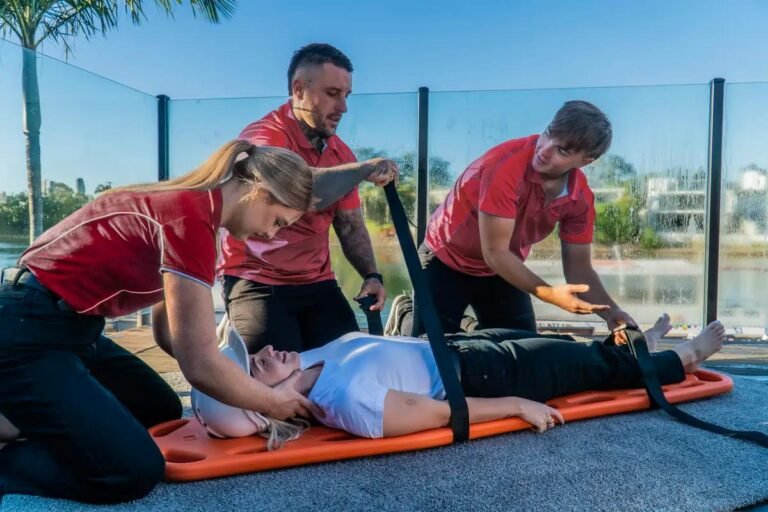
This guide explains the main price levels, what drives the difference between models, and what B2B buyers should confirm before requesting a quotation. It focuses specifically on ambulance stretchers and cots rather than folding, scoop, basket, or stair stretchers, which are separate patient-handling or rescue products.
How much does an ambulance stretcher cost?
There is no single standard price for an ambulance stretcher. The market includes relatively simple mechanical stretchers, premium manual cots, and powered systems with compatible loading equipment. Comparing them as though they were the same product can create a misleading price range.
For most international distributors and ambulance conversion projects, a mechanical automatic-loading stretcher is usually the most relevant starting point. Powered systems occupy a different price category and should be evaluated together with their loading equipment, batteries, maintenance, and vehicle compatibility.
| Ambulance Stretcher Type | Indicative Price Range | Typical Buyer or Application | Important Cost Notes |
|---|---|---|---|
| Conventional manual or automatic-loading stretcher | $300–$1,300 | Distributors, ambulance converters, hospitals, private EMS and project buyers | Usually mechanical; final price depends on height, load capacity, mattress, belts, fastener and order quantity |
| Premium branded manual ambulance cot | $3,000–$7,000+ | Professional EMS fleets and buyers requiring a specific established brand | Dealer pricing, configuration, service coverage and local support can increase cost |
| Powered ambulance cot | $20,000–$40,000+ | High-frequency EMS fleets seeking powered lifting and lowering | Batteries, charger, powered loading system, installation and maintenance may be priced separately |
These ranges are intended to show the difference between market segments. Current public listings place some automatic-loading stretchers between several hundred dollars and about $1,300. Premium branded manual models are commonly listed at several thousand dollars, while powered cot listings and public purchases reach well into five figures.123
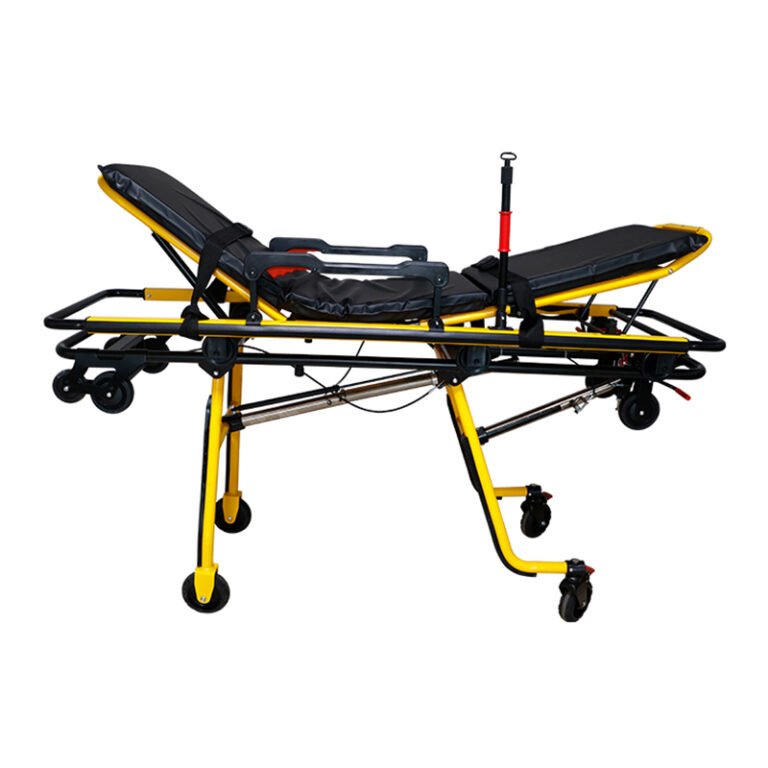
When comparing quotations, always confirm whether the price is EXW, FOB, CIF, DDP, dealer retail, or a tender price. A $600 factory quotation and a $1,200 delivered quotation may refer to a similar product but include very different costs and responsibilities.
What factors determine ambulance stretcher prices?
Two ambulance stretchers may look similar in a product photo but differ in frame design, loading mechanism, working height, load capacity, accessories, documentation, and vehicle compatibility. These differences affect both the purchase price and the long-term cost of use.
1. Manual, automatic-loading, or powered operation
A mechanical automatic-loading stretcher uses folding legs that retract as the stretcher is guided into the ambulance. It is usually more affordable and easier to maintain than an electrically powered cot.
A powered ambulance cot uses a battery-powered hydraulic or electric system to assist with raising and lowering. For example, the Stryker Power-PRO XT uses a battery-powered hydraulic system, placing it in a different functional and price category from a conventional mechanical loading stretcher.4
Do not use “hydraulic,” “gurney,” and “powered stretcher” as interchangeable terms. A gurney is a broad name for a wheeled patient transport device, while hydraulic or powered describes how the equipment raises, lowers, or loads.
2. Frame structure and load capacity
High-strength aluminum is widely used because it balances structural strength, corrosion resistance, and manageable product weight. However, tubing thickness, joint construction, welding quality, reinforcement, and rated load all influence cost.
A higher load rating does not automatically mean a model is suitable for bariatric transport. Buyers should check the complete technical data sheet, including safe working load, stretcher weight, overall width, stability, restraint system, and compatible fastener.
3. Height and patient-position adjustments
Price may increase when a stretcher includes:
- Multiple loading-height positions
- Adjustable backrest and leg section
- Trendelenburg or shock positioning
- Detachable stretcher top
- Foldable side rails
- Directional or locking castors
Buyers should select adjustments that support their actual operating environment rather than paying for features that will rarely be used.
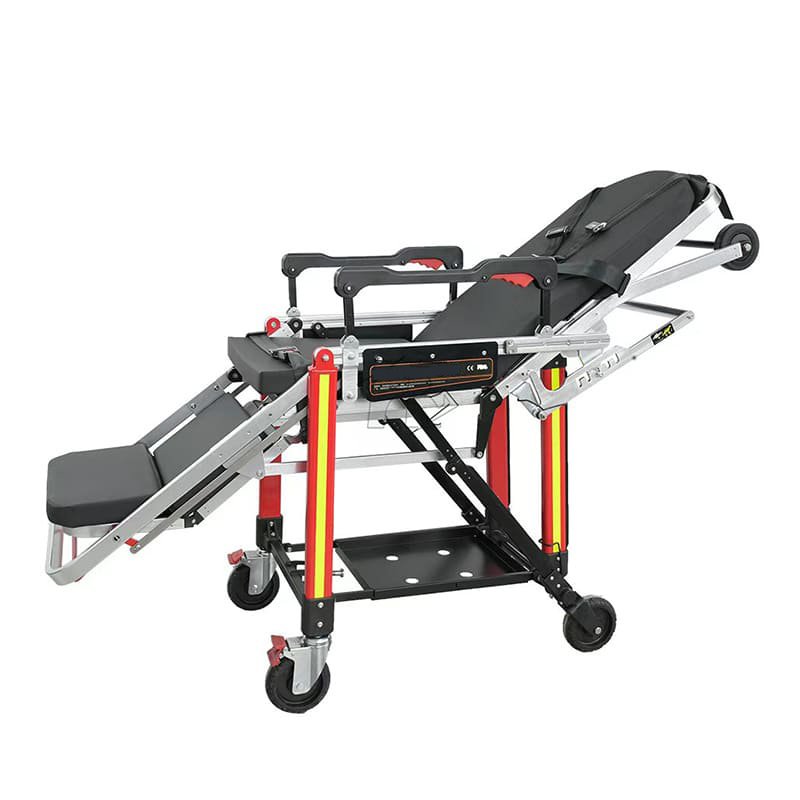
4. Fastener and ambulance compatibility
An ambulance stretcher is part of a vehicle-based patient transport system. Its loading height, wheel position, overall dimensions, and floor fastener must match the ambulance.
A low-priced stretcher becomes expensive if the buyer later needs to replace the floor lock, modify the vehicle, or reorder an incompatible model. Before production, provide the supplier with the ambulance floor height, rear-door opening, cabin dimensions, and existing fastener information. Our related guide explains the key ambulance stretcher dimensions and compatibility checks.
5. Accessories and configuration
The quoted price may or may not include:
- Mattress
- Patient restraint belts
- Vehicle floor fastener
- IV pole
- Oxygen cylinder holder
- Additional side supports
- Replacement wheels or spare parts
- Battery and charger for powered models
Ask the supplier to separate standard equipment from optional accessories. This makes quotations easier to compare and prevents missing items from appearing as unexpected costs later.
6. Order quantity and customization
Bulk orders can reduce the unit cost because materials, production setup, packaging, and inspection can be planned more efficiently. However, the lowest price tier usually depends on reaching a stated MOQ.
OEM requirements may add one-time or per-unit costs. Common examples include custom colors, logos, labels, cartons, user manuals, barcodes, and distributor-specific accessories. A clear specification sheet helps the supplier quote these items correctly instead of adding a broad customization surcharge.
Is the quoted price the total purchasing cost?
Usually not. The unit price is only one part of the procurement budget, especially for international orders.
The more useful figure is the total landed cost: the amount paid to purchase, configure, ship, clear, receive, and prepare the stretchers for use.
Total landed cost normally includes:
- Product cost
- Accessories and spare parts
- Customization and packaging
- Inland transport to the port
- International freight and insurance
- Import duties and taxes
- Customs clearance and local delivery
- Installation, training, or servicing where required
For powered systems, buyers should also consider replacement batteries, chargers, preventive maintenance, software or diagnostic support where applicable, and the cost of a compatible powered loading system. A powered cot that appears affordable on its own may require a much larger system-level investment.

Which ambulance stretcher type should you buy?
The best model is not automatically the cheapest or most advanced one. It is the model that fits the ambulance, the crew’s workflow, the patient profile, and the available maintenance resources.
For distributors and importers
Choose models that match the expected market price, commonly used ambulance floor heights, local documentation needs, and available after-sales support. It is often better to start with a small number of clearly differentiated models than to offer many nearly identical stretchers.
For ambulance conversion companies
Prioritize technical compatibility. Confirm loading height, overall dimensions, wheel track, fastener position, and installation requirements before ordering. Request drawings or a sample when the vehicle configuration is new.
For hospitals and private patient transport
Focus on maneuverability, ease of cleaning, backrest adjustment, side rails, mattress quality, and reliable mechanical operation. A conventional manual or automatic-loading model may provide better value when powered lifting is not essential.
For high-frequency EMS fleets
Powered cots may reduce manual lifting demands and improve workflow, but they require a higher acquisition budget, compatible vehicle equipment, battery management, and dependable service support. Compare the complete system rather than the cot price alone.
What compliance documents should buyers check?
Documentation requirements depend on the destination country, the product classification, the intended use, and the procurement project. Avoid asking only whether a supplier has “ISO, CE, or FDA certification,” because these terms represent different regulatory or quality concepts.
- ISO 13485 is a quality management system standard for organizations involved in medical-device design and manufacturing. It is not, by itself, a product approval.5
- CE marking indicates that the manufacturer declares conformity with applicable EU legal requirements after completing the required conformity assessment. The procedure depends on the product and its classification.6
- For the United States, establishment registration and device listing do not mean that the FDA has approved, cleared, or certified a product. The FDA states that it does not issue device registration certificates.7
For tender or distributor review, request the exact documents rather than relying on a logo shown on a catalog. Depending on the market and project, buyers may need a declaration of conformity, test reports, technical specifications, labeling, instructions for use, quality-system documentation, and evidence related to the stretcher and vehicle fastener.
What should you include in an ambulance stretcher RFQ?
A complete request for quotation allows suppliers to recommend the correct model and reduces repeated communication.
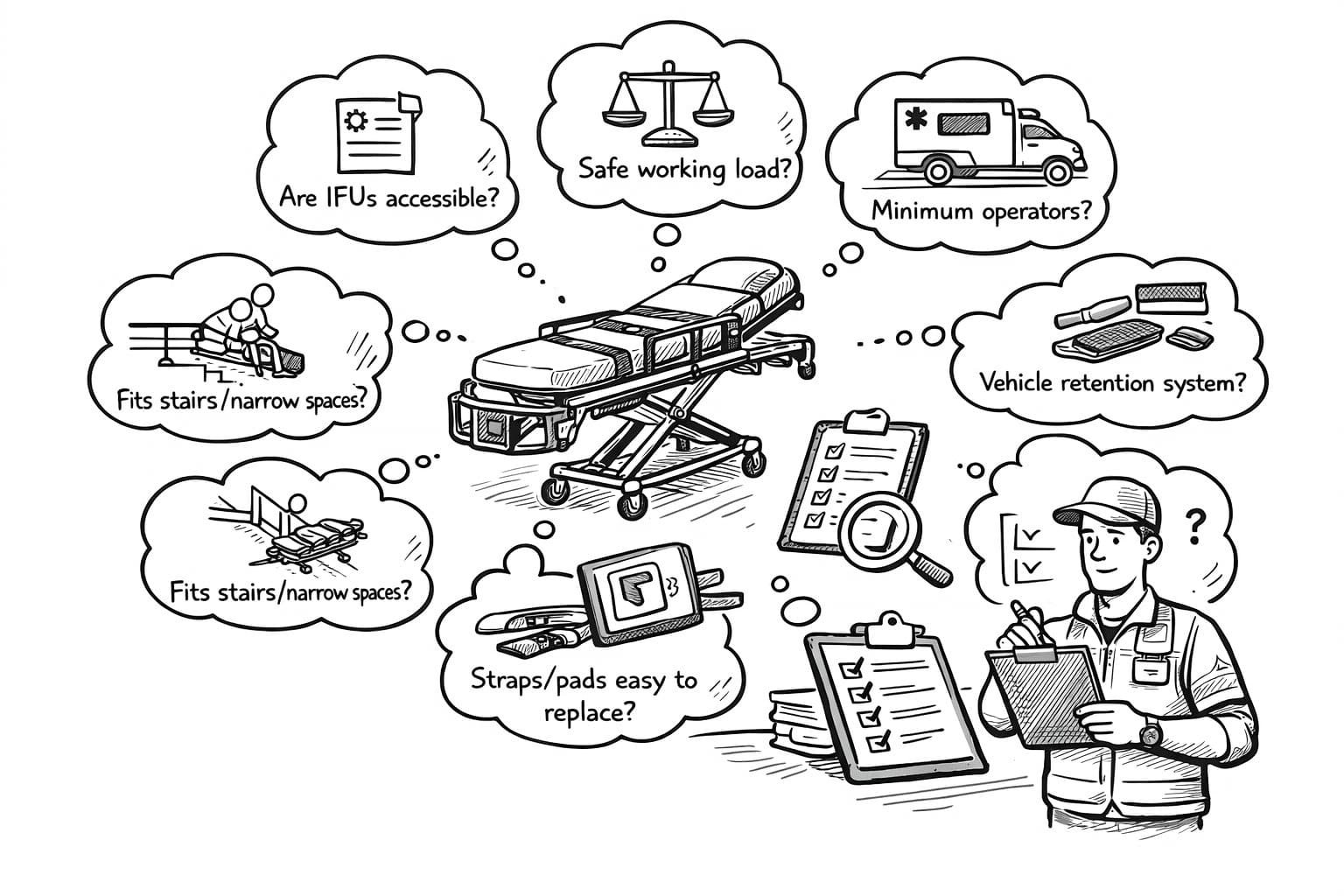
Include the following information:
- Intended application and buyer type
- Manual, automatic-loading, or powered operation
- Required quantity and expected annual volume
- Minimum safe working load
- Ambulance floor or loading height
- Rear-door opening and cabin dimensions
- Existing floor fastener details or photos
- Required backrest, height, or leg adjustments
- Mattress, belts, IV pole, oxygen holder, and spare parts
- Required regulatory and tender documents
- OEM logo, color, label, manual, and packaging needs
- Destination country, delivery port, and preferred trade term
- Sample requirement and target delivery date
If the ambulance information is incomplete, ask the supplier for a dimension drawing and fastener diagram before confirming the order. A sample evaluation is especially useful for a new vehicle platform or a larger fleet purchase.
What common pricing mistakes should buyers avoid?
Comparing different product categories
A folding stretcher, scoop stretcher, basket stretcher, stair chair, ambulance stretcher, and powered cot serve different purposes. Their prices should not be placed in one table as though they were interchangeable.
Comparing prices with different trade terms
An EXW price excludes many transport responsibilities, while a delivered price may include freight, customs-related services, and local delivery. Always compare quotations on the same commercial basis.
Choosing a model before checking vehicle fit
There is no universal stretcher size or fastener position for every ambulance. Confirm compatibility before ordering, particularly for converted or previously used vehicles.
Accepting unclear compliance claims
Ask for the document name, issuing or responsible party, product scope, model coverage, validity, and applicable market. Do not treat an “FDA certificate” supplied by a third party as evidence of FDA approval.
Ignoring spare parts and after-sales support
Wheels, belts, mattresses, locks, gas springs, batteries, and other components may need replacement during service. Confirm availability, warranty terms, response time, and responsibility for confirmed quality issues.
Frequently Asked Questions
How much does a basic ambulance stretcher cost?
A conventional manual or automatic-loading ambulance stretcher commonly falls in the $300–$1,300 range in public factory, export, or retail listings. The final quotation depends on the structure, configuration, quantity, trade term, and destination.
Why are powered ambulance stretchers so expensive?
Powered cots use battery-driven hydraulic or electric systems and may require compatible loading equipment, installation, batteries, chargers, maintenance, and local service. They should be evaluated as a complete patient loading system rather than as a standalone stretcher.
Do bulk orders reduce the unit price?
Usually, yes. Larger orders can reduce the unit cost through more efficient material purchasing, production scheduling, packaging, and inspection. Ask for quantity-based price tiers instead of requesting only one price.
Does an ambulance stretcher price include the floor fastener?
Not always. Some suppliers include a basic fastener, while others quote it separately. Confirm the fastener model, installation method, vehicle compatibility, and whether testing documents cover the stretcher-fastener combination.
Can OEM customization affect the price?
Yes. Custom color, logo, labeling, packaging, manuals, accessories, and structural changes can affect cost. Simple branding changes may add little at a suitable order quantity, while structural modifications may require engineering, samples, and additional testing.
What information is needed for an accurate quotation?
Provide the stretcher type, quantity, load capacity, ambulance loading height, fastener details, required accessories, destination country, documentation requirements, customization needs, and preferred trade term.
Conclusion
Ambulance stretcher prices range from several hundred dollars for conventional mechanical models to tens of thousands for premium powered systems. The wide difference is not simply a matter of brand: it reflects the loading mechanism, structure, configuration, documentation, vehicle compatibility, purchasing channel, and service requirements.
For B2B procurement, compare models within the same functional category and calculate the total landed cost rather than focusing only on the advertised unit price. Before placing an order, confirm the technical data sheet, ambulance loading height, floor fastener, accessories, documents, warranty, and spare-parts support.
Jiekang Medical supplies ambulance stretchers for distributors, ambulance converters, hospitals, and project buyers. Send us your required quantity, ambulance specifications, destination country, and document needs to receive a model recommendation and itemized quotation.
[Automatic Loading Stretcher — Made-in-China market listings](https://www.made-in-china.com/products-search/hot-china-products/Automatic_Loading_Stretcher.html). Public supplier listings illustrate the price variation among conventional automatic-loading stretcher models; actual quotations depend on specifications and quantity. ↩
[Lightweight Automatic Loading EMS Stretcher — MSE Company](https://www.msecompany.net/emergency-medical-supplies/ms3c-ems-ambulance-stretchers/lightweight-emergency-transportation-stretcher/). A current retail example of a mechanical automatic-loading ambulance stretcher. ↩
[Current Stryker manual cot listings](https://stretchersrus.com/collections/stryker-stretchers), [Stryker Power-PRO 2 public purchase resolution](https://www.desperesmo.org/DocumentCenter/View/23385/R23-3678-Stryker-Power-Stretcher), and [current Power-PRO 2 retail listing](https://www.savelives.com/stryker-power-pro-2-powered-cot-high-configuration-1). These examples show the price separation between premium manual and powered cots; condition, configuration, service, and loading equipment affect the total. ↩
[Power-PRO XT Powered Ambulance Cot — Stryker](https://www.stryker.com/hk/en/emergency-care/products/power-pro-xt.html). Manufacturer information describing the cot’s battery-powered hydraulic lifting system. ↩
[ISO 13485:2016 — ISO](https://www.iso.org/standard/59752.html). Official overview of the medical-device quality management system standard. ↩
[CE marking requirements — European Union](https://europa.eu/youreurope/business/product-rules-compliance/general-product-compliance/ce-marking/index_en.htm). Official guidance on CE marking and conformity assessment. ↩
[Are There “FDA Registered” or “FDA Certified” Medical Devices? — FDA](https://www.fda.gov/medical-devices/consumers-medical-devices/are-there-fda-registered-or-fda-certified-medical-devices-how-do-i-know-what-fda-approved). Official clarification that registration and listing do not denote approval, clearance, or authorization and that the FDA does not issue registration certificates. ↩