Sourcing life jackets for your fleet feels overwhelming, with a wall of technical specs and supplier claims. Making the wrong choice is a huge liability risk for your business and end-users.
Choosing the right life jacket means matching the product to your specific use case. Consider the water conditions, user's gear weight, and potential for unconsciousness. For B2B buyers, supplier reliability and certification compliance are equally critical for a sound procurement decision.
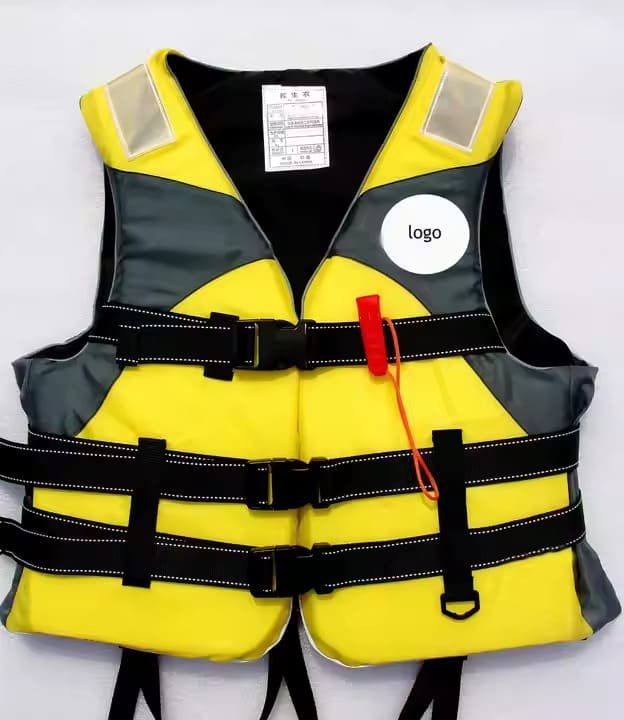
It's easy to get lost in the details when procuring safety equipment. Over the years, I've seen many buyers start with the question, "Which life jacket is best?" I have found that this isn't the most helpful starting point. A better approach is to ask a series of questions that narrow down the options to what is truly necessary for your situation. Let's walk through the exact questions I ask my B2B clients to guide them to a safe and commercially sound decision.
What is your operational environment?
You see terms like "offshore" and "near-shore" but don't know how they directly impact your purchase. Picking a near-shore jacket for an offshore job could lead to catastrophic failure and serious legal consequences.
Define the operational environment by its water conditions.1 Offshore means rough, open water far from rescue, requiring high buoyancy (e.g., 275N SOLAS). Near-shore involves calmer waters where rescue is quick, allowing for lower buoyancy (e.g., 100N CE). This is your first filter.
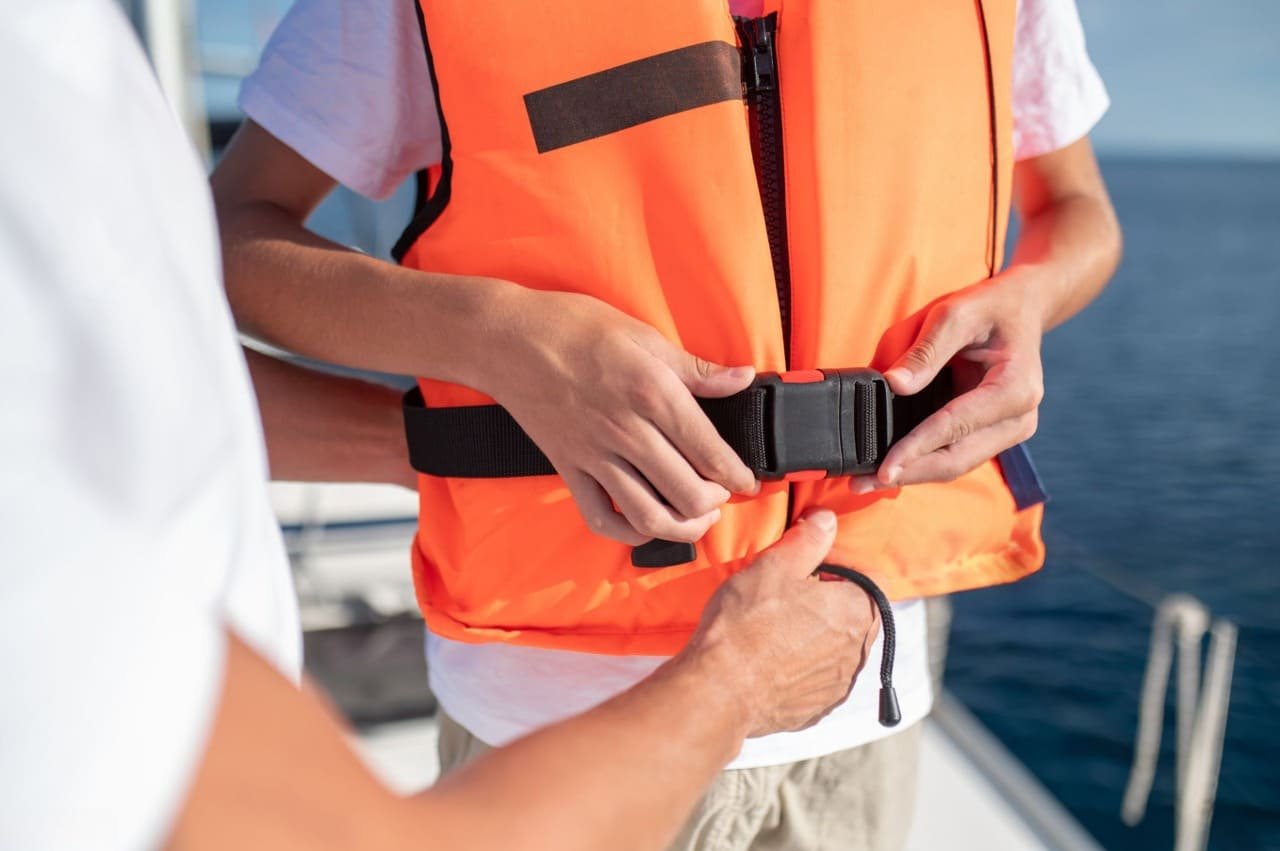
The first question I always ask a new client is about their operational environment. This detail tells me almost everything I need to know about the performance level required. A life jacket intended for a passenger ferry on a calm river has vastly different requirements than one for a technician on an offshore oil rig. The environment dictates the necessary buoyancy, which is measured in Newtons (N). This isn't just a technical number; it's a measure of the life jacket's lifting power in water. Choosing the wrong buoyancy rating for your environment is the single biggest risk you can take in procurement.2
Translating Water Conditions into Buoyancy Needs
To make this simple, I help my clients categorize their needs using a table. It connects the environment directly to a minimum buoyancy rating and the typical certification that goes with it.
| Environment | Water Conditions | User State | Recommended Buoyancy (Minimum) | Key Standard Example |
|---|---|---|---|---|
| Offshore | Rough, open sea, delayed rescue | May be unconscious, heavy gear | 275N | SOLAS 74/96 |
| Coastal/Near-Shore | Moderate waves, faster rescue | May be unconscious | 150N | CE EN ISO 12402-3 |
| Sheltered Waters | Calm, inland, immediate help | Likely conscious, light clothing | 100N | CE EN ISO 12402-4 |
A frequent question from distributors is whether they can stock a 150N jacket as a "one-size-fits-all" solution. I always advise against this. If their downstream customer works in offshore wind or international shipping, a 150N jacket may be non-compliant and dangerously inadequate. As a supplier, my job is to provide a product that manages risk, and that starts with matching buoyancy to the environment.
Who are the end-users and what will they be wearing?
You might assume one type of life jacket fits all your workers or passengers. But a jacket that can't support the weight of a worker's tools and wet clothing won't keep their head above water.
Consider the user's potential condition and their gear.3 An unconscious person needs a jacket that automatically turns them face-up. A worker with heavy tools or foul-weather gear needs extra buoyancy, like 275N, to compensate for the added weight. Always account for the worst-case scenario.4
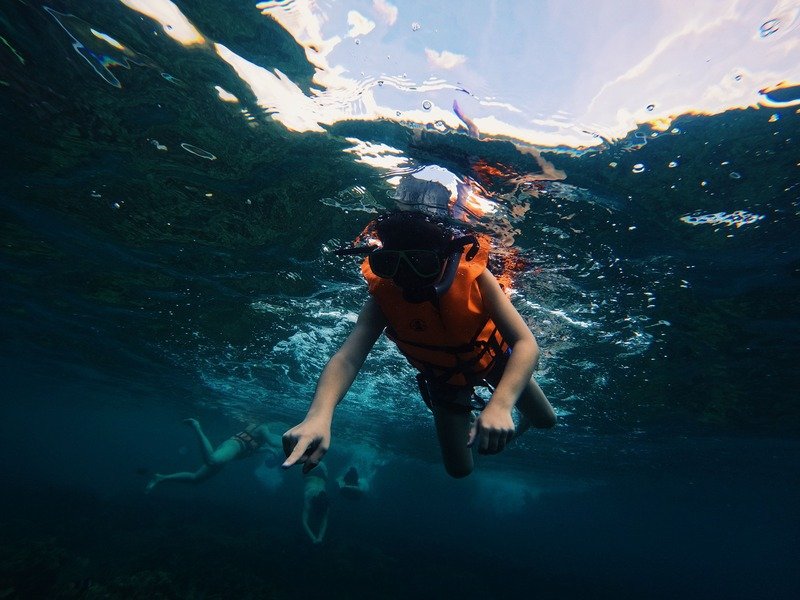
After we determine the environment, the next conversation is about the people who will wear the life jackets. Are they passengers in street clothes or workers in heavy gear? Will they be conscious and able to help themselves, or is there a high risk of being knocked unconscious from a fall? The life jacket's buoyancy rating must be able to support not just the person, but everything they are wearing and carrying. Waterlogged clothing and heavy tools can quickly negate a life jacket's lift if not properly accounted for.5 This is a critical detail for organizations that have a duty of care for their employees.
Calculating Total Buoyancy Requirement
The math is simple: the life jacket's buoyancy rating must be greater than the weight of the user's gear in water. A higher Newton rating provides a greater margin of safety.6 I often use a simple table to help clients visualize how different user profiles demand different solutions.
| User Profile | Equipment/Clothing | Risk Factor | Recommended Buoyancy | Rationale |
|---|---|---|---|---|
| Ferry Passenger | Light, everyday clothing | Low, supervised | 100N-150N | Standard use where rescue is fast. |
| Bridge Worker | Toolbelt, boots, workwear | Medium | 150N+ | Gear adds significant weight. |
| Offshore Technician | Heavy foul-weather gear, tools | High | 275N | Significant added weight requires maximum lift and turning power. |
| Emergency Responder | Full rescue kit, drysuit | Very High | 275N+ | Mission-critical gear in extreme conditions. |
I remember advising a client who was outfitting an arctic fishing fleet. We had to specify 275N jackets, not just for the rough seas, but because the crew's insulated workwear becomes incredibly heavy when waterlogged. A standard 150N jacket would have been a dangerous choice. Thinking through these user-specific details is essential for making a responsible purchasing decision that protects both lives and your company's reputation.
What are your region's regulatory requirements?
You see acronyms like SOLAS, CE, and USCG, but you are unsure which ones apply to you. Importing non-compliant products can lead to seized shipments, fines, and being barred from future government tenders.
You must identify and meet your region's mandatory standards.7 For international commercial vessels, SOLAS is key.8 For vessels in Europe, CE/EN ISO standards are required.9 As a buyer, you must request and verify valid certificates from your supplier. This is non-negotiable.
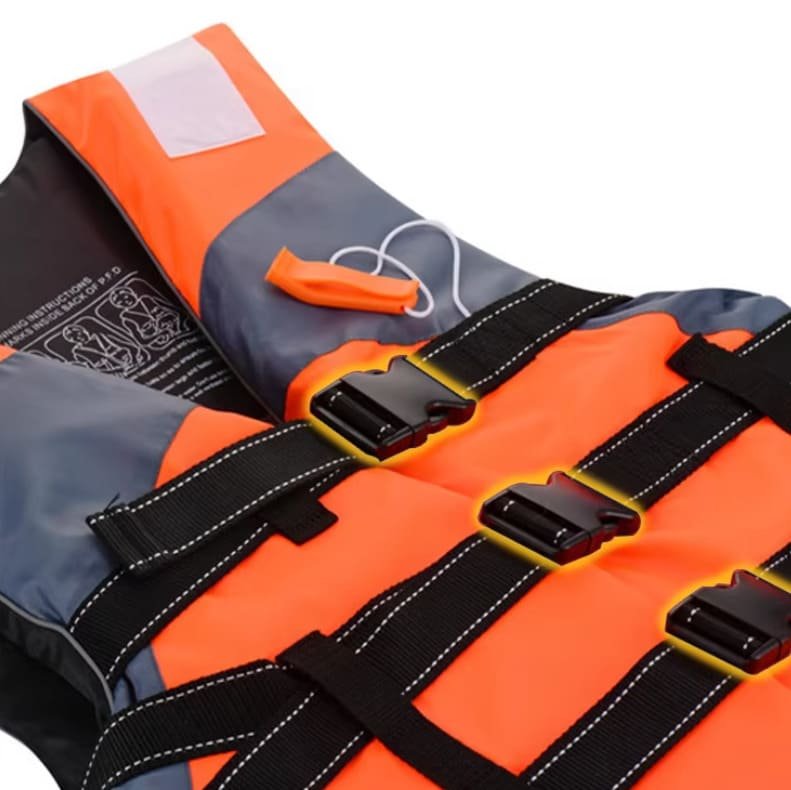
This is the final, and perhaps most important, checkpoint. No matter how well a life jacket performs, if it doesn't have the right certification for your market, it is useless from a commercial and legal standpoint. I have seen clients face major issues because they focused only on price and overlooked compliance. As a manufacturer, we produce products that meet different international standards, but it is the buyer's responsibility to know what is required for their specific market and application. A reliable supplier will not just claim compliance; they will provide the documentation to prove it.10
Demystifying Key Life Jacket Standards
When I speak with procurement managers, I make it clear that certification is not just a piece of paper. It is proof that the product has been independently tested to perform to a specific, recognized safety standard. Here are the main ones we deal with.
| Standard | Governing Body | Primary Application | What to Ask Your Supplier |
|---|---|---|---|
| SOLAS | IMO (International Maritime Organization) | International commercial shipping (cargo ships, cruise ships, oil tankers) | "Can you provide the SOLAS/MED certificate with the Module B & D number?" |
| CE / EN ISO 12402 | European Union | Recreational and commercial vessels operating in EU waters | "Is this product CE certified to the correct buoyancy level (e.g., ISO 12402-3 for 150N)?" |
| USCG Approval | U.S. Coast Guard | All commercial and recreational vessels in U.S. waters | "Is this life jacket USCG Approved under the correct Type (e.g., Type I for offshore)?" |
When a potential client asks for "the cheapest life jacket," my first question back is always, "What certification do you need?" A cheap product that gets rejected by customs or fails a safety inspection is the most expensive mistake you can make.11 A trustworthy manufacturing partner will be transparent about their certifications and provide you with all the necessary documents to support your tender, import process, and internal risk management.
Conclusion
Choosing the right life jacket isn't about finding a single "best" product. It's about asking the right questions about your environment, your users, and your legal obligations to make a safe choice.
This source explains the distinctions between offshore and near-shore environments and their implications for life jacket safety requirements. ↩
This source explains the risks of choosing mismatched buoyancy ratings for specific water environments. ↩
This source discusses how user gear and unconsciousness can affect life jacket buoyancy requirements. ↩
This source discusses the importance of planning for worst-case scenarios in safety equipment procurement. ↩
This source explains how waterlogged clothing and heavy tools can affect life jacket buoyancy performance. ↩
This source explains how higher Newton ratings in life jackets can provide a greater safety margin. ↩
This source outlines the importance of compliance with regional safety standards such as SOLAS and CE. ↩
This source explains SOLAS requirements for life jackets used in international commercial shipping. ↩
This source outlines CE and EN ISO standards required for vessels operating in European waters. ↩
This source emphasizes the importance of supplier transparency in providing compliance documentation for safety equipment. ↩
This source discusses the financial and operational risks of importing non-compliant safety equipment. ↩