A stretcher is more than just a piece of equipment; it’s often the first tool responders use to save lives in emergencies. Choosing the wrong stretcher can compromise rescue efforts, reduce patient safety, and negatively impact operations. In this guide, I’ll help you navigate stretcher types, their use cases, and essential safety features to keep your procurement decisions on track.
A stretcher is a medical device used for patient transport and immobilization during emergencies. Common types include ambulance stretchers, basket stretchers, folding stretchers, and scoop stretchers, each designed for specific applications like confined spaces, rough terrain, or hospital transfers. Safety features like load capacity, locking systems, and certifications are critical for reliable use.

Selecting the right stretcher requires aligning functionality with real-world scenarios while ensuring compliance with regulatory standards. Let’s break down the essential factors for making informed choices.
What are the main types of stretchers?
Stretchers are not one-size-fits-all, yet many buyers assume they are. This misunderstanding can lead to equipment failures when stretchers aren’t matched to their intended scenarios. So, let’s demystify the major categories.
Stretchers fall into various categories based on design and use. These include ambulance stretchers for vehicle transport, basket stretchers for rugged terrain, folding stretchers for compact storage, and scoop stretchers for immobilizing spinal injuries. Each type serves a unique purpose in rescue and medical transport.
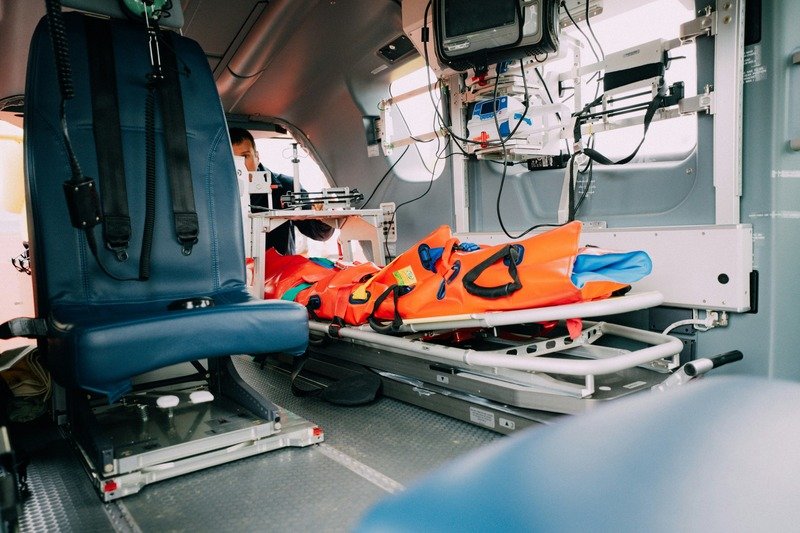
Breaking Down Common Stretcher Types
Here’s an overview of popular stretcher varieties:
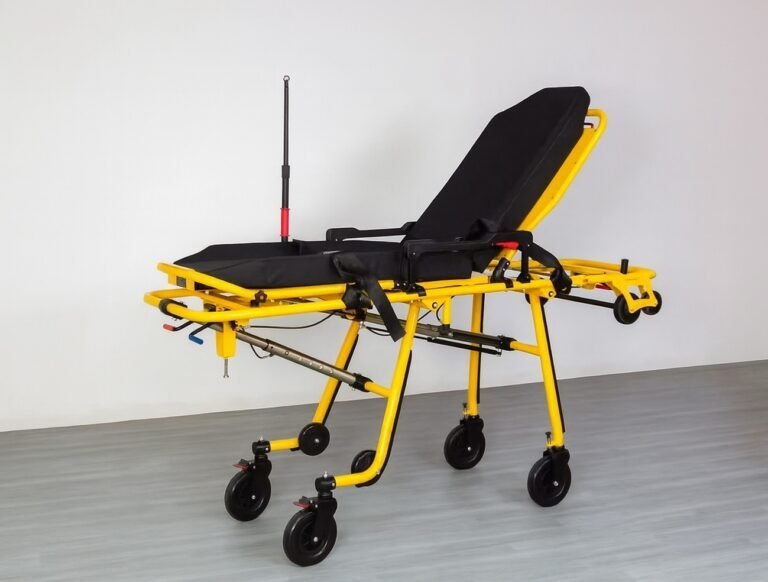
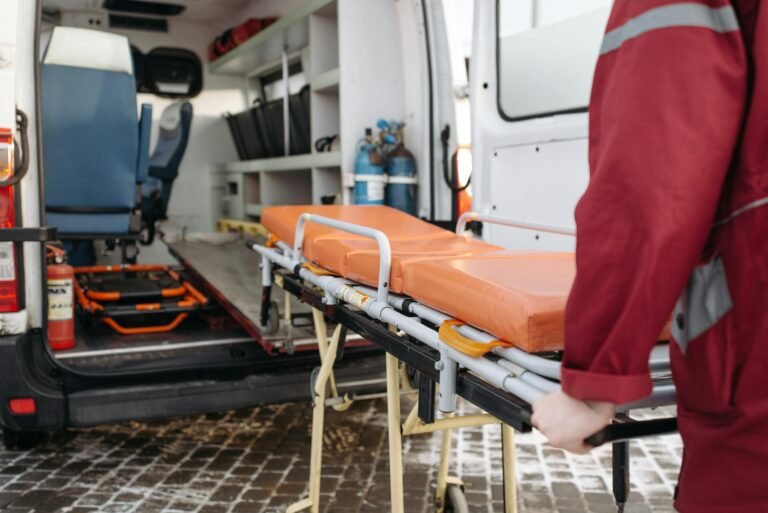
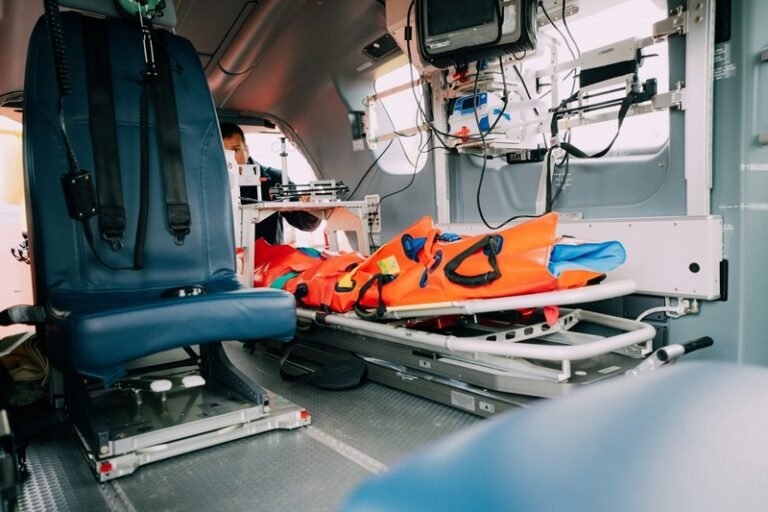
- Ambulance Stretchers: Designed for ambulances, these often include wheels for smooth transport, adjustable height settings, and locking systems to secure patients during transit. Ideal for emergency transport within urban areas.
- Basket Stretchers (Stokes Basket): Built for rugged terrain, high-angle rescues, or water scenarios. Made with heavy-duty materials like aluminum or high-density polymers to withstand extreme conditions.
- Folding Stretchers: Lightweight and compact, these provide quick solutions for confined spaces or emergency kits. Often used by military or industrial safety teams.
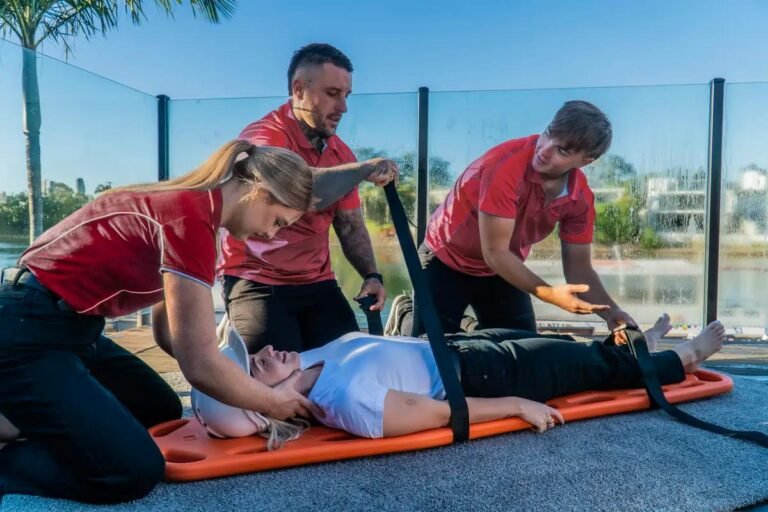
- Scoop Stretchers: Split into two halves for easy patient transfer without lifting, especially useful for spinal immobilization or trauma cases.
- Stair Chair Stretchers: Designed for staircase evacuations, offering ergonomic handles and wheels to aid smooth response in multi-story buildings.
Spotlight on Use Cases
Each stretcher type has both strengths and limitations. For example:
- Basket stretchers shine in mountain or water rescues but may struggle in narrow building corridors.
- Scoop stretchers excel at spinal protection yet aren’t practical for major weight-bearing tasks.
Matching stretcher functionality to rescue scenarios ensures efficient operations.
Why does safety and compliance matter?
Safety isn’t optional in medical transport; it’s a legal and ethical necessity. However, I’ve seen clients overlook certifications and testing in favor of cheaper options, risking patient harm and potential litigation.
Safety and compliance in stretcher selection ensure equipment reliability, patient protection, and adherence to legal standards.1 Look for certifications like CE, ISO 13485, or FDA approvals, along with performance testing to verify durability, load capacity, and material safety.

Certifications and Documentation
Key compliance criteria include:
- CE Mark: Indicates compliance with European health, safety, and environmental requirements.
- ISO 13485: Specifically targets medical device quality management systems.
- FDA Approval: Required for importing stretchers into the United States.
- Dynamic Load Testing: Verifies whether the stretcher can handle critical weight under motion.
Buyers should also request test reports for material endurance, locking mechanisms, and anti-corrosion finishes—especially for outdoor-use stretchers.
Risks of Non-Compliant Stretchers
Failure to procure compliant stretchers could result in:
- Operational failures in high-risk environments.
- Legal penalties for violating import/export regulations.
- Patient injuries due to unreliable equipment.
Avoid shortcuts to save money—it’s a false economy.
What should you prioritize in stretcher procurement?
While price often drives purchasing decisions, I’ve found durability, adaptability, and scene-specific relevance to be far more critical for B2B buyers.
Procurement priorities should include material strength for durability, locking systems for secure transport, and adjustability to adapt to varying usage conditions. Buyers must also assess warranties, packing details, and supplier reliability to ensure long-term success.
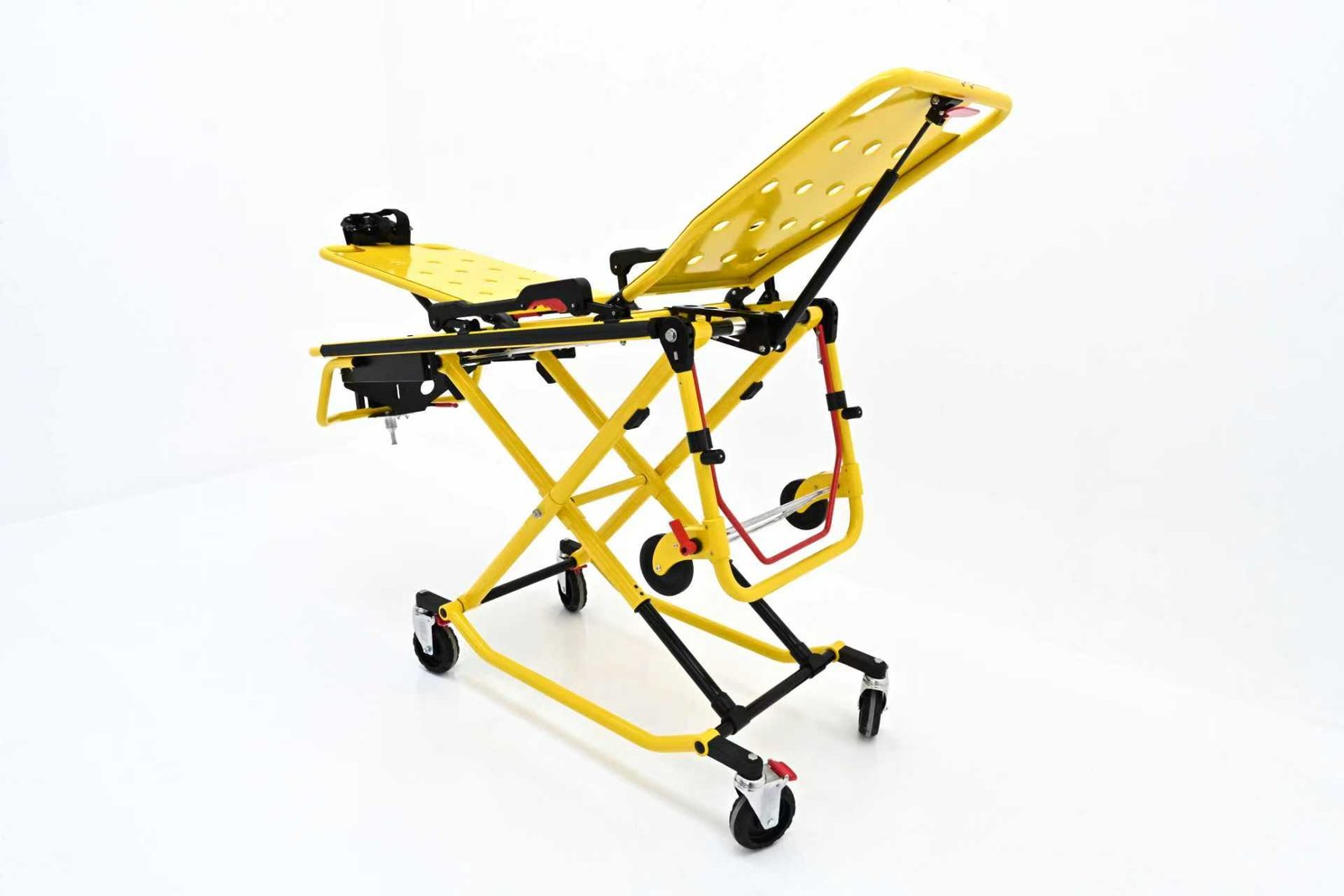
Key Features to Look For
- Material Composition: Aluminum and HDPE are durable choices for stretchers exposed to extreme environments.2
- Load Capacity: Verify maximum weight-bearing limits via testing data (e.g., 159 kg for lightweight stretchers, up to 400 kg for rescue baskets).
- Height Adjustability: Critical for ambulance stretchers to match vehicle specifications.
- Secure Locking Mechanisms: Prevent unintentional collapses or patient falls during transport.
- Mobility Options: Whether wheels, ergonomic handles, or sliding designs, mobility features enhance operational ease.
Real-World Decision Factors
It’s not uncommon for buyers to underestimate the importance of long-term usability. I’ve encountered clients where an initial price-focused choice led to recurring equipment replacements or operational inefficiencies. Always evaluate:
- Warranty Periods
- After-Sales Service Support
- OEM/ODM Capabilities (for custom logo branding)
Frequently Asked Questions
Do all stretchers require certifications?
Yes, most emergency and medical stretchers require certifications like CE or ISO 13485 to meet local regulatory standards. Compliance ensures reliability and patient safety during critical transport.
How do I choose between ambulance and folding stretchers?
Ambulance stretchers are ideal for urban emergency transport and hospitals, while folding stretchers work best for compact storage and confined spaces, such as industrial safety kits.
Can stretchers handle varying weather conditions?
Yes, but your choice of materials matters. Aluminum and polymers resistant to corrosion and extreme temperatures are suitable for outdoor and rugged rescue scenarios.
What is the average lifespan of a stretcher?
With proper maintenance and usage, high-quality stretchers can last 3–5 years. However, durability depends on material strength, supplier reliability, and operational conditions.
Conclusion
Understanding stretcher types, use cases, and safety features is essential for B2B buyers focused on risk reduction and operational reliability. Stretchers like ambulance, basket, folding, and scoop designs serve specific scenarios that demand thoughtful selection. Always prioritize safety certifications, material durability, and supplier credibility to avoid costly errors.
To learn more about durable and compliant emergency stretchers tailored for your operation, contact us today for fast and reliable assistance.