Worried about a stretcher failing during a critical patient transfer? The consequences are severe, risking injury and liability. Understanding what truly makes a stretcher safe is key to preventing disaster.
True patient handling safety from a folding stretcher is determined by a combination of high-grade materials, robust structural design, and a reliable locking mechanism.1 It’s about how these elements handle real-world dynamic stress, not just the static weight capacity listed on a spec sheet.
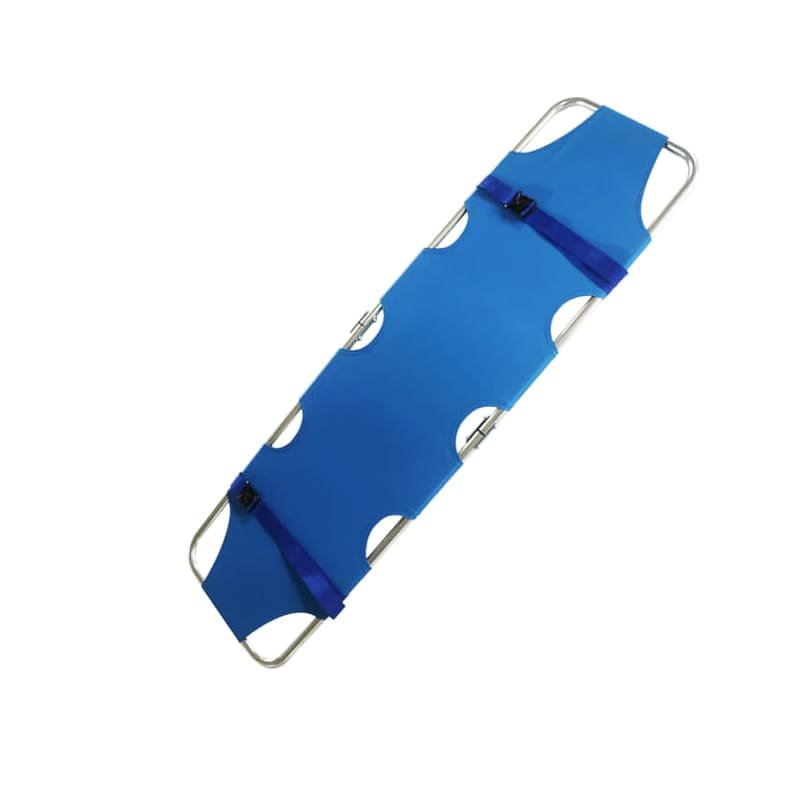
Most buyers look at one number: the maximum weight load. I see it on spec sheets all the time, often listed as 159kg (350 lbs). While important, this number only tells part of the story. It tells you what the stretcher can hold when it's perfectly still. But patients are never handled in a static environment. We lift, we carry, we navigate corners, and we move over uneven ground. The real test of safety is how a stretcher performs under these dynamic, real-world pressures. Let's break down what you really need to check beyond that single number.
Is High-Grade Aluminum Alloy Really the Key to a Stretcher's Strength?
You see "aluminum alloy" on every stretcher's spec sheet, but what does that term actually mean? Choosing the wrong grade could mean the difference between a durable tool and one that bends.
Yes, a high-grade aluminum alloy is crucial for a stretcher's strength and durability.2 It provides the necessary strength-to-weight ratio for safe manual handling. Look for specific grades like the 6000 or 7000 series, as they offer superior resistance to bending and fatigue compared to cheaper, unspecified alloys.
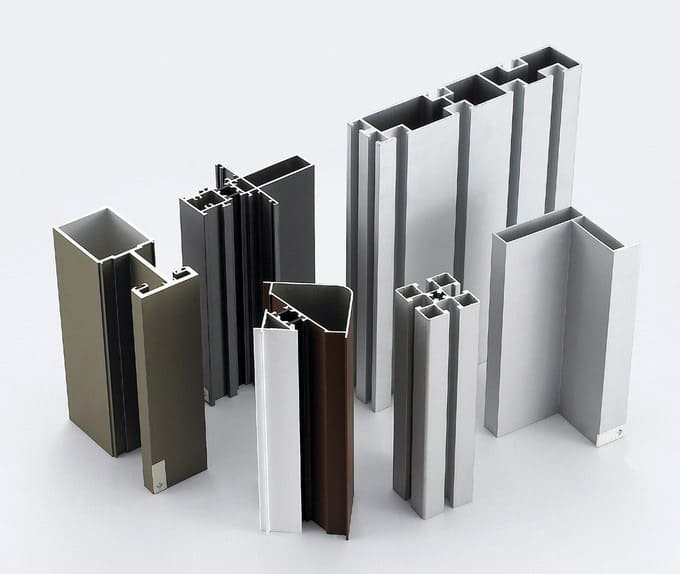
When a manufacturer simply lists "high-strength aluminum alloy," it can be a red flag. The term is too general. In my experience reviewing material certificates, the specific grade of the alloy makes a world of difference. It’s not just about being strong; it's about having the right kind of strength.
Understanding Alloy Grades and Their Impact
The frame is the skeleton of the stretcher. Its ability to resist bending, twisting, and impact determines the overall safety. Different aluminum alloys have very different properties.3 Think of it like baking a cake; using cake flour versus bread flour will give you a very different result, even though both are "flour."
| Alloy Series | Key Characteristics | Common Use in Stretchers | Why It Matters |
|---|---|---|---|
| 6000 Series (e.g., 6061) | Good strength, highly corrosion-resistant, easy to weld. | The industry standard for reliable, mid-range to high-end stretchers. | Offers a great balance of durability for daily use and resistance to rust from cleaning or weather.4 |
| 7000 Series (e.g., 7075) | Very high strength, often called "aircraft aluminum." | Premium, heavy-duty, or bariatric stretchers. | Provides maximum strength for the most demanding situations, but is often more expensive.5 |
| Unspecified/Lower Series | Lower strength, more prone to bending. | Found in very low-cost stretchers. | May pass a static weight test but can deform over time with dynamic use, creating a safety risk. |
I once analyzed a batch of returned stretchers from a client. They met the 159kg static load test in our lab. But field reports showed they were bending near the main joints after only six months of regular service. The issue was traced back to a lower-grade alloy that had poor fatigue resistance. It could hold the weight, but it couldn't handle the repeated stress of lifting and moving day after day. This is why you must ask your supplier for the specific alloy grade. It’s a direct indicator of the stretcher’s long-term reliability and safety.6
Why Do Stretcher Welds and Joints Matter More Than You Think?
You've checked the frame material, but it's easy to overlook the points where the frame connects. A weak weld is a hidden point of failure, ready to snap at the worst possible moment.
Welds and joints are the most common failure points on a stretcher.7 High-quality, consistent welds distribute stress evenly across the frame. Poor welding creates concentrated stress points that can crack and fail, especially when the stretcher is jarred with a patient on it, leading to collapse.
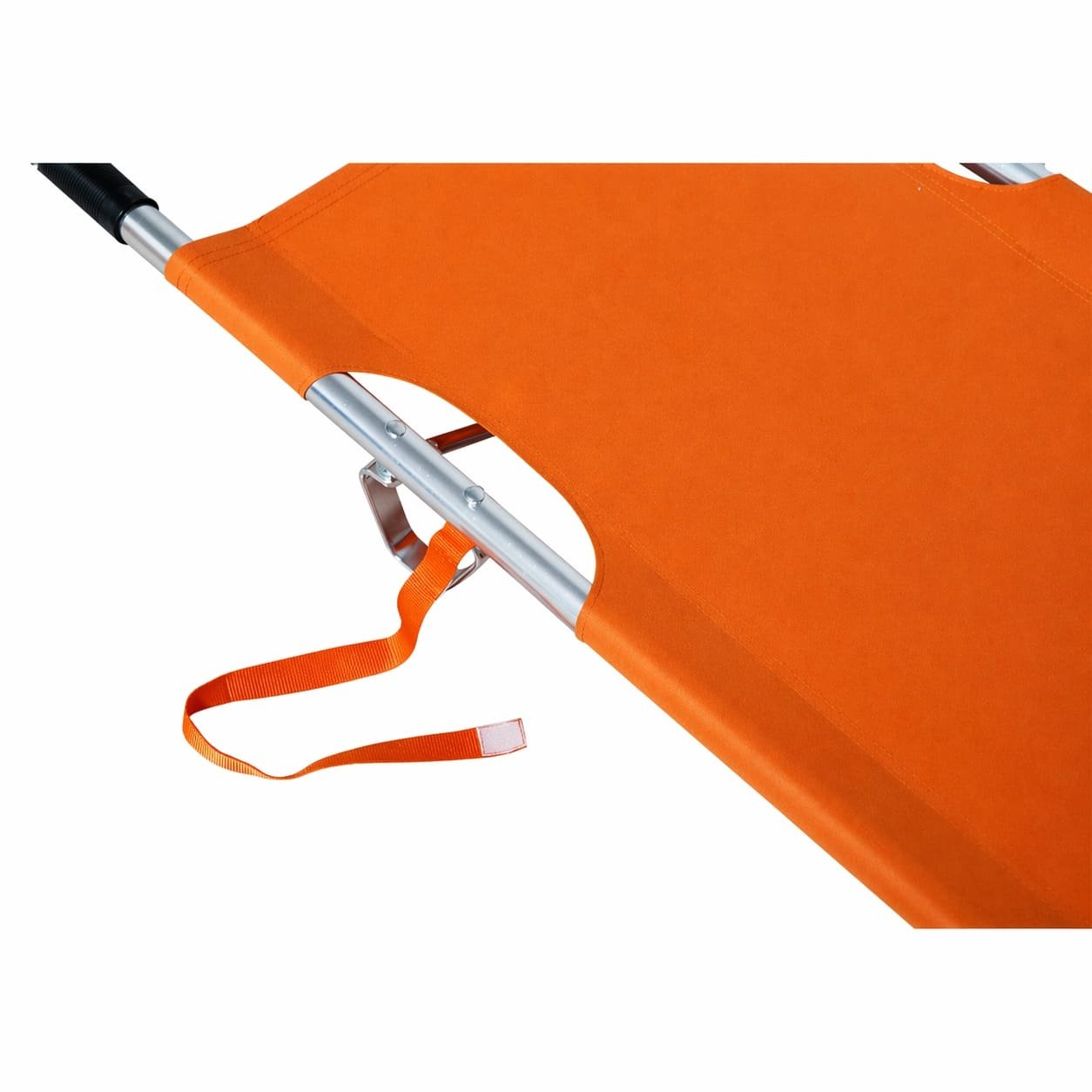
A chain is only as strong as its weakest link.8 For a folding stretcher, those links are the welds and mechanical joints. The aluminum tubes themselves rarely snap; it's the connections that give way under pressure. As someone who reviews quality inspection data, I pay more attention to the photos of the weld beads than almost any other feature. A good weld is a sign of good craftsmanship and a commitment to safety. A bad weld is a sign that corners were cut, and a failure is just a matter of time.
How to Spot Quality Workmanship in Connections
You don't have to be a certified welder to assess the quality of a stretcher's joints. You just need to know what to look for. When you inspect a sample or look at detailed product photos, focus on where the metal pieces meet.
Visual Inspection Checklist for Welds:
- Consistency: A good weld looks like a neat, continuous stack of dimes. It should be uniform in width and height. An inconsistent, lumpy weld indicates poor operator skill or speed.
- Smoothness: The weld should be smooth, without craters, pores, or holes. Porosity (small holes) is a major red flag, as it creates a weak spot that can easily crack.
- No Cracks: Look for tiny cracks radiating out from the weld into the frame tube. This is a critical defect and an immediate sign of a future failure.
- Minimal Spatter: While some spatter (small balls of metal) is normal, excessive spatter can indicate a poor welding process. It's often cleaned off on high-quality products.
I handled a complaint once where a stretcher's leg joint failed. The patient was not injured, thankfully. When we got the stretcher back, the aluminum tube was fine. The failure point was a messy, porous weld that connected the leg to the main frame. It couldn't handle the twisting force of the team maneuvering the patient around a tight corner. This experience taught me to always check the joints first. It's a simple visual check that can tell you almost everything you need to know about the product's build quality.
Does a Stretcher's Locking Mechanism Actually Prevent Accidents?
A folding stretcher is convenient, but the biggest fear is that it will fold unintentionally.9 An insecure lock can lead to the stretcher collapsing during transport, causing a catastrophic fall for the patient.
Yes, the locking mechanism is arguably the single most critical safety feature preventing accidental collapse. A good design will provide a positive, often audible, confirmation that it's secure. It must resist accidental release and remain engaged even when the stretcher is jostled or under dynamic load.
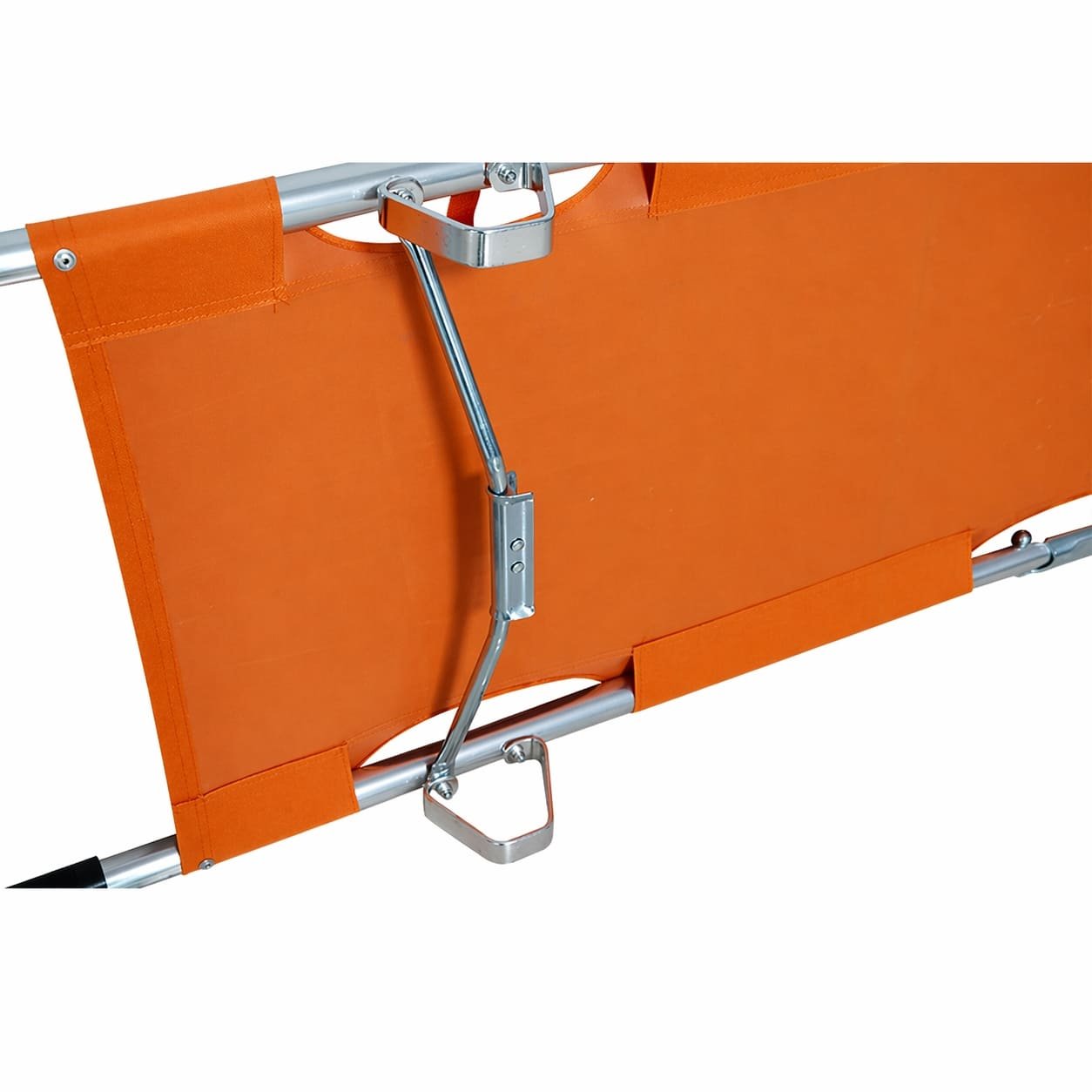
This is where static weight capacity becomes almost irrelevant. A stretcher can hold 200kg, but if the lock fails, it holds 0kg. The lock is what ensures the structure remains a rigid and stable platform for the patient. When my team evaluates new stretcher designs, we spend a huge amount of time on the locking system. We test how it feels to operate, how it sounds, and most importantly, how it stands up to being bumped, shaken, and twisted. A lock that feels flimsy or can be accidentally disengaged is an immediate design rejection for us.
Evaluating Different Lock Designs for Real-World Use
Not all locking mechanisms are created equal. They vary in complexity, ease of use, and security. The design must balance being easy for an operator to use (often with gloves on and under pressure) with being impossible to disengage accidentally.
| Lock Type | How It Works | Pros | Cons |
|---|---|---|---|
| Simple Push-Pin/Button | A spring-loaded pin snaps into a hole to lock the frame. | Very simple, intuitive to use. | Can be prone to accidental release if the button is bumped. The pin itself can wear down. |
| Lever-Action Lock | A lever is pulled or pushed to engage a hook or bar. | Provides strong mechanical advantage, often feels very secure. | Can be more complex, may require more force or fine motor skills to operate. |
| Dual-Action Safety Lock | Requires two distinct actions to release (e.g., push a button and then pull a lever). | Extremely secure, virtually eliminates accidental release. | Can be slower to operate in an emergency. |
The crucial concept here is "positive engagement." When the stretcher locks, you should feel and/or hear a solid "click." This confirms the mechanism is fully engaged. There should be no wiggle or play in the joint once it's locked. I've seen test reports where we simulate going over a curb. The jolt creates a spike in G-force. This force can be enough to dislodge a weak, spring-only locking pin. A well-designed lock, especially one with a lever or dual-action system, will hold firm under these dynamic stresses. When you get a sample, don't just open and close it. Lock it, then push, pull, and twist the joint.10 Try to make it fail. A safe stretcher will resist your efforts.
Conclusion
Safer patient handling isn't guaranteed by a single feature.11 It requires you to look beyond spec sheets and assess the material grade, joint construction, and locking mechanism's reliability under real-world conditions.
This source explains the factors contributing to stretcher safety, including material quality, structural design, and locking mechanisms, with a focus on their performance under dynamic stress. ↩
This source discusses the importance of aluminum alloy grades, such as 6000 and 7000 series, in ensuring the durability and fatigue resistance of medical stretchers. ↩
This source provides a comparative analysis of aluminum alloy properties, showing that different aluminum alloys can have very different mechanical characteristics. ↩
This source discusses corrosion resistance and durability factors in high-performance aluminum alloys. ↩
This source explains how heat treatment and aging processes influence the strength and performance of aluminum alloys. ↩
This source highlights how material selection and engineering quality can affect the long-term reliability and safety of medical equipment. ↩
This source highlights the role of welds and joints as critical stress points in medical equipment, emphasizing their impact on safety and durability. ↩
This source explains the importance of joints in structural integrity and load-bearing performance. ↩
This source discusses potential risks associated with folding stretcher structures, including accidental collapse caused by locking mechanism failure. ↩
This source describes practical considerations for evaluating the reliability of locking mechanisms in medical equipment. ↩
This source emphasizes that medical equipment safety is influenced by multiple factors, including materials, design, mechanical features, and user operation. ↩