Choosing a folding stretcher seems simple, but the wrong material can lead to user fatigue or budget issues. This choice is frustrating when your team's safety and efficiency are on the line.
The best choice depends entirely on your specific use case. Aluminum stretchers are lightweight and ideal for mobile teams like in ambulances or at events. Steel stretchers are heavier but offer a durable, cost-effective solution for stationary first-aid posts or clinics where movement is minimal.
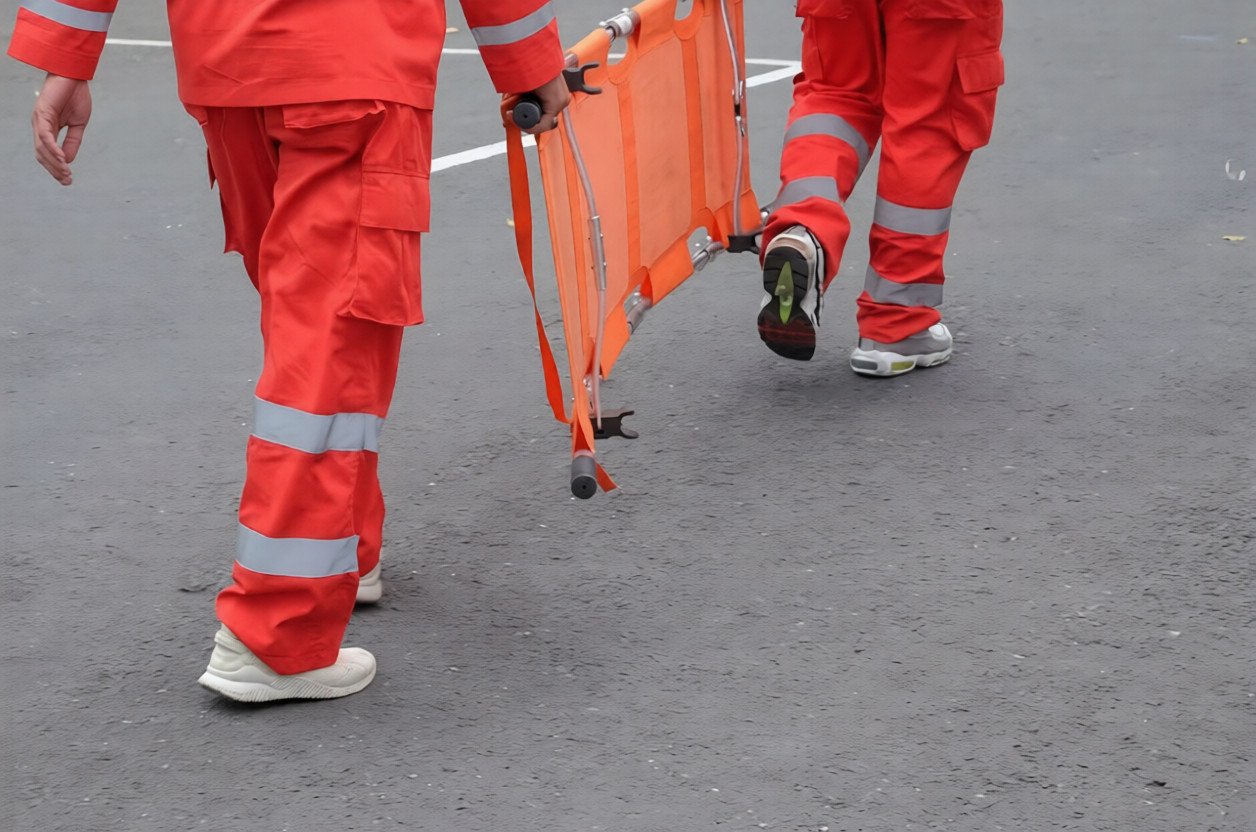
As a manufacturer, I get this question almost every day: "Should I buy aluminum or steel?" It's a great starting point, but the answer is more complex than just one material being better than the other. To make a decision you'll be happy with long-term, we need to look past the simple label and focus on what truly matters for your operations. Let’s dive deeper into the details that will help you choose the right tool for the job.
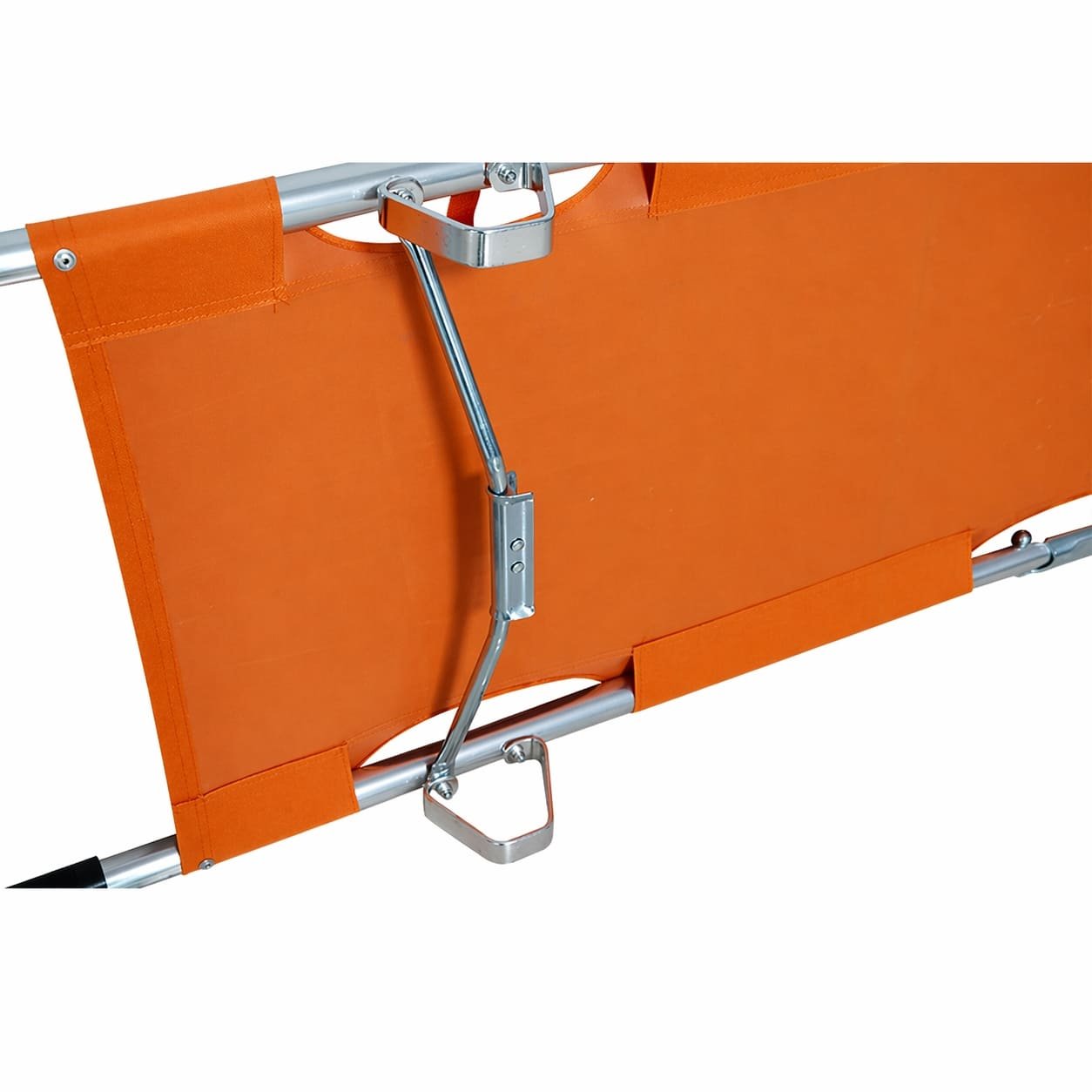
Is steel always stronger and aluminum always the lighter choice?
You have likely been told that steel is for strength and aluminum is for saving weight. Following this simple rule can be misleading. It might cause you to overspend on features you don't need or buy a stretcher that doesn't hold up.
No, this is a common myth. Modern high-strength aluminum alloys offer excellent durability1 that can compete with some steel types. The real difference is the trade-off between weight, corrosion resistance, and overall cost. Not all steel or aluminum is created equal, so the specific grade matters most.
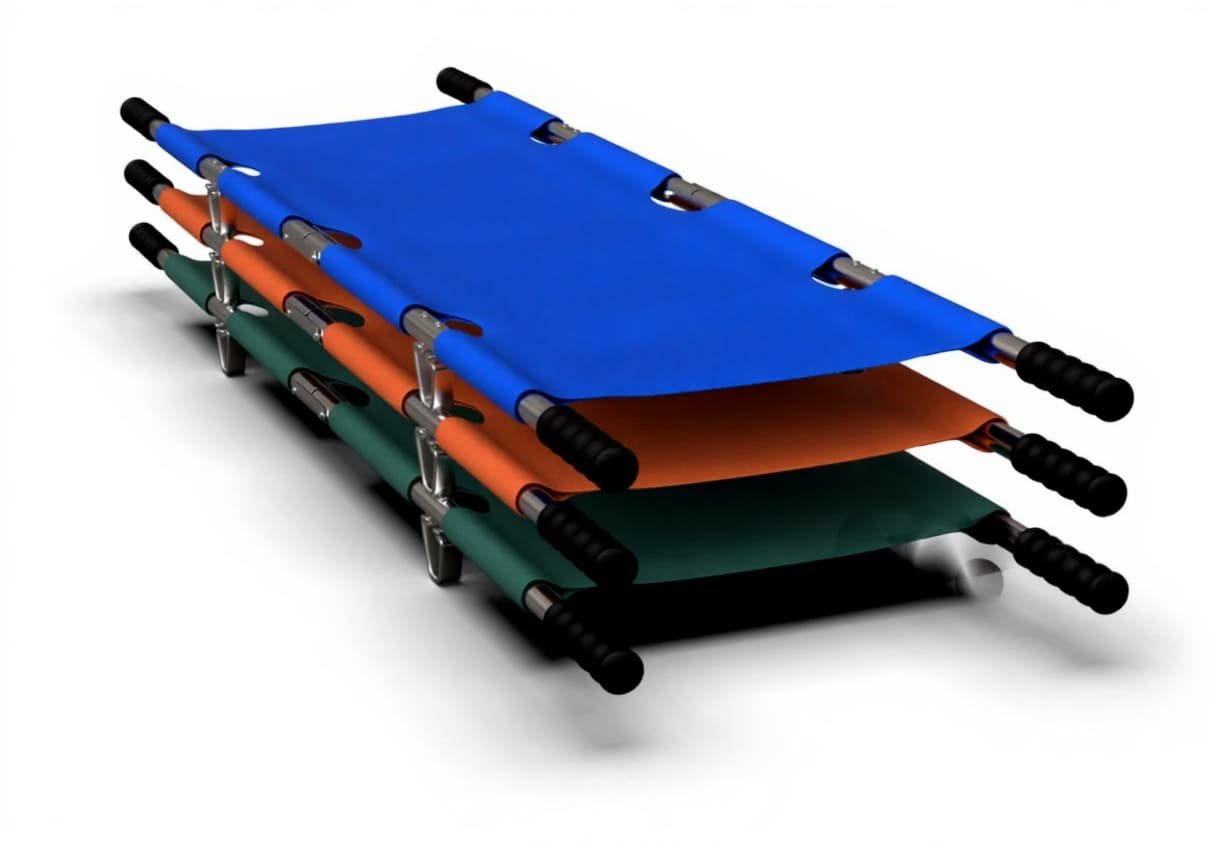
In our factory, I see the real-world differences every day. When we talk about "aluminum," we aren't talking about the soft metal used for soda cans. We use high-strength aluminum alloys, like 6061-T62. This material provides an incredible strength-to-weight ratio, making it durable enough for demanding rescue situations while remaining easy to carry. On the other hand, "steel" can also mean many things. Basic carbon steel is heavy and very affordable3, but it needs a good powder coating to prevent rust. Higher-grade treated steel is stronger and more resilient but also costs more. The idea that one is simply "strong" and the other is "light" is an oversimplification. The choice is really about balancing performance needs with your budget.
| Feature | High-Strength Aluminum | Standard Steel |
|---|---|---|
| Weight | Significantly Lighter | Heavier |
| Strength-to-Weight | Excellent | Good |
| Corrosion Resistance | Naturally High | Requires Coating (e.g., powder coat) |
| Cost | Generally Higher | Generally Lower |
How do you match the stretcher material to your specific use case?
Buying a stretcher that doesn't fit your daily operations is a waste of money and effort. Your team struggles with a model that's too heavy for mobile use, or a lighter one wears out too quickly in a tough environment.
The answer lies in analyzing your team's workflow. Choose aluminum for high-mobility needs like ambulance services or event medical teams4 where staff carry it often. Select steel for fixed locations like industrial first-aid stations or school clinics5 where cost is a priority and movement is minimal.
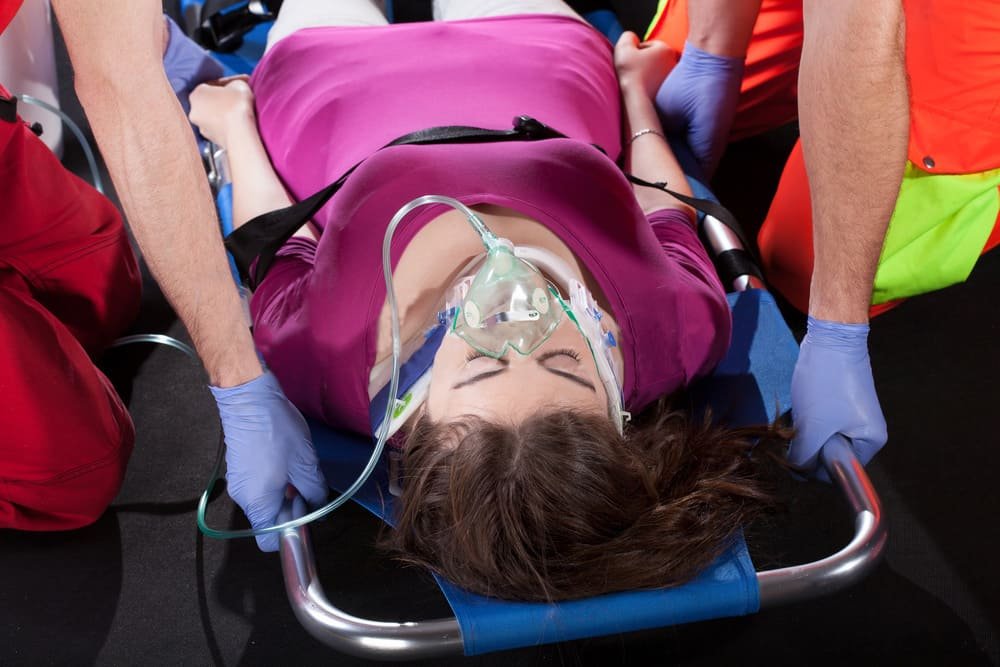
The right choice becomes clear when you think about the job the stretcher has to do. I recently worked with a client who manages medical teams for large outdoor concerts. They needed stretchers that could be carried quickly across fields and up temporary stairs. For them, a lightweight aluminum stretcher wasn't a luxury; it was a necessity for reducing staff fatigue and improving response times. In contrast, another customer from a large manufacturing plant needed a stretcher for their on-site clinic6. The stretcher would stay in one room 99% of the time. The more affordable and rugged steel model was the perfect fit for their budget and stationary needs. It's about getting the right tool for the specific task at hand.
| Use Case | Recommended Material | Key Reason |
|---|---|---|
| Ambulance/EMS | Aluminum | Weight, Ergonomics, Speed |
| Event First Aid | Aluminum | Portability, Frequent Handling |
| Industrial Site Clinic | Steel | Cost, Durability in one place |
| School/Office First Aid | Steel or Aluminum | Depends on budget and building layout |
| Search & Rescue | Aluminum | Must be carried over long distances |
Is the frame material the most important factor for safety and durability?
You focus so much on the frame that you might miss the real weak points. A stretcher with a strong frame can still fail because of a poorly made hinge or cheap fabric. This is a serious safety risk you cannot afford to take.
No, the frame material alone is not the most critical factor. The reliability of the folding mechanism, the quality of the hinges, the durability of the fabric, and the certified load capacity are far more important for ensuring user safety7 and long-term value.
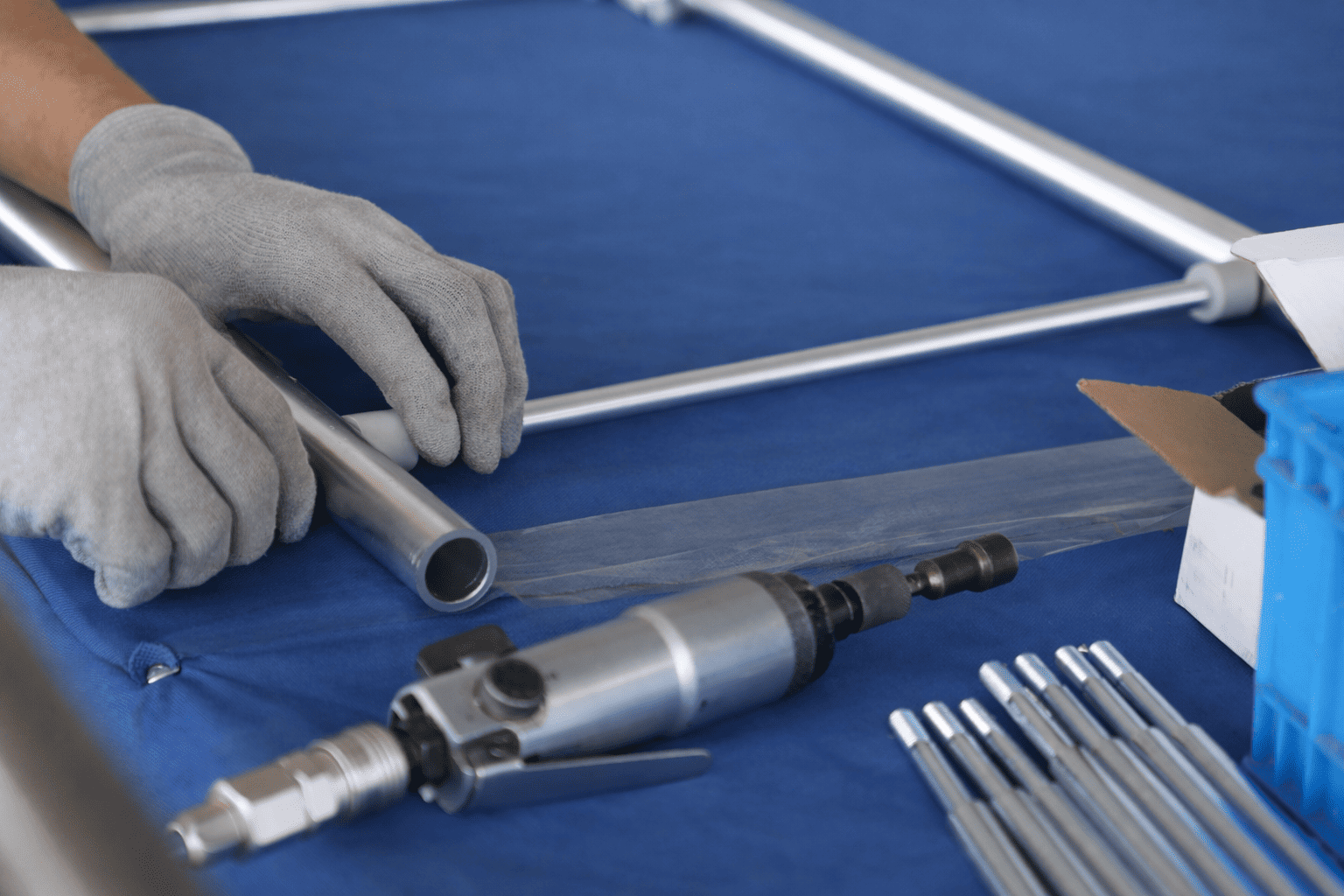
From my experience in manufacturing, I can tell you where stretchers most often have problems. It is rarely the main poles that bend or break. The real stress points are the moving parts and surfaces. The hinges and locking mechanisms are under constant strain every time the stretcher is folded and unfolded. Are they made from simple stamped metal, or are they cast or milled for greater strength? A weak hinge makes the entire stretcher unsafe8. The bed fabric is another critical component. A high-quality, fluid-resistant, and easy-to-disinfect surface like vinyl-coated fabric is essential for infection control and durability. Finally, the most important number is the certified load capacity. This is a tested, proven figure. A stretcher's true strength is not its material but its ability to safely carry a specified weight, confirmed by standards like EN 18659.
What are the right questions to ask any stretcher supplier?
You want to sound like a professional and ensure you get the best product for your money. But just asking "Is it aluminum or steel?" is not enough. This simple question often gets a simple answer that hides important details about the product's quality.
Instead of only asking about the frame material, you need to ask more insightful questions. Ask, "What is the total weight and its certified maximum load?" Also ask, "What material are the hinges made of?" and "Can you provide compliance documents for standards like EN 1865?"
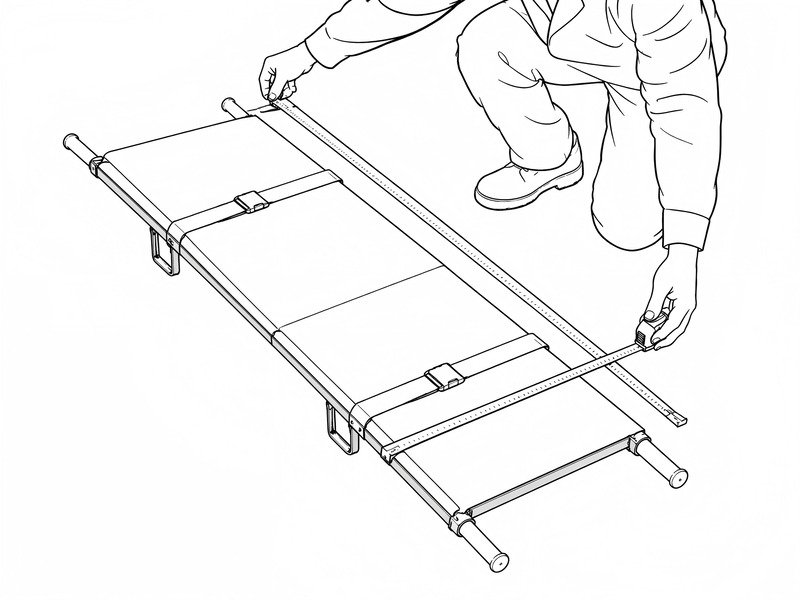
As a supplier, I appreciate it when a buyer asks detailed questions. It shows me they are a professional who is serious about safety and quality. It helps us find the perfect product for them. To make sure you get a stretcher that is both safe and reliable, here are the questions you should be asking:
- What is the exact weight of the stretcher, and what is its certified maximum load capacity? This combination of numbers tells you the stretcher's real-world efficiency and performance.
- What material is the bed surface made from, and is it fluid-resistant and easy to disinfect? This question addresses hygiene, patient safety, and the long-term durability of the stretcher.
- Can you describe the folding mechanism and the materials used for the hinges and locking pins? This gets to the heart of the stretcher's mechanical reliability and potential weak points.
- Does this stretcher comply with regional standards like EN 1865, and can you provide the documentation? This is a non-negotiable question that confirms the product has been independently tested for safety.
Conclusion
The best stretcher isn't just aluminum or steel. It's the one with the right weight, strength, and features that perfectly match your team's operational needs and budget.
This source provides background on 6061 aluminum alloy and supports the point that high-strength aluminum can offer durability and a strong strength-to-weight ratio in demanding applications. ↩
This source explains the strength-to-weight ratio and corrosion resistance of 6061-T6 aluminum alloy, supporting its use in rescue stretchers that need to be strong while remaining easy to carry. ↩
This source provides background on carbon steel and supports the point that steel is generally affordable and strong, but heavier than aluminum and more dependent on protective coating for corrosion resistance. ↩
This source provides an example of an aluminum alloy ambulance stretcher, supporting the point that aluminum models are suitable for mobile EMS, ambulance, and event medical teams. ↩
This source provides background on industrial clinic services and supports the point that durable, cost-effective stretcher options are practical for fixed first-aid stations and on-site clinics. ↩
This source shows examples of emergency stretchers for patient transport, supporting the point that rugged steel stretchers can be practical for stationary medical settings where budget and durability are important. ↩
This source discusses safety and performance management for medical equipment, supporting the importance of certified load capacity, structural reliability, and regular equipment checks for stretcher safety. ↩
This source discusses hinge mechanisms as critical stress points in medical devices, supporting the point that hinge and locking structure quality can affect the safety of folding stretcher designs. ↩
This source outlines ambulance and medical equipment requirements, supporting the point that recognized standards such as EN 1865 help define stretcher safety and performance expectations. ↩