
When an emergency strikes, knowing how to put someone on a stretcher quickly and safely can make all the difference. Improper handling can worsen a patient’s injuries or delay their treatment. This guide explains step-by-step techniques, common mistakes to avoid, and how to select the right stretcher for different scenarios.
To correctly place someone on a stretcher, assess their condition, choose the appropriate stretcher for the situation, and follow universal best practices like spinal immobilization1, teamwork, and secure strapping to ensure patient safety during transport.
Placing a patient on a stretcher involves both technical skill and situational knowledge. Below, we’ll break down scenarios and provide actionable advice on how to reduce the risks of secondary injury while ensuring efficient patient handling.
Why is proper patient handling crucial?
Rushing during an emergency often leads to critical errors. Misjudging how to handle a patient or using the wrong stretcher can aggravate injuries.
Proper patient handling prevents additional injuries, promotes comfort, and allows rescuers to transport the patient efficiently without compromising their safety.

When rescuers fail to immobilize the patient or secure them on the stretcher, it can result in spinal damage or unintended injuries during transport. Understanding the risks of poor handling emphasizes the need for proper techniques and the right tools.
Risks of improper handling include:
- Secondary spinal injuries from poor alignment during transfers.
- Delays in transportation caused by using the wrong type of stretcher.
- Patient falls while moving on uneven terrain2 or inside an ambulance.
- Legal liabilities if protocols aren't followed in professional environments.
By being methodical, you can minimize these risks and ensure a safer transport process.
How do you place someone on a stretcher step by step?
Safely placing a patient on a stretcher requires coordination, preparation, and attention to detail. Here’s a simple, universal guide:
1. Assess the situation and the patient’s condition.
Step: Check for signs of spinal or other critical injuries before moving the patient.
- If a spinal injury is suspected, avoid bending the patient’s back or neck.
- Look for life-threatening conditions and stabilize the patient first.
2. Choose the right stretcher.
Step: Determine which type of stretcher suits the environment and the patient’s injuries.
- Use a scoop stretcher3 for spinal injuries. These split apart and slide under the patient.
- Use a basket stretcher for rugged terrain or confined spaces.
- Use a folding stretcher for lightweight patient transport in simpler scenarios.
3. Position the stretcher properly.
Step: Place the stretcher in a location that allows easy access without obstructing rescuers.
- Lay it flat on solid, level ground or adjust the height (for adjustable stretchers).
- If the stretcher is collapsible, ensure it’s locked securely.
4. Stabilize and secure the patient.
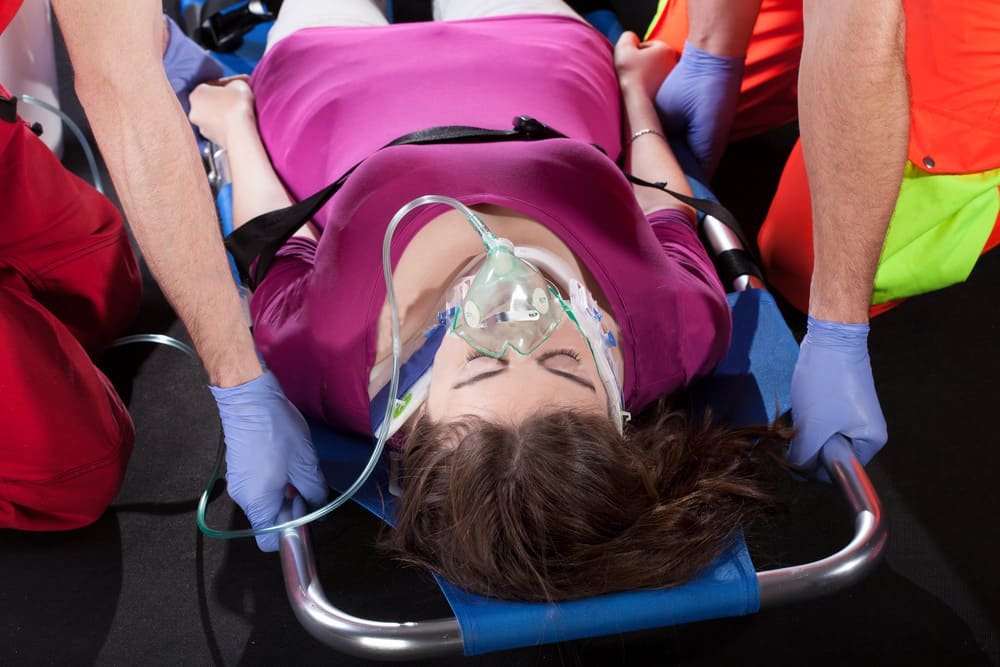
Step: Use cervical collars4, head immobilizers5, and straps as necessary to prevent further injury.
- Immobilize the neck if the patient has a suspected spine injury.
- Secure the patient firmly with stretcher straps to prevent them from sliding during transport.
5. Use proper lifting techniques.
Step: Coordinate with your team to lift the patient onto the stretcher.
- Follow the “log roll” technique with spinal injuries: Roll the patient carefully onto their side, slide the stretcher board underneath, then roll them back.
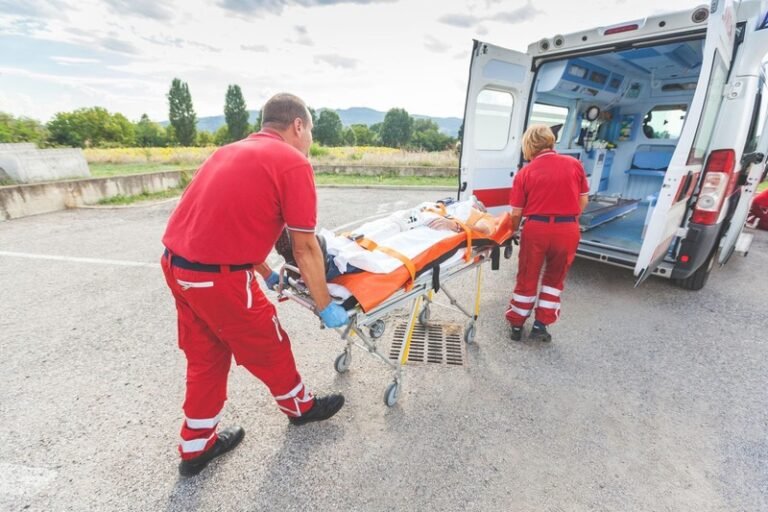
- For non-spinal injuries, two rescuers can gently lift the patient while a third stabilizes.
6. Check before transport.
Step: Ensure all straps are secured, and the patient’s position is stable.
- Perform a quick scan to confirm the patient is immobilized and ready for movement.
- If applicable, ensure the stretcher wheels are locked before lifting or transporting.
What are some common mistakes to avoid?
Even with training, certain errors can occur during high-pressure situations. Here are some of the most frequent mistakes and how to avoid them.
1. Ignoring the stretcher-type compatibility:
Different injuries require specific stretcher designs. For example, failing to use a scoop stretcher for a spinal patient may cause aggravation of their injury.
How to Avoid: Train teams to identify which stretcher is best for each injury type.
2. Rushing the stabilization process:
Skipping immobilization or not securing straps properly can lead to accidents during transportation.
How to Avoid: Always give priority to aligning and stabilizing the patient, even in an urgent situation.
3. Improper lifting techniques:
Poor body mechanics among rescuers can lead to back injuries or dropping the patient.
How to Avoid: Follow proper form: bend at the knees, not the waist, and lift in sync with your team.
4. Ignoring patient communication:
Assuming the patient is unconscious and not communicating at all can overlook vital symptoms or discomfort.
How to Avoid: Talk to responsive patients when moving them and heed their feedback throughout the process.
How does the stretcher type impact handling techniques?
The choice of stretcher directly influences how the patient should be handled. Let’s break it down by stretcher type:
Scoop Stretchers
- Best for: Patients with spinal injuries or trauma.
- Technique Impact: Avoid bending or rotating the spine. Use the scoop stretcher to slide sections under the patient, clip it back together, and lift with minimal movement.
Basket Stretchers
- Best for: Rough terrain, confined spaces, or vertical lifts.
- Technique Impact: Secure the patient with additional straps to prevent shifting during complex rescues. Use team coordination to balance the stretcher when moving.
Folding Stretchers
- Best for: Lightweight, simple transport in non-critical scenarios.
- Technique Impact: Ensure the stretcher is locked in place before moving the patient. Use firm grips when lifting.
Spine Boards
- Best for: Immobilizing the spine in critical situations.
- Technique Impact: Prioritize using head immobilizers and secure strapping for spinal alignment.

Quick Comparison Table
| Stretcher Type | Best Use Case | Key Handling Tips |
|---|---|---|
| Scoop Stretcher | Spinal injuries | Slide sections under the patient. |
| Basket Stretcher | Rugged terrain | Balance stretcher during movement. |
| Folding Stretcher | Simple transport | Ensure stretcher is securely locked. |
| Spine Board | Full spinal alignment | Use head immobilizers and straps. |
Frequently Asked Questions
What do you do if the patient is conscious but unable to move?
Speak to them calmly, explain what you're doing, and follow all immobilization procedures necessary for their condition. Engage their help where possible for smoother handling.
How many people are needed to transfer a patient to a stretcher?
Typically, at least two rescuers are required for safe lifting, but three to four people may be needed for spinal injuries or heavier weights.
Can basic folding stretchers be used for spinal injuries?
No. Folding stretchers lack the support and securing features needed for spinal immobilization. Spine boards or scoop stretchers should be used instead.
How do you handle a stretcher on uneven terrain?
Use a basket stretcher designed for rugged environments. Secure the patient tightly, and assign team members to stabilize movement.
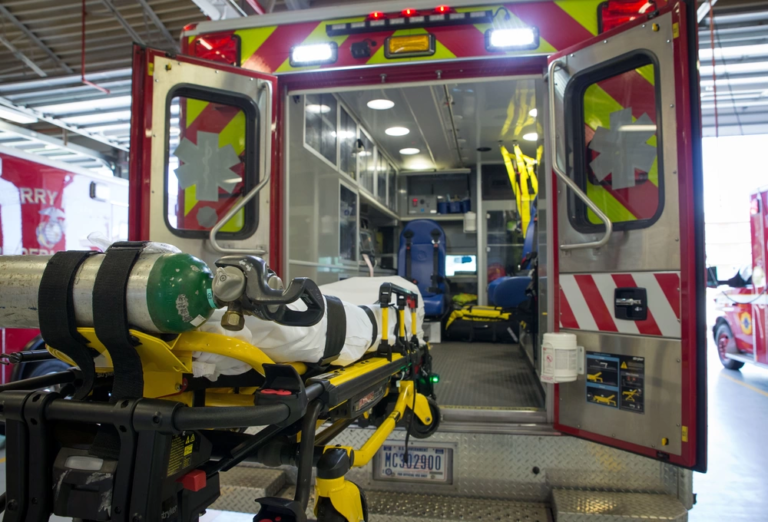
Are all stretchers compatible with ambulance load systems6?
No, some stretchers require specific attachment points or dimensions. Always verify compatibility with your ambulance fleet before purchase.
Conclusion
Knowing how to put someone on a stretcher is essential for anyone involved in emergency care or patient transport. By assessing the situation, choosing the right stretcher, and following correct techniques, you can prevent further injuries and ensure safe transportation. Whether using a scoop stretcher for spinal alignment or a basket stretcher in rugged environments, the right equipment paired with proper techniques can save lives.
For high-quality, durable emergency stretchers designed with safety and practicality in mind, explore Jiekang Medical’s selection or reach out for a tailored recommendation.
This source explains that spinal immobilization is widely recommended in emergency medical protocols to help protect the spine during patient transport. ↩
This source explains why specialized equipment, such as basket stretchers, may be needed for patient transport on uneven terrain. ↩
This source explains that scoop stretchers are designed to minimize spinal movement during patient transfer. ↩
This source explains the role of cervical collars in stabilizing the neck for patients with suspected spinal injuries. ↩
This source explains the role of head immobilizers in maintaining spinal alignment during patient transport. ↩
This source explains that some stretchers require specific dimensions or attachment points to be compatible with ambulance load systems. ↩