Struggling to find a simple guide on operating an ambulance stretcher? The real problem is that a single guide doesn't exist, leading to confusion and poor purchasing decisions.
The way you operate an ambulance stretcher depends completely on its specific type and design. An automatic loading stretcher has a different mechanism than a scoop stretcher or a stair chair.1 The key is to first understand which model best fits your operational needs, not to look for one-size-fits-all instructions.

As a manufacturer, one of the most common questions I get from new buyers is, "Can you show me how to operate it?" It's a great question, but it's often the wrong one to start with. People assume all stretchers work the same way. This can lead to buying equipment that isn't right for their team or their ambulances. The real answer isn't about a single set of steps. It's about understanding the design philosophy behind each type of stretcher. This article will help you ask better questions, so you can choose a stretcher that your team can operate safely and efficiently in the real world. Let's move from "how to operate it" to "which one is right for our operations."
Aren't All Ambulance Stretchers Operated the Same Way?
You might think all stretchers are basically the same. This simplifies the buying process, but it can lead to costly mistakes and equipment that just doesn't work for you.
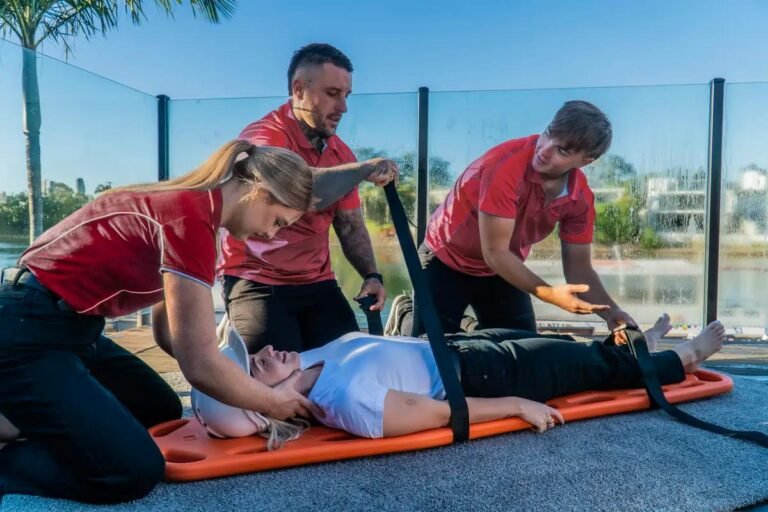
No, they are not operated the same way. Automatic loading stretchers have complex undercarriages for vehicle entry.2 Scoop stretchers split in half to lift patients.3 Stair stretchers are designed specifically for navigating tight staircases.4 Each design solves a different primary problem and requires unique handling.
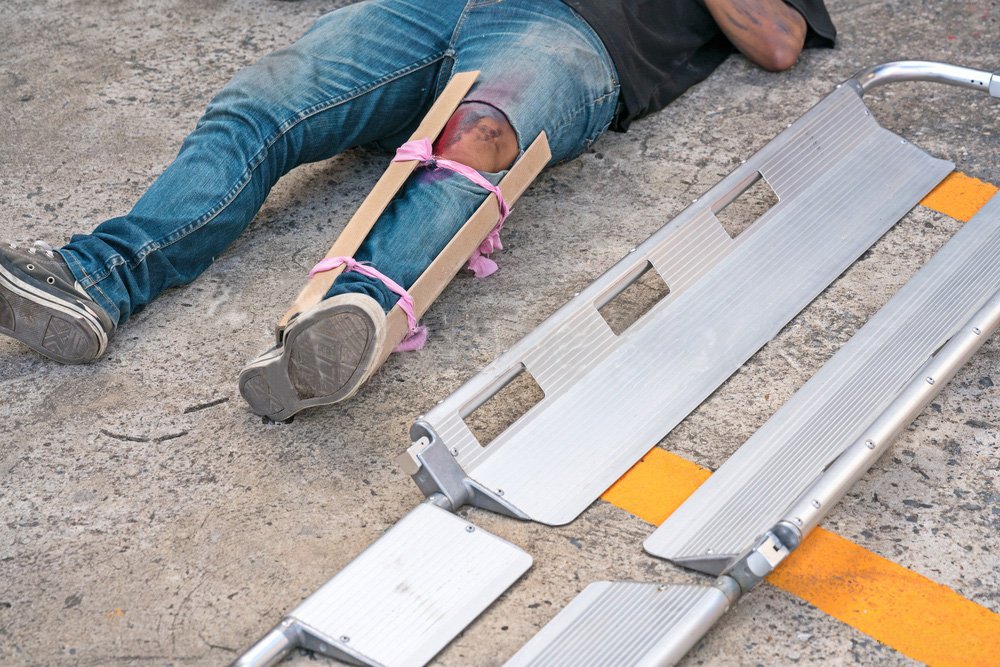
A frequent misunderstanding we see with first-time buyers is the belief that a stretcher is just a stretcher. In reality, the operational method is dictated entirely by the stretcher's design, and each design is a solution to a specific set of problems paramedics face. Thinking about it this way helps shift your focus from a generic "how-to" to a more strategic "which-one-for-what-scenario." To make a good purchasing decision, you need to understand the fundamental differences in how these pieces of equipment function in the field.
Here's a simple breakdown of the main types and their operational logic:
| Stretcher Type | Primary Purpose | How It's Operated | Best For... |
|---|---|---|---|
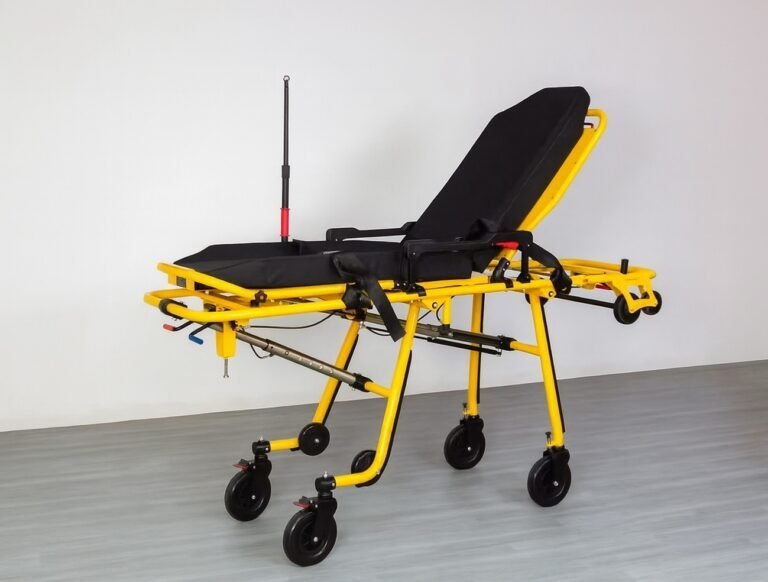
| Automatic Loading Stretcher | Efficiently loading a patient into an ambulance. | The operator raises the undercarriage, which locks into place. The legs then automatically fold as the stretcher is pushed into the ambulance, securing onto a floor-mounted fastener. | Standard patient transport, minimizing lifting strain on paramedics during vehicle loading. |
| Scoop Stretcher | Lifting a patient from the ground with minimal movement. | The stretcher splits into two halves. The halves are gently slid under the patient from either side and then clipped together, "scooping" the patient onto a secure surface. | Suspected spinal or hip injuries where rolling the patient is dangerous. It's for on-site lifting, not transport. |
| Stair Stretcher / Chair | Evacuating a patient from a space with stairs. | The patient is secured in a seated position. It has handles for operators and often a track system that helps control the descent down stairs, reducing the physical burden. | High-rise buildings, narrow hallways, and situations where a standard stretcher won't fit. |
Understanding these differences is the first step. You aren't just buying a stretcher; you're buying a solution for a recurring operational challenge.
What Features Actually Matter in a Real-World Emergency?
Spec sheets are often packed with technical details. It's easy to get lost and not know what is critical, leading you to either overspend or buy something that fails your team.
The most critical features are those tied directly to safety and efficiency. This means reliable locking mechanisms, multi-level height adjustment, a durable wheel system for maneuverability, and confirmed compatibility with your ambulance's fastener system. These are not just nice-to-haves; they are essential for operator and patient safety.
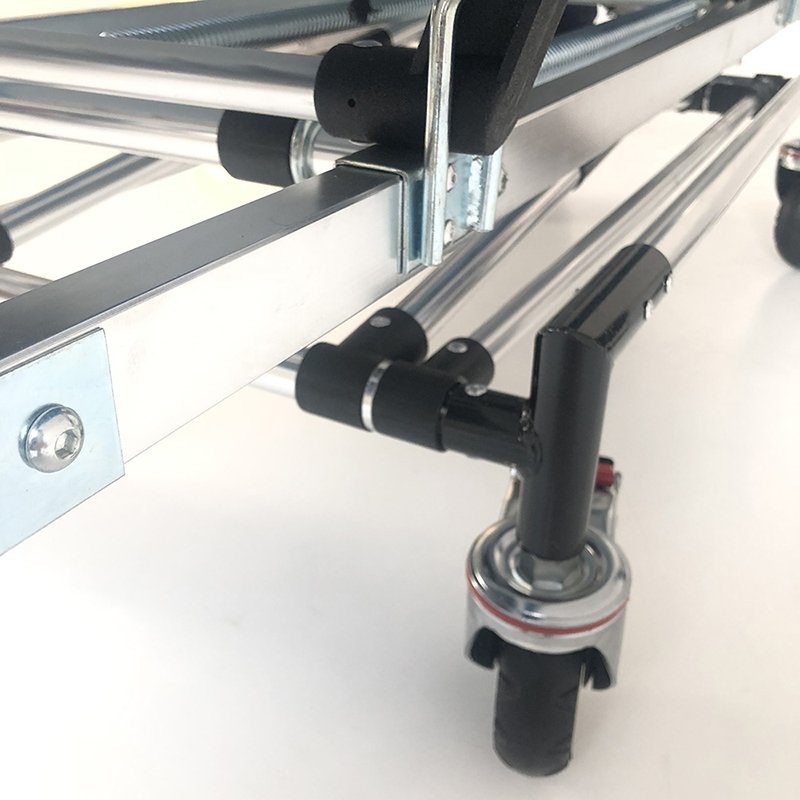
When we walk clients through our products, we don't just list features. We explain the "why" behind each one from an operational standpoint. A long list of features can be confusing. The goal is to identify the features that directly address the challenges your team faces every day. A feature is only valuable if it makes the job safer, faster, or less physically demanding for the end-users. Let's break down the features that truly make a difference in an emergency.
Locking Mechanisms: The Ultimate Safety Feature
The most important feature of any loading stretcher is its locking system. This is not a place to compromise. The undercarriage must lock securely in place when extended, without any chance of accidental collapse. When loading, the stretcher must lock tightly into the ambulance's fastener system. Consider a situation where a stretcher moves during transport because of an insecure lock; the risk to the patient and crew is enormous. When you evaluate a stretcher, ask the supplier to demonstrate the locking mechanisms. They should be intuitive, robust, and have clear indicators for when they are engaged.
Height Adjustment: More Than Just Comfort
Adjustable height is critical for two reasons: patient transfer and operator ergonomics.5 Paramedics constantly move patients from beds, to the floor, to the stretcher. The ability to adjust the stretcher to the same height as the surface they are transferring from or to reduces the risk of injury to both the patient and the operator. Furthermore, adjusting the stretcher to a proper working height helps prevent back injuries for the crew, which is one of the most common long-term injuries in the profession.
Wheels and Maneuverability: Navigating the Real World
The wheel system determines how easily your team can navigate tight spaces. Large, durable wheels are better for rolling over uneven outdoor surfaces.6 Swivel wheels provide excellent maneuverability in cramped hallways and rooms, but they should also have a locking function to keep the stretcher stationary when needed. Think about your typical response environment. Is it mostly smooth hospital floors, or do your teams respond to calls in locations with rough terrain, tight corners, and narrow elevators? The right wheel configuration can make a difficult extraction manageable.
How Can You Choose the Right Stretcher for Your Team?
Choosing the right stretcher can feel like a huge decision. Making the wrong choice wastes money, and worse, it can put your end-users and their patients at risk.
Start by evaluating your most common operational scenarios. Consider your ambulance fleet, your patient population, and your service area's environment. Then, you can talk to a supplier to match a stretcher's design and features to those specific, real-world needs.

The best way to avoid a bad purchase is to create a clear profile of your needs before you start looking at products. As a supplier, the more you can tell me about your operations, the better I can guide you. A good supplier should act as a partner, asking you questions to help you find the right fit. It shows they care about the end result, not just the sale. Here is a simple framework you can use to prepare for that conversation.
Step 1: Analyze Your Operational Environment
Where will this stretcher be used most often? Consider the difference between a dense urban area with high-rise apartments and a rural area with long drives on bumpy roads.
- Do your teams frequently respond to calls in buildings with narrow hallways or elevators? Maneuverability and a smaller footprint might be key.
- Do you operate in areas with many multi-story buildings without elevators?7 A reliable stair chair is not optional; it's essential.
- Are your responses often outdoors on uneven ground? Look for larger, more robust wheels.
Step 2: Check Your Ambulance Fleet
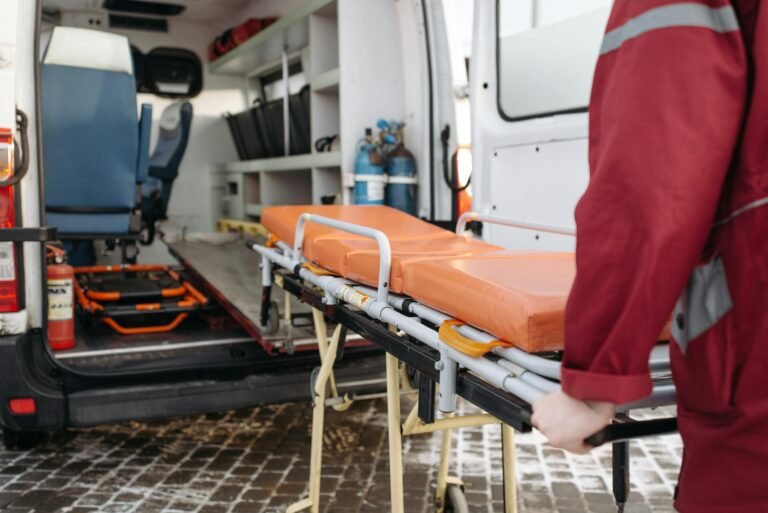
This is the most overlooked step, and it causes the most problems. A stretcher is useless if it doesn't fit in the ambulance.8
- What are the exact interior dimensions of your ambulances?
- Most importantly, what type of fastener/locking system is installed on the floor? A stretcher must be compatible with this system to be used safely. We often have buyers who are excited about a stretcher model but haven't checked if it will lock into their vehicle. It's a critical compatibility check.
Step 3: Consider Your Patients and Crew
Who are you transporting? The answer affects the features you'll need.
- Do you have bariatric patients or patients who may exceed standard ambulance equipment limits?9 If so, you must look at stretchers with a higher weight capacity and features designed for safely handling larger individuals.
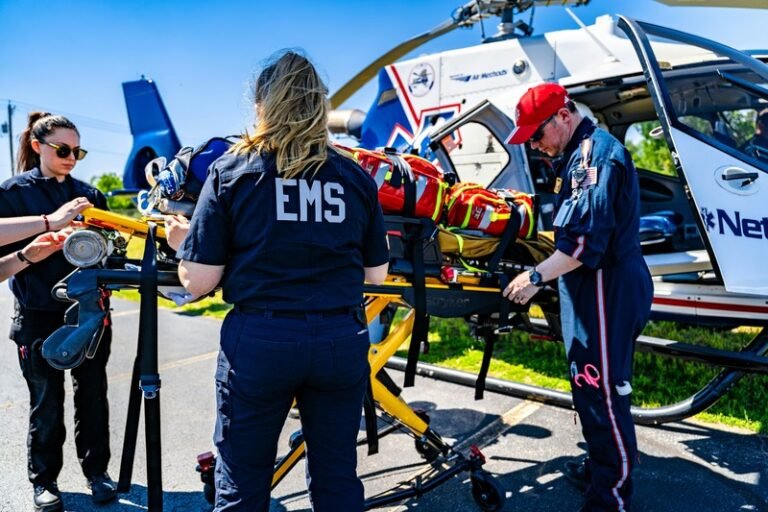
- The well-being of your crew is just as important. Powered stretcher systems and improved cot design can help reduce physical strain during ambulance loading and support injury prevention for EMS workers.10
By thinking through these points, you turn a vague question like "Which stretcher is best?" into a specific, answerable one like "Which automatic loading stretcher with a 700lb capacity is compatible with our Type X fastener system?" This is the kind of question a good supplier loves to answer.
Conclusion
The key to stretcher operation isn't a secret manual.11 It's choosing the right tool by matching its design to your team's real-world needs. This ensures safety and efficiency for everyone.
This source explains the basic operating differences between ambulance stretchers, scoop stretchers, and stair chairs. ↩
This source explains how automatic loading stretchers use undercarriage systems for ambulance loading and unloading. ↩
This source explains how scoop stretchers can be separated into two halves and positioned under the patient with less movement. ↩
This source explains how stair stretchers are designed for patient movement in narrow stairways. ↩
This source supports the point that adjustable height helps with patient transfer and operator ergonomics. ↩
This source explains why larger, durable wheels can improve stretcher movement on uneven surfaces. ↩
This source gives an example of evacuation challenges in multi-story buildings without suitable elevator access. ↩
This source supports the importance of stretcher compatibility with ambulance space and fastening systems. ↩
This source supports the point that bariatric patient transport may require special equipment, added personnel, and attention to equipment weight limits. ↩
This source supports the point that improved cot and powered stretcher design can reduce physical strain during ambulance loading. ↩
This source supports the point that stretcher operation should be understood based on design, function, and real working conditions. ↩