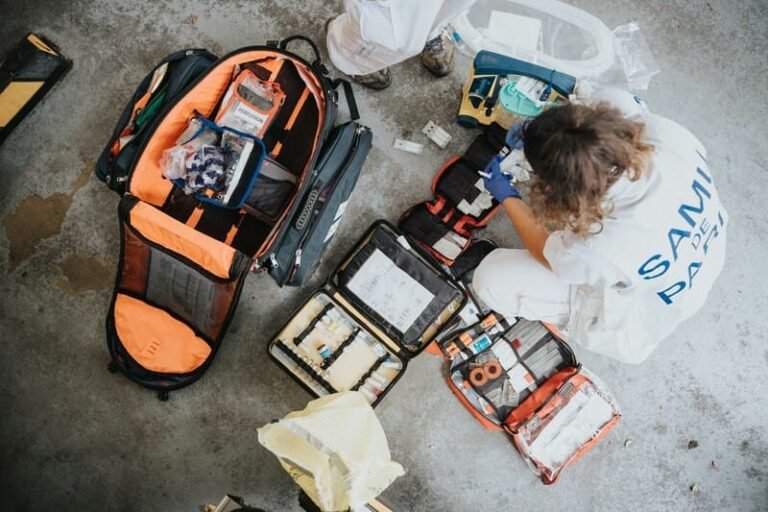
A first aid kit can be full on Monday and incomplete by Friday.
Someone uses two dressings. The scissors are taken to another room. A bottle leaks inside the case. From the outside, the box still looks ready.
That is why checking only when something expires is not enough.
The short answer: Give every workplace first aid kit a full inspection at least once a month. Check and restock it again immediately after every use. Busy factories, public areas, vehicles, outdoor crews, and remote worksites may need quicker checks every week or before each trip or shift.

Monthly is a useful starting point, not one universal legal timetable. The right frequency also depends on local rules, workplace risks, and how often the kit is used.
A Simple First Aid Kit Inspection Schedule
If you want a schedule people will actually follow, keep it simple:
| When to check | What to do |
|---|---|
| At least monthly | Complete check of the case, contents, quantities, packages, and dates |
| Immediately after use | Replace every used or opened item and confirm the kit is ready again |
| Weekly in busy or higher-risk areas | Quick check for missing supplies, damage, and easy access |
| Before a vehicle trip or remote job | Confirm the portable kit is present, complete, dry, and easy to reach |
| After water, heat, impact, or relocation | Check the case and every affected item |
| When work or staffing changes | Review whether the kit's contents, size, and location are still suitable |
The current ISEA workplace first aid guidance¹ recommends checking kits at least monthly and after an incident when supplies are used.
That is a good baseline for most workplaces. A kit used several times a week should not wait until the end of the month.
Why Is a Monthly Check Not Always Enough?
Picture two kits.
One sits in a quiet office and may not be opened for months. The other travels in a delivery van, gets hot in summer, moves around on rough roads, and may be used by different drivers.
Giving both kits the same schedule makes little sense.
Check more often when:
- Supplies are used regularly
- The workplace has cutting, machinery, burn, or chemical risks
- The kit travels in a vehicle
- It is exposed to heat, moisture, dust, or cold
- It supports outdoor, remote, or changing worksites
- Many employees, visitors, or members of the public can access it
- Previous checks often find missing items
HSE's workplace first aid guidance² says kit contents should be checked frequently and restocked soon after use. In practical terms, the schedule should follow the way the kit is actually used.
What Should Be Checked Every Time?
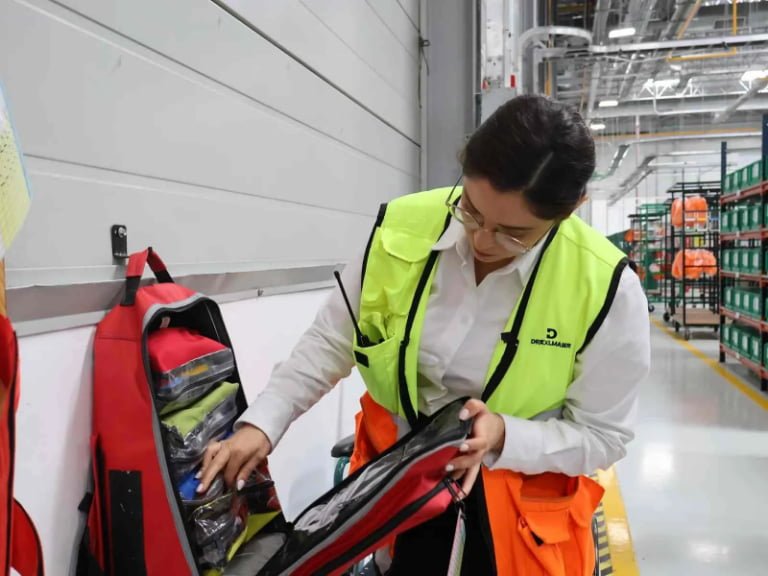
Do not just open the lid, see a few bandages, and sign the inspection sheet.
Use this order:
1. Can people reach the kit?
Make sure the kit is still in its assigned place. It should not be hidden behind cartons, locked in an unavailable office, or moved into a vehicle that is somewhere else.
OSHA's general first aid rule³ requires adequate first aid supplies to be readily available. A complete kit is little help if nobody can find or reach it.
2. Is the case in good condition?
Check the handle, latch, zipper, wall bracket, seal, and label. Look for cracks, dirt, water, chemical contamination, or signs that heat has affected the case.
3. Is anything missing?
Compare the contents with the list kept inside the kit. Count items that are commonly used, such as gloves, adhesive bandages, gauze, wipes, dressings, and tape.
If you are unsure what the kit should contain, start with our workplace first aid kit requirements guide.
4. Is any package open or damaged?
Replace torn, wet, dirty, unsealed, or crushed packages. A product does not have to be expired to be unusable.
5. Are any items near or past their expiry date?
Read the date on sterile and time-sensitive products. Move items with the shortest remaining life to the front, if their packaging is still sound, so they are used first.
6. Are the instructions and labels readable?
The contents list and first aid guide should still be present. Check that labels have not faded and that the required language is available.
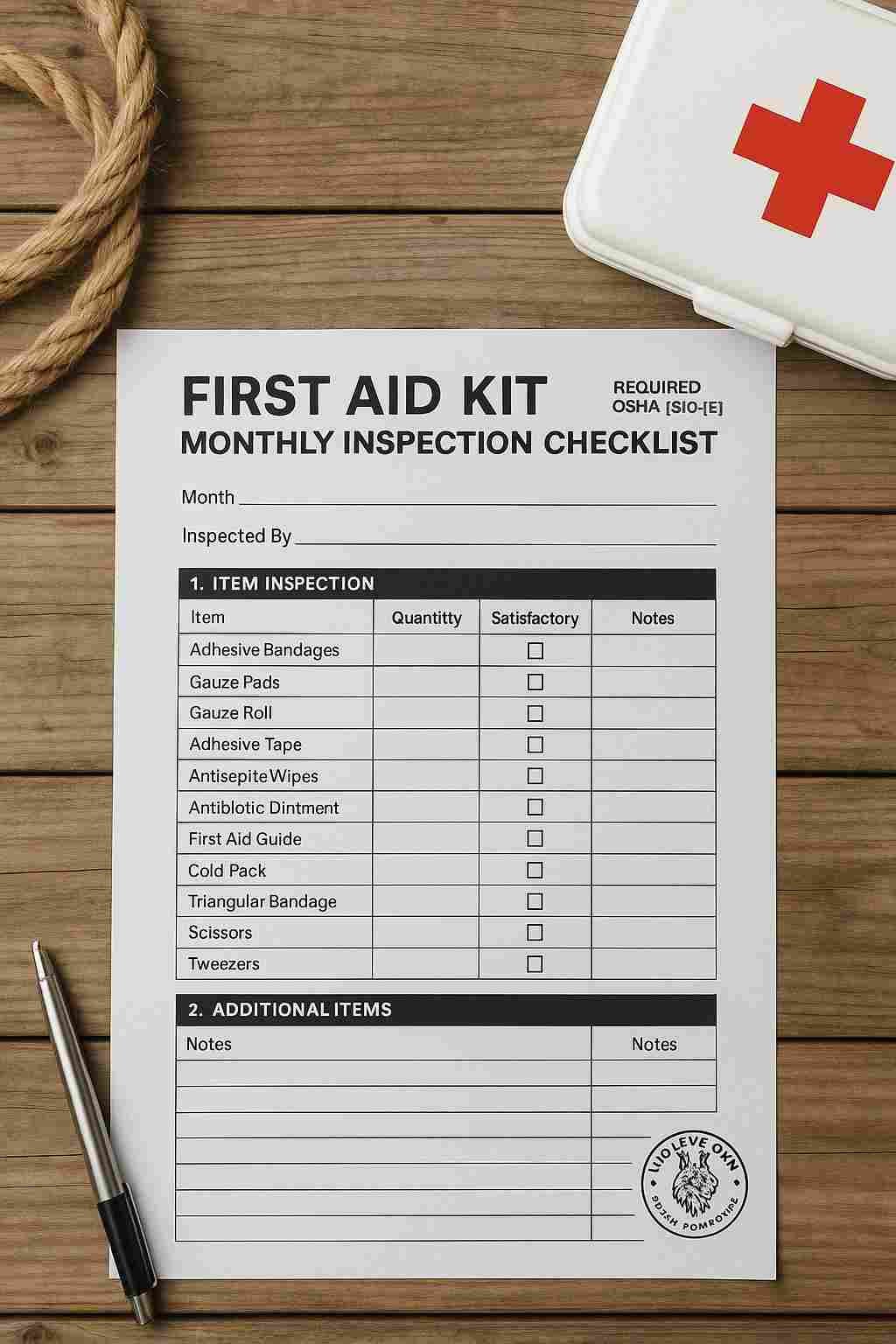
7. Is the inspection recorded?
Write down the date, the inspector's name or initials, problems found, and what was replaced. A simple paper card inside the cabinet is often enough.
When Should the Kit Be Restocked?
Restock it as soon as something is used. Do not wait for the next monthly inspection.
Replace an item when it is:
- Used or missing
- Opened, even if only part was used
- Expired
- Close enough to expiry that it will not last until the next planned check
- Wet, dirty, crushed, torn, or otherwise damaged
- Affected by heat, freezing, chemicals, or poor storage
- No longer included in the workplace's approved contents list
Keep a small supply of commonly used replacement items nearby, but store it separately and clearly label it. Otherwise, people may mistake backup stock for the inspected kit.
Do All First Aid Supplies Expire?
No. Scissors and some other non-sterile items may not carry an expiry date, but they still need to be clean, undamaged, and fit for use.
Sterile dressings, eye-wash products, burn treatments, cold packs, medicines where permitted, and other time-sensitive supplies often carry dates. Follow the manufacturer’s label.
The HSE expiry-date guidance⁴ says dated items should be replaced by the stated date. For sterile items without a date, ask the manufacturer how long they can be kept. Non-sterile items without dates should still be checked to make sure they remain usable.
Do not use one replacement date for the whole kit. Check the individual products.
Who Should Be Responsible for the Checks?
Give the job to a named person, not “the team.”
That person does not need to make every purchasing decision, but should know:
- Where every kit is located
- Which contents list belongs to each kit
- Where replacement supplies are stored
- Who can approve new stock
- How to record a completed check
- Who covers the task during holidays or absence
For a larger site, assign one person to each area and one coordinator to review the records.
Suggested Frequency for Different Workplaces
These are practical starting points rather than universal legal rules:
| Workplace | Suggested routine |
|---|---|
| Small office | Full monthly check and immediate check after use |
| Factory or warehouse | Quick weekly check in active areas, plus a full monthly check |
| Company vehicle | Monthly, after use, and before a long or remote trip |
| Construction or mobile crew | Before deployment, after use, and when returning or changing sites |
| Outdoor or remote work | Before every job or trip, with another check after return |
| Public or frequently used area | Weekly or more often if supplies disappear quickly |
Different container styles may also need different checks. A wall cabinet needs a secure bracket and clear sign. A portable bag needs working handles and zippers. A vehicle case needs protection from heat, moisture, and movement. You can compare these formats in our first aid kits and bags range.
Common Inspection Mistakes
- Checking only expiry dates: missing or damaged supplies can be a bigger problem.
- Signing without counting: a box can look full because large packages hide empty sections.
- Waiting until the monthly check to restock: the kit remains incomplete in the meantime.
- No fixed contents list: the inspector cannot tell what is missing.
- No named person: everyone assumes someone else checked it.
- Ignoring the case and location: supplies may be complete but wet, blocked, or hard to reach.
- Using one schedule for every kit: a vehicle kit and a quiet office cabinet face different conditions.
Frequently Asked Questions
Is a monthly first aid kit inspection required everywhere?
No. Monthly inspection is a strong general baseline and current ISEA guidance, but local laws and industry rules may set different requirements.
Should a sealed or unused kit still be checked?
Yes. Items can expire, packaging can become damaged, and the case can be moved or exposed to poor storage conditions.
How soon should used items be replaced?
As soon as possible after use. The kit should not remain incomplete until the next scheduled inspection.
How early should expiring products be replaced?
There is no single buffer for every item. Set an internal rule that allows enough time to order replacements before the date passes. Never leave an expired item in active stock.
Do we need an inspection log?
A log is a simple way to show when the kit was checked, who checked it, what was missing, and whether replacement was completed.
Final Takeaway
Start with a full monthly inspection, then check and restock immediately after every use. Increase the frequency for busy, higher-risk, mobile, outdoor, and remote workplaces.
During each check, look at the location, case, contents, packages, expiry dates, labels, and inspection record. Replace anything used, missing, expired, open, or damaged.
The best schedule is the one that keeps the kit ready every day, not only on the day someone signs the checklist.
References
1. ISEA, “First Aid” — Workplace first aid kit inspection guidance.
2. HSE, “What Employers Need to Do” — Guidance on checking and restocking supplies.
3. OSHA, “Medical Services and First Aid—1910.151” — Requirements for readily available first aid supplies.
4. HSE, “Frequently Asked Questions on First Aid” — Guidance on expiry dates and replacing supplies.