A workplace first aid kit can look perfect from the outside. The box is bright, the label is clear, and the item count sounds impressive.
Then someone opens it.
The gloves are too small. Several dressings expire soon. The box cannot be mounted where people need it. Worse, nobody knows where to buy replacement items after something is used.
That is why choosing a workplace first aid kit is not just about finding a box with a long contents list.
The short answer: Choose a kit that suits the workplace, can be reached quickly, contains the right supplies, has clear dates and labels, and can be easily checked and refilled. Before placing a large order, always inspect a real sample.
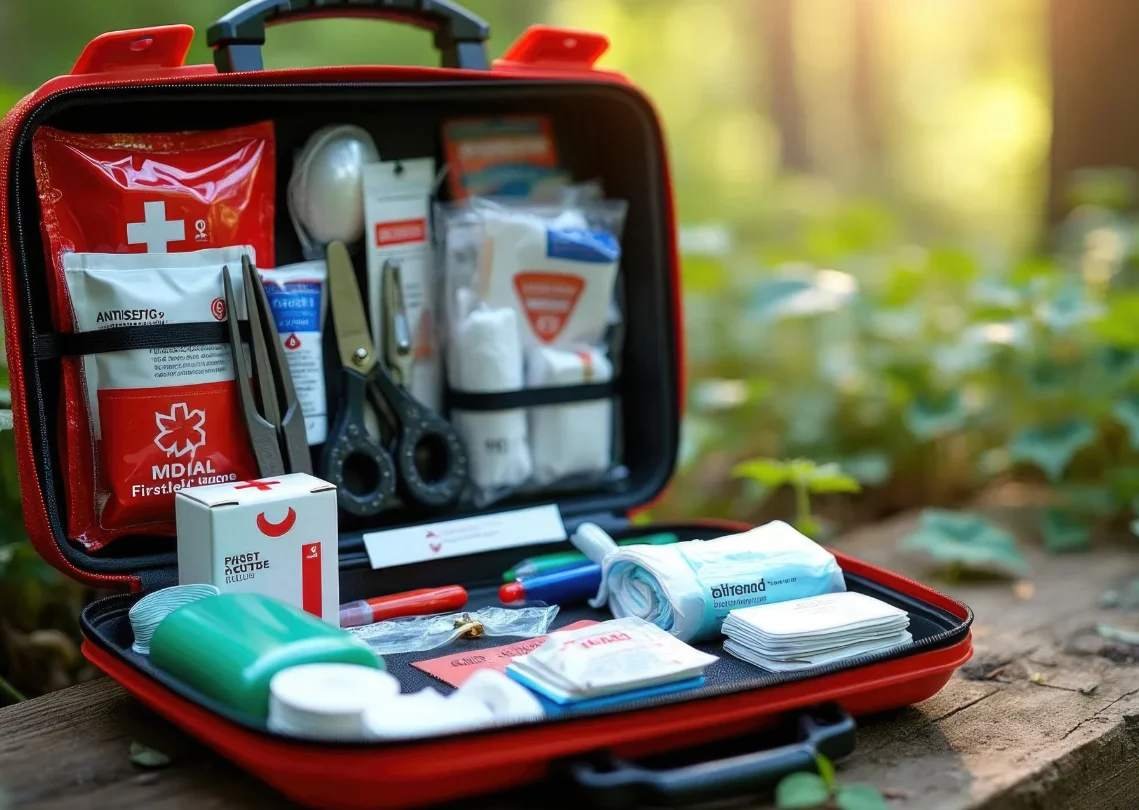
This is a practical buying guide. The final setup should still follow the rules and first aid needs of the country and workplace where the kit will be used.
Start with One Simple Question: Where Will the Kit Be Used?
An office, a factory floor, a delivery van, and an outdoor worksite do not need the same type of first aid kit.
| Workplace | A practical kit style | Why it may work |
|---|---|---|
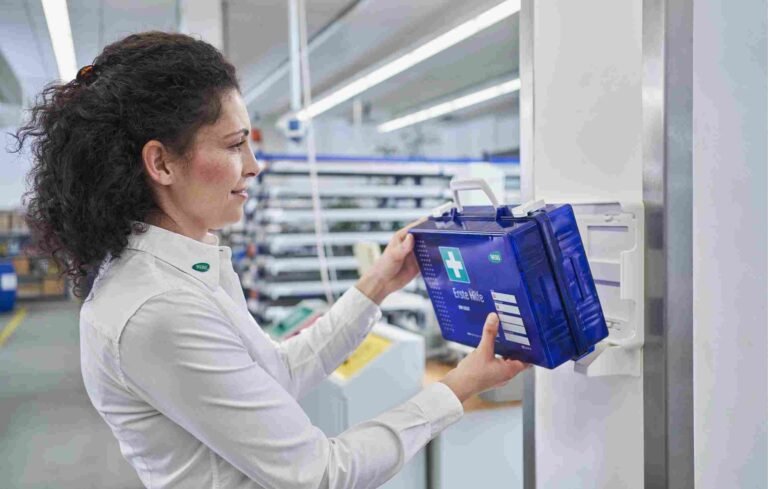
| Office or shop | Wall box or small handled case | Easy to see and simple to check |
| Factory or warehouse | Several wall boxes or strong hard cases | Can be placed close to different work areas |
| Company vehicle | Compact case or zipped bag | Fits a fixed storage space and travels with the vehicle |
| Outdoor worksite | Weather-resistant hard case or backpack | Easier to protect and carry between work areas |
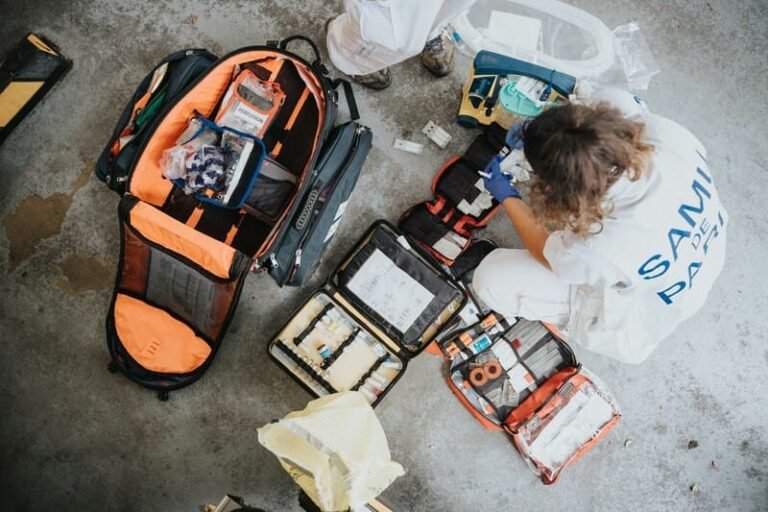
| Mobile team | Backpack or handled medical bag | Can move with the crew |
A large rolling bag may look useful, but wheels are inconvenient on stairs, mud, gravel, or scaffolding. A wall box is easy to find, but it is useless to a team working 300 metres away.
Start with the actual workplace. The container style becomes much easier to choose after that.
How Many First Aid Kits Do You Need?
There is no useful answer based only on employee numbers.
Imagine a factory with 100 workers. If everyone works in one open building, a few well-placed kits may be enough. If those workers are spread across two buildings, a warehouse, a loading area, and a night shift, one large box at reception makes little sense.
Ask:
- Can workers reach a kit quickly?
- Are there separate floors, buildings, workshops, or vehicles?
- Does a locked door block access after office hours?
- Do mobile or remote teams carry their own kit?
- Is another kit available while one is being refilled?
OSHA’s workplace first aid rule1 says adequate first aid supplies must be readily available. Its first aid kit guidance2 also explains that larger workplaces or workplaces with unusual risks may need more kits or different supplies.
In plain language: buy enough kits and put them where people can actually reach them.
What Should Be Inside the Kit?
There is no single packing list for every country and workplace. But that does not mean a buyer should accept an empty answer.
For an ordinary workplace, the kit should normally cover these basics:
| Basic need | Supplies to look for |
|---|---|
| Small cuts and grazes | Assorted adhesive bandages, sterile gauze pads, and antiseptic wipes |
| Larger wounds | Larger sterile dressings or trauma pads, roller or triangular bandages, and medical tape |
| Personal protection | Disposable medical gloves and hand-cleaning supplies |
| Eye injuries | Sterile eye pads or coverings and suitable eyewash |
| Minor burns and sprains | Burn dressings or burn treatment and an instant cold pack |
| Simple first aid tasks | Scissors, an emergency blanket, a CPR barrier, and a first aid guide |
Think of this as the basic starting point. The exact sizes and quantities still depend on the number of people, the work, and the local standard. The current ANSI/ISEA workplace kit standard3, for example, groups supplies around bleeding control, general care, eye and skin care, and burn and injury care.
Some workplaces need more:
- Blades, machinery, or heavier work: more large dressings and suitable bleeding-control supplies; some sites may also need splints.
- Corrosive chemicals: proper emergency eye or body washing equipment. A small bottle inside the bag may not be enough.
- Remote or outdoor work: extra dressings, thermal protection, and supplies for the longer wait for help.
- Opioid-overdose planning: naloxone where local rules, training, and the workplace plan support it.
So the practical rule is simple: start with the basic supplies above, then add items for the injuries that are reasonably likely in that workplace. The number printed on the box is only a guide. A “100-person kit” is not automatically right for every workplace with 100 people.
What Does “OSHA Compliant” Actually Tell You?
This phrase causes a lot of confusion.
OSHA does not approve one specific first aid box for every American workplace. The employer must make sure suitable supplies are available, and the workplace’s size and risks affect what is needed.
For US buyers, ANSI/ISEA Z308.1-2026 provides a current workplace first aid kit standard. If a supplier says a kit follows it, ask exactly which version and kit type they mean. Then check whether the real contents and label match that claim.
For UK buyers, HSE’s first aid kit guidance4 says the contents should follow the workplace’s first aid needs. It also says that a kit does not legally have to meet BS 8599, although that standard can be used as a reference.
For other countries, check the local rule before ordering. A label used in one country may not be enough in another.
What Should the Buyer Confirm?
You do not need a complicated system. Ask the supplier for clear answers to these seven points:
- Case style: Will it stay on a wall, sit in a vehicle, or travel with a crew? Check the size, handle, zipper or latch, and mounting method.
- Exact contents: Ask for the name, size, and quantity of every item. “Includes bandages and dressings” is too vague.
- Expiry dates: Check dated items and agree on how much usable life must remain when the order arrives.
- Labels: Make sure the required language is used and important information is easy to read.
- Organization: People should be able to find supplies without emptying the whole bag.
- Replacement items: Confirm that used dressings, gloves, and other supplies can be reordered separately.
- A real sample: Inspect the case, contents, labels, and dates before approving a large order.
You can compare several first aid kit and bag styles before deciding which shape fits the workplace.
What Should You Check on a Sample Kit?
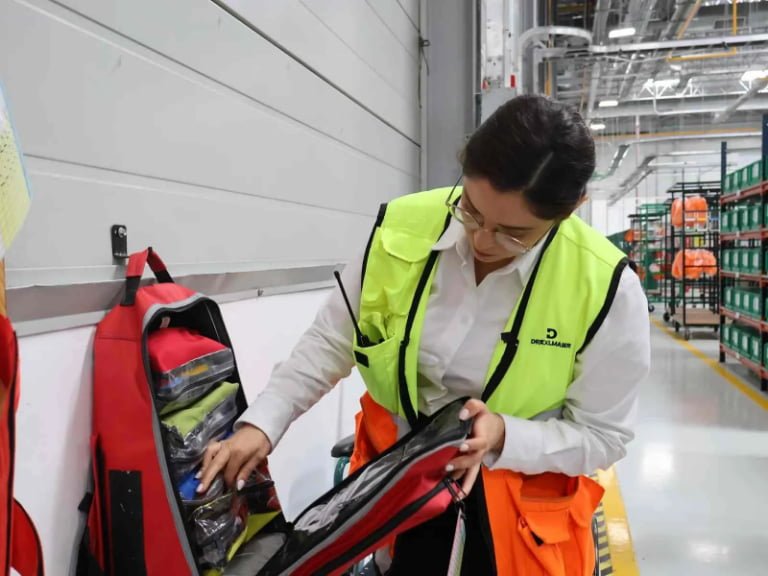
I would never judge a workplace kit from a spreadsheet alone. Put the sample on a table, open it, and use your hands.
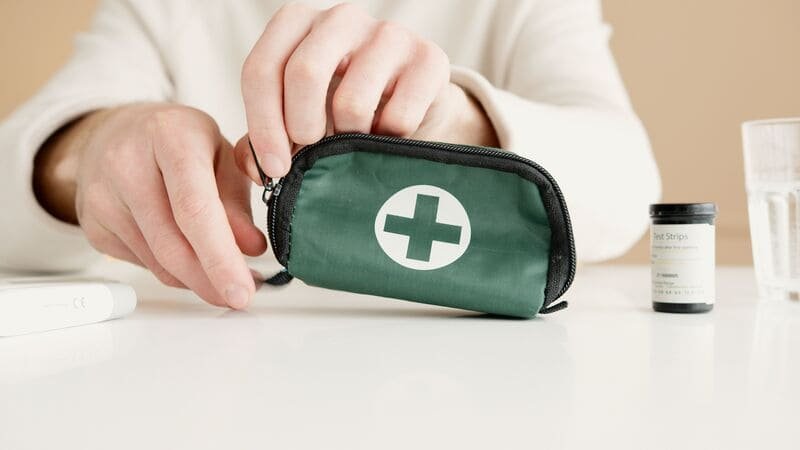
Check whether:
- The contents match the supplier’s list
- Packages are sealed and undamaged
- Expiry dates are acceptable
- Labels are readable
- Gloves and dressings are the promised sizes
- Pockets and dividers hold items in place
- Zippers, handles, hinges, or latches work properly
- The kit fits its planned shelf, wall, cabinet, or vehicle space
- A person can find important items quickly
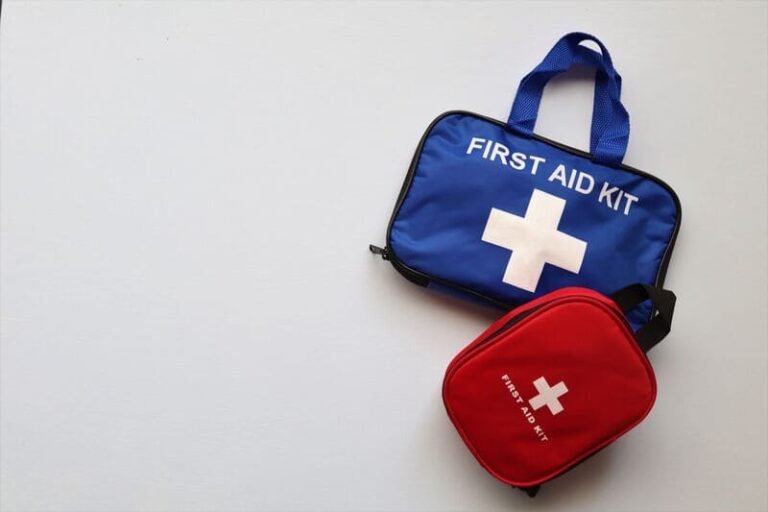
A compact first aid case may fit a vehicle or small room. An Oxford medical emergency bag is easier to carry between work areas. Neither style is automatically better; the workplace decides which one makes sense.
Who Will Check and Refill the Kit?
This part is easy to forget because it happens after the purchase.
Choose one person or team to check each kit. They should replace used items, remove damaged or expired supplies, and record what needs to be reordered.
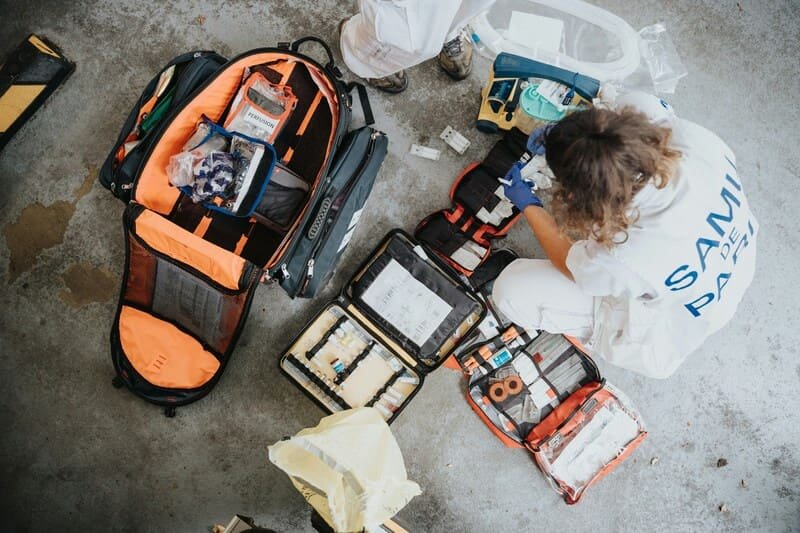
The checking schedule depends on how often the kit is used. A kit in a busy factory may need attention more often than one in a small office. It should also be checked after use and whenever the workplace changes.
A full kit can slowly become an empty case if nobody owns this job.
Be Careful with These Sales Claims
- “100-person kit”: This is only a rough guide. It does not consider workplace risks, layout, or shifts.
- “OSHA compliant”: Ask what supports the claim. OSHA does not approve one universal box.
- “Waterproof”: Ask whether this means the whole case or only its main material.
- “Same as the sample”: Require approval before the supplier changes an item, size, label, or case.
Frequently Asked Questions
Is one large kit better than several small kits?
Usually only when everyone can reach it quickly. Separate floors, buildings, vehicles, or work zones often need separate kits.
How often should a workplace first aid kit be checked?
Check it regularly, after use, and when working conditions change. The person responsible should replace used, damaged, or expired items.
Should we buy the bag first or choose the contents first?
Decide where the kit will be used and what supplies are needed, then choose a case that holds them and fits the storage location.
Final Checklist
Before approving a workplace first aid kit, make sure you can answer yes to these questions:
- Does this kit suit the workplace and likely injuries?
- Is the case the right style for its location?
- Can workers reach it quickly?
- Is the full contents list clear?
- Are labels and expiry dates easy to check?
- Can used items be reordered?
- Has the real sample been inspected?
- Does someone know when and how to refill it?
If those answers are clear, buying the kit becomes much simpler. You are no longer choosing the box with the biggest number on the label. You are choosing a kit people can find, understand, maintain, and actually use when it is needed.
[OSHA, “Medical Services and First Aid—1910.151”](https://www.osha.gov/laws-regs/regulations/standardnumber/1910/1910.151) — US rule requiring adequate first aid supplies to be readily available. ↩
[OSHA, “First Aid Kits—Appendix A to 1910.151”](https://www.osha.gov/laws-regs/regulations/standardnumber/1910/1910.151AppA) — Guidance on workplace-specific supplies and kit quantities. ↩
[ISEA, “ANSI/ISEA Z308.1-2026 First Aid”](https://safetyequipment.org/first-aid-standard/) — Current US workplace first aid kit standard. ↩
[HSE, “What to Put in Your First Aid Kit”](https://www.hse.gov.uk/simple-health-safety/firstaid/what-to-put-in-your-first-aid-kit.htm) — UK guidance on needs, contents, expiry dates, and replacement. ↩