When it comes to workplace safety, one of the most common questions I get from medical equipment distributors is: "What should be in a first aid kit?" It sounds simple, but the answer isn't one-size-fits-all. Workplace first aid kits need to be tailored to specific industry risks1, yet many distributors rely on generic checklists—which can lead to overlooking critical items.
A workplace first aid kit should include items tailored to industry-specific risks, such as burn treatments for manufacturing, eyewash stations for chemical handling, or trauma supplies for construction sites. Generic kits fail to address the unique hazards of different workplace environments. Customization is key to ensuring effective emergency response.
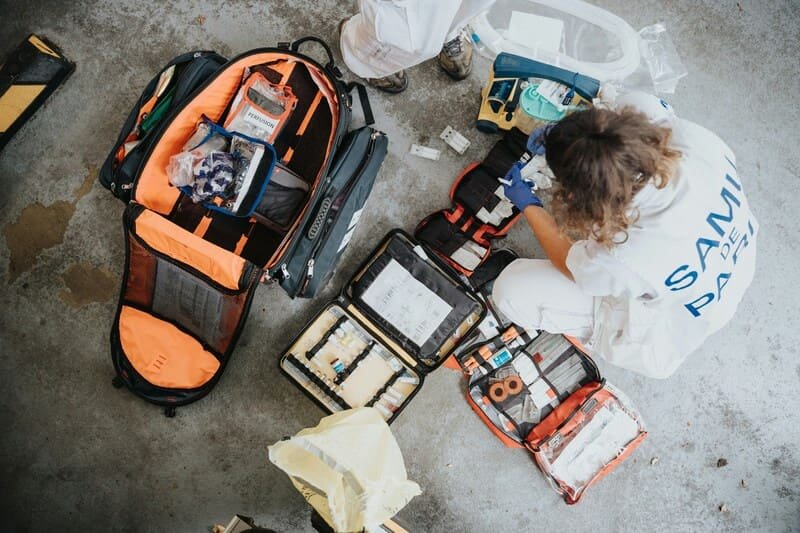
It’s not just about what’s inside the kit—it’s about matching the contents to the real-world needs of a workplace. Below, I’ll explain how to avoid common pitfalls with generic kits and share a checklist approach that distributors can use to guide their clients toward smarter first aid solutions.
Why Do Workplace First Aid Kits Need Customization?
No two workplaces are identical. While a basic first aid kit works for low-risk environments like offices, it’s a different story for high-risk industries like manufacturing, construction, or chemical processing.
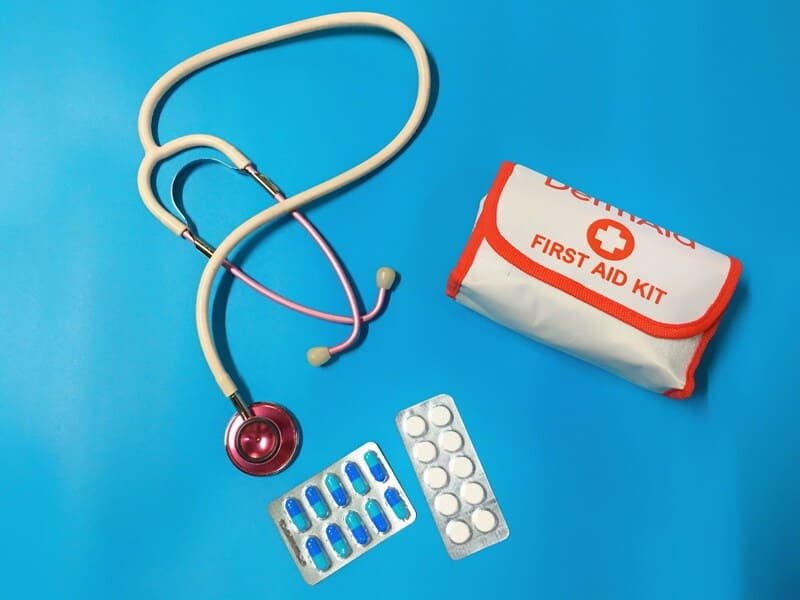
A customized first aid kit addresses industry-specific hazards directly2, ensuring workers have access to the right tools during emergencies. Relying on generic kits may lead to fatal gaps in coverage.
Dive deeper:
Examples of Workplace-Specific Hazards
Different industries require tailored solutions. Here’s how risks differ across common settings:
- Manufacturing facilities: Machines pose crush injuries or burns. Include wound dressings, burn treatments, and trauma pads.
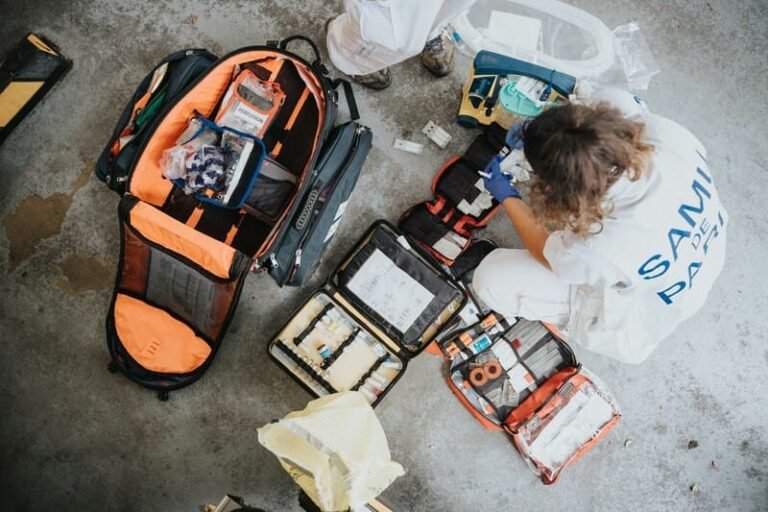
- Construction sites: High risk for falls, fractures, and heavy bleeding. Stock trauma kits with splints, tourniquets, and trauma bandages.
- Chemical plants: Risks include chemical burns or eye irritation. Eyewash stations and neutralizing agents are a must.
- Warehouses: Slip-and-fall injuries dominate. Adhesive bandages and ice packs should be prioritized.
- Office spaces: Lower risks mean basic items, like adhesive bandages, antiseptic wipes, and cold compresses, may suffice.
Helping your clients understand these differences is vital for building trust and delivering value.
What Items Should Be Included in First Aid Kits for Specific Workplaces?
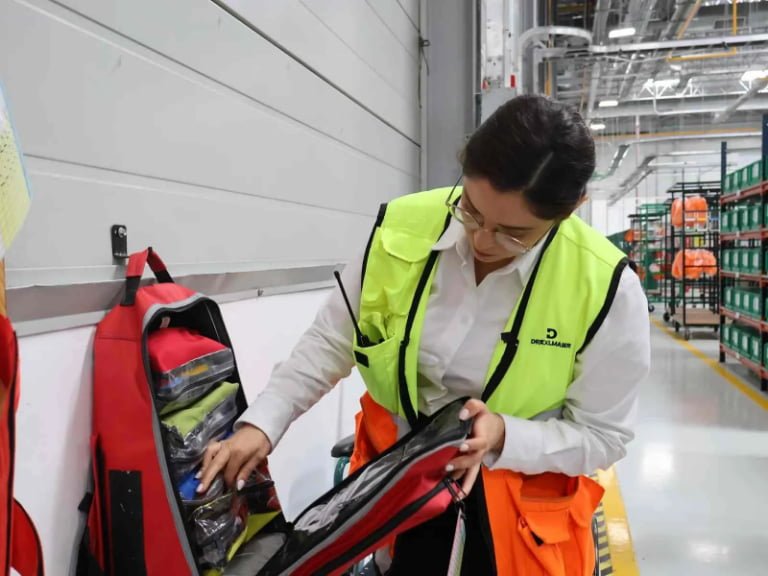
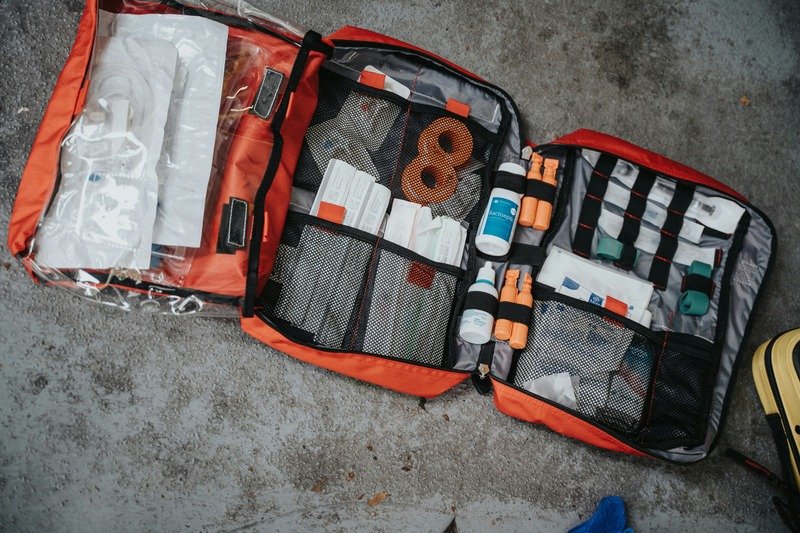
Every workplace first aid kit starts with the basics: bandages, antiseptics, gauze, gloves, and scissors. But for higher-risk workplaces, that list expands significantly—sometimes requiring specialized supplies.
Each workplace first aid kit should contain basic items for minor injuries, along with resources tailored to relevant risks. For instance, trauma pads should be added for construction, while burn gel is crucial for manufacturing sites.
Dive deeper:
Checklist of Commonly Needed Items
Here’s a checklist of items to include based on workplace environments:
| Workplace Type | Key Hazards | Recommended Additions |
|---|---|---|
| Manufacturing Facilities | Burns, crush injuries | Burn gel, trauma dressings, finger splints |
| Construction Sites | Falls, heavy bleeding | Tourniquets, splints, trauma dressings |
| Chemical Plants | Eye injuries, chemical burns | Eyewash stations, neutralizers, gloves |
| Warehouses | Slip-and-fall injuries | Ice packs, adhesive bandages |
| Offices | Minor cuts, bumps | Basic adhesive bandages, cold compresses |
This checklist simplifies the decision-making process for distributors and ensures their clients are aware of critical workplace-specific items.
How Can Medical Equipment Distributors Add More Value?
A common problem I’ve seen is distributors offering generic kits without considering customization options. This creates inefficiency and gaps in workplace safety.
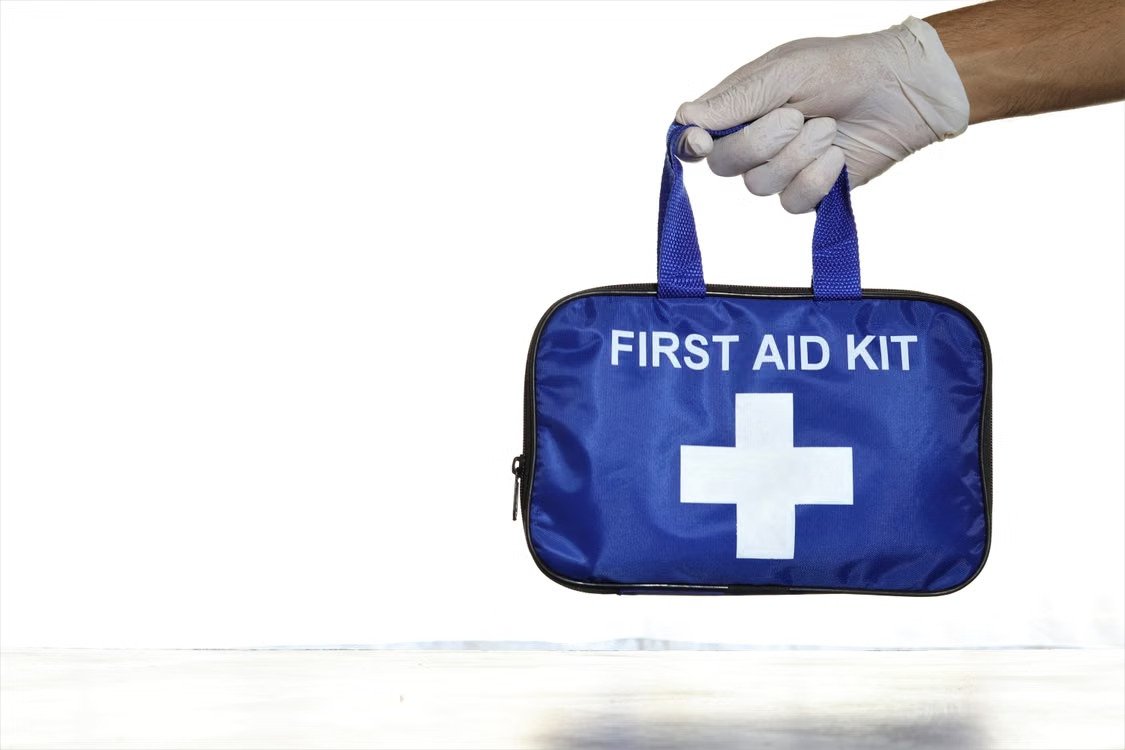
Distributors can differentiate themselves by offering first aid kit customization services, tailored to workplace needs. Show clients that you understand their environment and risks, and they'll trust you as a reliable supplier.
Dive deeper:
Practical Ways to Offer Customization
Here’s how distributors can create more value:
- Industry-specific consultation: Work with clients to identify workplace hazards that require tailored kit contents.
- Custom certifications: Provide kits with regulatory certifications, such as OSHA-compliance (if relevant in their region).
- OEM branding and labeling: Some clients prefer branded kits with their logo for professional credibility.
- Flexible bundling options: Offer kits as modular solutions, allowing your clients to select additional items for higher-risk environments.
By investing in these options, you can turn a simple first aid kit order into a long-term business relationship.
What About Storage and Accessibility?
Even the perfect first aid kit is useless if it’s not accessible during an emergency. Yet many workplaces overlook this issue entirely.
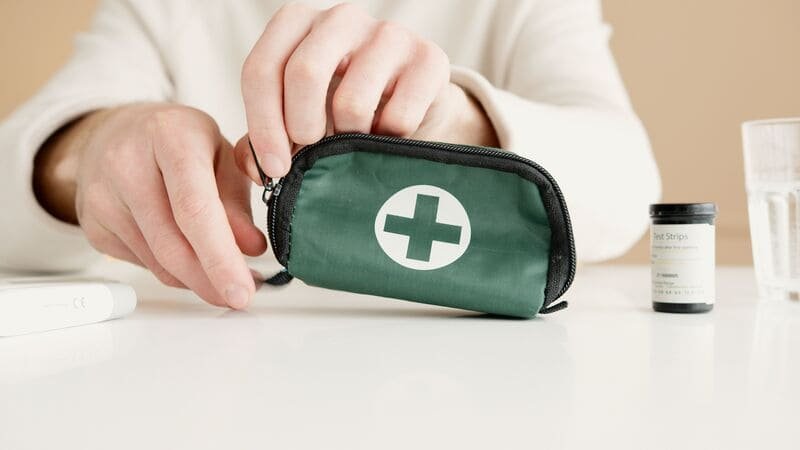
Storage location and accessibility are critical factors in ensuring first aid kits can be used effectively. Emergency kits should be clearly marked, easily accessible, and protected from damage.
 Dive deeper:
Tips for Workplace Kit Placement
Consider the following:
- Easy visibility: All kits must be clearly marked and located where staff can access them without delay.
- Weatherproof containers: For outdoor work sites, kits should be stored in durable, weatherproof cases.
- Regular inspections: Items like gloves or antiseptics can expire. Schedule checks to replace expired items.
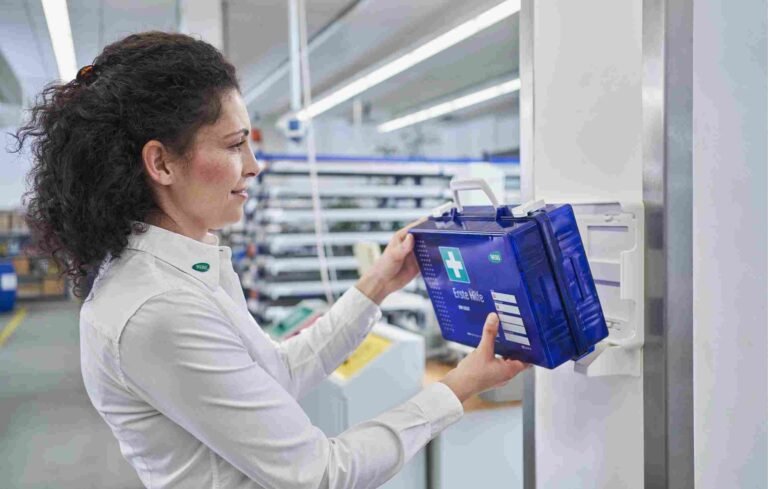
- Dedicated storage hardware: Install wall-mounted boxes or portable cabinets3, depending on workplace layout.
Taking these steps ensures that the tools your clients need—whether for minor injuries or life-threatening emergencies—are truly ready when it matters.
Frequently Asked Questions
What’s typically missing in generic first aid kits?
Items like burn treatments, eyewash stations, trauma supplies, splints, or tourniquets are often absent4. These omissions can be critical depending on the workplace environment.
How often should workplaces check and restock their kits?
Kits should be inspected quarterly5. Restocking depends on usage frequency, environmental conditions, and expiration dates of individual items.
Are OSHA-approved kits the same for every industry?
No, OSHA standards vary based on industry risks6. Always confirm that first aid kits meet specific regulatory requirements for the client’s sector.
Can distributors offer branded, customized first aid kits?
Yes, OEM branding is an excellent option to add value and meet professional presentation demands.
Are portable kits enough for outdoor worksites?
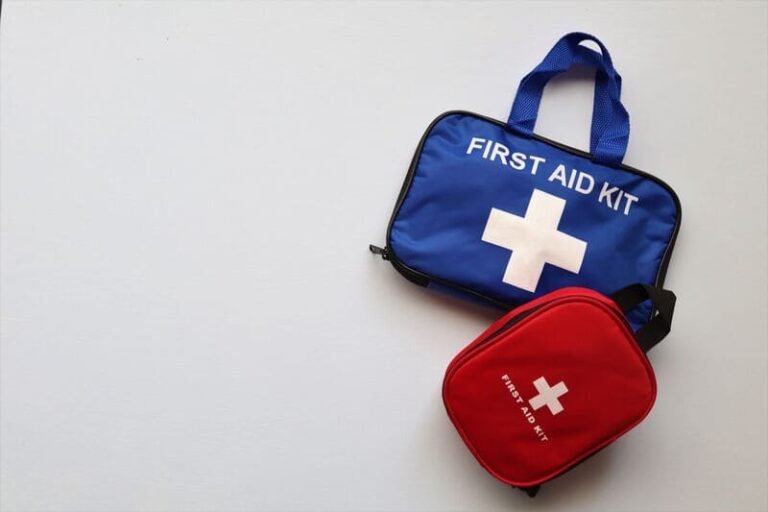
Portable kits can be a solution7, but they should be stored in weatherproof cases and strategically placed for easy access.
Conclusion
Building the perfect workplace first aid kit requires customization, attention to environment-specific risks, and practical placement. Generic kits may provide a basic starting point, but they fail to meet industry-specific needs. Distributors should focus on offering tailored solutions that match the unique hazards of manufacturing facilities, construction sites, chemical plants, and beyond.
This approach not only improves workplace safety but also positions distributors as trusted partners in emergency preparedness. Ready to elevate your product offerings? Contact us today to explore tailored options for B2B workplace first aid kits.
References
North American Rescue. “Workplace Medical Kits.” https://www.narescue.com/community-preparedness-products/workplace-medical-kits.html ↩
Vestis. “The Importance of a Fully Managed Workplace First Aid Kit.” https://www.vestis.com/the-importance-of-a-fully-managed-workplace-first-aid-kit ↩
Mayo Clinic. “First-Aid Kits: Stock Supplies That Can Save Lives.” https://www.mayoclinic.org/first-aid/first-aid-kits/basics/art-20056673 ↩
PubMed. “Worldwide Regulation of the Medical Emergency Kit and Its Contents in Commercial Aviation.” https://pubmed.ncbi.nlm.nih.gov/38790131/ ↩
UT Austin EHS. “First Aid Kit.” https://ehs.utexas.edu/working-safely/first-aid-kit ↩
OSHA. “Medical and First Aid Standards.” https://www.osha.gov/medical-first-aid/standards ↩
Adventure Medical Kits. “Portable First Aid Kits.” https://adventuremedicalkits.com/ ↩