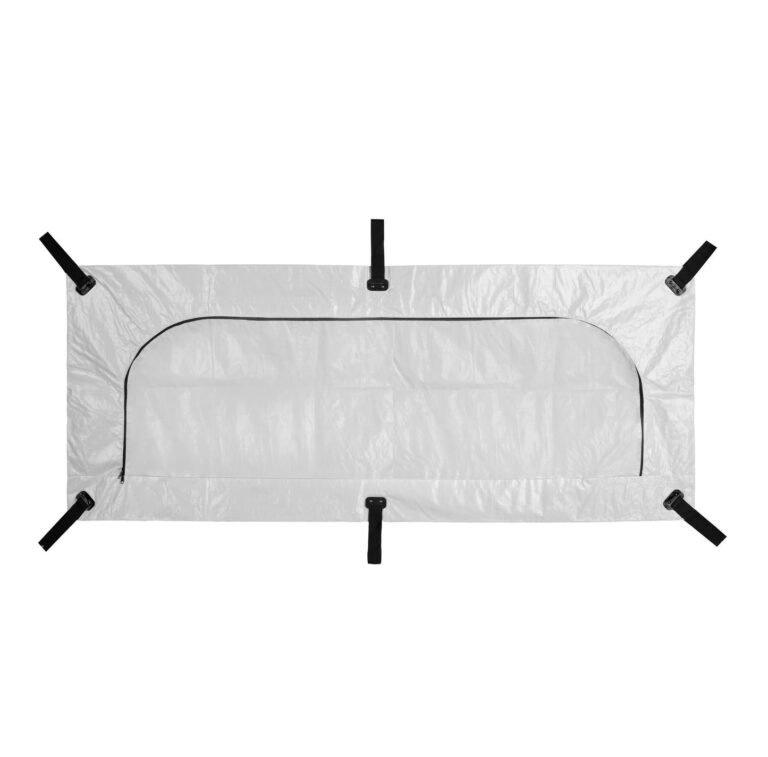
Choosing a body bag is mostly about matching it to the job. A hospital or funeral service handling routine transfers may need a different size and setup from a team that works in cold conditions or follows a special infection-control plan.
The quick guide: start with who will use the bag and where it will go. Then compare its size, stated load capacity, material, closure, and handles. Those details tell you much more than the product name alone.
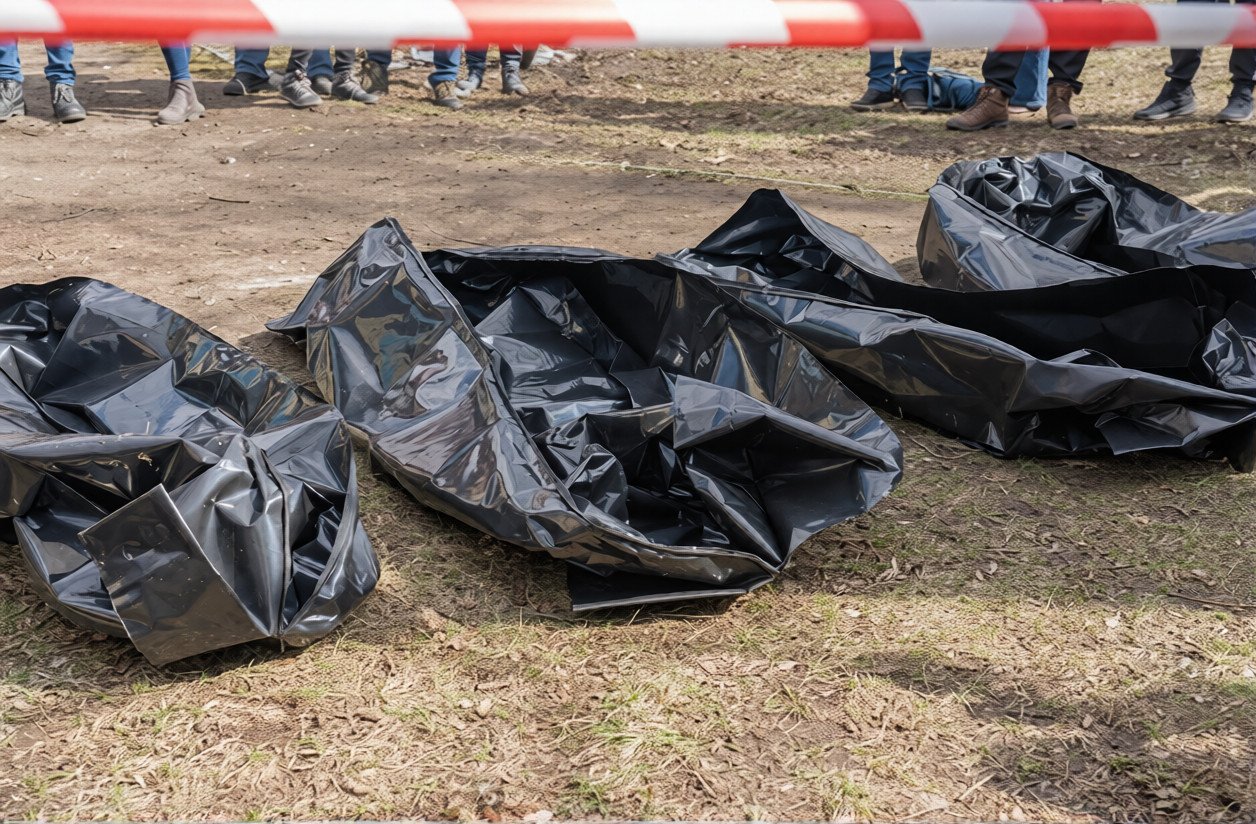
Which Type Do You Need?
Most buyers can begin with the situation they need to cover:
- Standard adult: for routine storage and transfer.
- Larger adult: look for more room and a load rating that suits the expected use.
- Pediatric: choose a smaller size made for infants or children.
- Special containment: follow the relevant local infection-control or transport guidance.
There is no one size or setup that fits every service. If a bag is intended for a specific high-risk infectious disease, use the applicable guidance. The CDC’s viral hemorrhagic fever guidance1, for example, describes a special multi-bag setup.
PVC, PEVA, or Another Material?
The names sound similar, but PVC and PEVA are different plastics.
PVC stands for polyvinyl chloride. The European Council of Vinyl Manufacturers’ explanation of flexible PVC2 notes that plasticizers are added to make PVC soft and flexible. The choice of additives affects how the finished material feels and performs.
PEVA is commonly used for a copolymer made from ethylene and vinyl acetate, as explained in Dow’s EVA material information3. Its polymer structure does not contain chlorine, unlike PVC. That is a difference in composition. It does not, by itself, prove a bag is safer, stronger, or more environmentally friendly; those claims depend on the whole product and its documentation.
So what does that mean when you are choosing a body bag? Both materials can be made into flexible bags, and neither name guarantees a particular load capacity or level of leak resistance. The seams, closure, handles, thickness, and the finished design all matter.
Here is a useful comparison from Jiekang’s own product listings:
| Listed specification | PVC body bag YJK-GSD-01 | PEVA body bag YJK-GSD-02 |
|---|---|---|
| Unfolded size | 92 × 239 cm | 92 × 239 cm |
| Product weight | 1.22 kg | 2.2 kg |
| Listed load capacity | 140 kg | 160 kg |
| Listed construction/features | Heat-sealed, zipper, rated to -35°C | Heat-sealed, multiple handles, label pocket, puncture-resistant feature, rated to -35°C |
The PVC model is lighter in this comparison; the PEVA model has a higher stated load capacity and lists multiple handles. Those are differences between these two models—not a rule that PVC bags are lighter or PEVA bags always carry more. If you are deciding between them, compare the exact product configuration and choose the features that fit your team’s work.
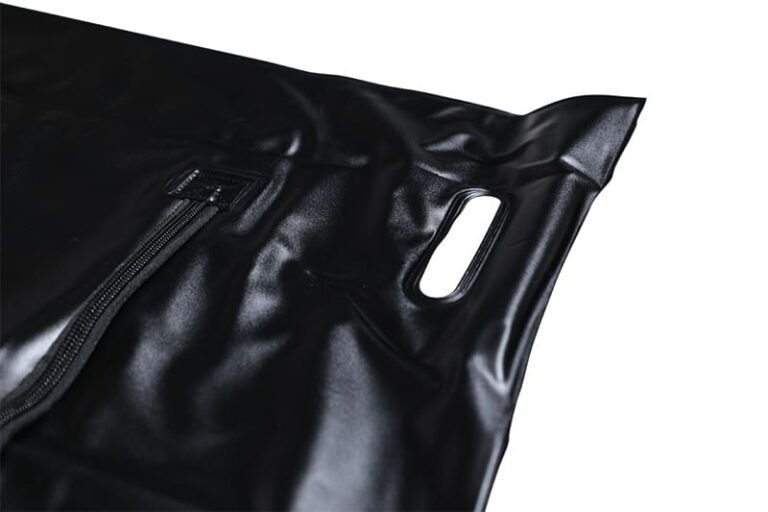
In plain terms: choose PVC or PEVA as a starting point, then compare the actual bag. The model’s weight, load rating, closure, handles, and temperature range are more useful than assumptions based on the material name.
How to Choose the Right Size
Length matters, but width is easy to overlook. Think about the people your service needs to accommodate and whether staff can close the bag comfortably. For pediatric or larger-adult use, choose a model made for that size rather than relying on a general “adult” label.
Also consider where the bags will be stored. A folded bag that fits neatly in a vehicle or supply room is easier to keep on hand. If the storage space is tight, check the packed dimensions before ordering.
Which Features Matter in Daily Use?
Start with the load rating and make sure it suits the expected use. Handles and seams matter because they carry the load along with the bag itself. A clearly stated capacity is more useful than a vague “heavy duty” description.
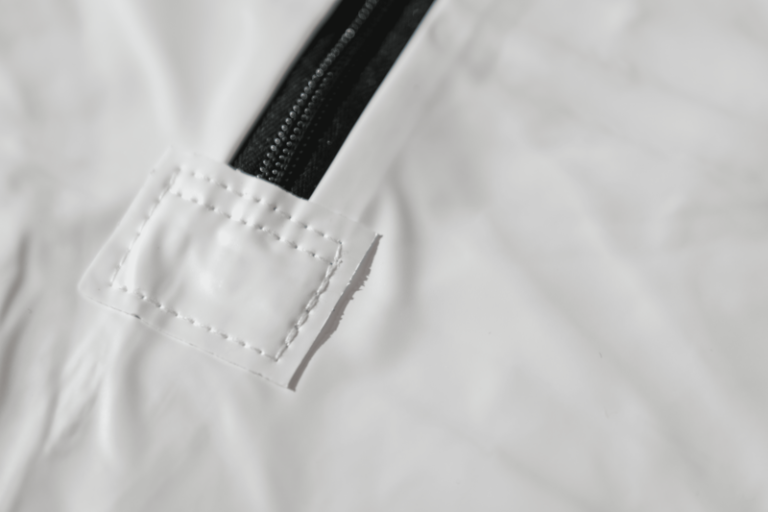
Next, look at the zipper and closure. Is the opening practical for the way your team works? Are the seams and closure appropriate for the level of containment you need? If identification is part of your process, an ID pocket or label area can also be useful.
For bags kept in cold storage or vehicles, check the manufacturer’s stated temperature range. There is no need to compare every technical detail if it does not affect your use; focus on the few requirements your team actually has.
A Quick Check Before Ordering
Before placing an order, make sure you know:
- The intended use and size you need.
- The model’s stated load capacity.
- Its material, closure, and handle design.
- Whether it suits your storage and cleaning requirements.
- What comes with the bag, such as an ID pocket or tags.
The product pages list the dimensions and capacities for each model. If you need a different size or configuration, ask the supplier what options are available.
Frequently Asked Questions
Is PVC or PEVA better for a body bag?
Neither material is automatically the better choice. Compare the complete product, including its size, load rating, closure, handles, and intended use.
What size is a standard adult body bag?
There is no single size used by every supplier. Check the model’s dimensions and choose one that suits the people and storage space involved.
Is a “heavy duty” body bag enough for higher loads?
Use the manufacturer’s stated load capacity for the exact model. A general label is not a substitute for a number.
Do infectious remains need a special body bag?
Some situations have specific local requirements. Follow your organization’s guidance for the case rather than assuming a general-purpose bag is suitable.
The Takeaway
Choose the size and setup for the work your team actually does. Then check the product’s load rating, closure, handles, and storage needs. A clear model specification makes it easier to compare options and order with confidence.
[“Safe Handling of Human Remains of VHF Patients in U.S. Hospitals and Mortuaries”](https://www.cdc.gov/viral-hemorrhagic-fevers/hcp/infection-control/guidance-for-safe-handling-of-human-remains-of-vhf-patients-in-u-s-hospitals-and-mortuaries.html), CDC. Specific containment guidance for viral hemorrhagic fever cases. ↩
[“Plasticisers”](https://pvc.org/about-pvc/pvc-additives/plasticisers/), European Council of Vinyl Manufacturers. Explains why plasticizers are used to make PVC flexible. ↩
[“ELVAX™ 460 Ethylene Vinyl Acetate Copolymer”](https://www.dow.com/en-us/pdp.elvax-460-ethylene-vinyl-acetate-copolymer.1893117z.html), Dow. Identifies EVA as an ethylene-vinyl acetate copolymer. ↩