Struggling to understand the high price of hospital stretchers? You see the numbers but question the value. Let's break down exactly what you are paying for.
The price of a hospital stretcher is a direct reflection of its investment in patient safety, regulatory compliance, and specialized design. These factors include high-grade materials that prevent failure, mandatory certifications like CE/FDA for legal market access, and features engineered to reduce risk in critical medical situations.

It's easy to look at a stretcher and see a simple frame with wheels and a mattress. But as someone who works with procurement managers every day, I can tell you that the most critical components of its cost are the ones you can't see. The price tag isn't just for the physical product; it's for the assurance, reliability, and risk mitigation built into every part. Understanding these hidden layers is the key to making a smart, defensible purchasing decision. Let's peel back those layers together.
Are better materials really worth the extra cost?
You see a quote for a stretcher using standard aluminum and another, more expensive one using a high-grade alloy. The cheaper option is tempting. But what if that choice leads to equipment failure during a critical patient transfer? Understanding material science is key to avoiding this risk.
Absolutely. High-grade materials like specific aluminum alloys prevent bending under load1, while antibacterial coatings reduce infection risk and precision welding ensures durability. These aren't luxury upgrades; they are fundamental choices for patient safety, directly impacting long-term reliability and your operational costs.
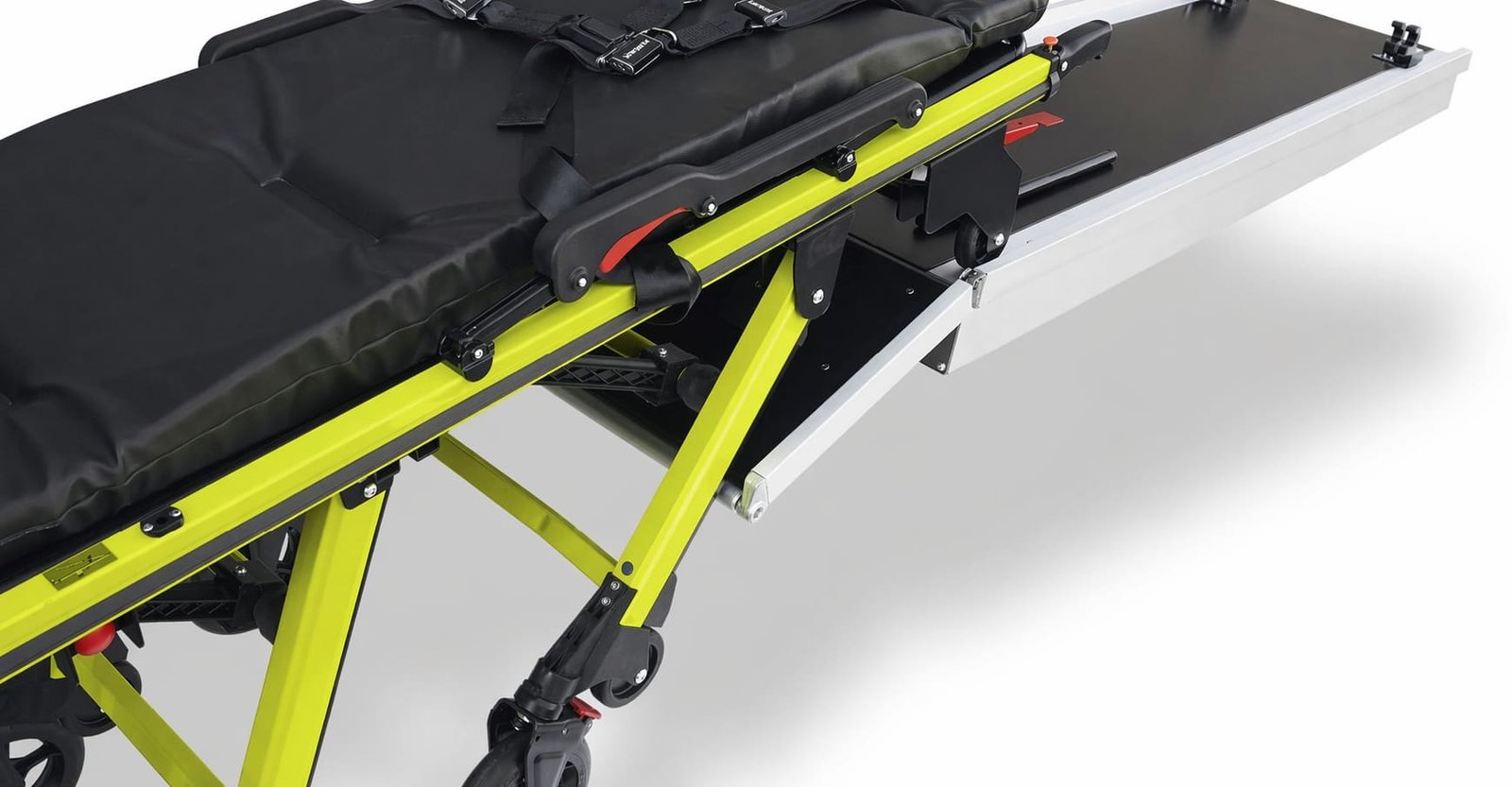
When we discuss materials with our clients, we often explain that the choices go far beyond the surface appearance. A stretcher's frame isn't just any metal. We use specific grades of aluminum alloy, like 6061, not because it's shiny, but because it offers the best strength-to-weight ratio. This prevents the frame from buckling under the dynamic weight of a patient and equipment, a risk that is simply not acceptable. Cheaper metals might save money upfront but introduce a serious potential for failure. The same logic applies to coatings. The powder coating on our stretchers includes antibacterial agents. This isn't a feature we list in a big font, but it's a critical detail that helps combat hospital-acquired infections. It's a built-in safety measure. These "invisible" choices define the line between a standard product and a true piece of medical equipment.
| Material Aspect | Standard/Cheaper Option | Medical-Grade Choice & Justification |
|---|---|---|
| Frame Alloy | Basic steel or low-grade aluminum | 6061 Aluminum Alloy: High strength-to-weight ratio prevents bending and failure under stress. |
| Coatings | Standard paint | Antibacterial Powder Coating: Helps reduce the spread of infections, a critical concern in healthcare settings. |
| Welding | Basic spot welding | Precision TIG Welding: Creates stronger, more durable joints that withstand thousands of use cycles and impacts. |
Why do certifications add so much to the price?
You get a quote, and the supplier mentions CE or ISO 13485 certification. It feels like expensive paperwork. But trying to import or sell without it can get your shipment seized and expose your company to massive legal liability. This isn't an optional add-on; it's your ticket to operate.
Certifications are not product features; they represent a significant, non-negotiable cost for legal market access and safety assurance.2 The price includes rigorous third-party testing, audited manufacturing processes, and extensive documentation. You are directly purchasing compliance and mitigating risk for your business.
A common point of confusion for new buyers revolves around the cost of compliance. They ask, "Why is this certified stretcher more expensive than a similar-looking uncertified one?" The answer is that certification is a continuous and costly process. Achieving a standard like ISO 13485 (for medical device quality management systems)3 or getting a CE mark for Europe requires a huge investment. It involves outside auditors examining every step of our manufacturing process, from raw material sourcing to final inspection. We have to maintain meticulous records for every single stretcher we produce—what materials were used, who assembled it, and the results of its quality tests. This documentation, known as a Device History Record4, is essential for traceability. Should an issue ever arise, we can trace it back to its source. This entire system costs money to build and maintain, and that cost is part of the stretcher's price. It's not a profit center; it’s a required cost of doing business responsibly.
| Compliance Factor | What It Means for the Manufacturer | What It Means for You (The Buyer) |
|---|---|---|
| ISO 13485 | Audited quality management system. | Assurance of consistent manufacturing quality and process control. |
| CE/FDA | Product passes specific safety and performance tests. | Legal right to sell in the EU/USA and protection from liability5. |
| Traceability | Meticulous record-keeping for every unit. | Full accountability and quick problem resolution if an issue occurs. |
Aren't advanced features just expensive luxuries?
A basic stretcher just needs to transport a patient, right? But then you consider the high rates of back injuries among paramedics and nurses, or the risk of moving a trauma patient for an X-ray. Suddenly, those "luxury" features look like essential risk-management tools.
Advanced features are not luxuries; they are engineered solutions for high-stakes scenarios. Hydraulic lifts protect caregivers from career-ending back injuries6, while radiolucent platforms allow X-rays without moving and potentially harming the patient. These designs reduce real-world risks and costs.
 When designing a stretcher, we think about the specific problems medical teams face. The features that result might increase the price, but they solve expensive and dangerous problems. For example, a hydraulic or electric lift system isn't there to look impressive. It's there to prevent caregiver back injuries, which are a leading cause of staff absence and workers' compensation claims in healthcare. The cost of one such claim can easily exceed the price difference between a basic and a hydraulic stretcher. Another example is a radiolucent backboard or platform. This allows hospital staff to take X-rays of a trauma patient without moving them off the stretcher, minimizing the risk of aggravating a spinal injury. These aren't just "nice-to-have" conveniences. They are carefully considered engineering decisions that directly improve patient outcomes and protect staff. Investing in these features is an investment in a safer and more efficient work environment.
| Advanced Feature | The Problem It Solves | The Hidden Cost It Prevents |
|---|---|---|
| Hydraulic/Electric Lift | Caregiver strain from lifting heavy patients7. | Staff injuries, workers' compensation claims, and staff shortages. |
| Radiolucent Platform | Needing to move an unstable patient for imaging. | Risk of secondary injury to the spine or internal organs8. |
| One-Person Operation | Tying up two responders for simple transport. | Reduced efficiency; one less caregiver available for other critical tasks. |
Does the supplier's reliability really affect the price?
An offer from a new, unvetted supplier is 20% cheaper. It's a very tempting number. But what happens when your delivery is three months late, or the first batch has quality issues and the supplier is unresponsive? Suddenly, that 20% savings looks like a very expensive mistake.
Yes, significantly. The price from a reliable manufacturer includes the built-in cost of a stable supply chain, responsive OEM/ODM support, and dependable after-sales service. It’s an investment in a partnership that ensures you get what you need, when you need it.

As a factory-direct manufacturer, we know that the final price reflects more than just the product. It includes the promise of partnership. Our price has a margin built in for supply chain stability. This means we have safety stock of key components, so a single delayed shipment from one of our own suppliers doesn't halt our entire production line and delay your order. It also includes the cost of our experienced sales and engineering teams. When you come to us for an ODM project, you're not just getting a product; you're getting access to our expertise to help design a stretcher that meets your specific needs. And after the sale, if you need a spare part or have a question, our responsive customer service is part of the package. A lower price from an unknown trading company often omits these things. They are a broker, not a partner. The price you pay us is for a reliable, long-term supply chain solution, not just a one-time transaction.
| Aspect of Reliability | The Hidden Risk of a Cheaper Supplier | The Value Included in Our Price |
|---|---|---|
| Supply Chain | Unexpected delays, stockouts, inconsistent quality9. | Guaranteed production timelines and consistent product quality. |
| Customization (OEM/ODM) | Limited or no ability to modify the product. | Expert engineering support to create a product for your exact market needs10. |
| After-Sales Support | Unresponsive or nonexistent when issues arise. | Quick access to spare parts, technical support, and problem resolution11. |
Conclusion
A hospital stretcher's price reflects its safety, compliance, and reliability. Choosing the right one is an investment in long-term value and risk management for your patients and staff.
This source explains the mechanical properties and applications of aluminum alloys, including their role in improving durability and safety. ↩
This source outlines the importance of CE and ISO certifications for medical device safety and legal compliance. ↩
This source explains the role of ISO 13485 in medical device quality management. ↩
This source explains the concept of Device History Records and their importance in medical device traceability and compliance. ↩
This source outlines the legal requirements for medical device sales in the EU and USA, including CE and FDA-related requirements. ↩
This source discusses the ergonomic benefits of hydraulic systems in medical equipment and their role in reducing caregiver injuries. ↩
This source discusses the prevalence of musculoskeletal injuries among healthcare workers and the role of assistive devices in prevention. ↩
This source examines the risks of patient movement during medical imaging and the benefits of immobilization techniques. ↩
This source discusses supply chain risks in medical device manufacturing and their impact on product availability and quality. ↩
This source highlights the role of engineering customization in medical device design and its impact on meeting specific market requirements. ↩
This source explains the importance of after-sales support in medical device reliability and customer satisfaction. ↩