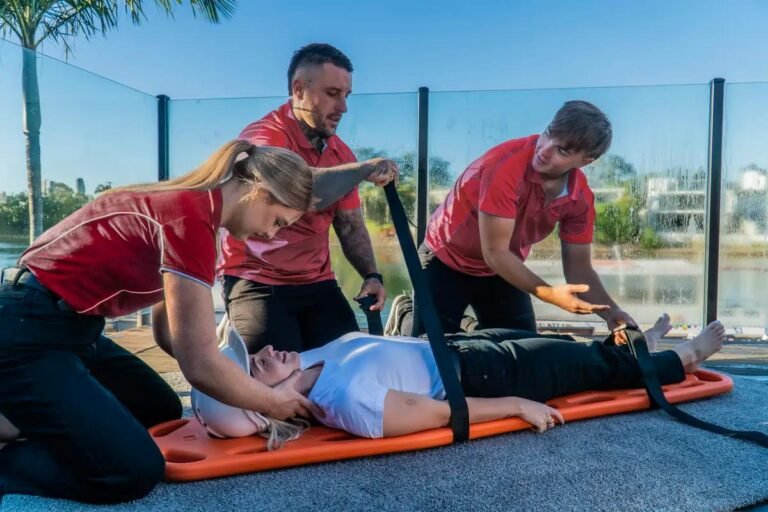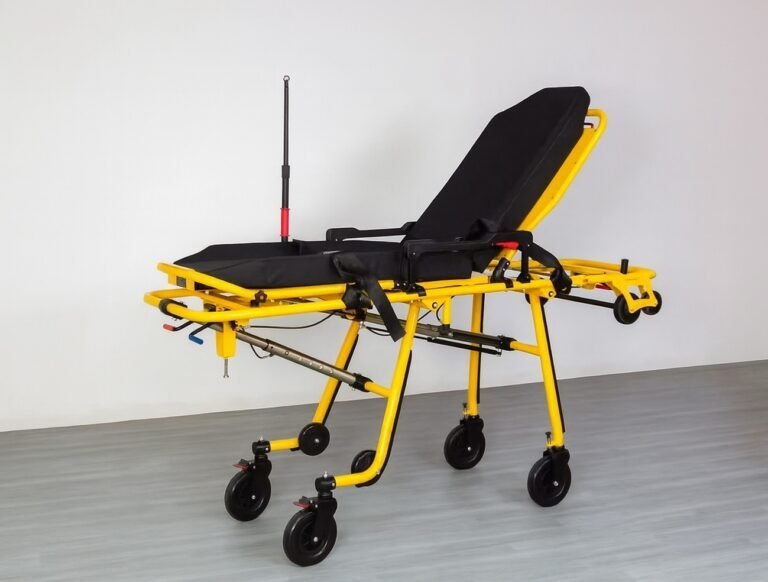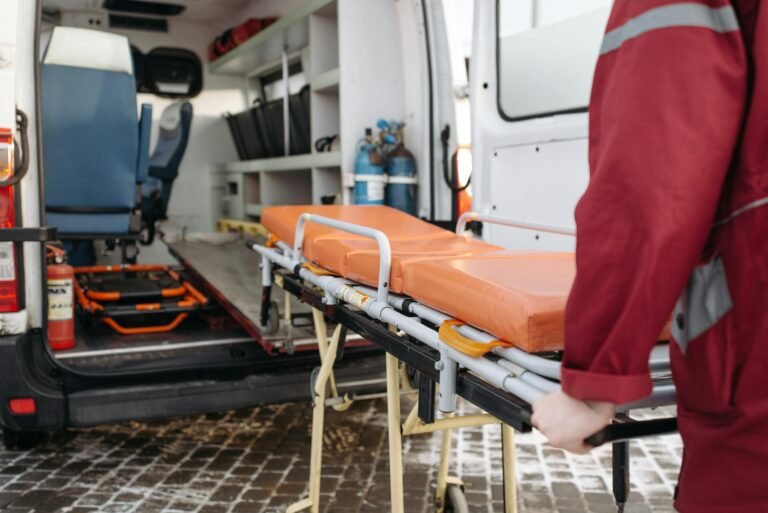
Confused by terms like Stokes basket, litter, and stretcher? You're trying to find the right equipment, but the names all seem the same. This can lead to costly purchasing mistakes.
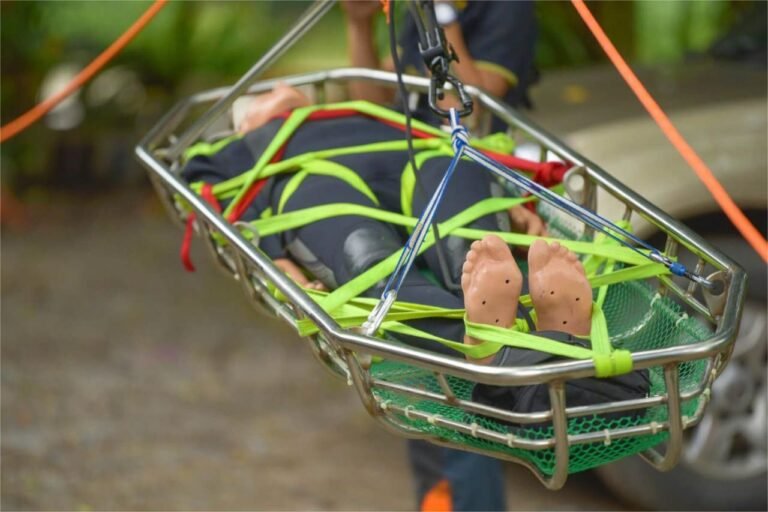
A Stokes basket, often called a rescue litter or basket stretcher, is a device for securely moving a patient in difficult rescue situations. It's defined not by one name, but by its materials, construction, and features, which determine its best use, from industrial to mountain rescue.
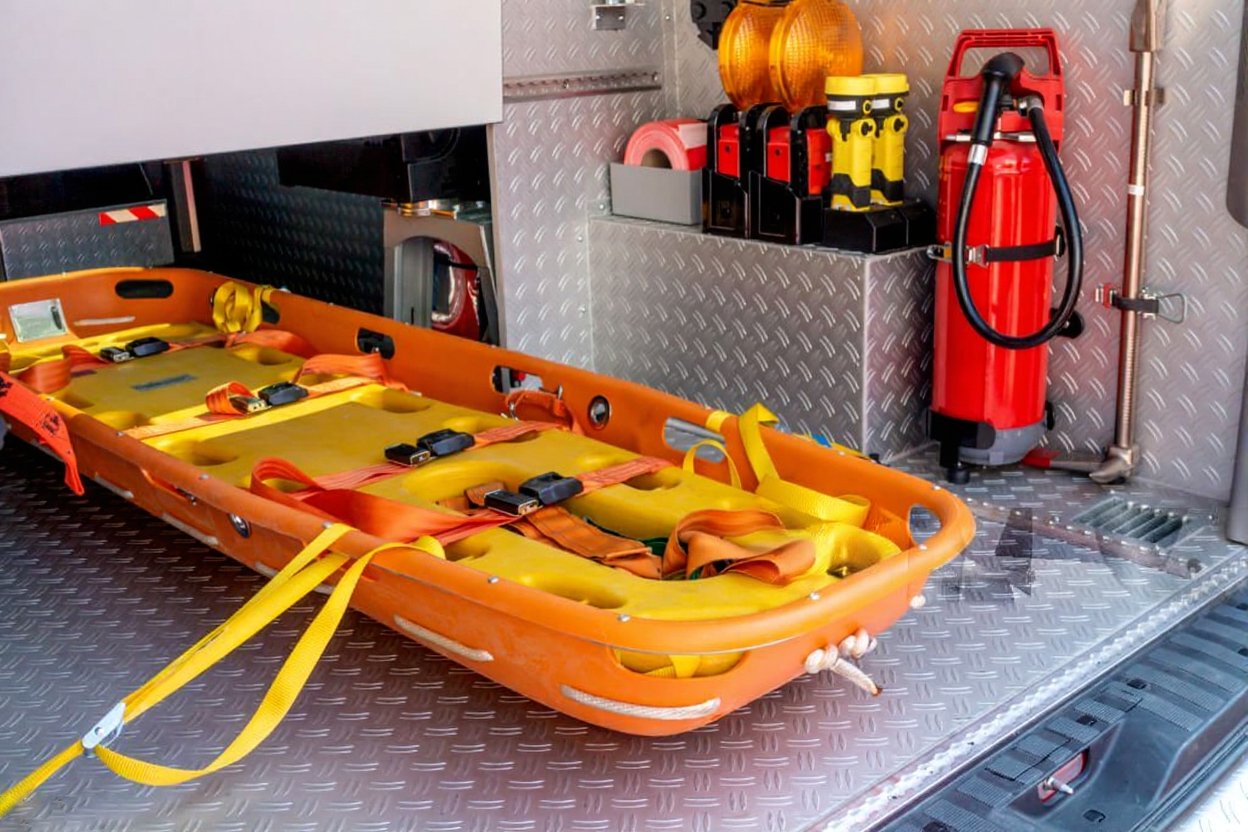
Understanding these terms is the first step. But to make a smart choice for your team or business, you need to look deeper. It's not about the name on the box. It's about what the stretcher is made of and how it's built. As a product specialist at a manufacturing company, I've learned that the true definition lies in the details. Let's break down the components that really matter for buyers and users.
How Do Materials Define a Basket Stretcher's Purpose?
Choosing the wrong material can mean a stretcher fails in a critical environment. You need durability, but also portability. How do you balance these needs for your specific application?
Materials directly impact a basket stretcher's performance. High-density polyethylene (HDPE) is lightweight and ideal for helicopter or mountain rescue.1 Stainless steel offers extreme durability and is perfect for industrial, marine, or fire rescue settings where toughness is the priority.2
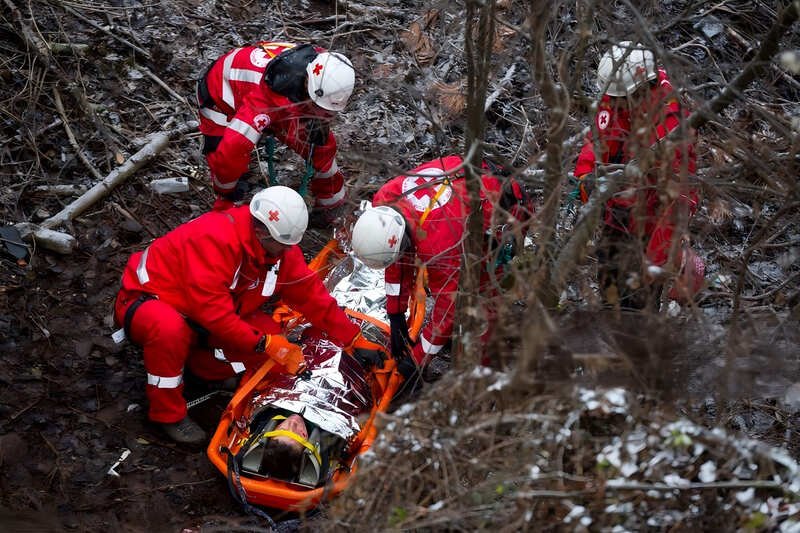
From our perspective as a manufacturer, material selection is the first and most critical decision in designing a basket stretcher. It sets the stage for the product's entire life cycle, from its performance in the field to its longevity. When our clients come to us with a need, the first question we ask is, "Where will you be using it?" The answer dictates the material.
Polyethylene (PE/HDPE): The Modern Standard
High-density polyethylene is a type of tough plastic that has become incredibly popular. Its main advantage is its low weight. This is a huge factor for helicopter rescue operations where every kilogram counts. It is also excellent for mountain or trail rescue teams who have to carry their equipment over long distances. Besides being light, PE is resistant to rust and corrosion, and it’s relatively easy to slide over rough surfaces. Cleaning and decontamination are also straightforward, which is a major plus for any emergency medical service.3
Metals (Stainless Steel): The Industrial Workhorse
On the other hand, we have metal frames, most commonly stainless steel. When a client from the maritime or offshore oil industry needs a stretcher, we almost always recommend stainless steel. Its primary benefit is its incredible corrosion resistance, especially in salty air. It's also extremely durable and can handle high impacts and extreme temperatures, making it a reliable choice for factory, mining, or fire department use. The trade-off is weight. A steel stretcher is much heavier, but in scenarios where it's moved by vehicle or winch and durability is paramount, the weight is a secondary concern.
| Feature | Polyethylene (HDPE) | Stainless Steel |
|---|---|---|
| Weight | Lightweight | Heavy |
| Durability | Good, flexible | Excellent, rigid |
| Corrosion Resistance | Excellent | Excellent (especially 304 grade) |
| Cost | Generally lower | Generally higher |
| Ideal Scenarios | Helicopter, Mountain Rescue, General EMS | Marine, Industrial, Mining, Fire Rescue |
Is a One-Piece or Two-Piece Stretcher Better for Your Needs?
Your storage space is limited, but you can't compromise on patient safety. A bulky stretcher is a problem, but so is one that feels flimsy. What's the right structural choice?
The choice between a one-piece and two-piece basket stretcher depends on your priority. One-piece designs offer maximum rigidity and strength, ideal for high-angle or demanding rescues.4 Two-piece (split) designs prioritize storage and portability, making them perfect for teams with limited vehicle space.5
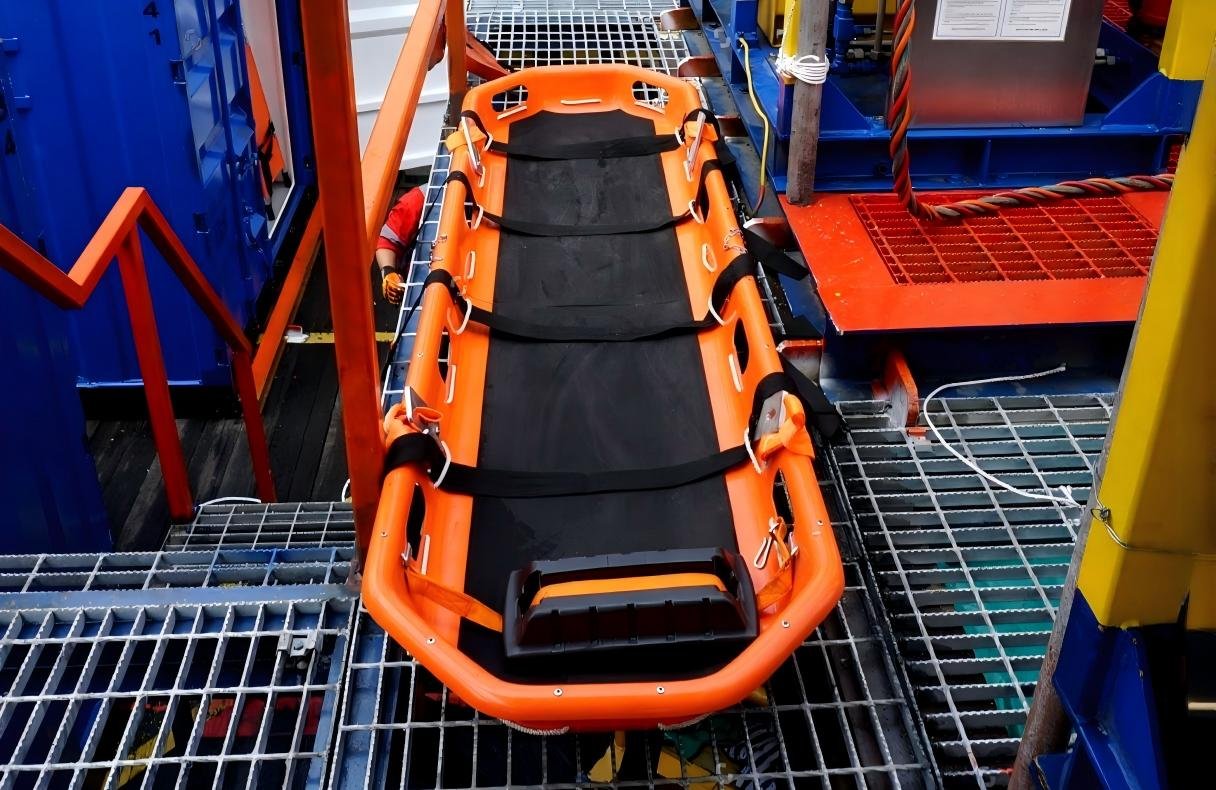
After material, the next big question in our design and production process is the construction. Should the stretcher be a single, solid unit or one that splits in half for storage? This choice involves a direct trade-off between structural integrity and convenience. There's no single "best" answer; it depends entirely on the operational needs of the user.
The Case for One-Piece Rigidity
A one-piece basket stretcher is as strong as it gets. Because there are no joints or moving parts in the frame, it offers maximum structural integrity. This is not just a feature; it's a critical safety factor for certain rescue scenarios. For technical rescues, like high-angle rope rescues on a cliffside or vertical lifts out of a confined space, you want absolute confidence in the stretcher's frame. I remember a client who worked in mine rescue specifically requesting one-piece models. For them, the absolute certainty of the frame's strength deep underground was non-negotiable. The solid frame eliminates any potential point of failure that a joint could introduce.
The Advantage of Two-Piece Portability
The main reason to choose a two-piece, or split, stretcher is for storage and transport. Many emergency response vehicles and aircraft have limited space. A stretcher that can be broken down into a more compact size is a huge advantage. As a manufacturer, we put a lot of engineering focus on the locking mechanism for these models. A secure system of heavy-duty pins and clamps ensures that when the two halves are joined, they are nearly as strong as a one-piece unit. This design is perfect for urban search and rescue teams or wilderness responders who need to pack their gear efficiently.
| Feature | One-Piece Design | Two-Piece (Split) Design |
|---|---|---|
| Rigidity | Maximum | Very Good (depends on locking mechanism) |
| Portability | Low (bulky) | High (breaks down for transport) |
| Storage Footprint | Large | Small |
| Deployment Speed | Immediate | Requires assembly (usually seconds) |
| Best Use Cases | High-angle rescue, Helicopter lifts, Industrial | Teams with limited storage, Wilderness SAR |
What Features and Certifications Should a Buyer Look For?
You found a stretcher that looks right, but how do you know it's safe and compliant? Buying uncertified equipment puts your team and your organization at serious risk.
Beyond materials and construction, look for key features like multiple handholds, patient restraint straps, and lifting bridle compatibility. For procurement, verify certifications like CE (for Europe) or FDA (for the US). These prove the manufacturer meets crucial safety and quality standards.
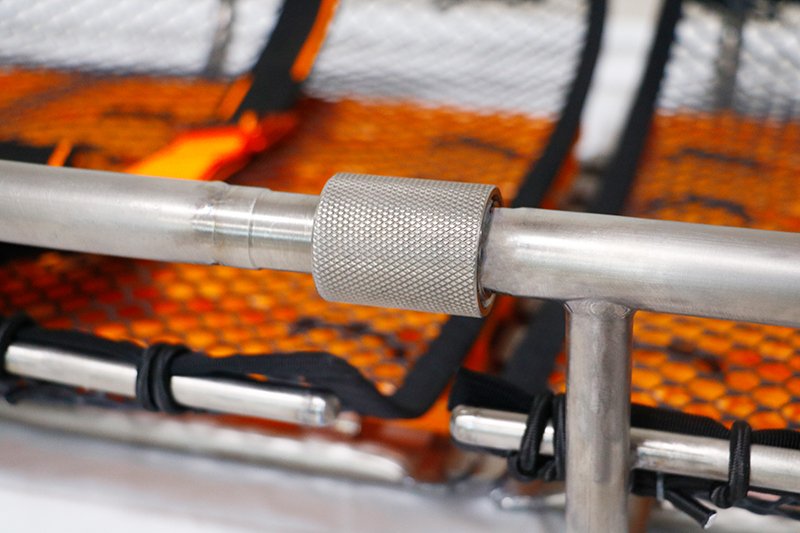
As a B2B supplier, this is where we transition from talking about product design to talking about procurement reality. A great design is meaningless if it doesn't meet the standards required by your country or organization. For a professional buyer, looking at features and certifications is the final, critical step in defining what a "Stokes basket" means for them.
Essential On-Stretcher Features
The details of a stretcher can make a big difference in its usability. First, look at the handholds. There should be plenty of them, spaced out to allow several rescuers to get a firm grip. The patient securing system is also vital. A stretcher should come with a set of strong, adjustable straps to secure the patient's torso, chest, and legs. This prevents movement during transport, which is especially important on rough terrain. Finally, a key feature for technical rescue is its compatibility with a lifting bridle or sling. The stretcher should have strong, integrated attachment points designed specifically for hoisting.6
Navigating Certifications and Standards
This is often the most important part for our clients, who are distributors and government agencies. Certifications are not just logos on a product; they are proof of quality and safety.
- CE Marking: This is mandatory for products sold in the European Economic Area. It signifies that the product meets the EU's high safety, health, and environmental protection requirements.
- FDA Registration: For the U.S. market, medical devices like basket stretchers need to be registered with the Food and Drug Administration. This shows the device is compliant with American regulations.
- ISO Certification: While this applies to the manufacturer, an ISO 9001 certification indicates that the company has a robust quality management system in place.
As a manufacturer that exports globally, navigating these standards is a core part of our job. We ensure our technical files are complete so our B2B clients have a smooth importation and sales process.
Conclusion
A Stokes basket is a system, not a single item. Understanding its materials, construction, and certifications allows you to choose the right tool for your specific rescue and procurement needs.
This source provides background on helicopter rescue systems and supports the point that lightweight, durable equipment can be valuable in helicopter and mountain rescue scenarios. ↩
This source explains the corrosion-resistant properties of marine-grade stainless steel, supporting its use in demanding rescue environments such as marine, industrial, and fire rescue settings. ↩
This source explains equipment decontamination requirements and supports the point that smooth, easy-to-clean materials can benefit emergency medical and rescue operations. ↩
This source discusses stretcher structure and mechanical design, supporting the point that rigid one-piece designs can provide stronger structural integrity in demanding rescue scenarios. ↩
This source shows how two-piece basket stretcher designs can improve portability and compact storage, especially for teams with limited vehicle or storage space. ↩
This source outlines patient transport and technical rescue equipment requirements, supporting the importance of strong integrated attachment points for safe hoisting and rescue handling. ↩