Life jacket labels can be confusing. One product says 70 N, another says 150 N, and an inflatable model may promise more than 30 lb of buoyancy. Does a heavier person always need the biggest number?
Not necessarily.
Most adults need only about 7–12 lb (31–53 N) of extra buoyancy to keep their head above water1. The right life jacket is chosen by its approval label, user size, water conditions, activity and expected rescue time—not by multiplying body weight by a fixed percentage.
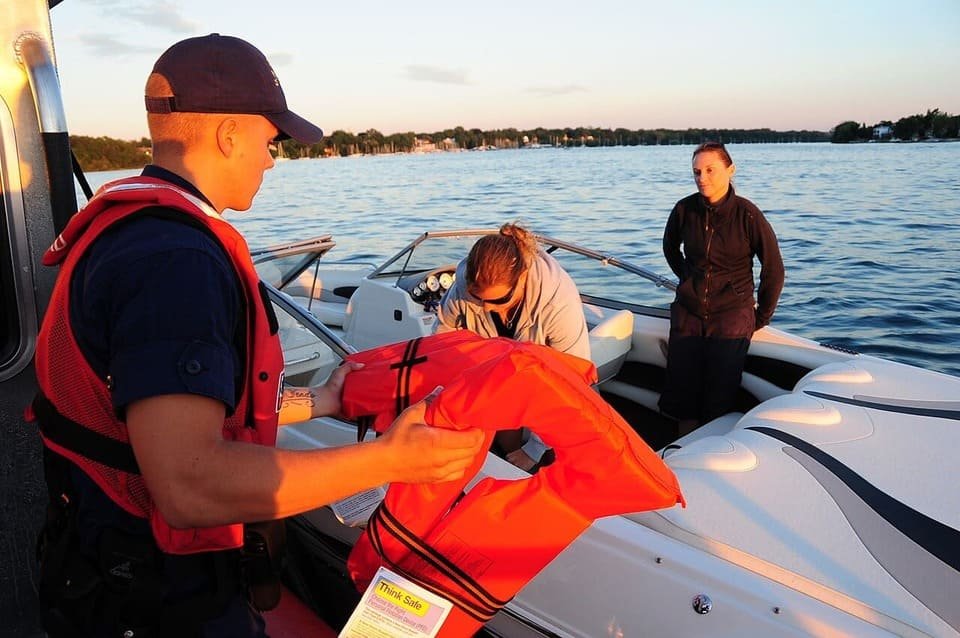
Let’s make those numbers easier to understand.
What Does a Life Jacket’s Buoyancy Rating Mean?
Buoyancy is the upward force that helps support a person in the water. It is usually shown in newtons (N) or pounds of force (lb).
- 1 lb of buoyancy is about 4.45 N.
- 70 N is about 15.7 lb of buoyancy.
- 100 N is about 22.5 lb.
- 150 N is about 33.7 lb.
- 275 N is about 61.8 lb.
Here is the important part: a 100 N life jacket is not designed only for a person weighing 100 kg. The number describes the jacket’s buoyant force, not the wearer’s body weight.
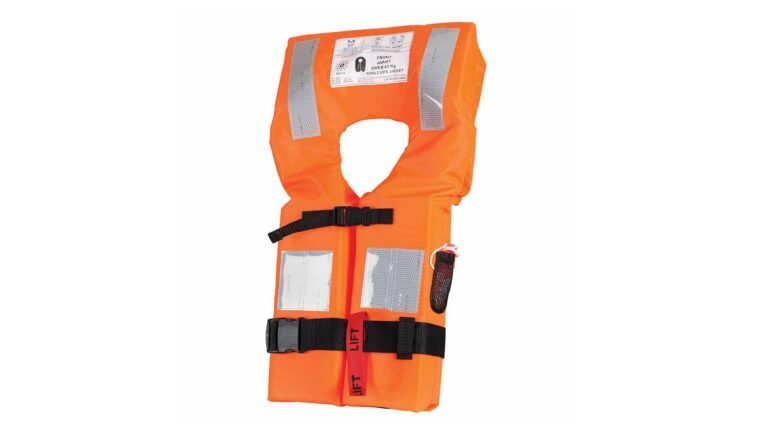
The human body already displaces water and has some natural buoyancy. A life jacket adds enough support to help keep the airway above water. Depending on its design, it may also help turn a face-down wearer into a safer position.
That turning ability matters. Two life jackets can have similar buoyancy but perform differently because the foam or air chamber is distributed differently around the chest, neck and back.
Does a Heavier Person Always Need More Buoyancy?
This is one of the most common misunderstandings.
A heavier person does not automatically need buoyancy equal to a fixed percentage of their body weight. Body composition, lung volume, clothing and equipment all affect how someone floats. That is why a simple formula such as “body weight × 10%” should not be used for life jacket selection.
For adults, start with the information on the product label:
- Approved user weight or size range
- Chest measurement
- Performance level or PFD type
- Intended activity
- Warnings and restrictions
A 250 lb adult, for example, does not automatically need 25 lb of buoyancy. The person needs an approved adult life jacket that fits securely around the chest and is suitable for the activity and water conditions. If standard sizes do not fit correctly, choose a larger approved size rather than simply looking for the highest buoyancy number.
Fit is just as important as buoyancy. A loose life jacket can ride up around the face, while a jacket that is too tight may be difficult to fasten or uncomfortable to wear. See our life jacket fit guide for a simple fitting and inspection process.
How Do Common Buoyancy Levels Compare?
Performance labels are not identical in every market. The United States uses USCG-approved Types and newer performance Levels, while many international buyers work with the ISO 12402 series. Always check the rules in the destination country.
Still, the following comparison gives a useful starting point:
| Common performance level | Approximate buoyancy | Typical use | Simple explanation |
|---|---|---|---|
| Level 50 | 11.2 lb | Competent swimmers near shore or immediate help | A buoyancy aid for controlled conditions, not prolonged survival in rough water |
| Level 70 | 15.7 lb | Near-shore boating and activities where rescue is close | Provides more support but may not turn an unconscious wearer face-up |
| Level 100 | 22.5 lb | Sheltered or relatively calm water where rescue may take time | More support and safer positioning than lower-level buoyancy aids |
| Level 150 | 33.7 lb | General offshore or rough-water use, including foul-weather clothing | Designed for stronger support and face-up performance in more demanding conditions |
| Level 275 | 61.8 lb | Extreme offshore conditions or heavy protective clothing | High buoyancy for demanding professional and marine applications |
ISO 12402 includes separate requirements for Level 100, 150 and 275 life jackets2. Level 50 products are generally described as buoyancy aids rather than full life jackets.
These are performance categories, not a universal shopping chart. The exact product still needs to match the user, clothing, activity and local approval requirements. ISO 12402-10 specifically addresses the selection and application of personal flotation devices for different circumstances3.
How Much Buoyancy Do Children Need?
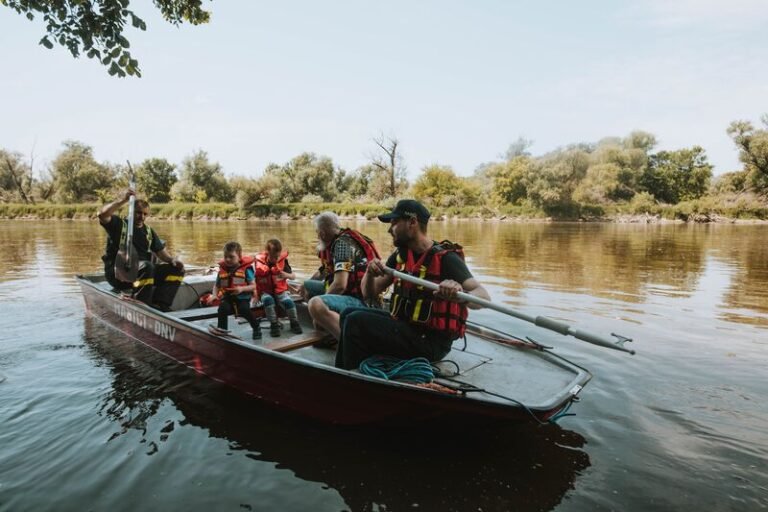
Children should never be placed in an adult life jacket simply because it has more buoyancy. An adult jacket can be too loose and may slip upward or even come off in the water.
In the USCG system, common size groups are based mainly on weight:
| User group | USCG weight range | Common minimum inherent buoyancy |
|---|---|---|
| Infant | 33 lb or less | 7 lb |
| Child | Over 33 lb to 55 lb | 7 lb |
| Youth | Over 55 lb to 88 lb | 11 lb |
| Adult | Over 88 lb | Usually 15.5 lb or more, depending on type |
These figures explain why saying “all children need 7–12 lb” is too broad. A 60 lb child falls into the Youth category in the US system and would normally need a youth-sized product—not a small child jacket.
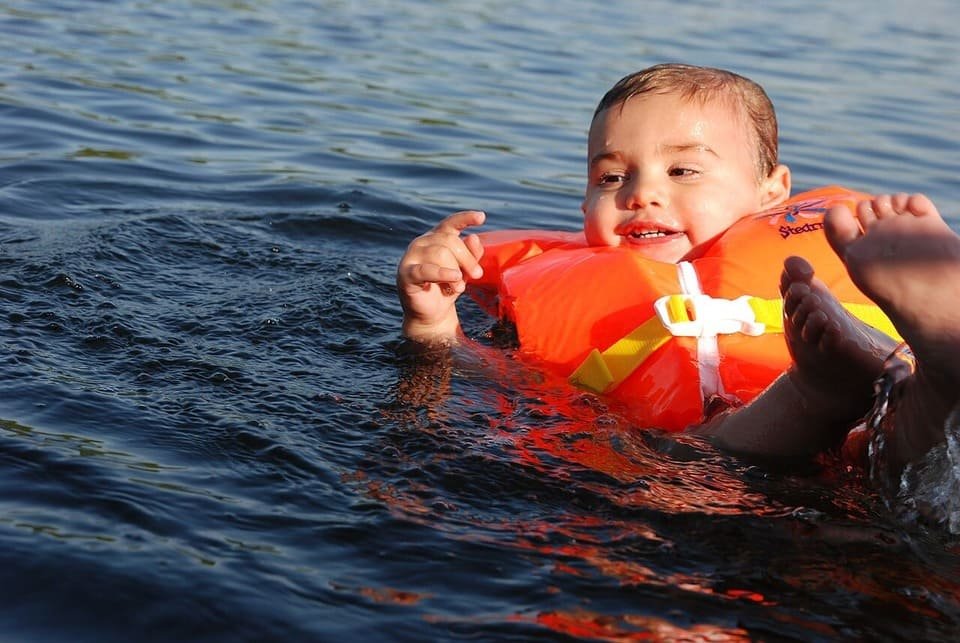
For children, check more than the number on the label. Look for:
- The correct weight range
- A close, secure fit
- A crotch strap or leg strap when provided
- Suitable head and neck support
- A grab handle when required
- Tested turning performance for the intended use
After fastening the jacket, gently lift it at the shoulders. It should not rise over the child’s chin or ears. Any in-water fit check should be done in controlled conditions with close adult supervision.
Why Does the Activity Matter So Much?
The same life jacket is not ideal for every situation.
Calm-water boating and paddling
Comfort and freedom of movement matter because people are more likely to wear a jacket that feels good. A properly approved near-shore model may be suitable when the user can swim and help is close.
Jet skiing and towed water sports
Do not choose by buoyancy alone. The label should specifically allow the intended high-speed activity. The jacket also needs secure straps and a design that can stay in place during a sudden impact with the water.
Offshore boating
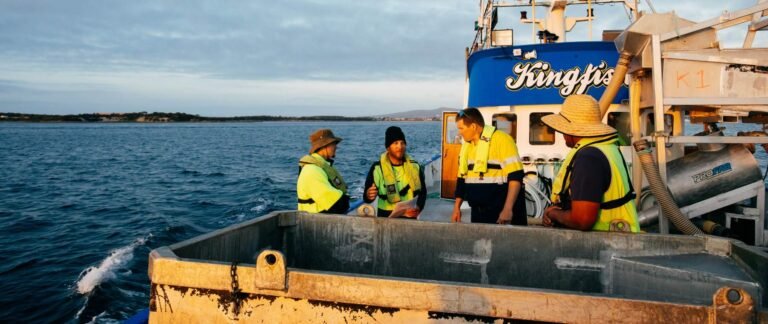
Rough water, waves, cold conditions and longer rescue times call for stronger in-water support. A higher-performance life jacket, often Level 150 or an equivalent approved product, may be more appropriate. ISO 12402-3 covers Level 150 life jackets for general, offshore or rough-water use4.
Rescue and professional work
Rescue workers may carry radios, tools, boots, helmets or protective clothing. Do not simply add the equipment’s dry land weight to the wearer’s weight. Some equipment floats, while some becomes heavier or harder to manage in water.
The life jacket, clothing and equipment should be treated as one complete system. Check compatibility, mobility, snag risks and in-water performance under the organization’s safety procedures.
Weak swimmers or possible unconscious users
A low-profile buoyancy aid may require the wearer to move or swim to keep the face clear. If the user may be unconscious, injured or unable to swim, choose a life jacket with suitable tested turning and face-up performance.
Is a Foam or Inflatable Life Jacket Better?
Neither design is best for everyone.
Foam life jackets provide buoyancy as soon as the wearer enters the water. They are available for adults, children and infants, and they are often easier to manage for general recreational use.
Inflatable life jackets are compact and comfortable before inflation, but they require inspection and maintenance. In the United States, inflatable models are generally intended for adults and are not recommended for weak or non-swimmers1.
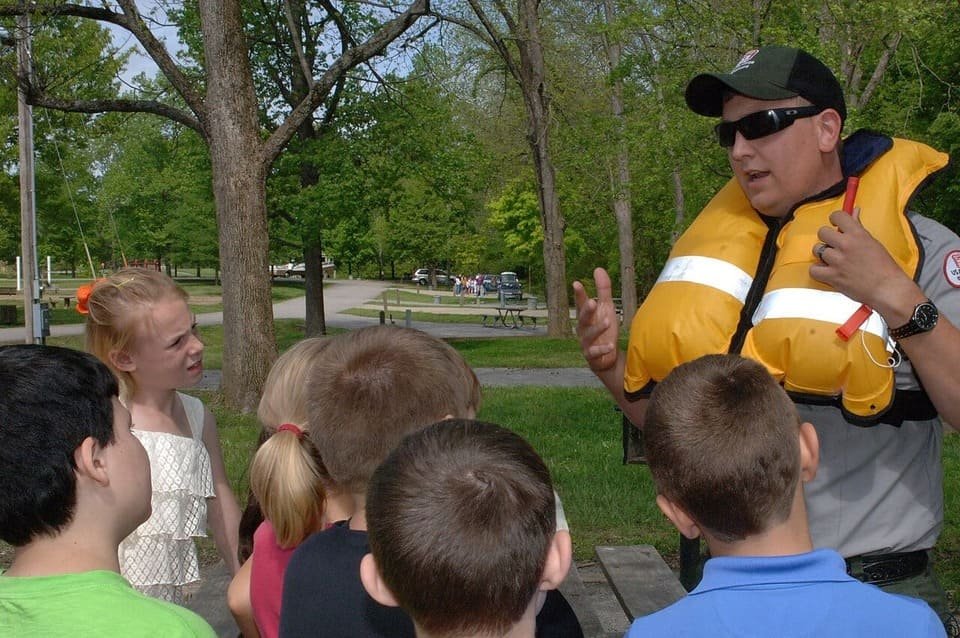
A manual inflatable model will not inflate unless the wearer pulls the activation handle. That makes it a poor choice when the wearer may be unconscious or unable to operate it. Automatic models remove that step, but they still need the correct cylinder, inflator status and regular maintenance.
For a fuller comparison, read our guide to foam vs inflatable life jackets.
How Can You Choose the Right Buoyancy in Five Steps?
You do not need a complicated calculation. Use this process instead:
- Confirm the destination-market requirements. Check which approval, standard or regulation applies.
- Match the label to the user. Verify weight range, chest size and any age or swimmer restrictions.
- Think about the water. Calm lake water and rough offshore water require different performance.
- Include clothing and equipment. Make sure the complete system works together without blocking inflation or turning.
- Check fit and condition. Fasten every strap, perform a controlled fit check and inspect the jacket before use.
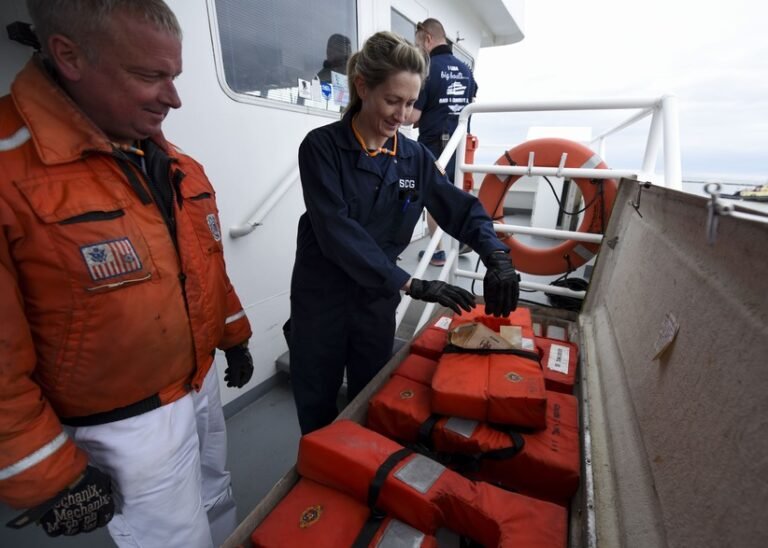
For organizational purchasing, keep several sizes available and record the exact approval, buoyancy, user range and intended use for each model. That is much safer than ordering one “universal” adult size for everyone.
Common Buoyancy Myths
“A 100 N life jacket supports a 100 kg person.”
No. Newtons describe buoyant force, not the user’s maximum body weight.
“A person needs buoyancy equal to 10% of their weight.”
No. This is not a reliable life jacket selection formula. Use the product label, approval and intended conditions.
“More buoyancy is always safer.”
Not always. Higher buoyancy can be helpful in rough water or with heavy protective clothing, but the jacket must still fit, allow the required movement and suit the activity.
“Every life jacket turns an unconscious person face-up.”
No. Turning performance depends on the approved type or level, design, fit and clothing. Some buoyancy aids are intended for conscious swimmers only.
“Foam life jackets must be replaced after exactly ten years.”
There is no single replacement age for every foam life jacket. The USCG recommends checking foam devices for wear and buoyancy at least once a year and discarding waterlogged, faded or damaged products1. Read our life jacket inspection and replacement guide for more detail.
Frequently Asked Questions
How much buoyancy does an average adult need?
Most adults need about 7–12 lb of additional buoyancy to keep their head above water, while approved adult foam life jackets commonly provide at least 15.5 lb depending on their type or performance level1.
Does a 250 lb person need a special life jacket?
Not automatically. Check the approved user range, chest size and fit. If the jacket cannot be fastened securely or rides up, choose a larger approved size. Do not calculate the required buoyancy as a percentage of body weight.
Is 50 N enough for a life jacket?
A Level 50 product is generally a buoyancy aid for competent swimmers who are close to shore or immediate help. It is not the right choice for every user or for prolonged survival in rough water.
What buoyancy is better for offshore use?
Level 150 is commonly associated with general offshore and rough-water use, while Level 275 is intended for more extreme conditions or heavy protective clothing. The final choice must follow the applicable marine rules and product approval.
Should children use inflatable life jackets?
Follow the product label and local rules. Many recreational inflatable life jackets are approved only for adults. Children normally need a properly fitted child or youth model designed for their weight range.
Conclusion
Choosing life jacket buoyancy is easier once you stop treating it as a body-weight calculation.
Start with the approval label. Then check the wearer’s size, swimming ability, activity, water conditions, rescue time, clothing and equipment. A well-fitted lower-profile jacket may be right for a competent swimmer near shore, while offshore crews and professional users may need much higher performance.
For distributors, marine operators and rescue organizations, the safest purchasing approach is to define each user group and application before comparing products. If you need help selecting life jackets for bulk purchasing, OEM branding or a specific market, contact Jiekang Medical for model specifications and available documentation.
U.S. Coast Guard, “[Life Jacket Wear / Wearing Your Life Jacket](https://uscgboating.org/recreational-boaters/life-jacket-wear-wearing-your-life-jacket.php).” Covers adult buoyancy needs, fit, user weight groups, minimum buoyancy, performance levels and maintenance. ↩
International Organization for Standardization, “[Lifejackets, Buoyancy Aids and Flotation Devices](https://www.iso.org/ics/13.340.70/x/).” Lists the current ISO 12402 performance-level standards. ↩
International Organization for Standardization, “[ISO 12402-10:2020 — Selection and Application of Personal Flotation Devices](https://www.iso.org/standard/60336.html).” Provides guidance for selecting PFDs for different circumstances. ↩
International Organization for Standardization, “[ISO 12402-3:2020 — Lifejackets, Performance Level 150](https://www.iso.org/standard/56683.html).” Covers Level 150 life jackets for general, offshore or rough-water use. ↩