A life jacket on a commercial vessel may spend months in a locker. Another may be worn through an entire shift on a wet deck. I would not choose those two jackets in quite the same way.
The short answer: First, find out what life jackets the vessel is required to carry. Then decide what crew need to wear during normal work. The right choice depends on the vessel's flag, operating area, people on board and the job being done—not just a buoyancy number on a product page.
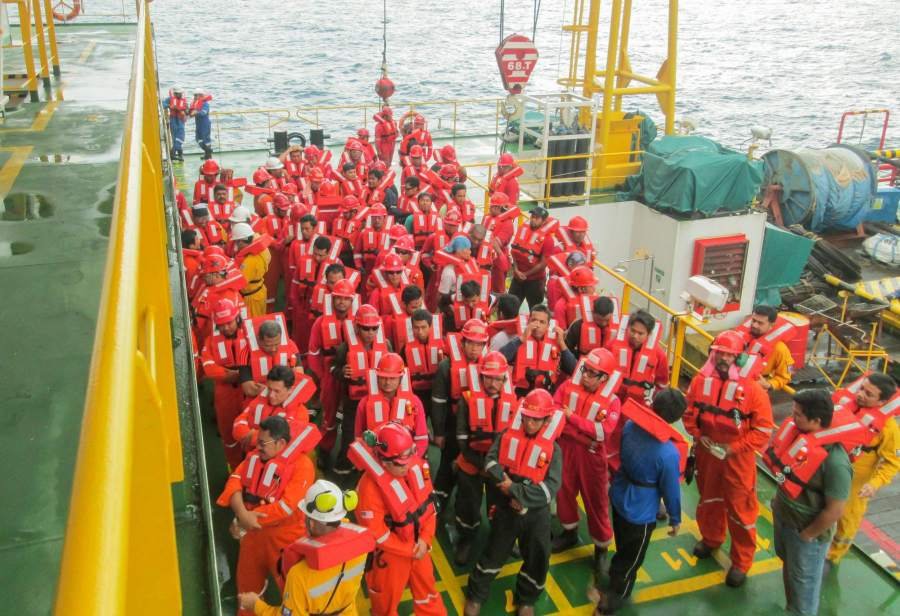
Which Life Jacket Should You Choose? Start Here
| Where it will be used | Start with this type | Check before ordering |
|---|---|---|
| Emergency supply on a SOLAS ship | A life jacket approved for that ship's SOLAS requirements | Flag-state acceptance, exact model approval, sizes, lights and required quantity |
| Domestic commercial vessel | The life jacket specified for its vessel class and operating area | Local rules and the vessel's certificate; a coastal-approved jacket may be allowed in some services |
| Crew working on an exposed deck | An approved jacket suited to regular wear and the task | Fit over work clothing, movement, snag risks and the vessel's wear procedure |
| Cold-water offshore work | An approved jacket compatible with the clothing or immersion suit | Combined fit, access to controls and the maker's compatibility instructions |
That table is a starting point, not a universal rulebook. The International Maritime Organization's overview of life-saving appliances1 explains that the number and type carried vary with the ship and its voyage. For example, Australia's maritime authority2 requires different life jackets for different domestic commercial vessel service categories.
Why Separate Emergency Jackets from Deck-Work Jackets?
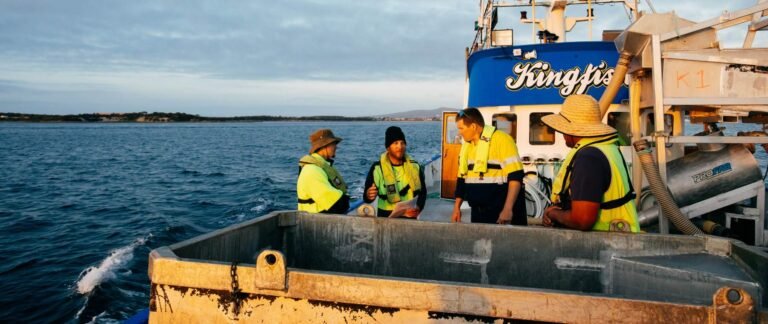
Imagine a crew member handling lines in rain and spray. A bulky foam jacket may be awkward for that task; a well-fitted inflatable model may allow easier movement. But the jacket chosen for daily wear still has to be approved for that use and properly maintained.
Now imagine an abandon-ship alarm. The vessel needs its required emergency life jackets available in the right sizes and locations. A comfortable work vest does not automatically fill that role. The U.S. Coast Guard's commercial-vessel guidance3 specifically distinguishes work vests from the life jackets a towing vessel must carry.
I would make two lists before asking a supplier for prices: What must be carried? What must be worn for each job? The answers may lead to two different products.
Foam or Inflatable for Offshore Operations?
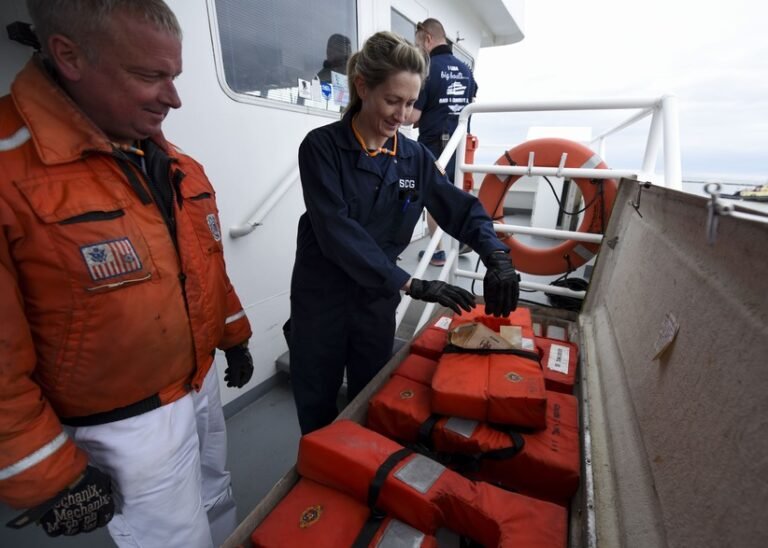
Foam jackets provide buoyancy without an inflation step. They are a straightforward option for stored emergency equipment, especially where many people may need to put one on quickly. They take more room and can feel bulky during long shifts.
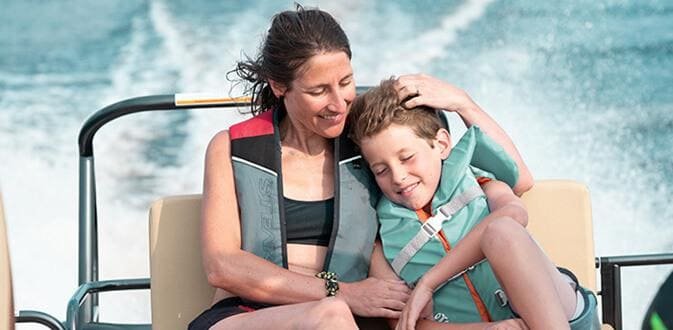
Inflatable jackets can be easier to wear while moving and working. They also bring a servicing job: the bladder, inflator, cylinder and any light must be checked according to the exact model's instructions. A manually inflated jacket needs the wearer to activate it. An automatic model has a different activation system, which also needs care.
I would not choose between them from comfort alone. Have crew try the approved candidates with their actual coveralls, gloves and other equipment. Our foam vs inflatable life jacket guide explains the everyday trade-offs in more detail.
What Should a Buyer Check on the Label and Documents?
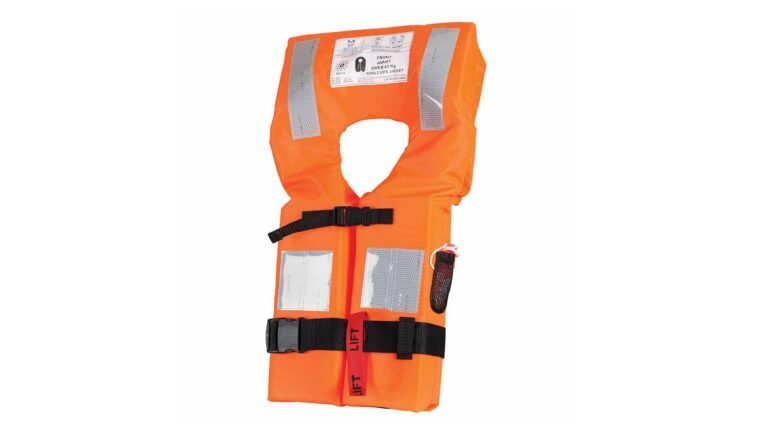
An orange jacket with “150 N” in the description may look suitable. That number alone does not tell you whether the vessel can carry it as required equipment.
Ask the supplier for the exact model and approval documents, then check these five things:
- Approval: Does the document cover this model, size and intended vessel use? The IMO sets requirements, but national maritime administrations handle approval4.
- Quantity and sizes: Does the order cover everyone the vessel is allowed to carry, including any children, plus additional jackets where required?
- Accessories: Are the required lights, whistles and reflective details supplied with the model, fitted correctly and included in the documents?
- Compatibility: Can the jacket be put on and used with the crew's coveralls, harnesses or immersion suits? The UK Maritime and Coastguard Agency5 highlights the need to check life jackets and immersion suits together.
- Upkeep: Can the crew inspect it, replace parts and obtain servicing where the vessel operates?
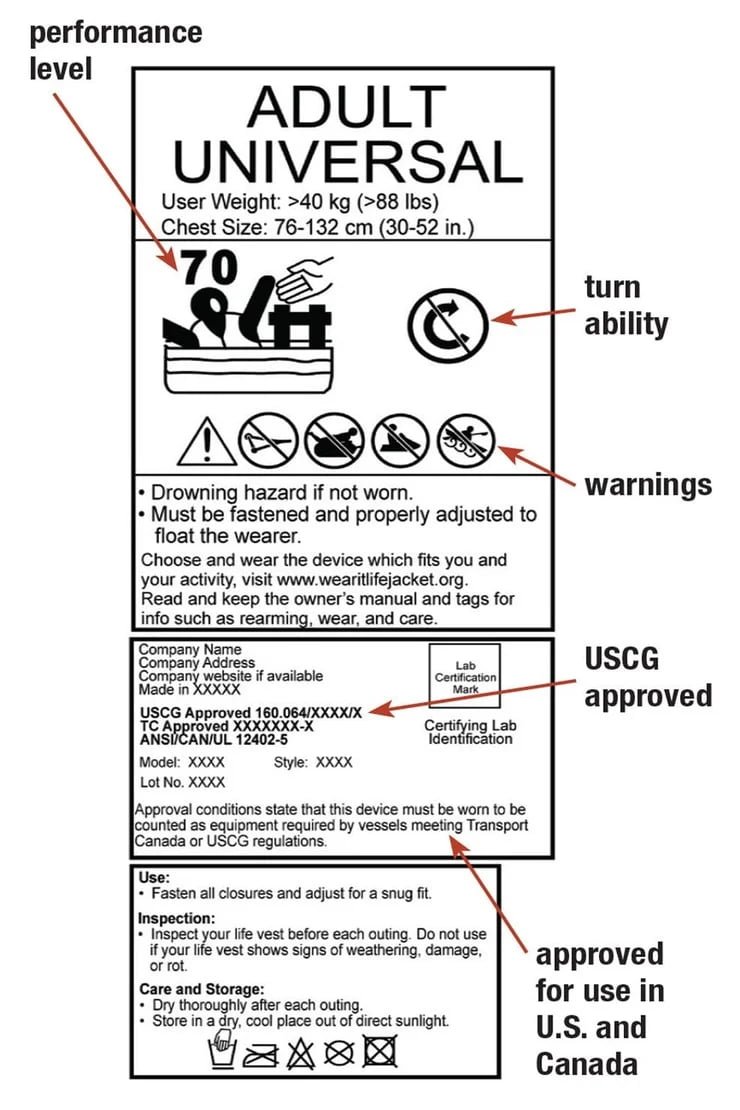
The label is where I start, but I also want a clear copy of the model-specific certificate. For an example of a foam marine design and its listed accessories, see our SOLAS life jacket product page. Check the current documents for the exact version being purchased.
My Simple Buying Checklist
Before placing a bulk order, I would ask the vessel operator for its flag, certificate, route, maximum number of people and deck-work procedures. Then I would request one sample of each proposed jacket and have the crew try it on.
Can the wearer fasten it quickly? Does it stay in place over work clothes? Can they turn, reach and handle equipment? Can they find the light and whistle? After the trial, agree on inspection and replacement responsibilities. Our life jacket inspection guide gives a simple check before use.
Frequently Asked Questions
Is a 150 N jacket automatically suitable for a commercial vessel?
No. Check its actual approval, intended use and fit against the vessel's applicable rules. The buoyancy figure is only one part of the decision.
Can crew wear a work vest instead of carrying emergency life jackets?
Do not assume so. A work vest may be suitable for a particular job, but it may not count toward the vessel's required emergency supply. Check the vessel's rules and approved equipment list.
Should offshore crews choose foam or inflatable jackets?
For stored emergency supply, an approved foam design can be practical. For regular deck wear, an approved inflatable design may be more comfortable. Fit, work clothing, maintenance and vessel requirements decide which one makes sense.
So What Should You Order?
Order the approved emergency jackets in the required sizes and quantity first. If crew also need jackets for regular deck work, trial an approved wearable design with their real clothing and equipment. Buy the models the vessel can accept, the crew can use, and the team can keep ready.
IMO, [Life-saving appliances](https://www.imo.org/en/ourwork/safety/pages/lifesavingappliances-default.aspx). Ship and voyage affect equipment requirements. ↩
Australian Maritime Safety Authority, [What lifejacket do I need?](https://www.amsa.gov.au/safety-navigation/safety-equipment/what-lifejacket-do-i-need). Example of vessel-category rules and style selection. ↩
U.S. Coast Guard, [TugSafe: Lifesaving](https://www.dco.uscg.mil/Our-Organization/Assistant-Commandant-for-Prevention-Policy-CG-5P/Traveling-Inspector-Staff-CG-5P-TI/Towing-Vessel-National-Center-of-Expertise/TugSafe/GGLifesaving/). Explains the separate roles of work vests and required life jackets on towing vessels. ↩
IMO, [FAQs related to life-saving appliances](https://www.imo.org/en/ourwork/safety/pages/faqsrelatedtolsa-default.aspx). Approval is handled by national maritime administrations. ↩
UK Maritime and Coastguard Agency, [Compatibility of life-saving equipment](https://www.gov.uk/government/publications/mgn-396-compatibility-of-life-saving-equipment). Guidance on using life jackets with immersion suits. ↩