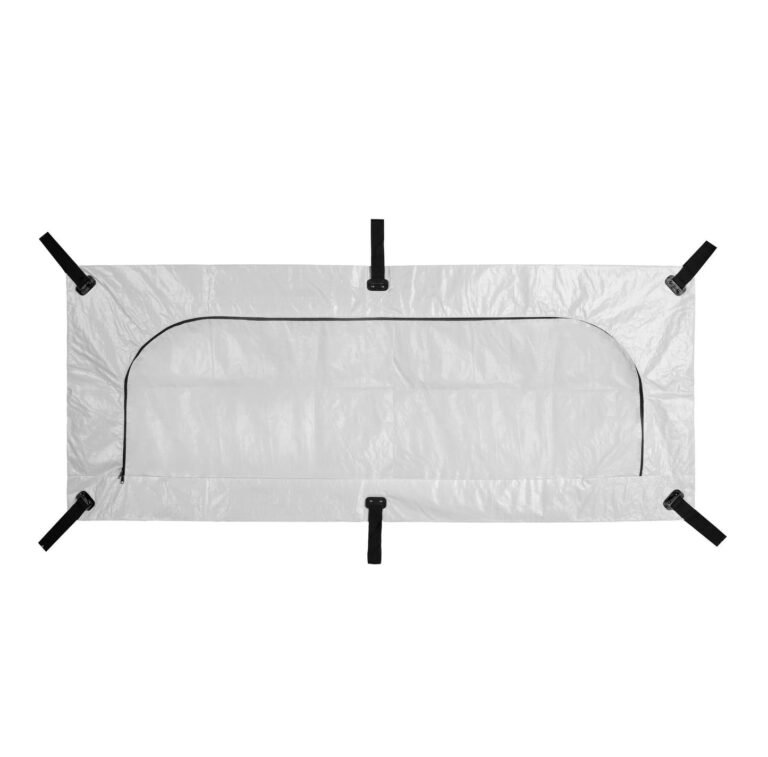
A body bag can be long enough on paper and still be the wrong size. Width is often the part that causes trouble. And even when the dimensions look right, the bag may not have the load capacity the service needs.
The short answer: a full-size adult bag around 36 × 92–94 inches (about 91–92 × 234–239 cm) can cover most routine hospital and mortuary needs, including situations involving a smaller body. A pediatric bag is an optional, more convenient choice for services that handle these cases often. XL or bariatric bags should be stocked when the service expects to need the extra width and load capacity.

Is There a Standard Body Bag Size?
There is no single size used by every hospital, funeral home, or supplier. Product ranges do, however, show a common pattern.
For example, Jiekang’s PVC body bag and PEVA body bag are both 92 × 239 cm, or roughly 36 × 94 inches. Another manufacturer’s body bag size range1 lists its adult model at 36 × 92 inches.
That makes a bag close to 36 inches wide and 92–94 inches long a sensible adult-size reference when comparing quotes. The final choice should also fit the cases you normally handle, as well as your storage system, trolley, and working routine.
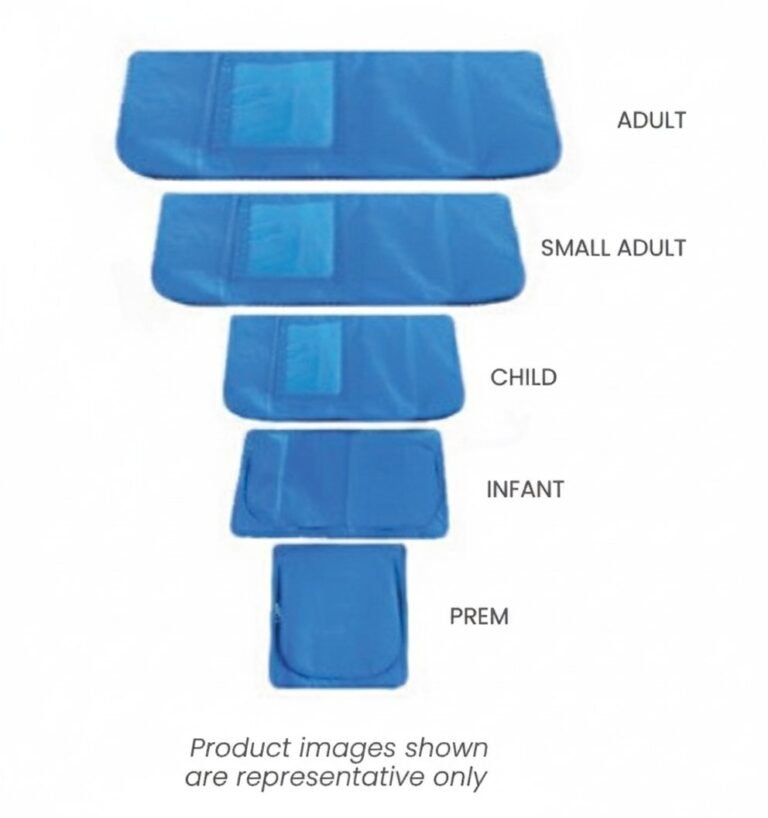
Adult, Pediatric, XL, or Bariatric?
The easiest way to understand the choices is to look at real product examples:
| Size category | Example dimensions | What it is for |
|---|---|---|
| Infant | 14 × 28 in / 36 × 71 cm | An optional compact size for facilities that handle infant cases |
| Pediatric | 24 × 48 in / 61 × 122 cm | An optional smaller format that is easier to store, identify, and handle |
| Adult | 36 × 92–94 in / about 91–92 × 234–239 cm | The main everyday size for most hospital and mortuary needs |
| XL | 40 × 96 in / about 102 × 244 cm | Extra room when a standard adult bag is too narrow |
| Bariatric | Varies widely; one example is 82 × 96 in / 208 × 244 cm | Much greater width for cases that exceed adult or XL dimensions |
These are examples from current products, not mandatory dimensions. An adult bag can also be used for a child when needed. Dedicated infant and pediatric bags are useful when a facility handles these cases regularly and wants a smaller package that is easier to identify and manage.
Why Width Matters as Much as Length
Most adult and larger bags are already long enough for many situations. The bigger difference is often width.
Clothing, bedding, body shape, and anything that must remain with the body can all affect how much room is needed. If the bag is too narrow, staff may struggle to close it properly even when the length looks generous.
Bariatric models make this especially clear. Mopec’s bariatric body bag range2 keeps the length at 94 inches while offering widths of 48, 60, 72, and 84 inches. The extra interior room comes mainly from width. These models are made from 16 mil PVC-laminated polyester and have eight carrying handles.
So when comparing two bags, do not ask only, “How long is it?” Ask whether the usable width is suitable for the cases your service expects.
Size and Load Capacity Are Not the Same Thing
A wider bag does not automatically have a higher load rating, and two bags with the same dimensions may carry different stated loads.
Jiekang’s two adult models are a good example. Both measure 92 × 239 cm, but the PVC model is listed at 140 kg, while the PEVA model is listed at 160 kg and includes multiple handles.
 The useful lesson is simple: dimensions tell you whether the body fits inside; the load rating tells you what the finished bag is designed to carry. Check both. Mopec’s much wider bariatric range, for example, is listed at 300+ lb. The width alone does not tell you the exact carrying limit.
In its archived COVID-19 postmortem guidance, the CDC identifies body weight as a possible cause of bag or handle failure3 and recommends checking the manufacturer’s stated capacity when it is available.
What Sizes Should a Hospital Keep in Stock?
For many facilities, one full-size adult model will cover most routine needs. An adult bag can also be used for a child when necessary, so every storeroom does not need equal quantities of every size.
A practical stock plan is:
- keep the adult size as the main everyday option;
- add pediatric or infant bags when the facility handles these cases regularly or wants a more convenient dedicated option;
- keep a smaller number of XL or bariatric bags if past cases show a need;
- make sure staff know where the less frequently used sizes are stored.
Look at your own records before choosing quantities. A general hospital, children’s hospital, funeral service, and disaster-response supplier will not need the same mix.
Will the Bag Fit the Rest of the Equipment?
The bag does not work alone. Check whether the selected size fits the mortuary trolley, stretcher, refrigerator tray, storage rack, and transport vehicle used by the service.
An extra-wide bag may be correct for the body but difficult to handle on a narrow trolley. In that case, the service may also need wider transfer equipment and a different lifting plan. Ordering a larger bag without checking the rest of the route solves only half the problem.
Packed size matters too. Hospitals often store body bags for occasional use or emergency reserves, so ask how each bag is folded and packed and how much shelf space a carton requires.

A Simple Size Check Before Ordering
Before approving a body bag order, confirm:
- The unfolded length and width.
- Whether those are outside or usable dimensions.
- The stated load capacity of the finished bag.
- The number and position of carrying handles.
- Compatibility with the trolley, storage tray, and vehicle.
- The folded size and carton quantity for storage planning.
- Which adult, pediatric, XL, or bariatric sizes are included in the order.
If the standard size is close but not quite right, ask whether the supplier can provide a different width, length, handle layout, color, or label pocket. Jiekang can discuss these options when you request a quote for the PVC body bag or PEVA body bag. Confirm the final specification before placing a bulk order.
Frequently Asked Questions
What is a common adult body bag size?
Many full-size adult products are close to 36 inches wide and 92–94 inches long. Treat that as a useful market reference rather than a universal standard.
Should a hospital buy only adult-size bags?
An adult size can cover most routine situations and is usually the main stock item. A hospital can add pediatric bags for convenience if it handles infant or child cases regularly. It should also review whether XL or bariatric stock is needed.
Can an adult bag be used instead of a pediatric bag?
Yes. A full-size adult bag generally provides enough room. A pediatric bag is more compact and can be easier to store, identify, and handle, so it is a useful additional size for facilities that need it regularly.
Does a larger bag always carry more weight?
No. Dimensions and load capacity are separate specifications. Check the rating for the exact finished bag, including its seams and handles.
What if our required size is not listed?
Ask the supplier about available sizes or customization. Give the required length, width, load capacity, handle layout, quantity, and destination market so the proposed model can be checked properly.
The Takeaway
For most routine needs, a body bag around 36 × 92–94 inches is a practical main size and can also cover smaller bodies. Pediatric bags can be added when they would make regular work more convenient. XL and bariatric sizes should follow the service’s actual case history.
Most of all, check width and load capacity separately. A bag should provide enough room, support the expected load, and fit the trolley and storage system used by the team.
[“EnviroMed-Bag® Body Bag”](https://ldimedical.com/products/enviromed-bag%C2%AE-body), LDI Medical,展示婴儿、儿童、成人及加大号等尺寸。 ↩
[“APM Bariatric Body Bag”](https://www.mopec.com/product/apm-bariatric-body-bag-16-mil-pvc-laminated-polyester-envelope-zipper-8-handles-various-sizes-and-colors/), Mopec,展示加大号尸体袋的尺寸与宽度选项。 ↩
[“Collection and Submission of Postmortem Specimens…”](https://archive.cdc.gov/www_cdc_gov/coronavirus/2019-ncov/hcp/guidance-postmortem-specimens_1720465699.html), CDC,说明搬运时应考虑遗体重量、袋体状况及制造商标注的承重能力。 ↩