This guide compares marine life jackets, life vests and personal flotation devices (PFDs) for boating, professional water rescue and bulk procurement.
Life jacket, life vest, and personal flotation device (PFD) are often treated as three separate product categories. In practice, the terminology overlaps, and its meaning can change by market, standard, and product label. For procurement teams, choosing by product name alone can result in the wrong buoyancy level, approval, fit, or intended use.
A PFD is the broadest term and can include life jackets, buoyancy aids, work vests, and other flotation devices. “Life jacket” commonly refers to a wearable PFD designed for lifesaving support, while “life vest” often describes the garment’s vest-style shape rather than a regulated performance class. Buyers should compare the approval label, performance level, turning ability, approved use, and user size—not just the product name.1
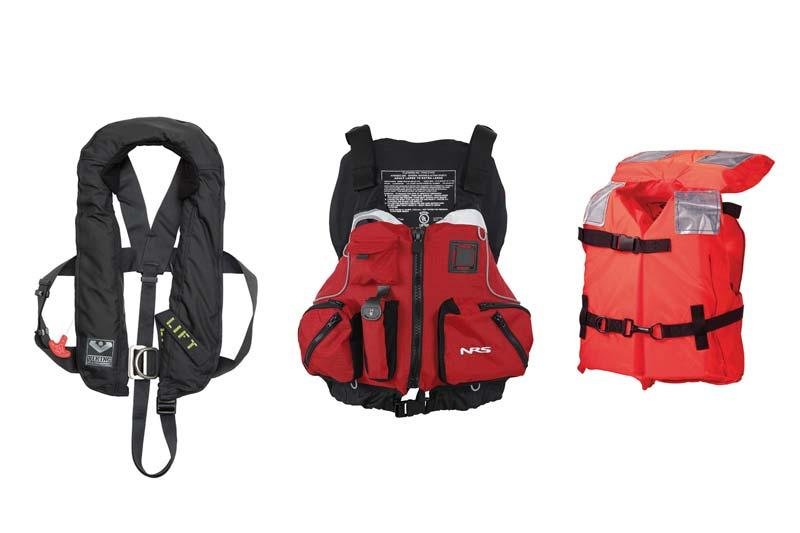
Understanding this terminology is useful, but the real procurement decision starts with water conditions, rescue time, user activity, clothing, and destination-market requirements.
Are life jackets, life vests, and PFDs the same thing?
Not exactly—but they are not three universally separate safety categories either.
The U.S. Coast Guard uses “personal flotation device” as a broad category and notes that PFDs are also referred to as life jackets. Within that category, products may be wearable or throwable and may be approved for recreational, commercial, or special-purpose use.1
“Life jacket” and “PFD” may refer to the same approved product, while “life vest” is often a commercial or design description. The label attached to the product is more authoritative than the wording used in a catalog title.
| Term | What It Usually Means | What Buyers Must Confirm |
|---|---|---|
| Life Jacket | A wearable flotation product intended to support a person in the water; some models provide tested turning performance | Performance level, turning ability, approved water conditions, user size, and certification |
| Life Vest | A vest-shaped wearable flotation product; it may be recreational, occupational, or lifesaving depending on its approval | Do not assume its buoyancy or application from the word “vest” |
| PFD | The broad technical category covering different personal flotation products | Whether it is wearable or throwable, its approval type, performance level, restrictions, and intended use |
Life Jacket: What does the term usually indicate?
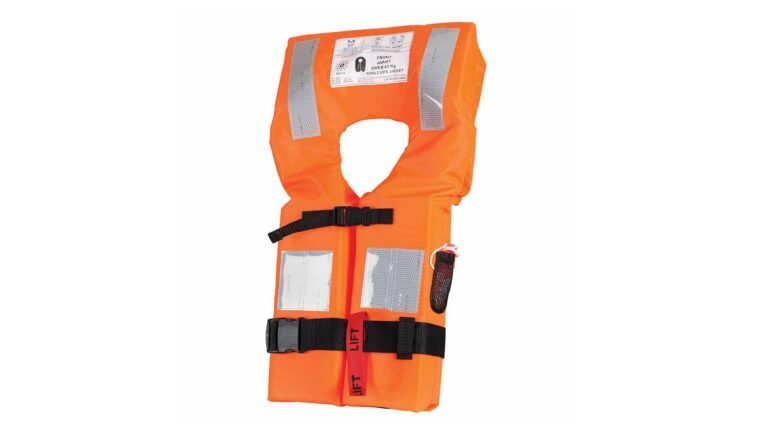
Life jackets are wearable PFDs intended to provide flotation and survival support after accidental immersion or during evacuation. Higher-performance models may include a collar and buoyancy distribution designed to help turn a face-down wearer toward a safer position.
A life jacket should not be assumed to turn every unconscious wearer face-up simply because it is called a life jacket. Turning performance depends on the product design, approval standard, fit, clothing, and information shown on the label.
Common features may include:
- High-visibility fabric or cover
- Retroreflective material
- Whistle and life jacket light attachment points
- Collar or additional head support
- Waist belt, chest straps, or crotch straps
- Lifting loop or buddy line for certain marine applications
For offshore, rough-water, or abandonment applications, buyers should prioritize tested performance, visibility, secure retention, and the applicable marine approval—not marketing descriptions such as “professional” or “heavy duty.”
Life Vest: Is it only for recreational use?
No. “Life vest” usually describes a vest-shaped product, but it is not a universal regulatory class. Some life vests are designed for paddling and water sports, while others may be approved as commercial work vests or higher-performance life jackets.
A comfortable, low-profile vest may improve wearability and mobility, but comfort does not determine whether it is suitable for a specific job. Buyers must check the approved activity, water conditions, flotation performance, and any restrictions printed on the label.
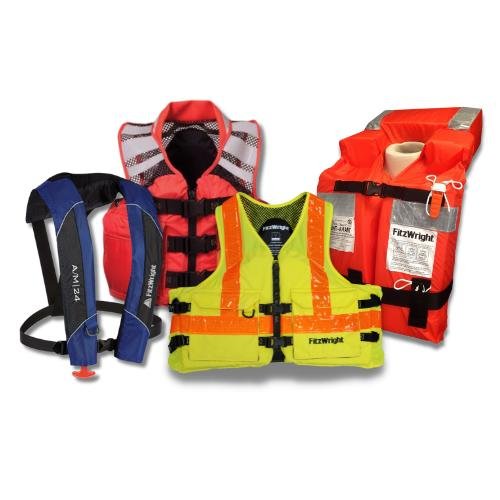
Typical vest-style products may use:
- Inherently buoyant foam
- Manual or automatic inflatable chambers
- Neoprene, nylon, or polyester outer materials
- Segmented panels for greater movement
- Adjustable webbing for different body sizes
The same vest-shaped appearance can cover products with very different safety performance. This is why catalog photos and general buoyancy claims are not enough for a procurement decision.
PFD: Why is it the broadest term?
PFD stands for personal flotation device. It is an umbrella term rather than a low-buoyancy product type.
A PFD may be a life jacket, buoyancy aid, work vest, inflatable device, or even a throwable device under some regulatory systems. A PFD can therefore have lower, moderate, or high flotation performance depending on its design and approval.1
This distinction matters in B2B procurement. An industrial buyer asking for “PFDs” still needs to specify whether the products are for continuous wear, emergency abandonment, dock work, rescue operations, passenger vessels, or recreational boating.
How do flotation performance levels compare?
Product names do not provide a reliable buoyancy comparison. Performance standards and approval labels do.
Under the ISO 12402 series, personal flotation products include Level 50 buoyancy aids and Level 100, 150, and 275 life jackets. These levels are designed for different water conditions, clothing, and rescue situations.2345
| ISO Performance Level | General Application | Important Procurement Note |
|---|---|---|
| Level 50 | Sheltered water where help and rescue are close; requires active participation by the wearer | Classified as a buoyancy aid, not intended as the primary choice for unconscious users |
| Level 100 | Sheltered or calm water | Check the product’s tested turning performance, fit, and clothing limitations |
| Level 150 | General, offshore, or rough-water use | Suitable for more demanding conditions, including use with normal clothing |
| Level 275 | Offshore use under severe conditions or with protective clothing and additional loads | Higher support for demanding applications, but bulk and compatibility must be evaluated |
The U.S. label system now includes performance-level labels, while many approved products and regulations may still use legacy Type I, II, III, and V terminology. Buyers may therefore encounter both systems. Newer labels communicate the minimum performance level, approved use, warnings, and whether the product is designed to turn a wearer face-up.6
Do not directly convert a USCG Type into an ISO performance level without checking the product’s actual approval documentation. The two systems should not be treated as identical.
How should buyers choose a flotation device for each scenario?
The correct choice depends on the operating environment and applicable regulations, not whether the supplier calls the product a jacket, vest, or PFD.
Recreational boating and paddling
Choose an approved wearable device for the specific activity and destination market. Confirm the user’s weight or chest size, label restrictions, mobility requirements, and whether the product is suitable for the boat type and water conditions.
Industrial work near water
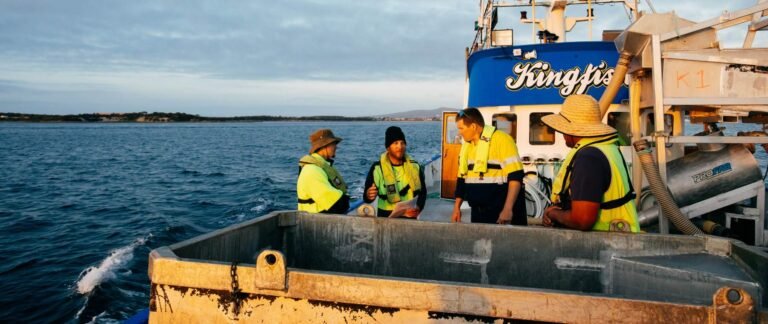
For docks, shipyards, ports, marine construction, or similar work, confirm that the PFD is approved and marked for occupational, commercial, work-vest, or vessel use as required. In the United States, OSHA requires applicable PFDs to be USCG approved and warns that recreational-only PFDs must not be substituted for designated industrial use.7
Offshore rescue and rough water
Prioritize sufficient performance for the expected conditions, tested turning ability, secure retention, visibility, and compatibility with protective clothing. Also check whether a whistle, light, lifting loop, crotch strap, or buddy line is required by the applicable standard or project specification.
Passenger and commercial vessels
Confirm the vessel’s flag-state requirements and whether SOLAS and the International Life-Saving Appliance (LSA) Code apply. The LSA Code contains requirements for shipboard lifesaving appliances, including life jackets, and distinguishes adult, child, and infant sizing.8
Children, non-swimmers, and vulnerable users
Use only a device specifically approved for the intended user group. Check body weight, height, chest size, retention system, head support, and adult supervision requirements. An adult model or general-purpose vest should never be assumed suitable for a child.
Here is a practical procurement comparison:
| Scenario | Recommended Selection Basis | What to Verify |
|---|---|---|
| Calm-water recreation | Activity-approved wearable PFD or buoyancy aid | Label, size, movement, rescue proximity, and local rules |
| General boating | Approved wearable life jacket/PFD | Vessel use, water conditions, user size, warnings, and turning information |
| Dock or marine work | Approved occupational or commercial PFD/work vest | Work-use marking, retention, durability, and compatibility with PPE |
| Offshore or rough water | Higher-performance life jacket | Turning performance, visibility, clothing compatibility, and rescue time |
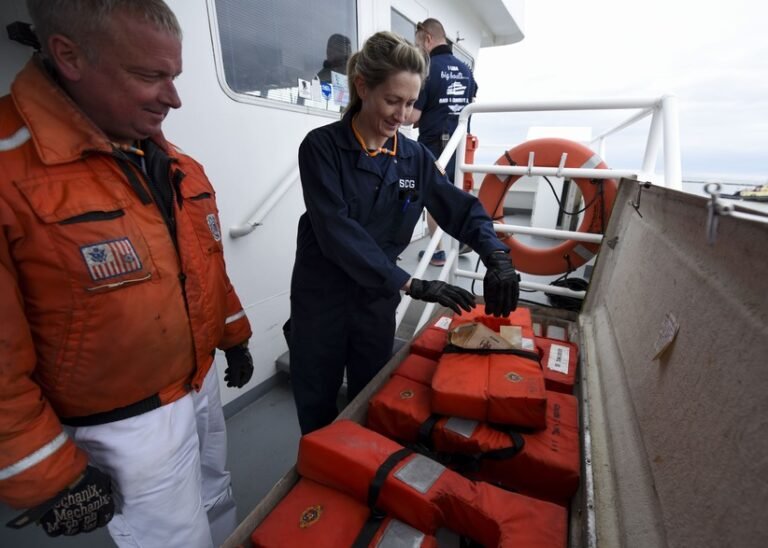
| Ship abandonment | SOLAS/LSA-compliant life jacket where applicable | Type approval, adult/child/infant sizes, light, whistle, markings, and accessories |
What are the main procurement risks?
The most common purchasing mistakes come from relying on general product descriptions instead of approval documents and operating requirements.
- Selecting by name alone: “Life vest” or “offshore life jacket” does not prove performance or compliance.
- Mixing approval systems: ISO performance levels, USCG approvals, CE marking, and SOLAS requirements serve different regulatory contexts and should not be presented as interchangeable.
- Assuming buoyancy guarantees turning: Flotation force alone does not confirm that a product will turn an unconscious wearer face-up.
- Ignoring clothing and additional loads: Heavy workwear, foul-weather clothing, tools, and other PPE can affect in-water performance and compatibility.
- Using the wrong size range: Adult, child, and infant products require different fit, retention, and marking considerations.
- Overlooking maintenance: Inflatable PFDs require inspection of the cylinder, inflation mechanism, bladder, oral inflation tube, and service schedule.
- Accepting incomplete documentation: A certificate should match the exact model, construction, label, size range, and intended use being purchased.
Before placing a bulk order, request:
- Product datasheet and model-specific approval certificate
- Applicable standard, approval number, and certificate validity
- Product label artwork and user instructions
- Declared performance level and approved applications
- Size and fit information for each user group
- Material, webbing, buckle, reflective tape, and flotation construction details
- Inspection and service instructions for inflatable models
- Packaging, traceability, batch marking, and spare-part information
CE is a conformity marking, ISO 12402 is a standards series, USCG approval is a U.S. approval route, and SOLAS/LSA requirements apply to specified maritime uses.9 A professional supplier should identify which route matches the buyer’s market and application rather than simply listing all of them together.
Frequently Asked Questions
Is a PFD the same as a life jacket?
PFD is the broader term. A life jacket can be a type of PFD, but not every PFD is the same kind of life jacket. Some PFD categories also include buoyancy aids, work vests, special-purpose devices, or throwable equipment.
Which has more buoyancy: a life jacket, life vest, or PFD?
The name alone cannot answer this question. Check the stated performance level, actual buoyancy for the model and size, approval label, and intended use. A vest-shaped PFD can have a different performance level from another product with the same general appearance.
Does higher buoyancy always turn an unconscious person face-up?
No. Turning ability depends on buoyancy distribution, product design, fit, clothing, and tested performance. Buyers should review the label and approval documentation rather than assuming that a higher buoyancy figure guarantees a specific body position.
Can a recreational life vest be used for industrial work?
Only if it carries the approval and use marking required for that workplace and jurisdiction. A recreational-only product should not automatically be substituted for an occupational or commercial work vest.
Which certification or approval should a buyer request?
It depends on the destination market, vessel type, and intended application. Examples include USCG approval for applicable U.S. uses, ISO or EN ISO 12402 documentation with the required European conformity documents, and SOLAS/LSA-related approval for applicable commercial shipboard equipment. Confirm the exact requirement before requesting a quotation.
Conclusion
The difference between a life jacket, life vest, and PFD is not a simple three-level ranking. PFD is the broad category, while “life jacket” and “life vest” may overlap depending on the market and product description. The safest procurement method is to compare the approval label, performance level, turning ability, approved use, user size, water conditions, and required documentation.
When requesting a factory quotation, provide the destination market, application, user group, required approval, order quantity, and whether foam or inflatable construction is preferred. This allows the supplier to recommend a suitable model and provide matching technical documents instead of relying on an ambiguous product name.
U.S. Coast Guard. Defines PFD terminology and product categories. https://www.dco.uscg.mil/ENG-4/RecPFD/ ↩
ISO 12402-5:2020. Defines Level 50 buoyancy aids and their intended use. https://www.iso.org/standard/56685.html ↩
ISO 12402-4:2020. Defines Level 100 lifejackets and their intended use. https://www.iso.org/standard/56684.html ↩
ISO 12402-3:2020. Defines Level 150 lifejackets and their intended use. https://www.iso.org/standard/56683.html ↩
ISO 12402-2:2020. Defines Level 275 lifejackets and their intended use. https://www.iso.org/standard/60334.html ↩
U.S. Coast Guard. Explains PFD performance levels, labels, warnings, and turning ability. https://www.uscgboating.org/recreational-boaters/life-jacket-wear-wearing-your-life-jacket.php ↩
OSHA. Specifies PFD requirements for industrial and occupational work near water. https://www.osha.gov/etools/shipyard/general-requirements/ppe/ppe-selection/lifesaving-equipment ↩
IMO LSA Code. Covers shipboard lifejacket requirements and adult, child, and infant sizing. https://wwwcdn.imo.org/localresources/en/KnowledgeCentre/IndexofIMOResolutions/MSCResolutions/MSC.207%2881%29.pdf ↩
European Union. Explains the purpose and legal meaning of CE marking. https://europa.eu/youreurope/business/product-rules-compliance/general-product-compliance/ce-marking/index_en.htm ↩