A life jacket only works properly when it fits the wearer. If it is too loose, it may ride up around the face in the water. If it is too tight, it can restrict breathing, swimming and rescue work.
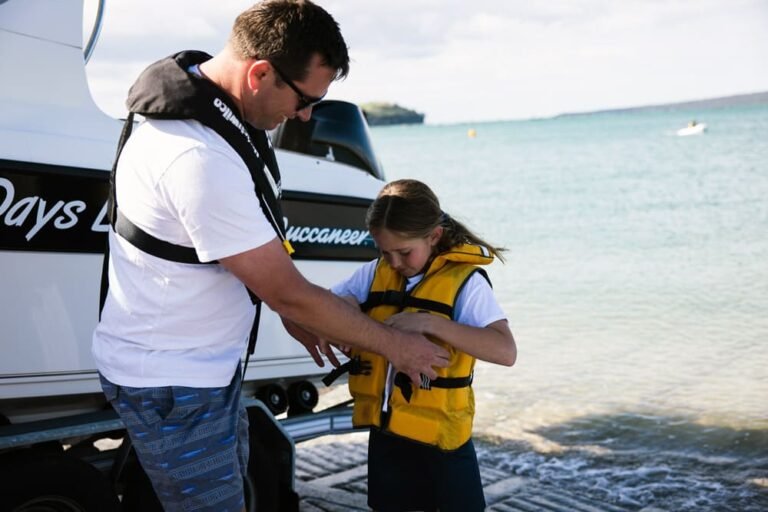
A life jacket should fit snugly without restricting normal movement.1 After all straps and buckles are secured, it should stay below the chin and should not move above the ears when pulled upward.
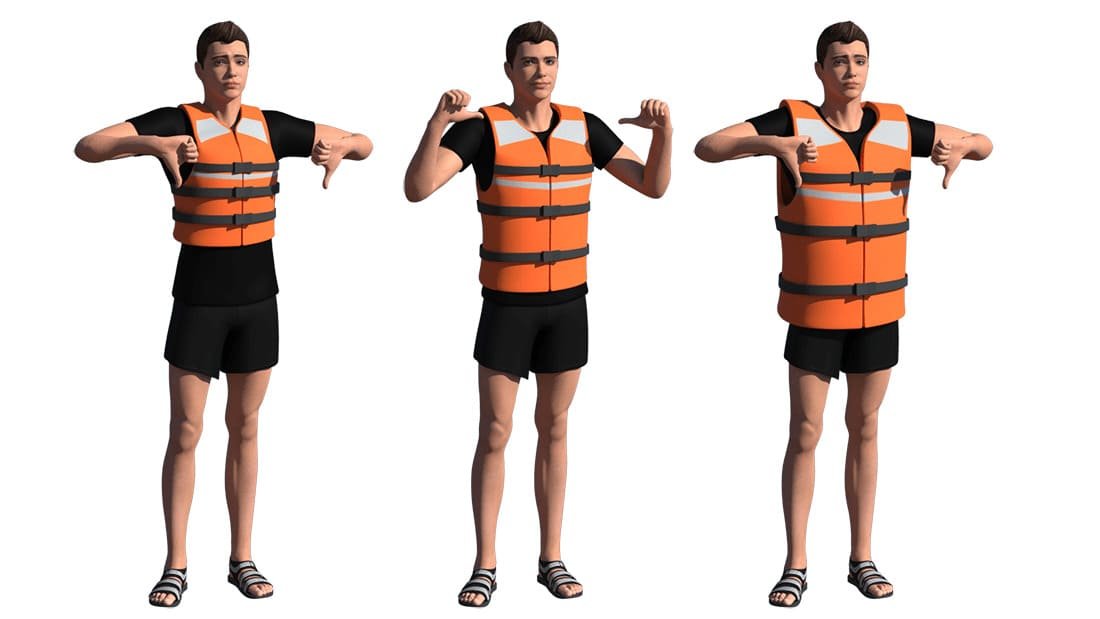
Choosing the correct size, testing the fit and checking the jacket before use can help ensure that it performs properly in an emergency.
Why Does Proper Sizing Matter for Life Jackets?
A life jacket that fits correctly stays in position and supports the wearer without making movement difficult.
A loose jacket may ride up or slip in the water, while an overly tight jacket can restrict breathing and arm movement.2
Problems Caused by a Poor Fit
An incorrectly sized life jacket may cause:
- Riding Up: A loose jacket may move toward the wearer’s chin or ears.
- Poor Support: The jacket may not hold the wearer in the intended position.
- Restricted Movement: A tight jacket can make swimming or rescue work more difficult.
- Discomfort: Rubbing around the neck and shoulders may discourage regular use.
- Unsafe Team Use: One adjustable size may not fit every member of a rescue team.
Adults should normally choose a life jacket based on chest measurement.3 Children’s models are usually selected by body weight.4 Always check the size range printed on the product label.
How Can You Check the Fit?
Do not rely only on size labels such as small, medium or large. Sizes can vary between manufacturers.
After putting on the life jacket, secure every zipper, buckle and strap. Raise your arms and ask another person to gently pull the jacket upward at the shoulders. If it moves above the chin or ears, it is too loose or too large.
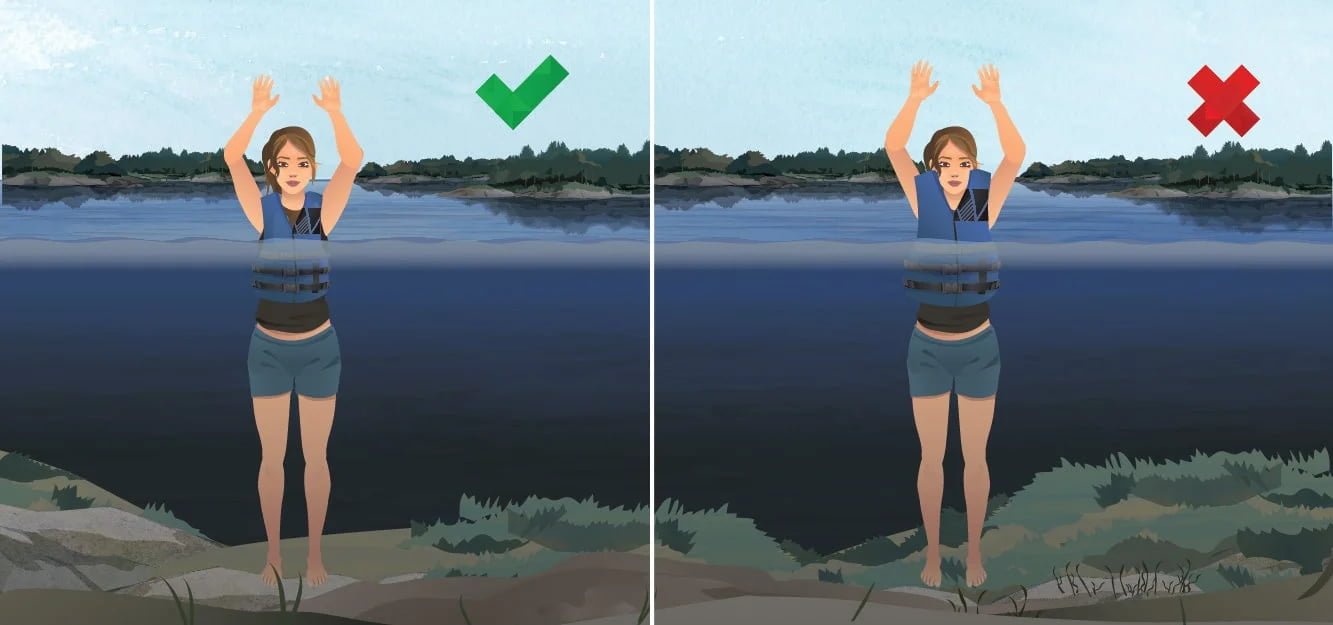
Simple Life Jacket Fit Test
Follow these steps:
- Put on the clothing normally worn during the activity.
- Put on the life jacket and close every fastening point.
- Tighten the straps until the jacket feels secure but comfortable.
- Raise both arms and move the shoulders.
- Bend forward and turn the upper body.
- Gently pull the jacket upward at the shoulders.
The wearer should be able to breathe and move normally. If the jacket still moves too much after adjustment, try a smaller size or a different design.
When possible, complete a supervised test in calm, shallow water. Make sure the jacket stays in place and provides the expected support.
What Standards Should You Check?
Correct fit is important, but the life jacket must also be suitable for its intended use and target market.
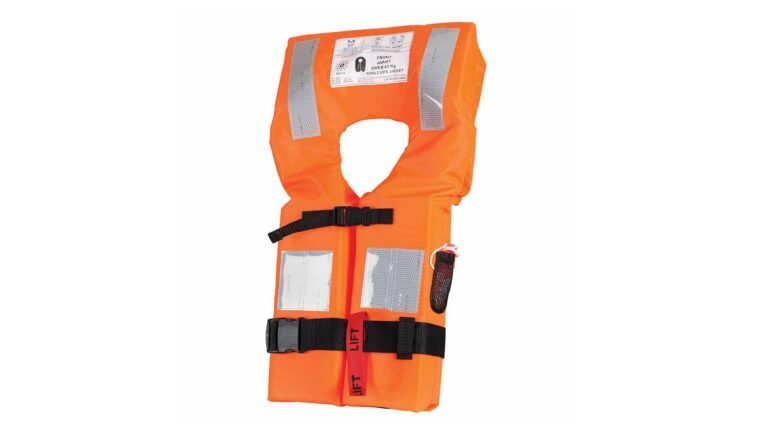
Check the product label for its approved size, intended application, buoyancy level and relevant certification or approval.
Common Standards and Approvals
- ISO 12402: Covers different types and performance levels of personal flotation devices.
- USCG Approval: Applies to approved life jackets and buoyancy aids used in the United States.
- SOLAS: Applies to certain commercial ships and international maritime operations.
Under ISO 12402, Level 50 products are buoyancy aids, while Levels 100, 150 and 275 provide different life jacket performance levels.5 A higher number is not automatically the best choice for every activity.
Buyers should consider water conditions, rescue time, clothing, user ability and local regulations when selecting a product.
How Can You Inspect and Maintain Life Jackets?
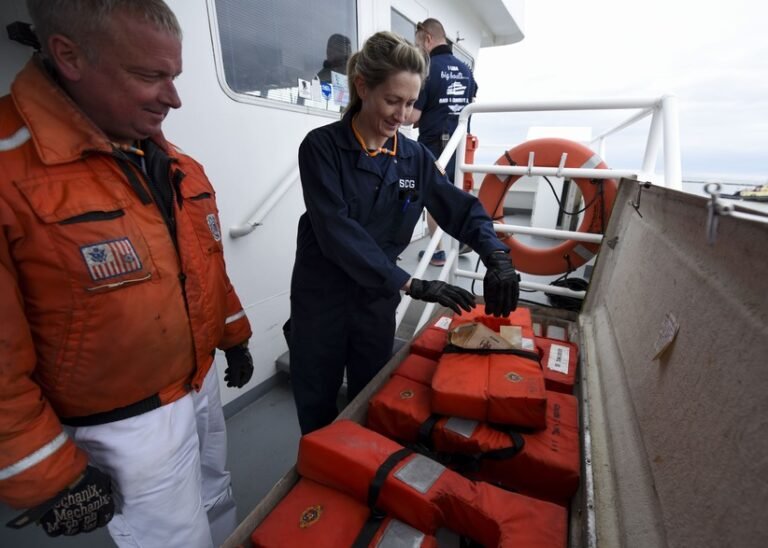
A certified life jacket can become unsafe if its fabric, foam, straps or inflation system is damaged.
Check the life jacket before every use and remove it from service if any damage may affect its fit, flotation or fastening system.6
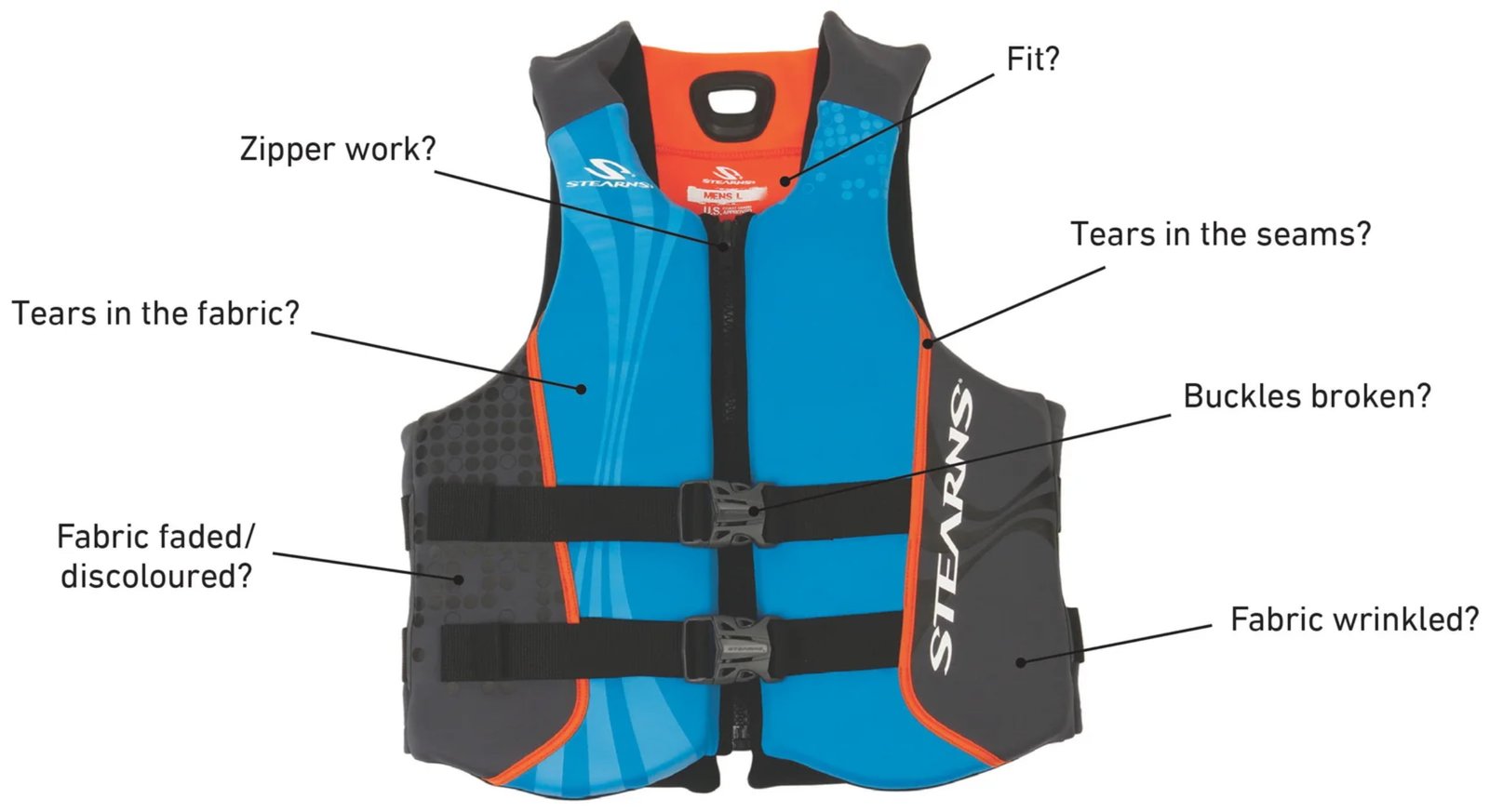
Life Jacket Inspection Checklist
- Product Label: Make sure the size, weight range and usage information are readable.
- Outer Fabric: Look for tears, open seams, mold, fading or other damage.
- Straps and Buckles: Check for frayed straps, cracked buckles or broken zippers.
- Foam Material: Look for crushed, hard, uneven or deformed areas.
- Reflective Material: Make sure reflective tape is clean and securely attached.
- Accessories: Check whistles, lights and attachment points when included.
For inflatable life jackets, also check the gas cylinder, inflation system, status indicator and air bladder according to the manufacturer’s instructions.
Do not activate the gas cylinder during a normal inspection.
Cleaning and Storage
After use:
- Rinse off salt, sand and dirt with fresh water.
- Allow the jacket to dry completely.
- Store it in a cool, dry and ventilated place.
- Keep it away from direct sunlight and strong heat.
- Do not place heavy items on top of it.
- Follow the manufacturer’s cleaning instructions.
There is no single replacement age for every life jacket. Replace it when it no longer fits, has damaged flotation material, cannot stay securely fastened or fails an inspection.7
Do Rescue Teams Need Special Considerations?
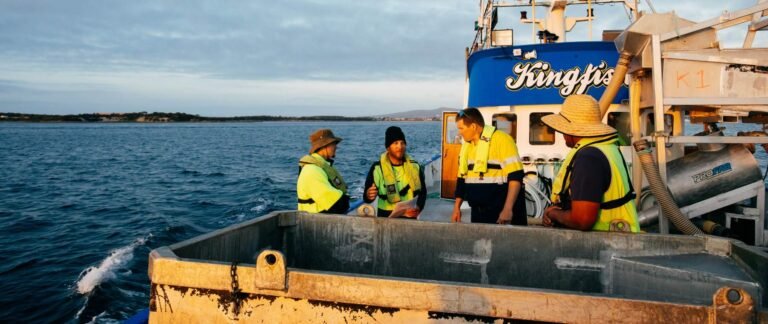
Rescue teams may work in open water, floods, fast-moving rivers or low-visibility conditions. Their equipment must match the actual rescue environment.
Rescue life jackets should provide a secure fit, suitable buoyancy, high visibility and enough freedom of movement for the intended operation.8
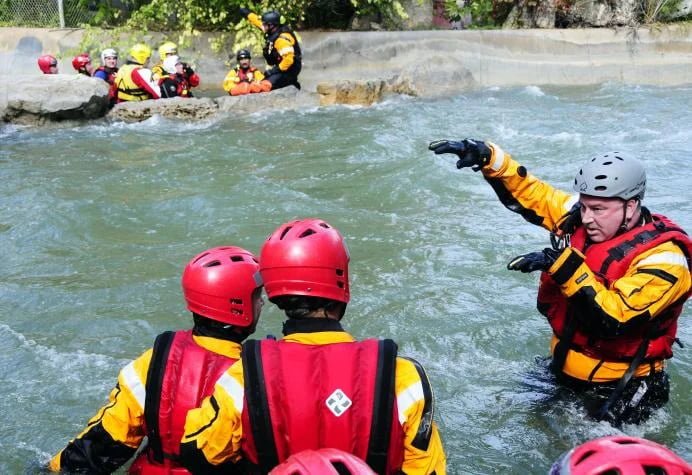
Useful Features for Rescue Teams
- Multiple Adjustment Points: Help the jacket fit different body shapes.
- High-Visibility Colors: Make rescuers easier to see.
- Reflective Material: Improves visibility in darkness or poor weather.
- Durable Fabric: Helps resist wear from rocks, boats and rescue equipment.
- Secure Pockets: Provide space for approved tools and accessories.
- Compatible Design: Allows the jacket to be worn with helmets, dry suits or other equipment.
Rescue teams should test the life jackets with the actual clothing and equipment used during operations. One size should not be expected to fit every team member.9
Frequently Asked Questions
How tight should a life jacket feel?
It should feel snug but comfortable. The wearer should be able to breathe and move normally, but the jacket should not slide around the body.
Should I choose a life jacket by chest size or weight?
Adults usually choose by chest size, while children’s models are commonly selected by weight. Always follow the information printed on the product label.
Can one adjustable life jacket fit everyone?
No. Adjustable straps only cover a limited size range. Rescue teams should prepare several sizes for different users.
Can a recreational life jacket be used for rescue operations?
Do not assume that a recreational model is suitable for professional rescue. Check its approval, buoyancy, durability, fastening system and intended application before use.
Will every life jacket turn an unconscious person face-up?
No. Turning ability depends on the design and performance level. Some life jackets are designed to help turn a wearer face-up, while basic buoyancy aids may require active movement.
How often should life jackets be inspected?
Check them before every use and after exposure to saltwater, dirt or demanding conditions. Professional teams should also follow the manufacturer’s instructions and their own inspection schedule.
Conclusion
A life jacket should fit closely, stay below the chin and allow normal breathing and movement. Select the correct size using the product label, secure every strap and complete a simple lift test before use.
Regular inspections can identify damaged fabric, foam, straps, buckles or inflatable parts before they become a safety risk. Rescue teams and organizations should also provide several sizes so that every user receives a secure and comfortable fit.
If you need life jackets in different sizes for rescue teams, marine operations or B2B distribution, contact us for product selection, OEM customization and procurement support.
NC State Extension, “Life Jacket Wear.” https://go.ncsu.edu/life-vests. Guidance on proper life jacket fit. ↩
NC State Extension, “Life Jacket Wear.” https://go.ncsu.edu/life-vests. Risks of loose or overly tight life jackets. ↩
NC State Extension, “Life Jacket Wear.” https://go.ncsu.edu/life-vests. Adult life jacket sizing guidance. ↩
NC State Extension, “Life Jacket Wear.” https://go.ncsu.edu/life-vests. Child life jacket sizing guidance. ↩
ISO, “ISO 12402-4:2020 — Personal Flotation Devices.” https://www.iso.org/obp/ui/en/#!iso:std:56684:en. Life jacket performance and safety requirements. ↩
NC State Extension, “Life Jacket Wear.” https://go.ncsu.edu/life-vests. Pre-use inspection guidance. ↩
NC State Extension, “Life Jacket Wear.” https://go.ncsu.edu/life-vests. Replacement guidance for damaged life jackets. ↩
NC State Extension, “Life Jacket Wear.” https://go.ncsu.edu/life-vests. Guidance on fit, buoyancy and visibility. ↩
NC State Extension, “Life Jacket Wear.” https://go.ncsu.edu/life-vests. Selecting suitable sizes for different users. ↩