A pool already has a life ring on the wall. Does it still need life jackets for children who need them? And if everyone on a boat is wearing a life jacket, why keep a ring on deck?
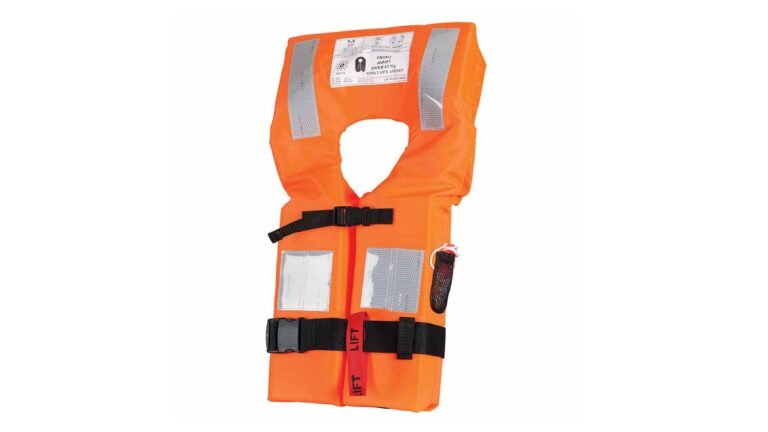
A life jacket gives flotation to the person wearing it. A life ring gives someone already in the water something to hold on to when another person throws it to them. That’s why pools, docks, and boats often use both: one goes with the person and the other stays where someone can grab it in an emergency. What you need at your site depends on the activity and the rules that apply. U.S. Coast Guard flotation device guidance1
What’s the difference between a life jacket and a life ring?
| Buying question | Life jacket | Life ring |
|---|---|---|
| How many do you need? | Count how many people need one at the same time, then work out the size mix. | Map the places where someone might need to use one, then check any rules on quantity and placement. |
| What should you check before ordering? | Does this exact model fit the wearer and suit the activity? | Is the device accepted for this setting, and are the throwing line and bracket included? |
A ring buoy, also called a lifebuoy, is one kind of throwable flotation device. For some boats, a flotation cushion approved for throwing can meet the requirement instead. A toy swim ring may look similar, but it isn’t rescue equipment. U.S. Coast Guard flotation device guidance CDC drowning prevention guidance2
Pools: Fit life jackets before swimmers get in and keep rescue gear poolside
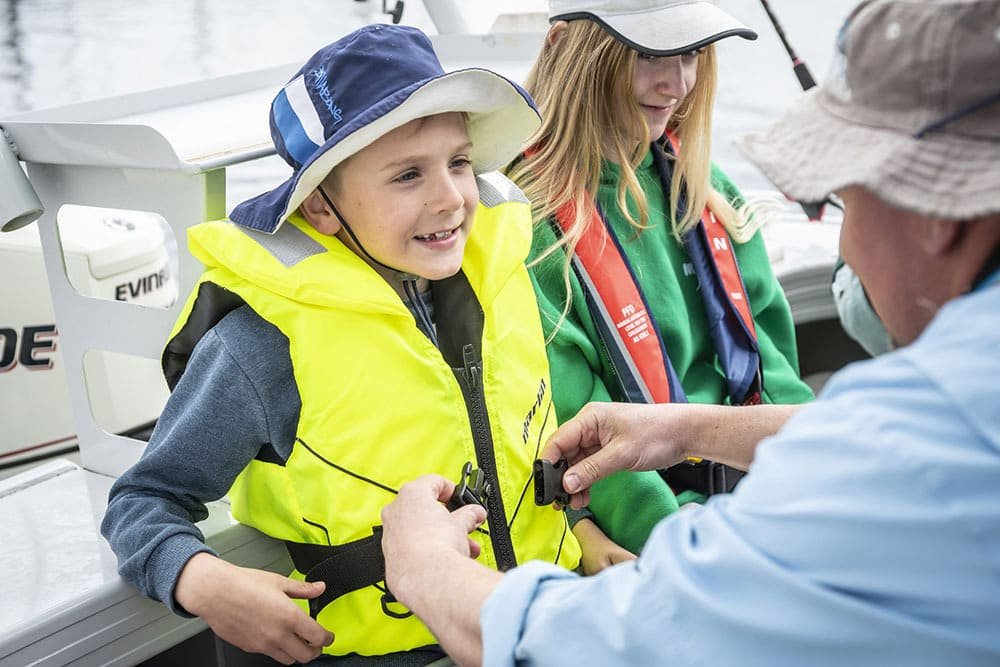
If your pool lends life jackets, start with who actually borrows them. If children’s groups come most weekends, stock sizes that match their weight ranges and the product labels, rather than buying to a total headcount alone. Children still need close, constant adult supervision when they wear a life jacket. CDC drowning prevention guidance
A poolside life ring may sit unused for months, but when someone needs it, it needs to come off the wall quickly. Walk over to the deep end and check what someone standing there can see and reach. Then check whether your local rules call for a ring specifically or allow another throwing device. For example, the CDC’s U.S. model code calls for a U.S. Coast Guard-approved throwing device with a line and a separate reaching pole at aquatic venues without lifeguards where standing water is more than 2 feet deep. It’s a model code; check what your local authority has adopted. CDC Model Aquatic Health Code, § 5.8.5.43
Docks: Check whether the ring is where someone can actually reach it
Walk from the boarding point to the farthest berth. If someone fell in there, how far would a bystander have to go to get the ring? Where could they stand to throw it? Where could the person get back out? A ring that’s easy to see from the marina office may be a long way from the end of the dock. RNLI Water Safety Guidebook4
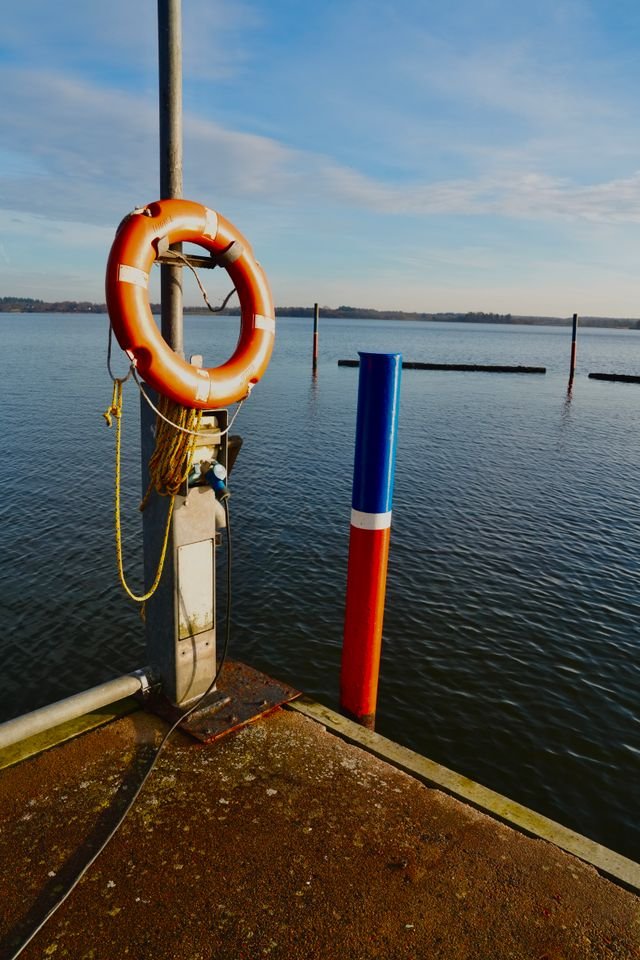
Decide separately who needs to wear flotation for their work or activity. One U.S. example: where OSHA’s construction rule applies and there is a drowning hazard, employers must provide U.S. Coast Guard-approved life jackets or buoyant work vests and keep ring buoys with lines available for rescue. That’s a construction rule, not a blanket rule for every public pier or marina. OSHA 29 CFR § 1926.1065
Boats: Count people first, then check what the boat needs
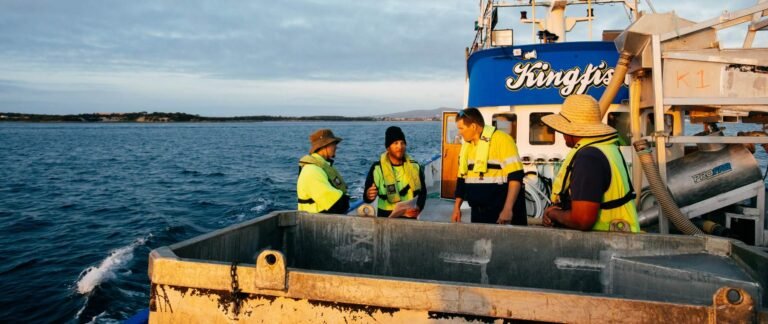
A jacket in a locker won’t go overboard with the person who falls. A life ring on deck gives the people still aboard something to throw. If the person in the water can’t reach or hold it, the crew still needs a way to recover them.
Under U.S. federal recreational boating rules, boats generally need one wearable personal flotation device (PFD) per person. Boats 16 feet or longer generally also need a throwable PFD; canoes and kayaks are exempt from that additional requirement. Check the rules for your vessel and where it operates, including who must wear a jacket rather than just carry one on board. 33 CFR § 175.156 33 CFR § 175.177
Before you order, make two lists
- Life jackets: List who will wear them, how many people need one at the busiest time, the sizes, and the activity. Check the label and approval documents for the exact model and sizes quoted. See how to choose the right type of life jacket for help comparing wearables.
- Life rings: List the rescue locations, the equipment accepted there, the required line length where applicable, and whether the quote includes the line and bracket. When looking at a listing such as the JieKang YJK-Q-2 life ring, don’t mistake the rope around the ring for a separate throwing line. Verify the approval documents for the exact size and configuration before counting it toward a project requirement.
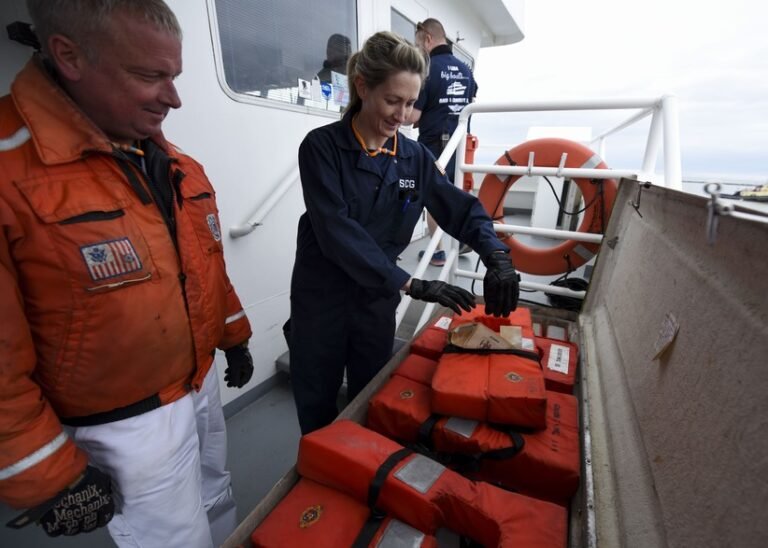
Once the equipment is in place, walk the route again during normal operations. If you’d have to find a key or move equipment to get to the ring, rethink where it’s mounted. Decide who will inspect the jackets, rings, lines, and brackets, and who will replace anything that’s damaged or missing.
[Personal Flotation Devices](https://www.dco.uscg.mil/CG-ENG-4/PFD/), U.S. Coast Guard. Distinguishes wearable and throwable flotation devices. ↩
[Preventing Drowning](https://www.cdc.gov/drowning/prevention/index.html), CDC. Covers life jacket fit, close supervision, and the limitations of water toys. ↩
[2024 Model Aquatic Health Code, 5th edition](https://www.cdc.gov/model-aquatic-health-code/media/pdfs/2024/11/5th-Ed-MAHC-Code-508.pdf), CDC. Section 5.8.5.4 covers throwing devices and reaching poles at facilities without lifeguards. ↩
[Water Safety Guidebook](https://rnli.org/-/media/rnli/downloads/safety/guidebook_watersafety.pdf?rev=992be72d48a84742a66f6abd0e635b63), Royal National Lifeboat Institution. Describes assessing risks and choosing public rescue equipment for a site. ↩
[29 CFR § 1926.106: Working over or near water](https://www.osha.gov/laws-regs/regulations/standardnumber/1926/1926.106), OSHA. Covers wearable flotation and ring buoys for applicable U.S. construction work. ↩
[33 CFR § 175.15: Personal flotation devices required](https://www.ecfr.gov/current/title-33/chapter-I/subchapter-S/part-175/subpart-B/section-175.15), U.S. Coast Guard. Specifies federal recreational-vessel carriage requirements. ↩
[33 CFR § 175.17: Exemptions](https://www.ecfr.gov/current/title-33/chapter-I/subchapter-S/part-175/subpart-B/section-175.17), U.S. Coast Guard. Lists exemptions, including the additional throwable exemption for canoes and kayaks. ↩