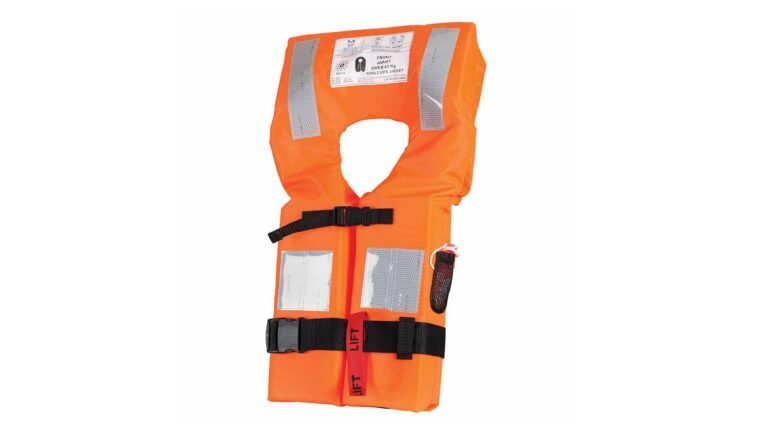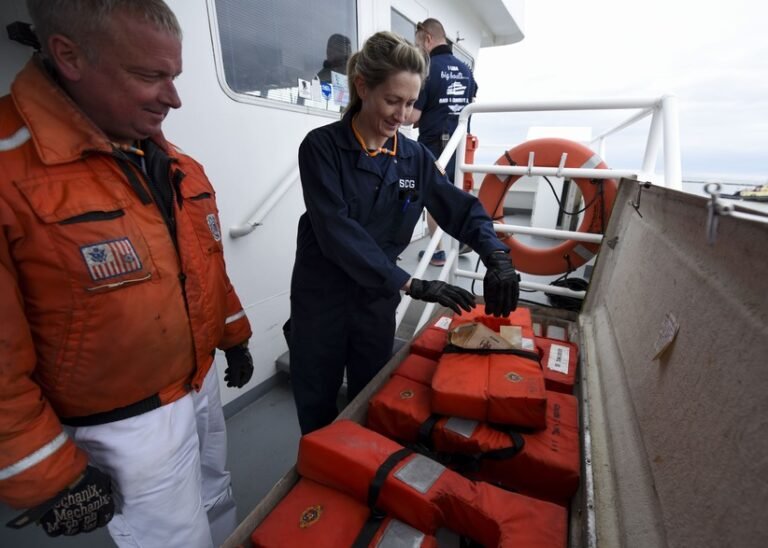
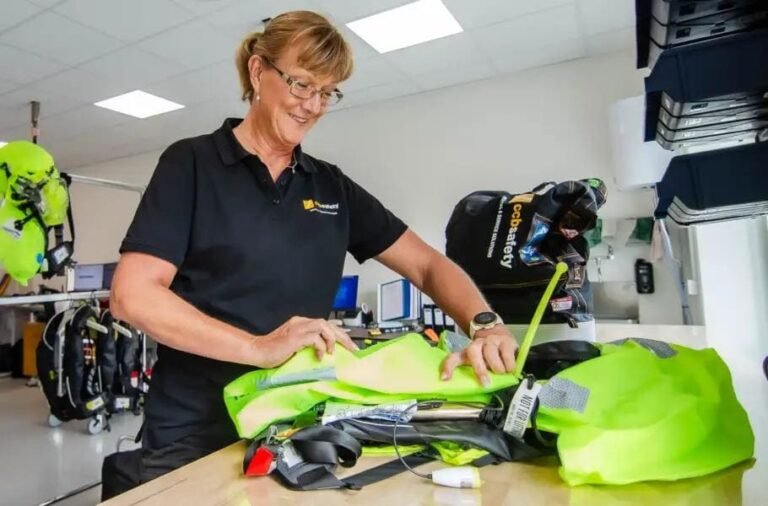
Many buyers assume that life jackets come with a fixed expiration date. In reality, there is no single replacement age that applies to every life jacket. Service life depends on the jacket's design, condition, frequency of use, storage environment, and the manufacturer's instructions. Regular inspection is therefore more useful than relying on age alone.1
Life jackets do not have a universal expiration date. However, they can become unserviceable as foam, fabric, straps, hardware, or inflation components deteriorate. Foam life jackets should be checked regularly for wear and buoyancy, while inflatable models require maintenance according to the manufacturer's instructions. A damaged or unserviceable life jacket should be replaced regardless of its age.
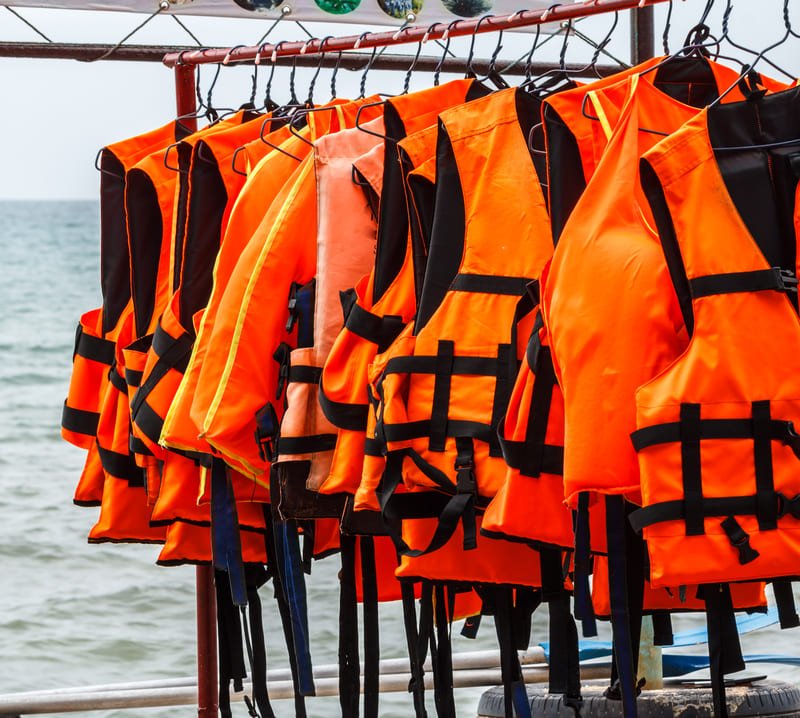
For individual users, this means checking a life jacket before relying on it. For distributors, marine operators, rescue organizations, and other bulk buyers, it also means keeping inspection and replacement criteria clear across larger inventories. Below, we'll look at what affects service life, how to inspect different life jackets, and when replacement makes sense.
What determines how long life jackets last?
Life jackets are designed to provide reliable flotation, but materials and components can deteriorate with use and exposure. Age by itself does not tell you whether a life jacket is still serviceable.
A life jacket's usable life depends mainly on its physical condition, flotation performance, usage environment, storage, and maintenance history. U.S. Coast Guard guidance recommends testing foam-filled life jackets for wear and buoyancy at least once a year and discarding devices that are waterlogged, faded, or otherwise damaged.1 Inflatable life jackets should be maintained according to the manufacturer's instructions.
Factors that impact a life jacket's lifespan
Several factors can affect how quickly a life jacket deteriorates:
- Material and construction: Inherently buoyant models rely on foam, while inflatable models use an inflatable chamber and inflation system. Each design has different inspection and maintenance needs.
- Frequency of use: Regular use places more stress on outer fabric, stitching, straps, buckles, zippers, and other components.
- Water and contaminants: Salt, dirt, oil, and other contaminants can affect fabrics, hardware, and inflation components if the jacket is not cleaned and dried correctly.
- Sunlight and heat: Long-term exposure to direct sunlight and unsuitable storage conditions can contribute to material deterioration.
- Storage conditions: Damp or poorly ventilated storage increases the risk of mildew, corrosion, and other damage.2
For bulk inventories, the manufacturing date can be useful for traceability, but it should not be treated as a universal expiration date. Buyers should evaluate actual condition and follow the instructions provided for the specific model.
How do you inspect a life jacket properly?
A life jacket can appear usable at first glance while still having damaged components. A systematic inspection helps identify problems before the equipment is needed.
To inspect a life jacket, check the outer fabric, seams, straps, buckles, zippers, labels, and flotation material for signs of damage or deterioration.2 For inflatable models, also inspect the CO₂ cylinder, inflator status, bladder, and any replaceable activation components according to the manufacturer's instructions.3
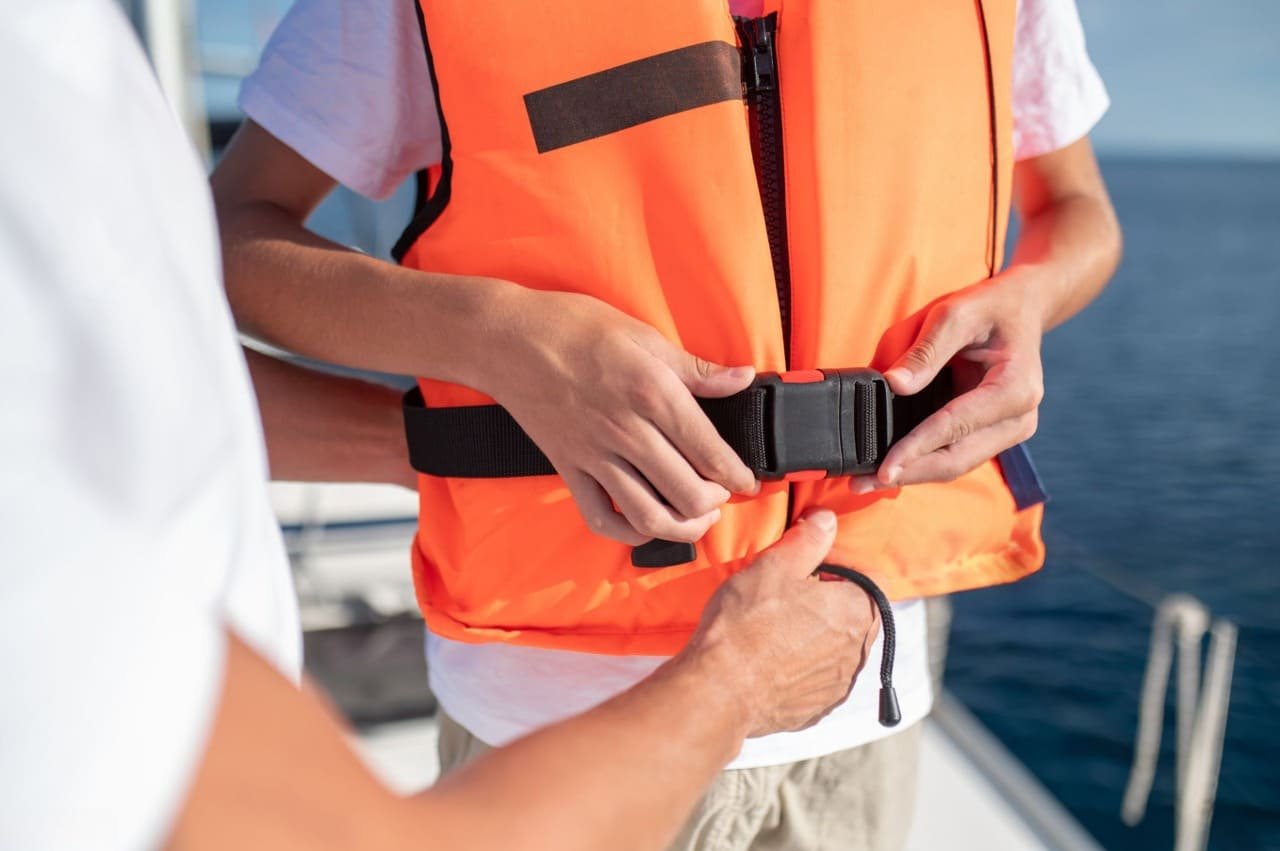
Comprehensive inspection checklist
Here's a practical checklist for routine inspection:
- Exterior condition: Look for cuts, tears, holes, fraying, excessive abrasion, fading, or contamination.
- Seam integrity: Check stitching and seams for loose threads, separation, or other visible damage.
- Buoyancy foam: Check for waterlogging, hardening, lumps, compression, or deterioration in foam-filled models.
- Mold or contamination: Look for mildew, oil contamination, unusual odors, or other signs that storage conditions may have affected the jacket.
- Fastenings and straps: Test buckles, zippers, webbing, and adjustment straps to make sure they operate correctly and remain securely attached.
- Labels and markings: Make sure required approval and instruction labels remain present and readable where applicable.2
- Inflation system: For inflatable models, check that the CO₂ cylinder is correctly installed and has not been punctured or corroded. Verify the inflator or bobbin status and expiration date where applicable, and perform leak testing according to the product instructions.23
One important distinction is that a CO₂ cylinder does not necessarily have a universal expiration date. Some inflatable systems instead use dated inflators or bobbins, so the correct replacement interval depends on the specific mechanism and product manual.2
When should you replace a life jacket?
There is no need to replace every life jacket simply because it has reached an arbitrary age. The more important question is whether it remains safe, functional, and compliant for its intended use.
Replace a life jacket when critical fabric, flotation material, straps, fasteners, or inflation components are damaged or when the device fails the required inspection or test. U.S. guidance also requires life jackets used to meet carriage requirements to remain in good and serviceable condition.1
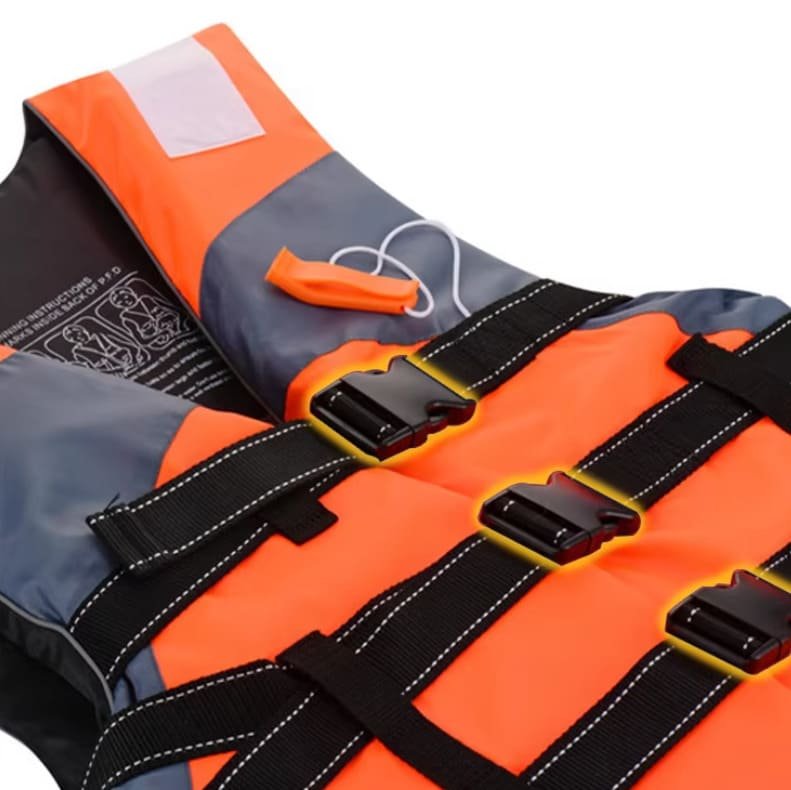
Common signs it's time to replace
- Damaged or deteriorated foam: Waterlogged, hardened, lumpy, compressed, or deteriorating flotation material can indicate that the jacket should be removed from service.
- Torn or heavily worn fabric: Significant cuts, punctures, exposed flotation material, or severe abrasion can compromise the jacket's integrity.
- Non-functional fasteners: Broken buckles, zippers, straps, or attachment points can prevent proper fit and use.
- Severe contamination or mildew damage: Contamination that cannot be safely cleaned, or mildew accompanied by material deterioration, should be evaluated according to the manufacturer's guidance.
- Failed inflatable leak test: An inflatable chamber that cannot retain pressure should not be relied on until it has been properly serviced or replaced.3
- Expired or failed inflation components: Replace dated inflators, bobbins, or other service parts when required by the manufacturer.23
- Missing or unreadable required labels: For regulated applications, missing approval or instruction labels can affect whether the device remains acceptable for use.2
For organizations managing larger quantities, clearly separating "inspect," "service," and "replace" decisions can reduce unnecessary replacement while helping keep unserviceable equipment out of active inventory.
How does storage impact a life jacket's lifespan?
Even a well-made life jacket can deteriorate prematurely when it is stored wet, exposed to sunlight for long periods, or kept in conditions that encourage mildew or corrosion.
Life jackets should be fully dried before storage and kept in a dry, well-ventilated location away from direct sunlight and damaging heat sources.3 Inflatable models may have additional cleaning and storage requirements, so always follow the manufacturer's instructions.
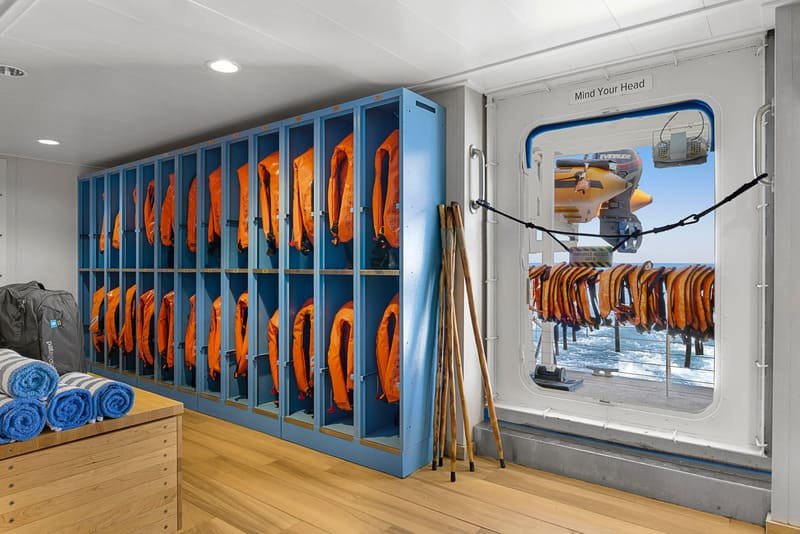
Best practices for life jacket storage
- Clean after use: Remove salt, dirt, sand, or other contaminants using the cleaning method specified by the manufacturer.
- Dry completely: Air-dry the life jacket before storage to reduce the risk of mildew and corrosion.
- Avoid direct sunlight: Do not leave life jackets exposed to prolonged sunlight when they are not in use.
- Provide ventilation: Store equipment in a dry, well-ventilated area rather than sealing damp jackets in bags or closed containers.
- Avoid damaging heat: Keep life jackets away from direct heat sources and follow the storage limits in the product instructions.3
For distributors and organizations holding safety stock for long periods, storage conditions are part of inventory quality control. Periodic inspection of stored stock is especially important before equipment is issued or deployed.
What should bulk buyers check when managing life jacket inventory?
For B2B procurement, the question is not only how long one life jacket lasts, but how to manage serviceability consistently across an entire batch.
Bulk buyers should combine product traceability, inspection records, applicable approval requirements, storage control, and manufacturer maintenance instructions. A manufacturing date can help identify batches, but condition and compliance should guide replacement decisions.
Practical checks for distributors and organizations
- Confirm the target market: Approval and labeling requirements differ by country and application. U.S. buyers should verify applicable U.S. Coast Guard requirements,1 while other markets may reference standards such as the ISO 12402 series.4
- Keep batch records: Record model, batch or lot information, manufacturing dates, and inspection history where appropriate.
- Inspect incoming stock: Check packaging, labels, fabric, straps, buckles, foam, and inflation components before distribution.
- Control storage conditions: Keep cartons and life jackets dry, ventilated, and protected from prolonged sunlight or damaging heat.
- Follow model-specific maintenance: Inflatable life jackets can use different inflator systems and service parts, so one maintenance schedule should not automatically be applied to every model.
This approach is especially useful for marine distributors, rental fleets, rescue organizations, industrial safety teams, and other buyers responsible for multiple life jackets at the same time.
Frequently Asked Questions
Do life jackets work forever?
No. Life jackets do not have a universal expiration date, but that does not mean they last forever. Foam, fabric, webbing, hardware, and inflatable components can deteriorate. Replace or service a life jacket when its condition, test results, component status, or manufacturer instructions indicate that it is no longer serviceable.
How often should I inspect life jackets?
Inspection frequency depends on the design and manufacturer. The U.S. Coast Guard recommends testing foam-filled life jackets for wear and buoyancy at least once a year.1 Inflatable models require more specific maintenance: some manufacturers recommend a visual inspection before every use, periodic leak tests, and annual maintenance.3 Always follow the instructions for the exact model.
Do CO₂ cylinders expire?
Not always. Some CO₂ cylinders used in inflatable life jackets may have no expiration date.2 They should still be checked for corrosion, puncture, correct installation, and prior use. Inflators or bobbins may have their own expiration dates or replacement intervals.
What do labels on life jackets indicate?
Depending on the market and model, labels may identify approval status, performance level or type, user size, intended use, warnings, and manufacturer instructions. In the United States, required life jackets must be U.S. Coast Guard approved and in good and serviceable condition.1
Conclusion
Life jackets do not share one fixed expiration date. Their usable life depends on condition, design, maintenance, storage, and the requirements that apply to the specific product. Foam-filled models should be checked for wear and buoyancy, while inflatable models require closer attention to cylinders, inflators, bobbins, bladders, and other service components.
For distributors, marine operators, rescue organizations, and other bulk buyers, a documented inspection and inventory process is more reliable than replacing equipment based on age alone. If you are sourcing life jackets for distribution, marine safety, or rescue applications, contact us for product specifications, available certifications, OEM/ODM options, and bulk purchasing support.
U.S. Coast Guard, "Life Jacket Wear / Wearing Your Life Jacket." https://www.uscgboating.org/recreational-boaters/life-jacket-wear-wearing-your-life-jacket.php. Covers serviceable condition, annual wear and buoyancy checks for foam-filled life jackets, and manufacturer-directed maintenance for inflatable models. ↩
Hawaii Department of Land and Natural Resources, "Now Is a Great Time to Inspect Your Life Jackets!" https://dlnr.hawaii.gov/dobor/national-safe-boating-week-is-may-17-23-now-is-a-great-time-to-inspect-your-life-jackets/. Provides inspection guidance for inherently buoyant and inflatable life jackets, including CO₂ cylinders, inflators, bobbins, labels, and annual inspection. ↩
Mustang Survival, "PFD Inspection and Maintenance." https://www.mustangsurvival.com/blogs/resources/pfd-inspection-and-maintenance. Provides model-specific examples of pre-use inspection, leak testing, inflation-component checks, cleaning, and storage practices for inflatable PFDs. ↩
International Organization for Standardization, ISO 12402 series, "Personal flotation devices." https://www.iso.org/standard/56683.html. Provides international safety requirements for personal flotation devices; the applicable part and performance level depend on the product and intended use. ↩