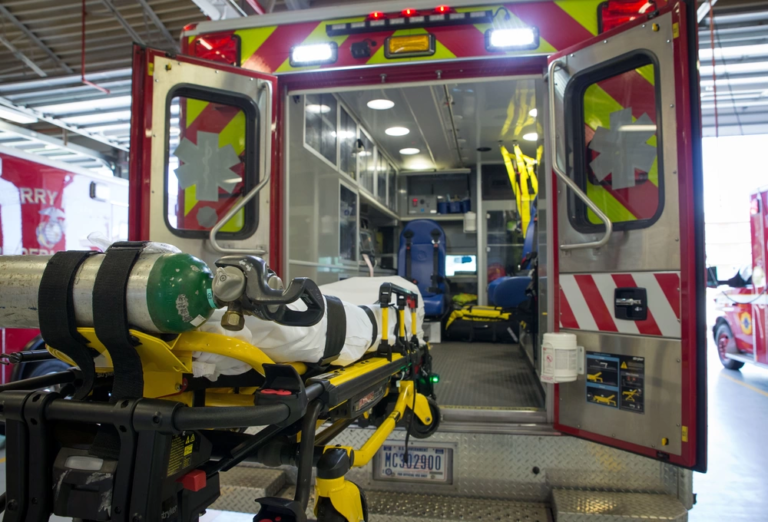
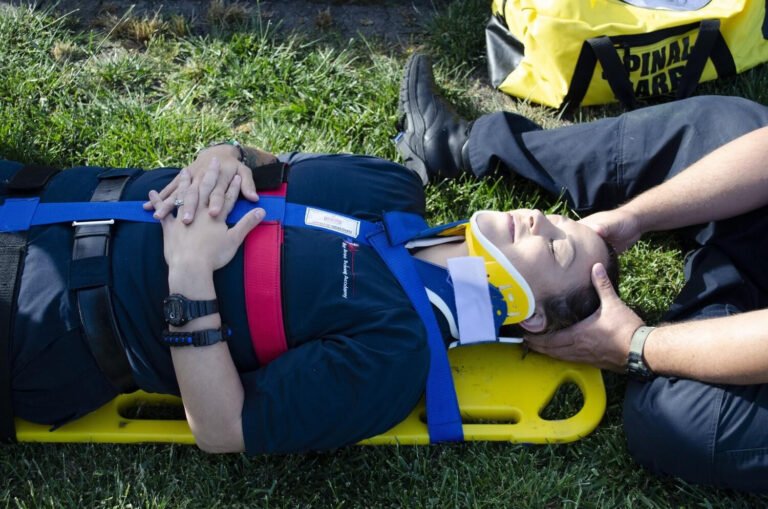
Spinal immobilization is critical in emergencies where spinal injuries are suspected—but it’s not as simple as it looks. Even experienced rescue responders can make mistakes without proper training. To ensure safety and effectiveness, mastering spinal immobilization equipment and procedures is essential. Here's a practical guide to get you started.
Spinal immobilization requires step-by-step procedures, correct use of equipment like spine boards and cervical collars, and thorough training. Skipping these steps can lead to patient discomfort, increased legal risks, and compromised rescue outcomes.
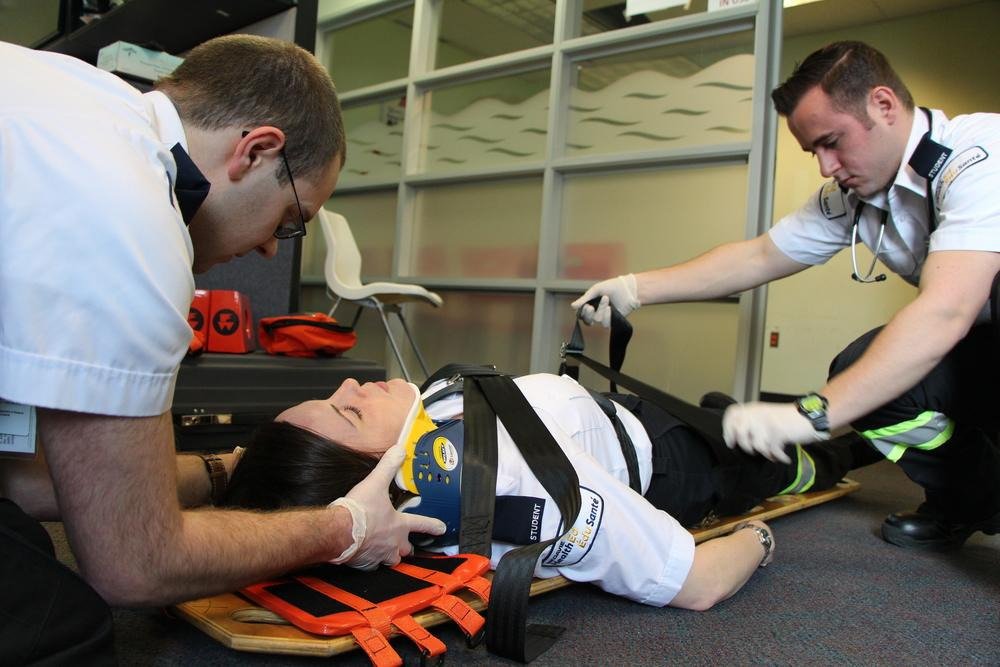
When executed correctly, spinal immobilization can significantly reduce risks during patient transport. Let’s explore the most important steps and equipment you need to know.
What is spinal immobilization?
Spinal immobilization is the process of restricting a patient’s spinal motion to prevent further injury when a spinal cord issue is suspected. This method is used in emergencies, from car accidents to sports injuries.
Spinal immobilization minimizes harmful spinal movements, which could result in nerve damage or paralysis.1 It typically involves using equipment like spine boards, cervical collars, and securing straps.
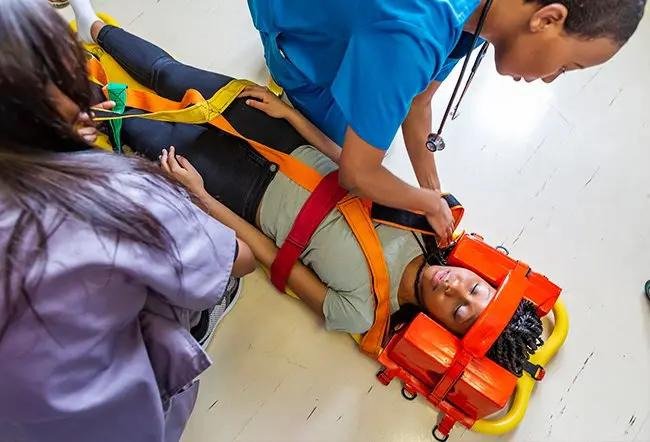
The ultimate goal is protection—not only for the patient but also for rescue responders, by preventing additional injuries during transport.
When is spinal immobilization needed?
Spinal immobilization is required when there’s suspicion of:
- Motor vehicle accidents
- Falls from significant heights
- Blunt trauma to the back or neck
- Severe sports injuries, especially head impacts
- Patients with altered consciousness following trauma
Remember, spinal injuries are not always obvious. It’s essential to error on the side of caution until the patient can be assessed by a medical professional.
How do you immobilize the spine properly?
Spinal immobilization has several steps, and skipping any of them jeopardizes patient safety. Below is the proper process:
Step 1: Assess the situation
Before you begin, do a quick assessment while ensuring your own safety.
Clear the scene of danger and look for signs of spinal injury, like pain, deformities, or numbness.2 Stabilize the patient’s head immediately to prevent unnecessary motion.
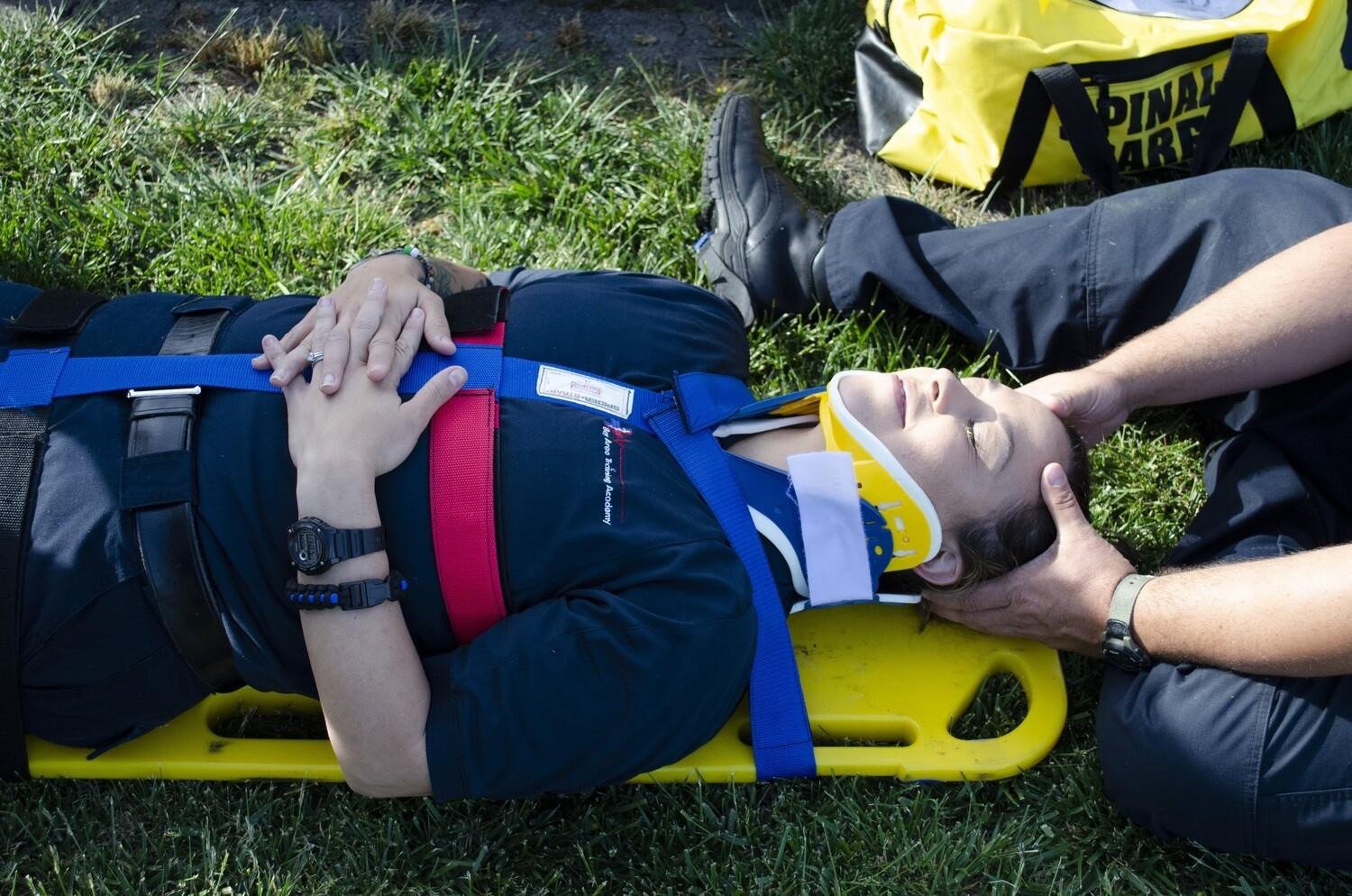
Stabilization often starts with manual cervical stabilization. Use your hands to keep the neck in alignment while you prepare the needed immobilization tools.
Step 2: Properly apply the cervical collar
The cervical collar is crucial for neck immobilization.
Measure the collar height and secure it around the neck without forcing the patient’s head into a “neutral” position. Adjust the collar until it fits snugly but doesn’t restrict breathing or blood flow.
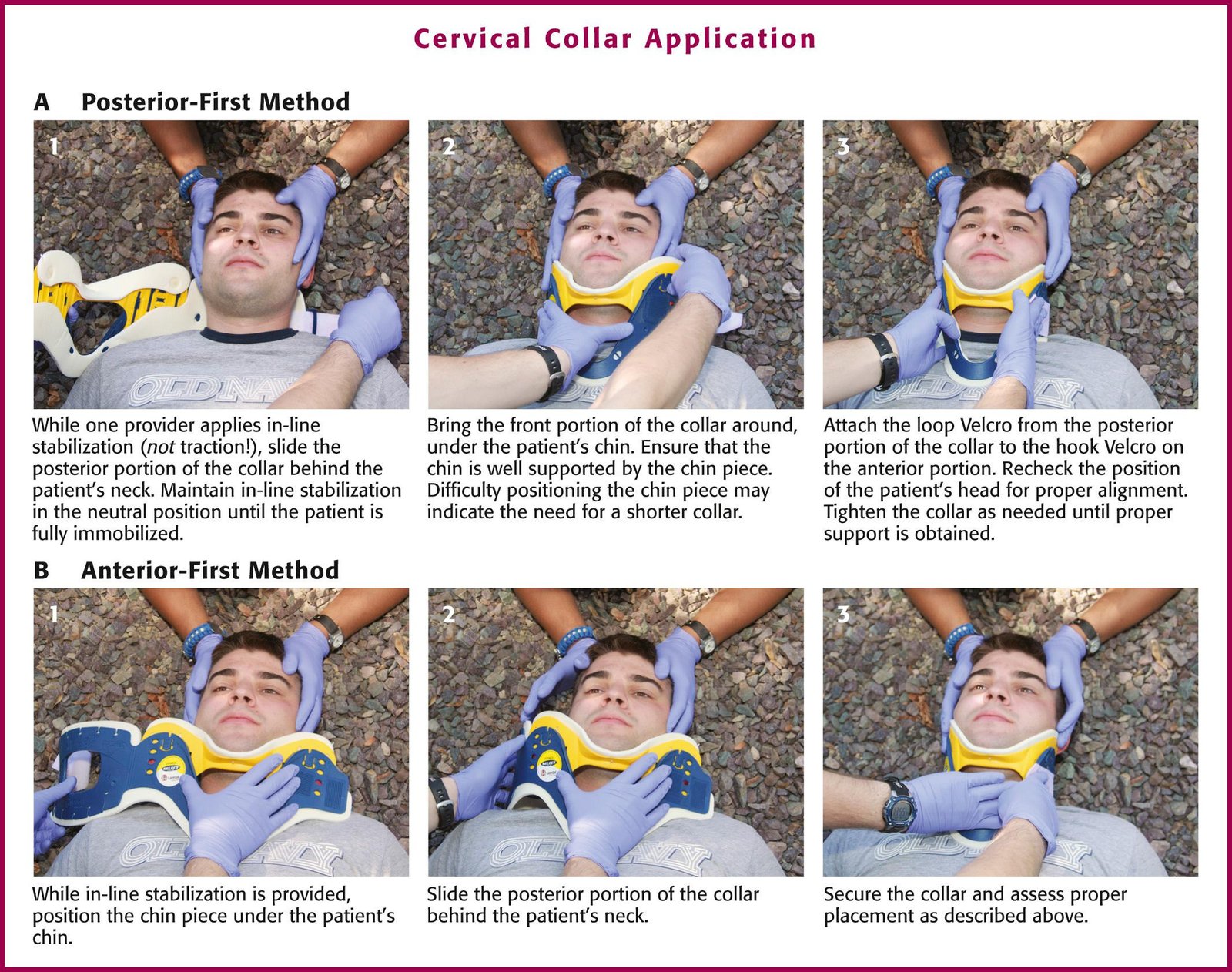
In many rescue scenarios, I’ve seen teams rush through this, leading to improper collar placement. Training your team to secure the collar effectively avoids patient discomfort and ensures stability for safe transport.
Step 3: Log roll the patient
Once the cervical collar is secured, the patient must be moved onto a spine board—a procedure often requiring three to five rescuers.
Use the log-roll technique to maintain spinal alignment while rolling the patient. One team member stabilizes the neck while others handle the torso, hips, and legs.
Pro tip: Communicate clearly during this process to synchronize movements. A misstep here could result in sudden motion, exacerbating spinal injuries.
Step 4: Secure the patient to a spine board
With the patient now on the spine board, securing straps are necessary to minimize movement during transport.
Start by crossing straps over the chest, pelvis, and legs to evenly distribute stabilization. Frequently check to ensure circulation isn’t compromised.

The spine board ensures alignment; however, you’ll also need to add head immobilizers to prevent lateral (side) motion during transport.
What equipment is essential for spinal immobilization?
A well-prepared rescue kit is critical for emergencies. Key components include:
- Spine board: Provides spinal support
- Cervical collar: Stabilizes neck motion
- Head immobilizers: Prevents cranial movement
- Straps: Used with the spine board to secure the patient
- Vacuum mattress (optional): Provides additional support and comfort
Common mistakes in spinal immobilization
Even with the right tools, errors can occur due to insufficient training or rushed procedures. Here are common mistakes:
- Poor collar placement: Loosely fitted collars can leave the neck unstable.
- Skipping head immobilization: Even minor head movement can pose risks.
- Improper communication: Teams acting uncoordinated during the log roll can misalign the spine.
I’ve seen firsthand how investing in hands-on training can eliminate many of these blunders.
Frequently Asked Questions
Why is it important to immobilize the spine?
Spinal immobilization minimizes movement and reduces the risk of worsening a potential spinal cord injury.3 Proper procedures can prevent long-term damage, paralysis, or even death.
When should spinal immobilization be skipped?
Spinal immobilization may not be appropriate for all trauma patients.4 For example, in low-risk cases or when the patient shows no signs of spinal injury, immobilization may be unnecessary. Always follow medical protocols and guidelines from trained professionals.
How does a spine board differ from a vacuum mattress?
A spine board is rigid and lightweight, ideal for quick immobilization during emergency evacuations. A vacuum mattress, on the other hand, molds to the patient’s body, providing better comfort and stability for prolonged transport or hospital care.
Conclusion
Spinal immobilization is not just about using the right tools—it’s about using them correctly. From cervical collars and spine boards to proper strapping techniques, training is essential to reduce risks during emergencies. When executed carefully, spinal immobilization plays a vital role in improving patient outcomes.
Ensure your team is equipped with the proper tools, clear protocols, and the training they need. If you’re looking for reliable spine boards, cervical collars, or head immobilizers, explore our range of durable, proven solutions today!
This source explains how spinal immobilization reduces harmful spinal movement and helps prevent nerve damage or paralysis. ↩
This source provides guidance for assessing spinal injuries, including signs such as pain, deformity, or numbness. ↩
This source explains how spinal immobilization can reduce movement and lower the risk of worsening a potential spinal cord injury. ↩
This source discusses situations where spinal immobilization may not be appropriate for all trauma patients. ↩